Maipú
"The best glass of Malbec I ever had cost me two dollars and was poured by the winemaker's grandmother."
The bicycle wine route where family bodegas, olive oil mills, and afternoon empanadas are separated by fifteen minutes of pedalling.

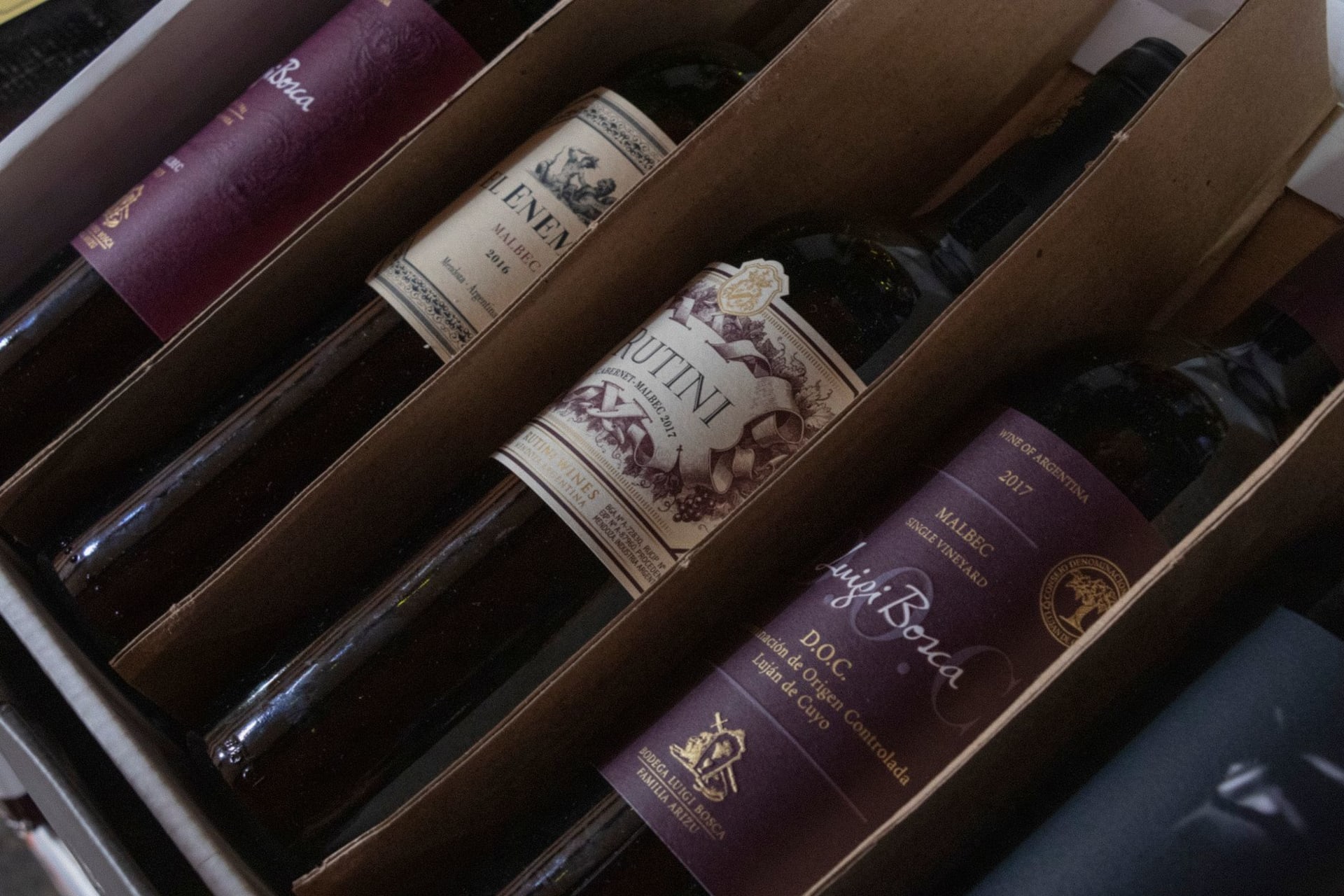
I rented the bicycle from a place on Ozamis Street that also sold empanadas from a window and hadn’t bothered to update its handwritten price list in what looked like several years. The bike had three working gears and a bell that stuck. None of it mattered. The road out of Maipú town runs flat and straight through vineyards and olive groves and small brick bodegas with hand-painted signs, and on a Tuesday morning in early April the only other people on it were a dog sleeping in the sun and an old man on his own bicycle going the other direction, who lifted two fingers off the handlebars in greeting as he passed. This is the version of Argentine wine country that the boutique hotel brochures don’t show you, and it is the version I keep coming back to.
Maipú sits at a slightly lower altitude than Luján de Cuyo — around 700 to 900 metres — and the wines reflect it. The soils here are deeper and alluvial, richer in clay, and the Malbec tends toward rounder, more approachable fruit: plums and dark cherries rather than the structured violet-and-mineral seriousness of the higher zones. This suits Maipú. The bodega culture here is less formal, more generous. At Familia Di Tommaso — a fourth-generation operation that has been selling wine from the same building since the 1920s — they poured me six wines without ceremony, refilled my glass twice without asking, and sent me off with a bottle of their basic Malbec because they said I looked like I needed it. I did.

The olive oil is what most people miss when they come to Maipú for the wine. The same irrigated desert that feeds the vines also produces olives of genuine quality — arbequina and frantoio grown in groves alongside the vineyards — and the mills that press them in April are worth stopping at. I ate lunch at a small table outside one of them, a plate of bread with new oil poured over it, a bowl of olives cured with oregano and garlic, and a glass of young Bonarda poured from a clay jug. The Bonarda is Maipú’s underdog grape — Italian in origin, planted widely in the early twentieth century as a blending grape, now finally getting serious attention as a standalone variety. It tastes of mulberries and black pepper and goes perfectly with the kind of lunch that requires nothing but time.

The Zuccardi family has put Maipú on the serious wine map with their Sol y Vino bodega, a modern operation that manages to be both technically impressive and genuinely warm in a way big wineries rarely achieve. Their tasting room overlooks a kitchen garden; the empanadas they serve — stuffed with beef, onion, cumin, and wine — are made from scratch each morning. But for every Zuccardi, there are ten operations with no tasting room, no website, no signage beyond a name painted on a wall — and those are the ones worth finding. The trick is to follow the smaller canals, the ones that branch off the main acequia and run alongside the older properties, and to knock on the first unlocked door you find.
When to go: April is the sweet spot — harvest is ending, the air still carries fermentation smells, and the bodega doors are open. The bicycle route is comfortable from September through May; avoid the coldest winter months if you plan to spend a full day in the saddle. Early mornings are quieter and cooler; afternoons bring a westerly breeze off the mountains.
Keep exploring
More from Mendoza Wine Country
 mendoza-wine
 Mendoza City
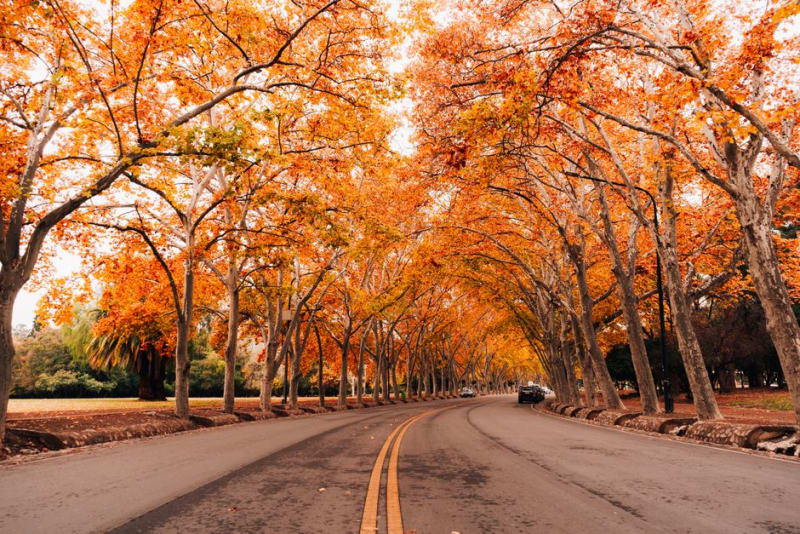
A leafy provincial capital of irrigation-canal-lined avenues, sidewalk cafés, and giant sycamores shading you from the Andean sun.
Explore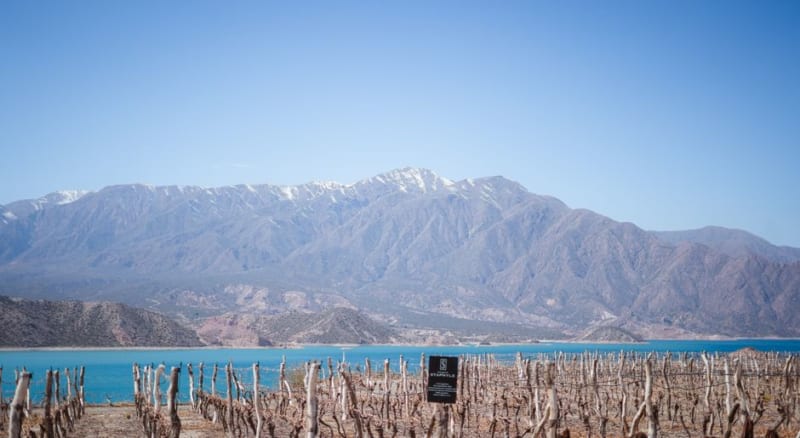 mendoza-wine
 Perdriel
A quiet Luján de Cuyo sub-district where century-old Malbec vines grow low and gnarled in stony, high-elevation soil.
Explore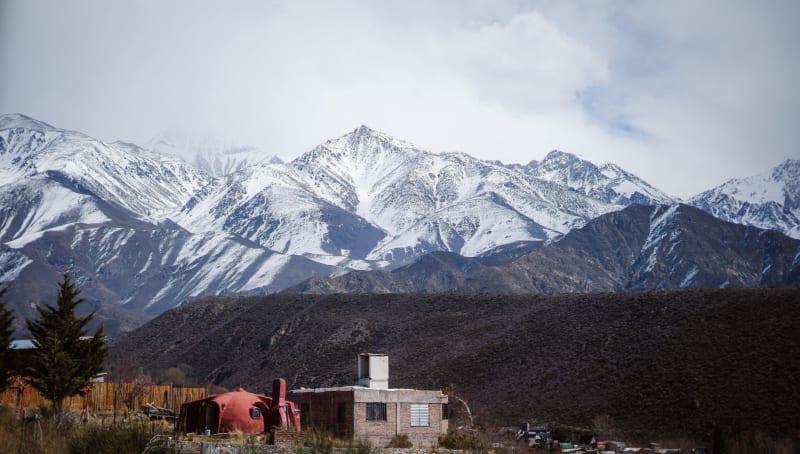 mendoza-wine
 Potrerillos
A mountain village above a turquoise reservoir where the Andes begin in earnest and the drive up from the valley floor is half the reason to go.
Explore mendoza-wine
 San Rafael
Mendoza's southern wine district, 230 kilometres from the city, where Chenin Blanc and Tempranillo grow without an Instagram audience and the Diamante River canyon is an hour away.
Explore mendoza-wine
 Tunuyán
The commercial heart of the Uco Valley, where Clos de los Siete and a string of ambitious bodegas share valley floor with working farms and gaucho culture.
Explore mendoza-wine
 Tupungato
The northern extreme of the Uco Valley, where vineyards push toward 1,500 metres and the volcano of the same name fills the entire western sky.
Explore