
Chacras de Coria
"I missed the last bus back to the city and was not the least bit sorry about it."
A jacaranda-shaded village south of Mendoza city where the restaurants are serious, the pace is slow, and the wine never stops pouring.

I found Chacras de Coria by accident, following a recommendation to eat somewhere — anywhere — that wasn’t in downtown Mendoza. I took a remis south along the Calle Mayor and arrived at the village plaza just as the jacarandas were in full flower, the cobblestones beneath them carpeted in purple petals that hadn’t been swept yet because it was still early and no one here is in any hurry. A dog crossed the plaza at a diagonal. Someone was playing guitar inside a house behind a wall I couldn’t see over. The smell was stone and flowers and something frying in a pan somewhere. I sat down at the first café with chairs on the sidewalk and ordered a cortado and stayed for three hours.
Chacras de Coria is technically part of the Luján de Cuyo department, but it has a character of its own — less bodega tour, more village life that happens to take wine seriously. The main street, Viamonte, runs a few blocks of restaurants, wine bars, antique dealers, and cheese shops, all mixed with the kind of residential architecture — low colonial houses behind garden walls, iron window grilles painted green or black — that hasn’t been bulldozed for tourism infrastructure because nobody quite got around to it. There are no branded hotel groups here. The places to stay are converted family homes with patios and pool tables and breakfast brought out at nine whether you asked for it or not.

The restaurant El Enemigo — a reference to wine critic language about a Malbec so good it becomes “the enemy” of every other bottle on the table — is housed in a low-ceilinged room that was someone’s living room not long ago. The menu changes daily based on what came from the market and what the kitchen feels like doing. I ate a pork rib braised in Cabernet Sauvignon with pickled quince and a mound of mashed potato that had clearly received serious attention, paired with a glass of Gualtallary Malbec from the Uco Valley that cost considerably less than what it was worth. The cooking throughout the village is like this: it doesn’t announce itself, but it is better than it needs to be, in a place too unhurried to bother with pretension.

On Sundays, a market runs along one side of the plaza — locally cured meats, hand-thrown pottery, dried herbs from someone’s garden, and always at least three stalls selling jars of dulce de membrillo, the quince paste that appears at the end of every meal in this part of Argentina alongside a wedge of firm white cheese. The vendors know each other; they argue about football across the tables. The market is not for tourists, though tourists are welcome. It is simply what happens here on Sunday morning, the same way it has been happening for decades. I bought a jar of quince paste and a bottle of Semillón from a woman who told me her grandfather planted those vines and I had no reason to doubt her.
When to go: Year-round — Chacras de Coria is a village rather than a seasonal destination, and the restaurants and wine bars run regardless of harvest calendars. November for jacaranda bloom, which is spectacular. Weekends bring the market and more life on the streets; if you want the place to yourself, come on a Tuesday.
Keep exploring
More from Mendoza Wine Country
 mendoza-wine
 Cordon del Plata
A rugged mountain range west of Mendoza City offering trekking routes toward Cerro Plata, a rare break from the vineyards below.
Explore mendoza-wine
 Gualtallary
A high, stony shoulder of the Uco Valley where chalky soils and brutal altitude produce some of Argentina's most electric Malbec.
Explore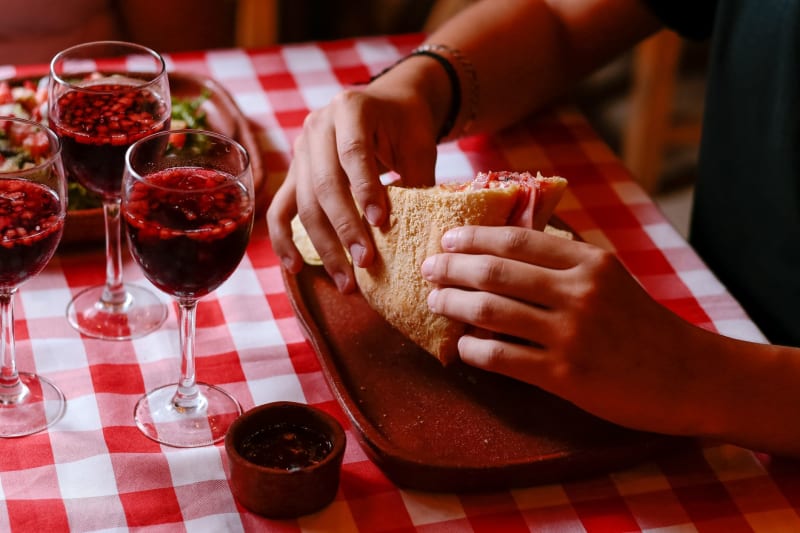 mendoza-wine
 La Consulta
A remote Uco Valley settlement where Zuccardi's best wine comes from and the vineyards at Paraje Altamira are rewriting the world's understanding of Malbec.
Explore mendoza-wine
 Luján de Cuyo
Argentina's first wine DOC, where century-old Malbec vines grow in volcanic gravel thirty minutes south of the city.
Explore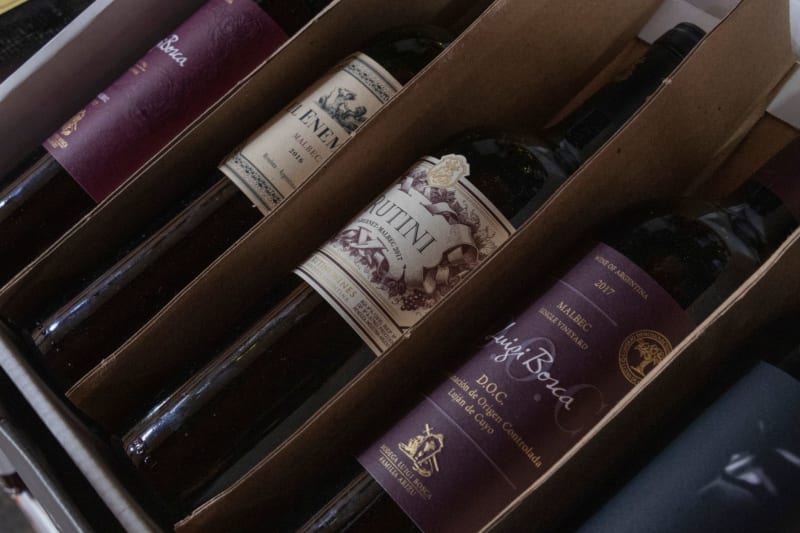 mendoza-wine
 Maipú
The bicycle wine route where family bodegas, olive oil mills, and afternoon empanadas are separated by fifteen minutes of pedalling.
Explore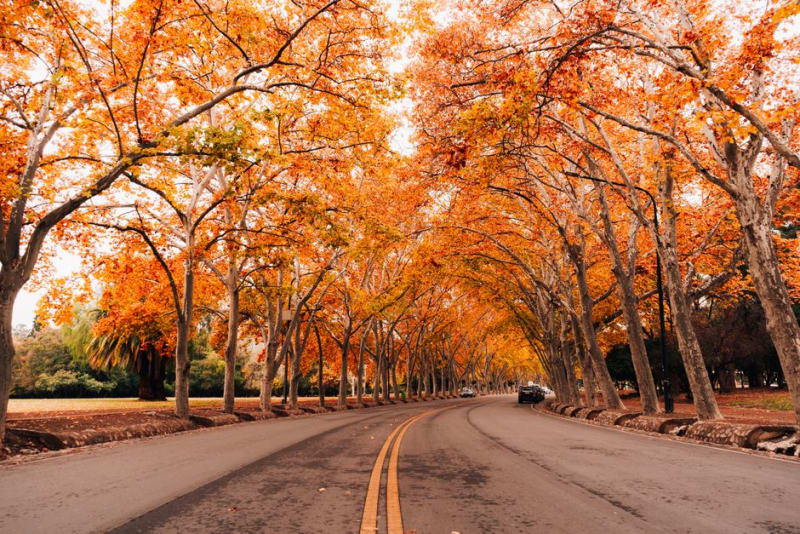 mendoza-wine
 Mendoza City
A leafy provincial capital of irrigation-canal-lined avenues, sidewalk cafés, and giant sycamores shading you from the Andean sun.
Explore