Altamira
"The winemaker handed me a fistful of round white stones and said, 'this is basically the whole story.'"
A high-altitude, gravel-soil district in the Uco Valley where Malbec turns structured and mineral instead of soft and fruity.

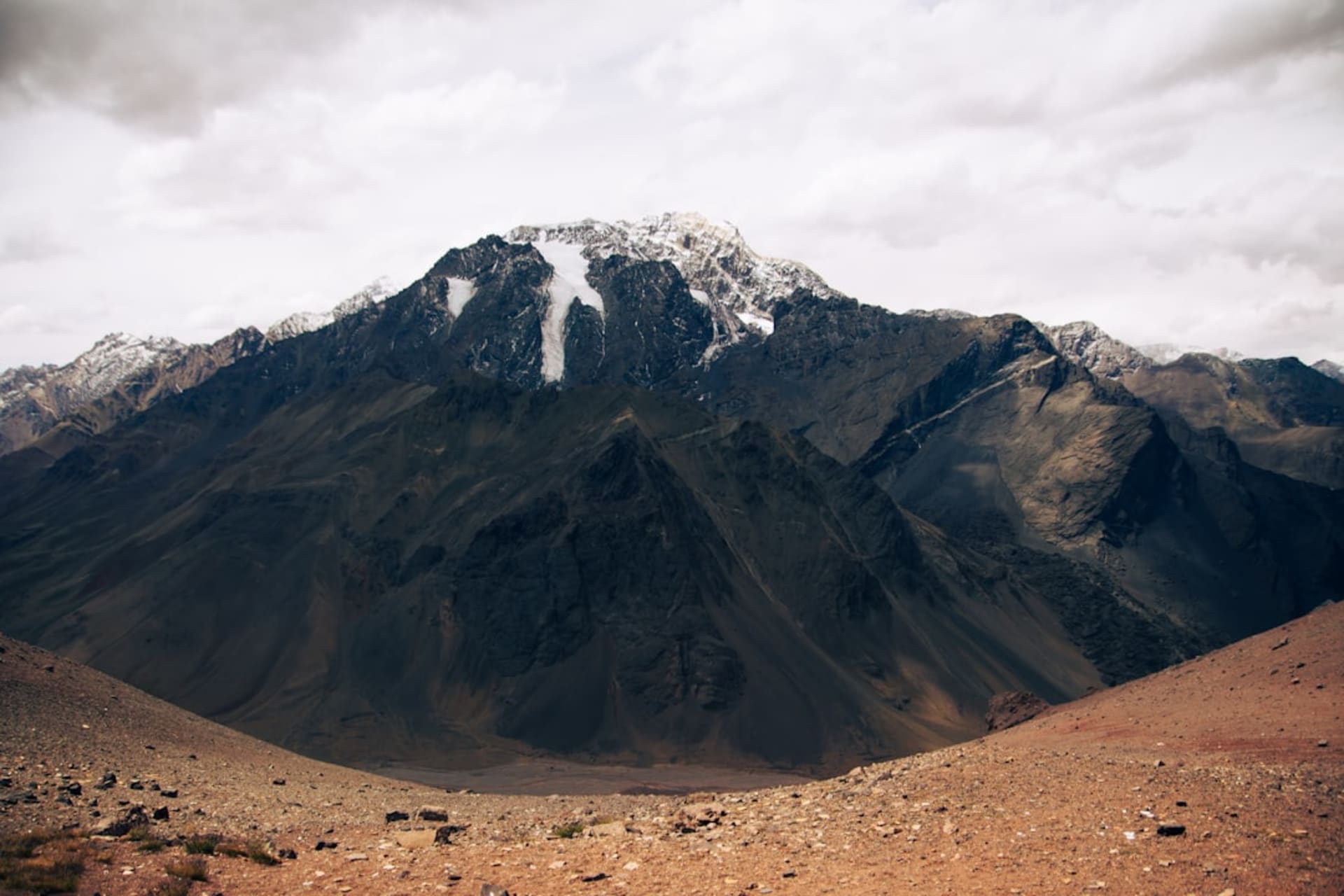
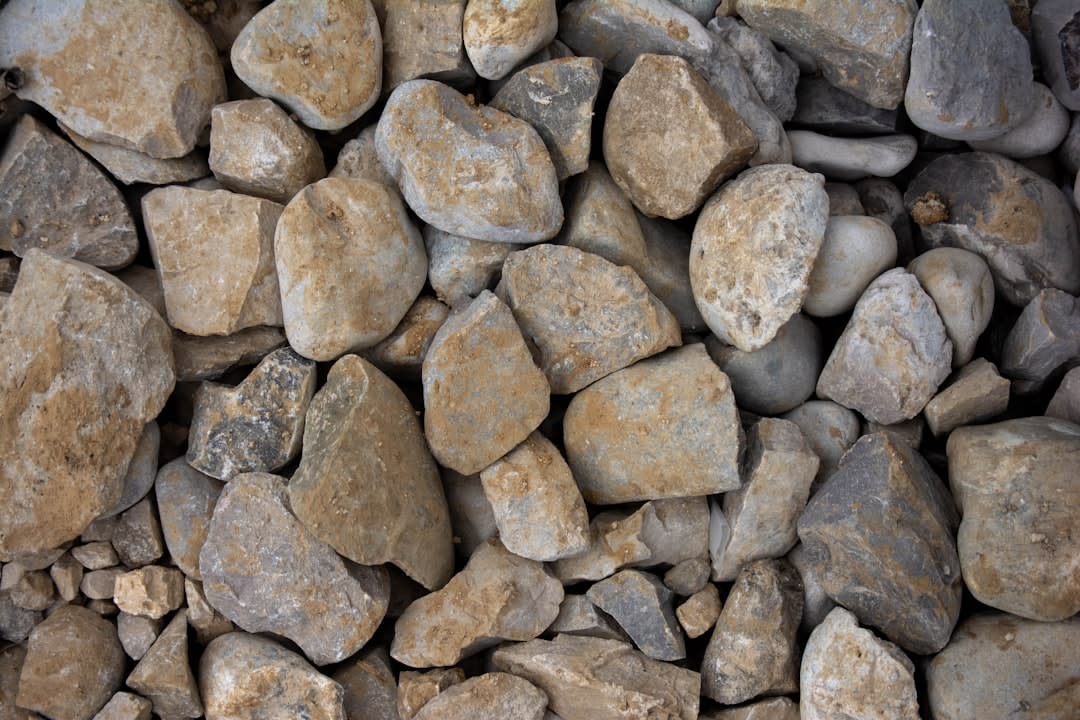
Altamira is the district where I finally understood what people mean when they talk about “terroir” instead of just nodding along politely. Most of the vineyards sit around 1,100 to 1,200 meters, on a bed of calcareous, rounded river stones that go down meters deep in places, and when you walk the rows you can feel it under your boots — it’s not soft dirt, it’s crunchy, pale, almost lunar in some spots. A winemaker there literally bent down, grabbed a handful of these stones, and dropped them in my palm like he was handing me evidence in a trial. His argument: those stones drain fast, reflect heat back up into the fruit during the day, and force the roots to dig deep, and that’s why Altamira Malbec tastes the way it does — tighter, more mineral, less about jammy fruit and more about structure and this kind of savory, almost bloody edge.
I’ll admit I went in skeptical, because winemakers everywhere love talking about soil like it’s destiny. But we tasted three Malbecs back to back — one from the valley floor near the city, one from Vista Flores, one from here — and the Altamira wine was noticeably different, tighter and more austere, needing a good hour in the glass to open up. Lia, who has a much better palate than me, said it reminded her of a good Northern Rhône Syrah more than anything she’d expect from Argentina, which surprised both of us.
The district itself is spread out and rural — think dirt roads, irrigation channels, distant snow on the peaks — and a lot of it is still farmland rather than a wine-tourism circuit in the way Vista Flores or Chacras de Coria have become. That’s part of the appeal honestly. We visited two producers in an afternoon, both by appointment, both fairly no-frills compared to the polished tasting rooms elsewhere in Uco, and both far more interested in talking about soil profiles than selling us merchandise.
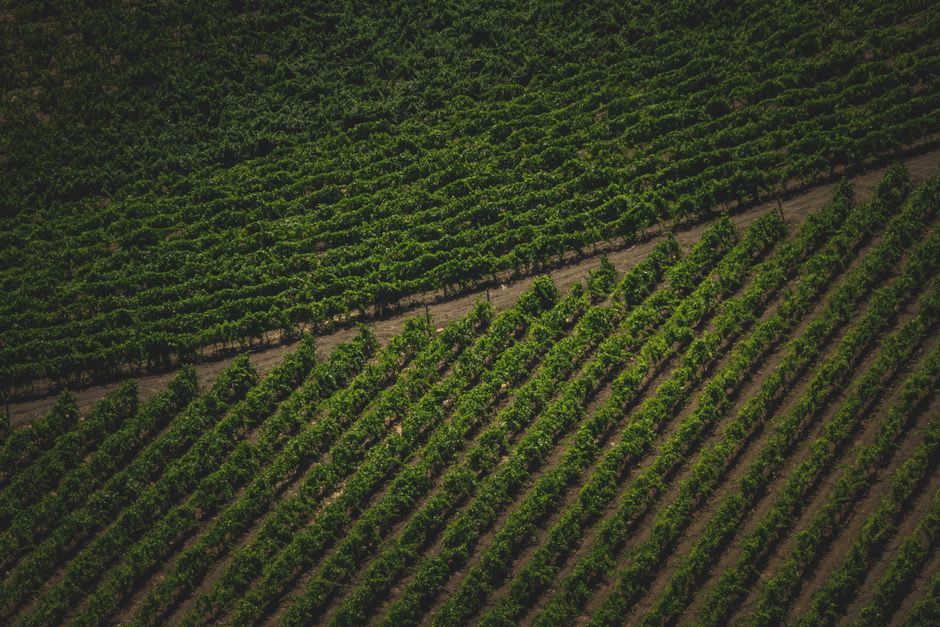
I’d recommend Altamira specifically to anyone who’s already done a couple of tastings elsewhere in Mendoza and wants to actually taste the difference altitude and soil make, rather than just being told about it. It’s not the flashiest stop on a wine route, and there isn’t much to do besides taste and look at rocks, but that’s sort of the point.
When to go: April, right at the tail end of harvest, when you can compare freshly picked fruit against the stony ground it grew from; mornings are cool and clear before the afternoon wind picks up.
Keep exploring
More from Mendoza Wine Country
 mendoza-wine
 Chacras de Coria
A jacaranda-shaded village south of Mendoza city where the restaurants are serious, the pace is slow, and the wine never stops pouring.
Explore mendoza-wine
 Cordon del Plata
A rugged mountain range west of Mendoza City offering trekking routes toward Cerro Plata, a rare break from the vineyards below.
Explore mendoza-wine
 Gualtallary
A high, stony shoulder of the Uco Valley where chalky soils and brutal altitude produce some of Argentina's most electric Malbec.
Explore mendoza-wine
 La Consulta
A remote Uco Valley settlement where Zuccardi's best wine comes from and the vineyards at Paraje Altamira are rewriting the world's understanding of Malbec.
Explore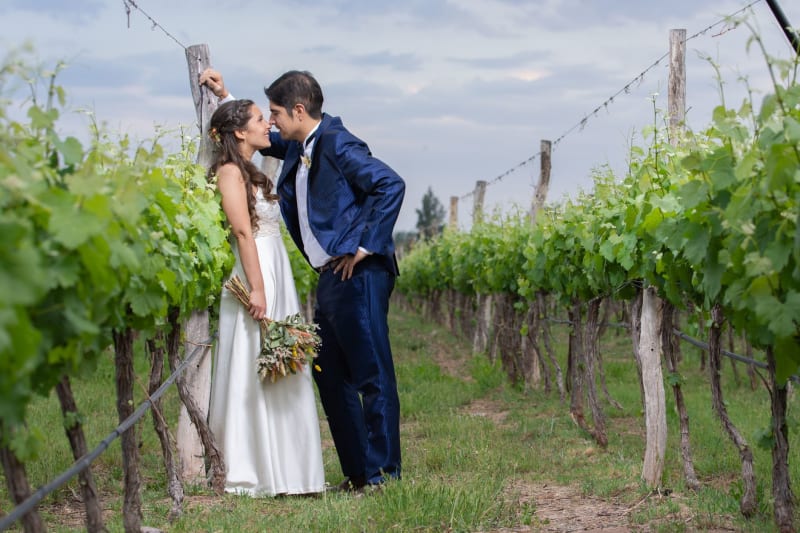 mendoza-wine
 Luján de Cuyo
Argentina's first wine DOC, where century-old Malbec vines grow in volcanic gravel thirty minutes south of the city.
Explore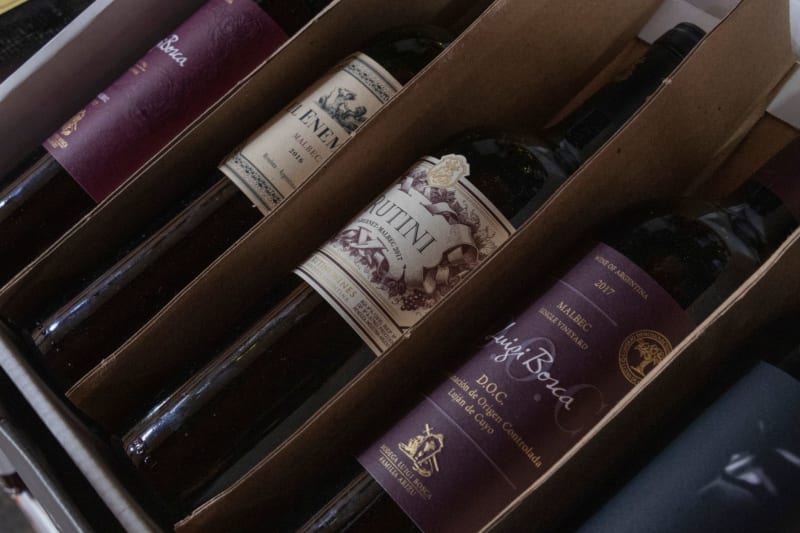 mendoza-wine
 Maipú
The bicycle wine route where family bodegas, olive oil mills, and afternoon empanadas are separated by fifteen minutes of pedalling.
Explore