Siju Caves
"The guide cut the flashlight for ten seconds and I have never heard silence that total in my life."
A sprawling limestone cave system in the Garo Hills, famous for its bat colonies and river-carved passages.

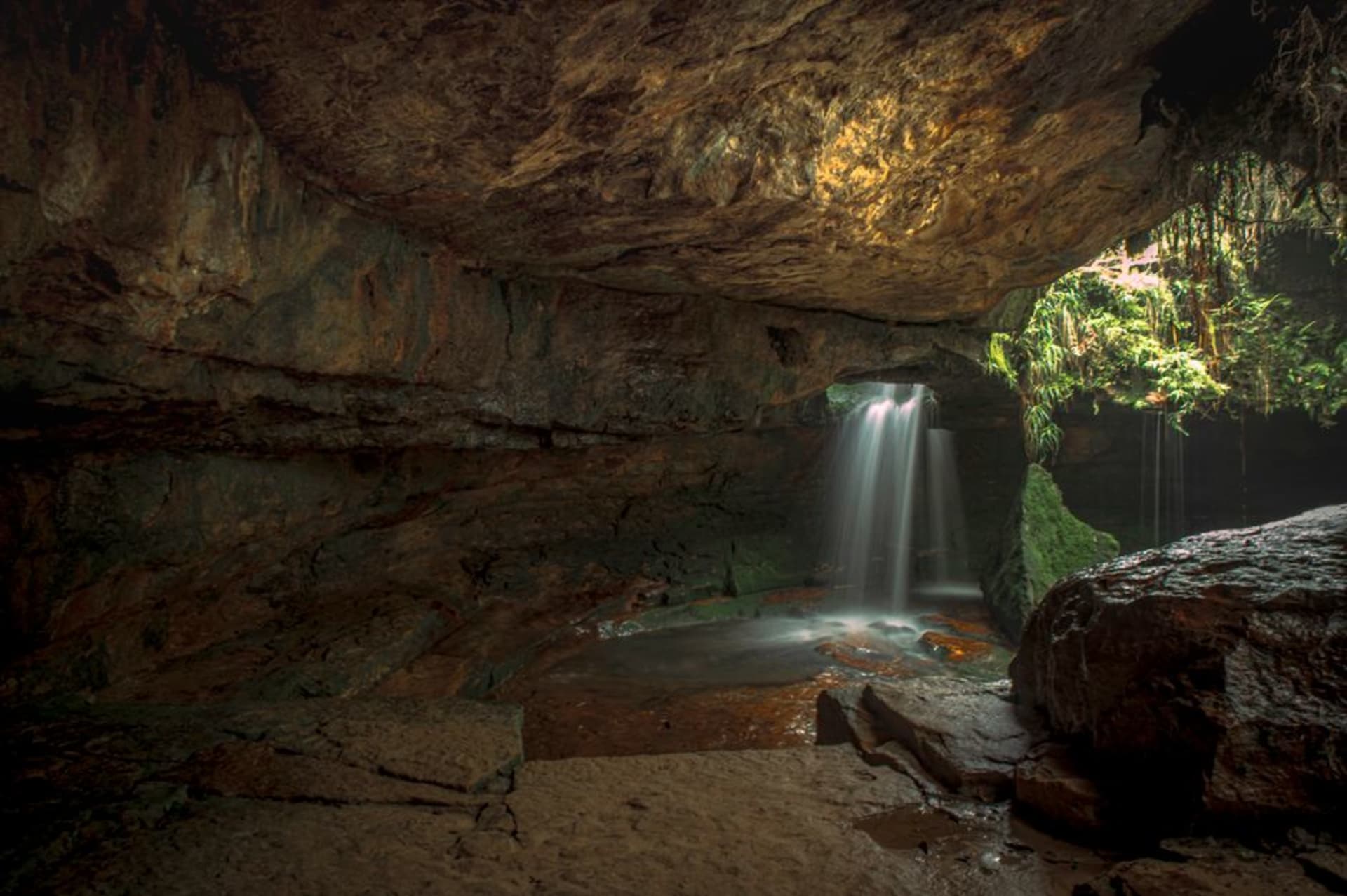
Getting to Siju took longer than the caves themselves, and I mean that as praise for the drive, not a complaint about the destination. The Garo Hills feel like a different Meghalaya from the Khasi side — fewer tourists, rougher roads, more of that feeling of actually being somewhere remote rather than somewhere remote-adjacent. We crossed the Simsang River near the entrance, the water a cloudy jade color, and the cave mouth opens right up from the riverbank, low and dark and a little intimidating even in daylight.
Siju is one of the longer cave systems in India, and we only did the section that’s open without technical caving gear, but even that stretch felt substantial — narrow passages opening into wider chambers, limestone formations dripping down from the ceiling in shapes our guide had names for that I’ve since forgotten. What I haven’t forgotten is the bats. Thousands of them, tucked into crevices and hanging from the higher ceilings, and every so often a cluster would stir and flutter when our voices carried too far, which made Lia grab my arm more than once. The guide seemed completely unbothered, clearly having done this walk a thousand times, occasionally pointing his flashlight at a formation and rattling off facts about the cave’s geology in a tone that suggested he’d rather be somewhere else.
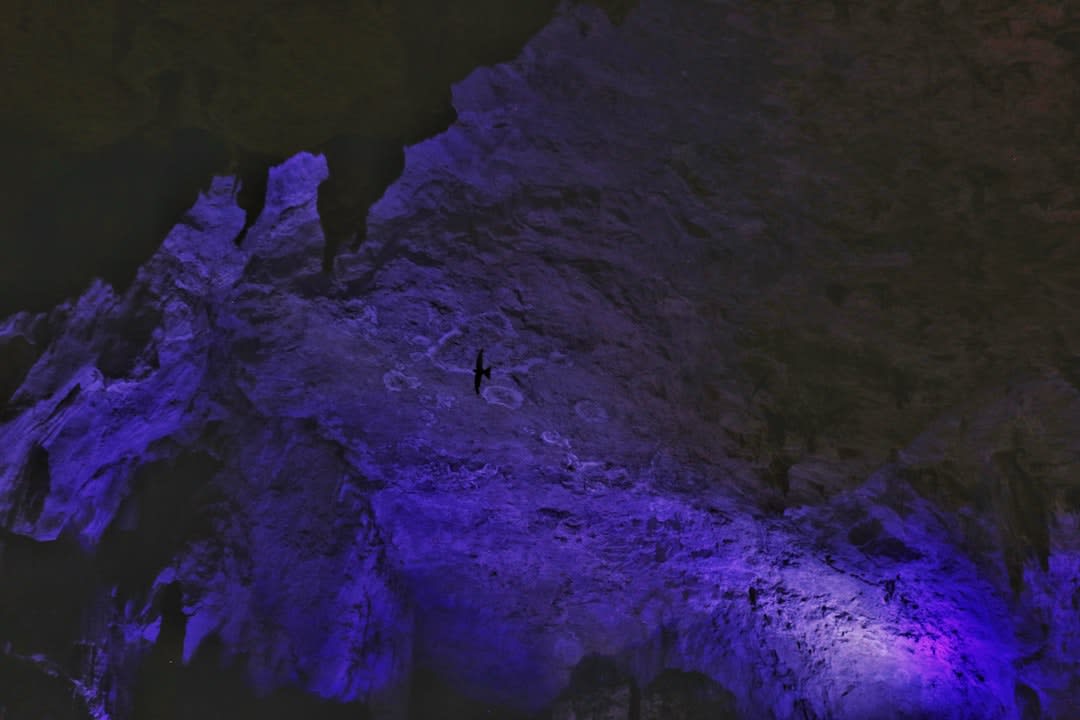
At one point, maybe twenty minutes in, he switched off the flashlight for what he said would be ten seconds, “so you understand what dark actually is.” I’ve been in dark rooms before. I’ve closed my eyes at night. This was different — a total, textureless black where I genuinely couldn’t tell if my eyes were open, punctuated only by the sound of water dripping somewhere and the occasional rustle of wings above us. Ten seconds felt considerably longer than ten seconds. When the light came back on Lia let out a breath she’d clearly been holding the whole time.
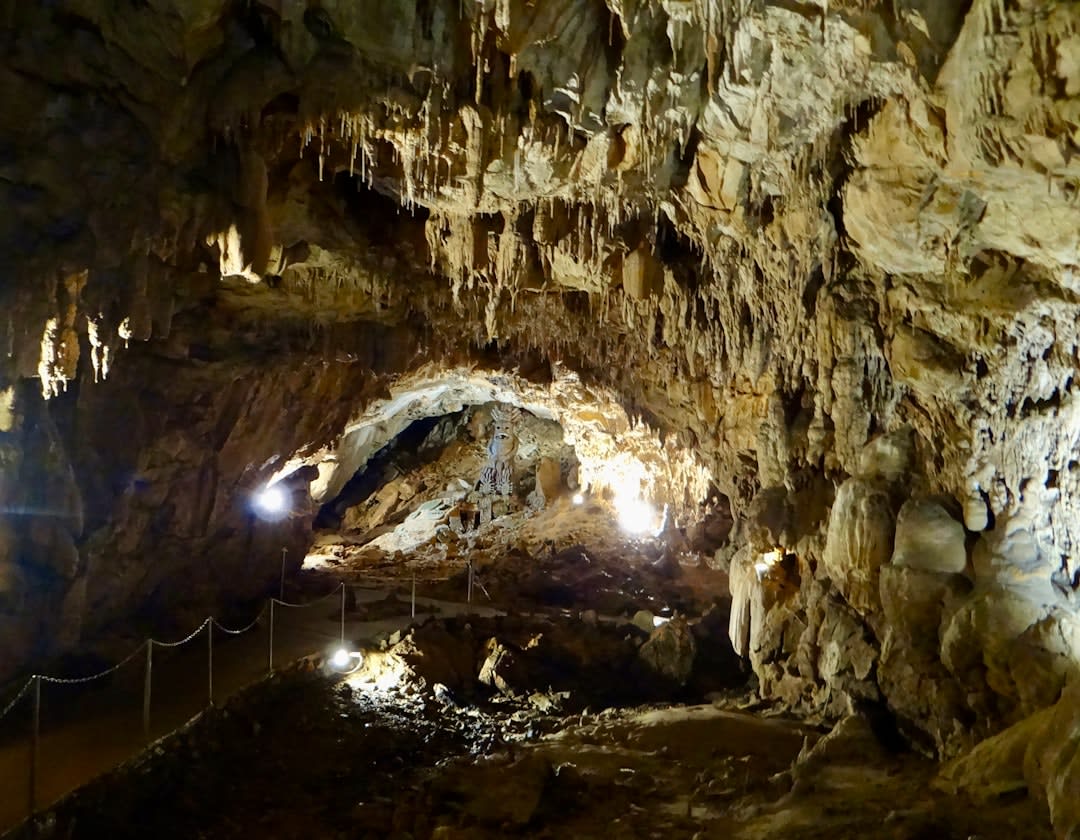
We came out damp, a little muddy, smelling faintly of bat guano in a way that took two showers back at the homestay to fully shake, and genuinely buzzing off the whole experience in a way that surprised me. This wasn’t a polished tourist cave with colored lighting and a gift shop. It felt used, wild, exactly as unglamorous and strange as I’d hoped Garo Hills would be.
When to go: Visit in the cooler, drier months from November to March, when the Simsang River is lower and the approach to the cave entrance is easier to cross on foot.
Keep exploring
More from Meghalaya
 meghalaya
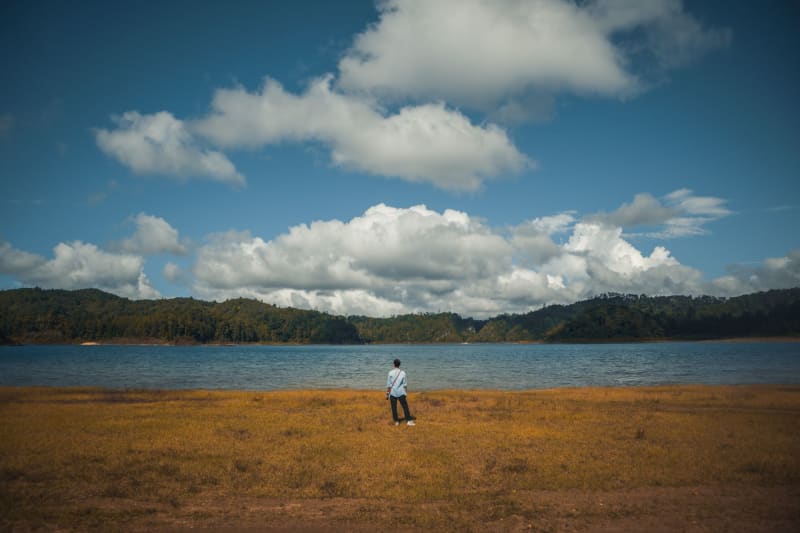
Umiam Lake
A reservoir in the pine hills north of Shillong where the light comes in low at evening and the water turns colours you don't expect in northeast India.
Explore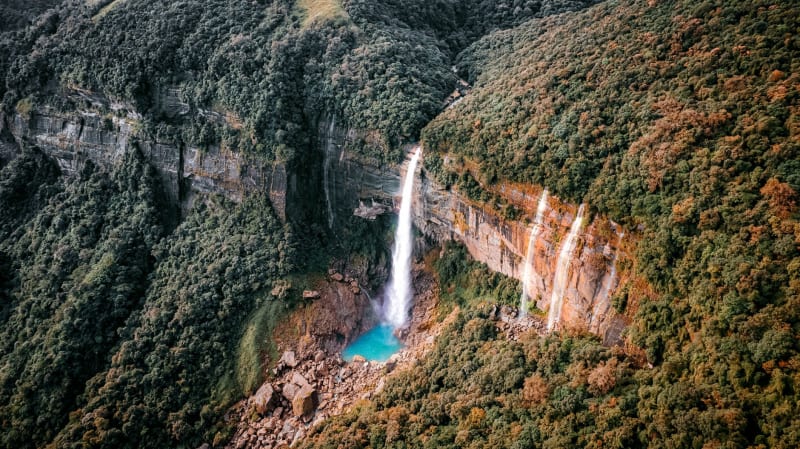 meghalaya
Cherrapunji
The world's wettest place, where waterfalls outnumber roads and Bangladesh appears below the clouds like a rumour.
Explore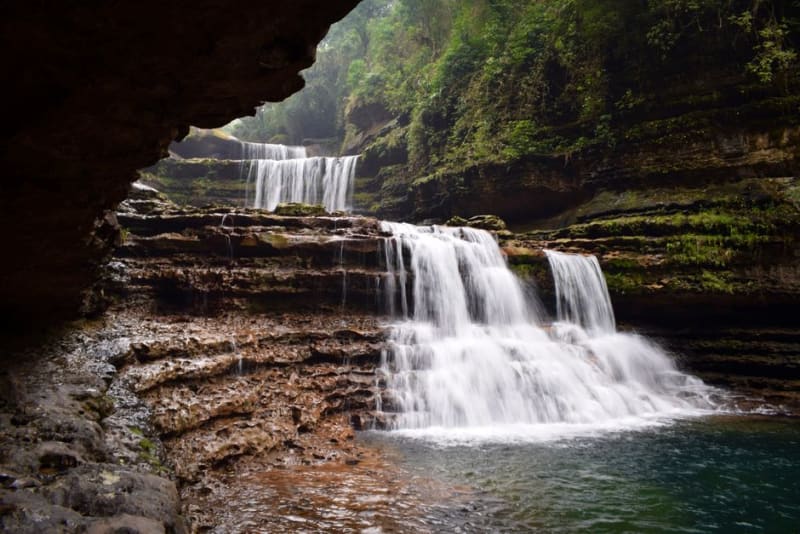 meghalaya
Dainthlen Falls
A wide waterfall near Cherrapunji wrapped in a Khasi legend about a giant serpent slain by local villagers.
Explore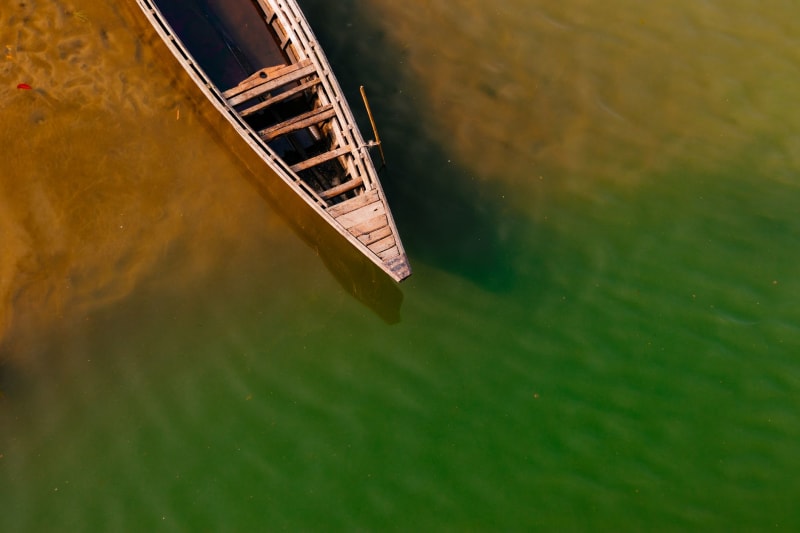 meghalaya
Dawki
A border river so clear that boats appear to float in mid-air above a stone bed you can count pebbles on from twenty metres up.
Explore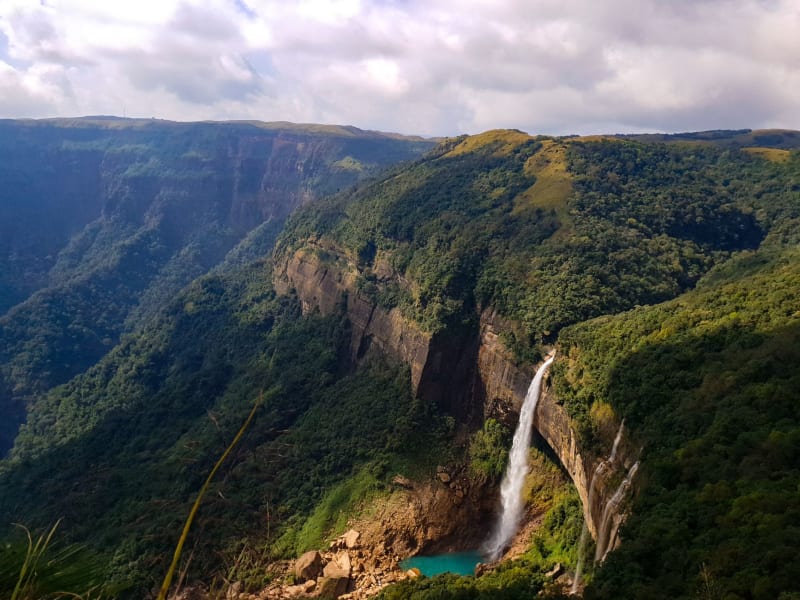 meghalaya
Garo Hills
Meghalaya's western third, where the Garo people, sacred elephant forests, and the ancestor of all citrus fruit occupy the same remote plateau.
Explore meghalaya
Jaintia Hills
Meghalaya's eastern district, where coal mines scar the plateau and sacred groves hide older forest that the rest of the hills have already lost.
Explore