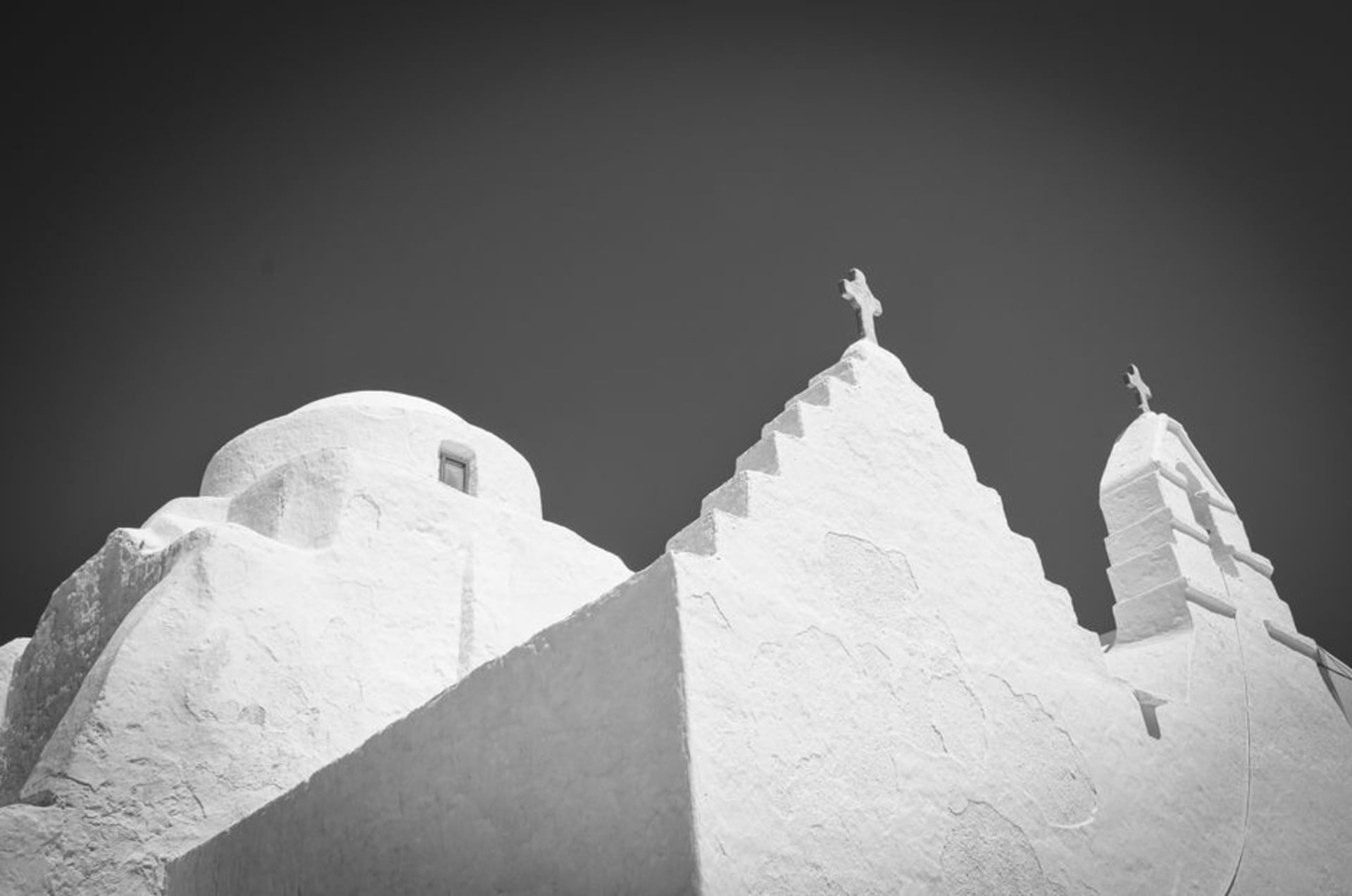
Zociste Monastery
"A monk showed us a photo of the ruins on his phone before he even said hello, like he needed us to understand what it took to get back here."
A quiet medieval monastery near Prizren, burned down in 1999 and slowly rebuilt, now standing again among orchards at the edge of a small village.

We drove out to Zociste Monastery on a recommendation from someone in Prizren who said it plainly: “go before you decide Kosovo’s monasteries are all the same.” He was right to push us. Dedicated to the healer saints Cosmas and Damian, the monastery dates back to the medieval period and was, for centuries, a modest pilgrimage site tucked into farmland outside the village of Zociste, not far from Prizren. Then in June 1999, in the chaos right after the war, it was burned and largely destroyed. What we walked into wasn’t ruins, though — it’s been rebuilt, patiently, over the past two decades, and that rebuilding is really the story of the place now.
The monk who greeted us, one of just a few living there, didn’t speak much English but was clearly used to visitors wanting the history explained. He pulled up old photos on a cracked phone screen: blackened stone, a collapsed roof, weeds through the nave. Comparing that to what stood in front of us — whitewashed walls, a fresh red-tiled roof, icons back on the walls — was genuinely moving in a way I didn’t expect from what I’d assumed would be a quick, forgettable stop.

What struck me most was the orchard surrounding the complex. Rows of fruit trees, tended by the small community that lives there, give the whole place a working, lived-in feel rather than a museum-piece one. Lia and I sat on a low stone wall for a while, eating plums we’d been handed without really asking for them, watching bees move through the trees. It’s the kind of quiet that feels earned rather than accidental, given what the site went through.

Getting there requires a short drive off the main Prizren road and a bit of patience with unmarked turns, but it’s worth it precisely because so few people make the effort. Unlike the more famous Visoki Dečani or Patriarchate of Peć, Zociste doesn’t draw coach tours or day-trippers from Pristina. It draws almost nobody, which is its own kind of argument for going.
When to go: Late summer or early autumn, when the orchard is heavy with fruit and the monks are more likely to be out working the trees rather than only inside.
Keep exploring
More from Kosovo
 kosovo
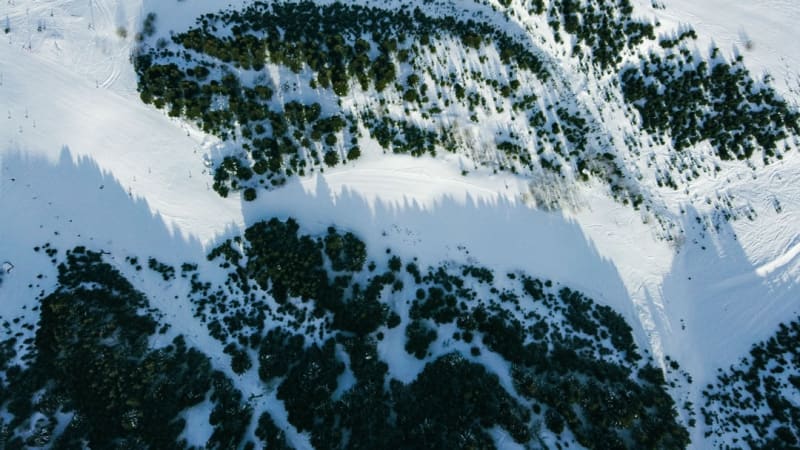
Brezovica
A Yugoslav-era ski resort on the Sharr Mountains that combines genuinely good alpine terrain with the aesthetic of a time capsule nobody quite got around to opening.
Explore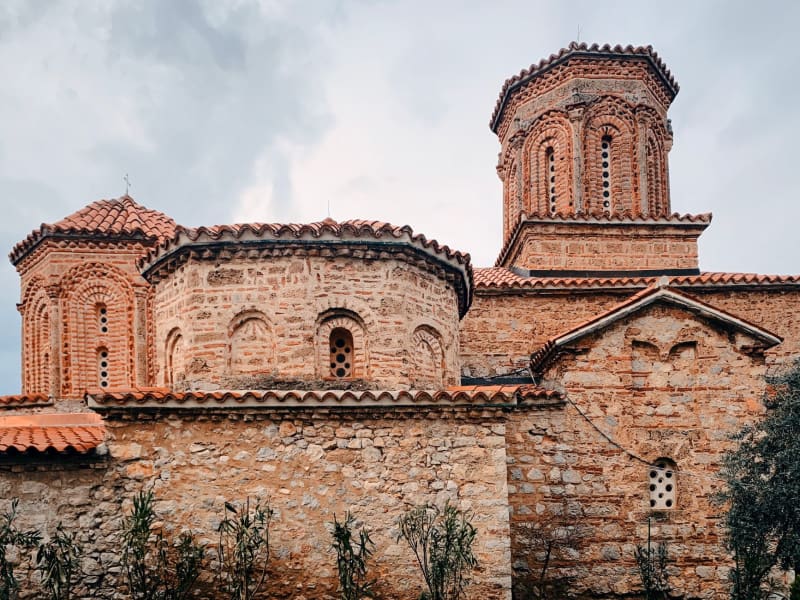 kosovo
Dečani Monastery
A 14th-century white marble monastery in the mountain foothills that stopped me mid-step and made me reconsider what 'well-preserved' actually means.
Explore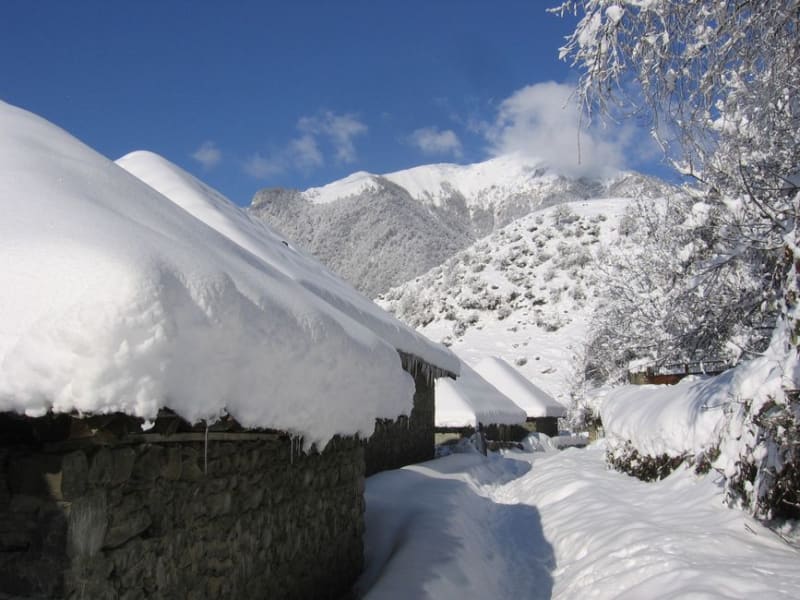 kosovo
Dragash
A remote mountain municipality in the Sharr range where the Gorani minority still keeps its own dialect, food, and quiet stone villages alive.
Explore kosovo
Ferizaj
A no-nonsense railway city that grew up around a station on the old Balkan line to Thessaloniki, still running on that same working rhythm today.
Explore kosovo
Marble Cave of Gadime
A farmer digging for water in 1966 stumbled onto two million years of stone, and now you can walk through it near Pristina.
Explore kosovo
Gjakova
Kosovo's most preserved Ottoman bazaar town, where the craftsmen still work by hand, the pace is unhurried, and nobody seems to be performing for anyone.
Explore