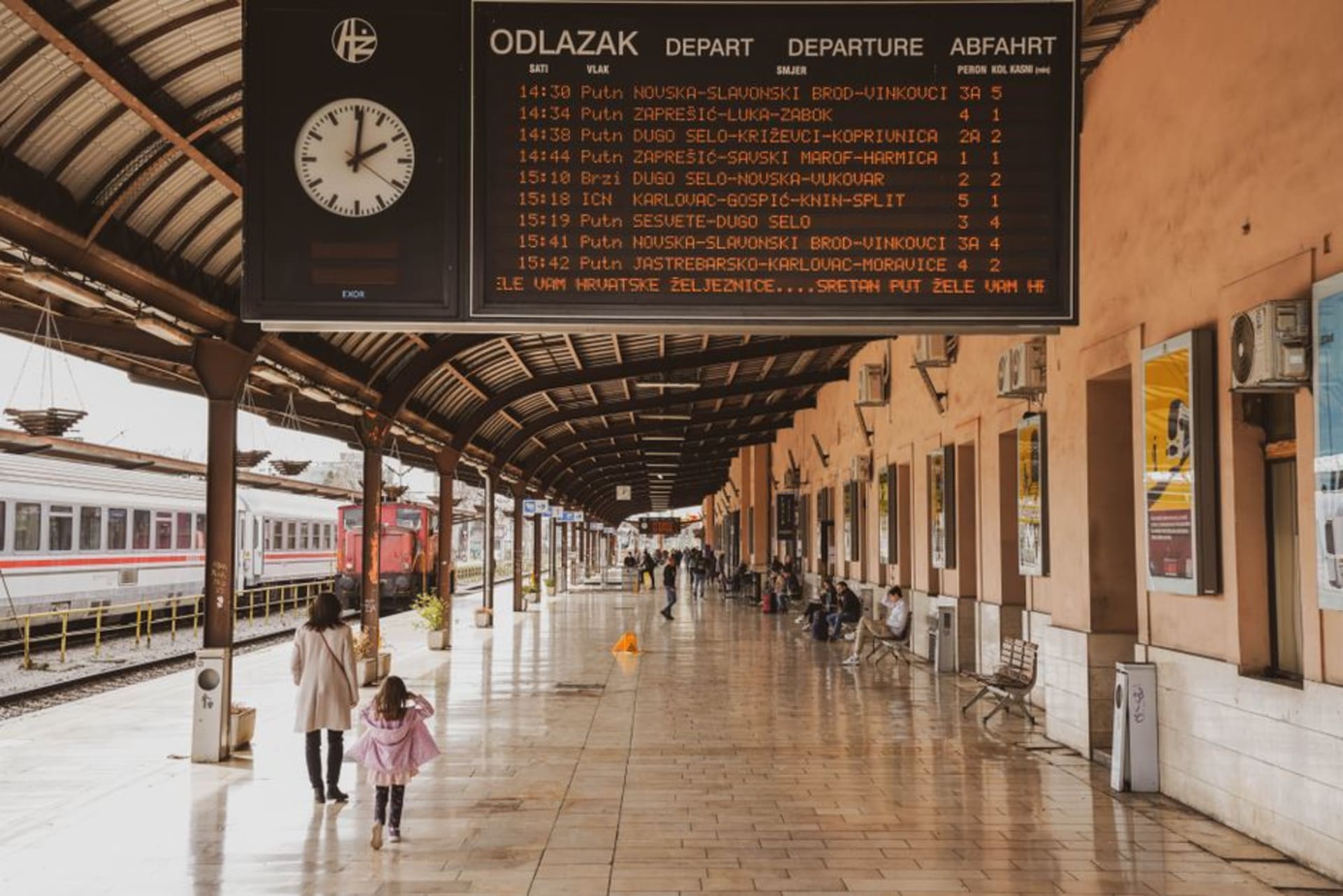
Ferizaj
"The station clerk told me the Thessaloniki line hasn't run through here in years, but people still call it the train town."
A no-nonsense railway city that grew up around a station on the old Balkan line to Thessaloniki, still running on that same working rhythm today.

Ferizaj is a place I recommend to people who ask me for something that isn’t Instagram bait, because there genuinely isn’t much here to photograph and that’s exactly what makes it interesting. The whole city exists because of a train station. In the late nineteenth century, when this stretch of the Balkans belonged to the Ottoman railway network connecting Skopje to Thessaloniki, a stop was built where nothing much had been before, and a town grew up around the tracks. That practical, unglamorous origin story is still legible if you know to look for it — the grid of streets radiating from the station, the utilitarian brick buildings, the sense of a place organized around infrastructure rather than a castle or a church.
We came through on our way south and stopped mostly out of curiosity about the station itself, which still functions, though nowhere near the volume it must have carried a century ago. A handful of trains a day now run the domestic line rather than anything crossing into North Macedonia or Greece. I stood on the platform for a few minutes watching an old passenger car sit idle, rust creeping along its undercarriage, and thought about how much history gets compressed into infrastructure nobody notices anymore.

Downtown Ferizaj itself is unpretentious in a way I’ve come to appreciate about Kosovo’s secondary cities — a central square, some decent bakeries, a scattering of cafés where we got coffee that was better than it had any right to be for the price. Lia pointed out that unlike Prizren or Gjakova, there’s almost nothing Ottoman or Habsburg left to look at; most of what stands today is mid-twentieth-century or later, rebuilt after wars and demolitions that hit this corner of Kosovo especially hard. It gives the city a slightly blank, functional feel, but not an unfriendly one.

I wouldn’t build a whole trip around Ferizaj, and I don’t think anyone should pretend otherwise. But if you’re driving the main road between Pristina and Prizren, which most travelers do at some point, it’s worth the fifteen-minute detour off the highway just to stand at that station and register how a rail line, more than any king or empire, decided where a city would exist.
When to go: Any season works since this is mostly an outdoor-walking, quick-stop kind of place; avoid arriving on a Sunday morning if you want the cafés and bakeries actually open.
Keep exploring
More from Kosovo
 kosovo
Marble Cave of Gadime
A farmer digging for water in 1966 stumbled onto two million years of stone, and now you can walk through it near Pristina.
Explore kosovo
Gjakova
Kosovo's most preserved Ottoman bazaar town, where the craftsmen still work by hand, the pace is unhurried, and nobody seems to be performing for anyone.
Explore kosovo
Gjilan
An easygoing eastern market town near the North Macedonian border with a lively bazaar street and none of the pretension of Pristina.
Explore kosovo
Gračanica Monastery
A 14th-century Byzantine marvel ten kilometres from Pristina whose interior frescoes are so vivid they make the outside world feel temporarily drained of colour.
Explore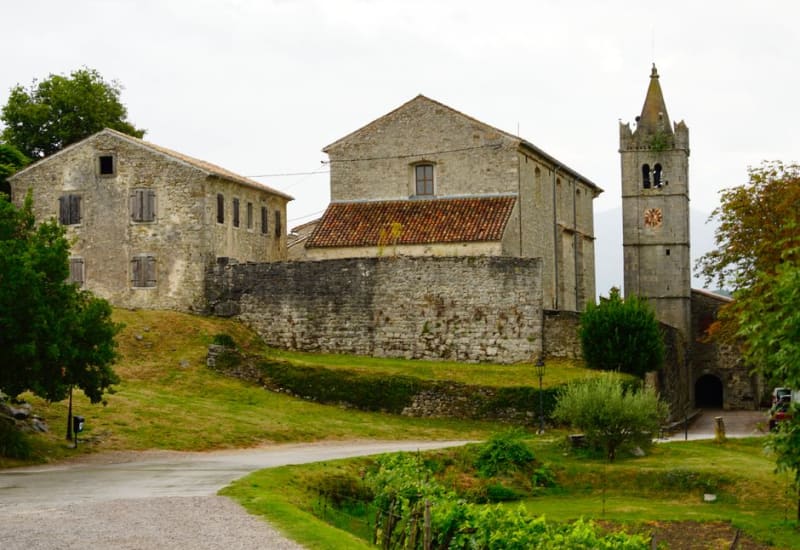 kosovo
Janjeve
A hillside Croatian Catholic village in central Kosovo where an old stone church still rings its bells over empty stone houses.
Explore kosovo
Mirusha Waterfalls
A chain of thirteen emerald lakes connected by waterfalls through a limestone canyon that most Kosovo visitors manage to miss entirely.
Explore