
Kosovo's most preserved Ottoman bazaar town, where the craftsmen still work by hand, the pace is unhurried, and nobody seems to be performing for anyone.

I came to Gjakova on a Thursday afternoon, having been told by someone in Prizren that the market was worth it. The person who told me this was right, but so was everything else about the town that I hadn’t been told about: the long bazaar that runs for several hundred metres without any concession to modernity, the sound of a coppersmith hammering in a rhythm that suggested he had been at it since before I was born, the coffee that arrived in a džezva with a small piece of loukoum on the side, the way the afternoon light hit the wooden shopfronts and turned them the colour of old honey.
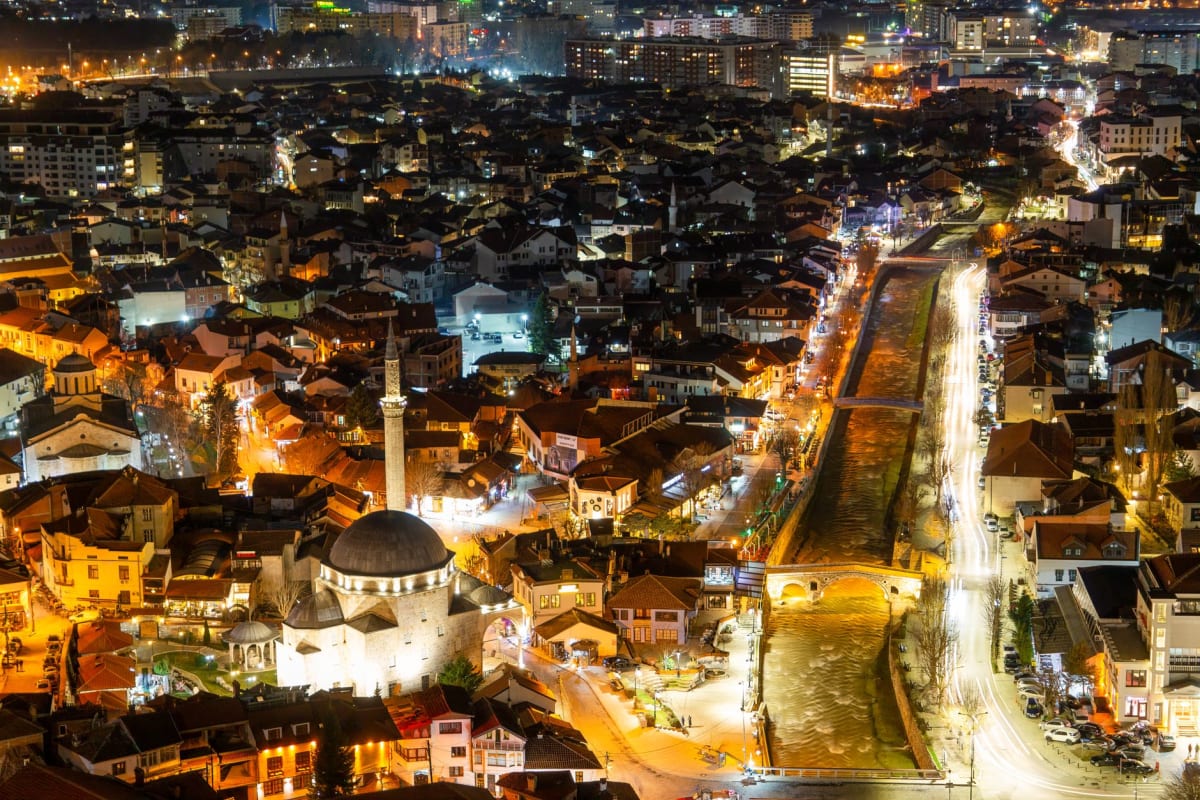
The Çarshia e Gjatë — the Long Bazaar — is Gjakova’s defining space, a covered Ottoman market street that stretches through the heart of the old town and has been doing so, largely uninterrupted, since the 15th century. Unlike some preserved bazaars that have converted entirely to tourism, Gjakova’s still operates as a working market: butchers, ironmongers, tailors, a man who sharpens knives with a portable grinding wheel, a woman selling herbs from a basket. The tourist shops exist too, selling filigree jewellery and embroidered textiles, but they do not dominate, and the character of the place is set by the people who actually live here.

The Hadum Mosque, built in the 16th century, anchors the bazaar’s eastern end with a quiet authority. Its courtyard has a fountain and walnut trees and a population of cats that have clearly worked out that the courtyard of a mosque is one of the more secure and comfortable positions available to a cat in a Balkan city. I sat on the low wall of the courtyard for twenty minutes, listening to the hammering from the bazaar and the occasional call to prayer rolling over the rooftops, and felt the specific pleasure of a place that does not require you to do anything except be present.
Gjakova was heavily damaged in the 1998–99 war — much of the bazaar was burned — and the reconstruction that followed has been careful and largely faithful to the original character. Kosovars tell this story matter-of-factly, without self-pity, which makes it somehow heavier rather than lighter. Walking the lanes knowing that most of what you see was rebuilt within the last twenty-five years makes the achievement more impressive, not less.
The food follows the Kosovo pattern — grilled meats, burek, spinach and cheese pies, stewed beans — but the guesthouses in the old quarter serve home-cooked versions that feel categorically different from the restaurant versions. I ate fli in a room above the bazaar, a slow-layered pie cooked under a domed metal lid piled with embers, dense and slightly smoky, served with soured cream. It is the kind of food that makes you understand that a cuisine is not just flavour but method.
When to go: May through September works well, with spring particularly pleasant when the mountains west of town still hold snow. The bazaar operates year-round, but the outdoor terrace life concentrates in the warmer months. The autumn grape harvest brings a certain mellowness to the whole region that I found irresistible.
Keep exploring
More from Kosovo
 kosovo
Gjilan
An easygoing eastern market town near the North Macedonian border with a lively bazaar street and none of the pretension of Pristina.
Explore kosovo
Gračanica Monastery
A 14th-century Byzantine marvel ten kilometres from Pristina whose interior frescoes are so vivid they make the outside world feel temporarily drained of colour.
Explore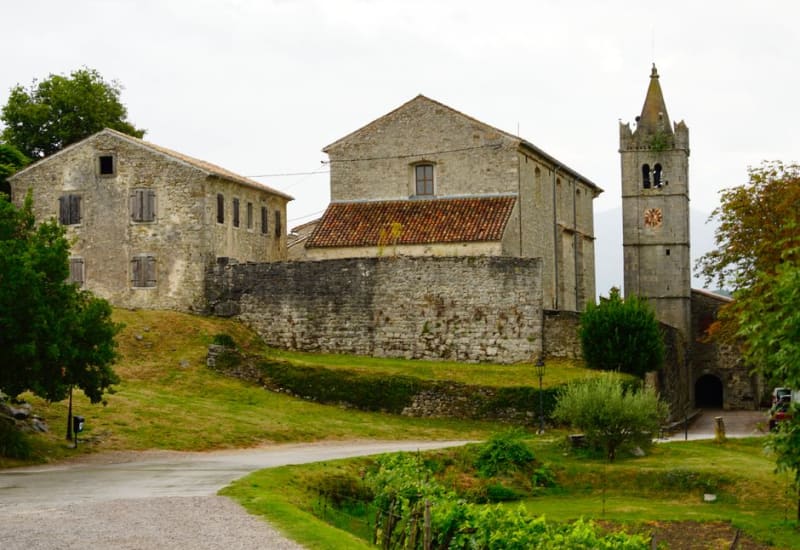 kosovo
Janjeve
A hillside Croatian Catholic village in central Kosovo where an old stone church still rings its bells over empty stone houses.
Explore kosovo
Mirusha Waterfalls
A chain of thirteen emerald lakes connected by waterfalls through a limestone canyon that most Kosovo visitors manage to miss entirely.
Explore kosovo
Mitrovica
A city cut in two by the Ibar River, where the bridge between the Albanian south and the Serbian north is the most loaded thirty-metre walk in the western Balkans.
Explore kosovo
Novo Brdo Fortress
A crumbling hilltop fortress in eastern Kosovo that once guarded the silver mines financing a medieval empire.
Explore