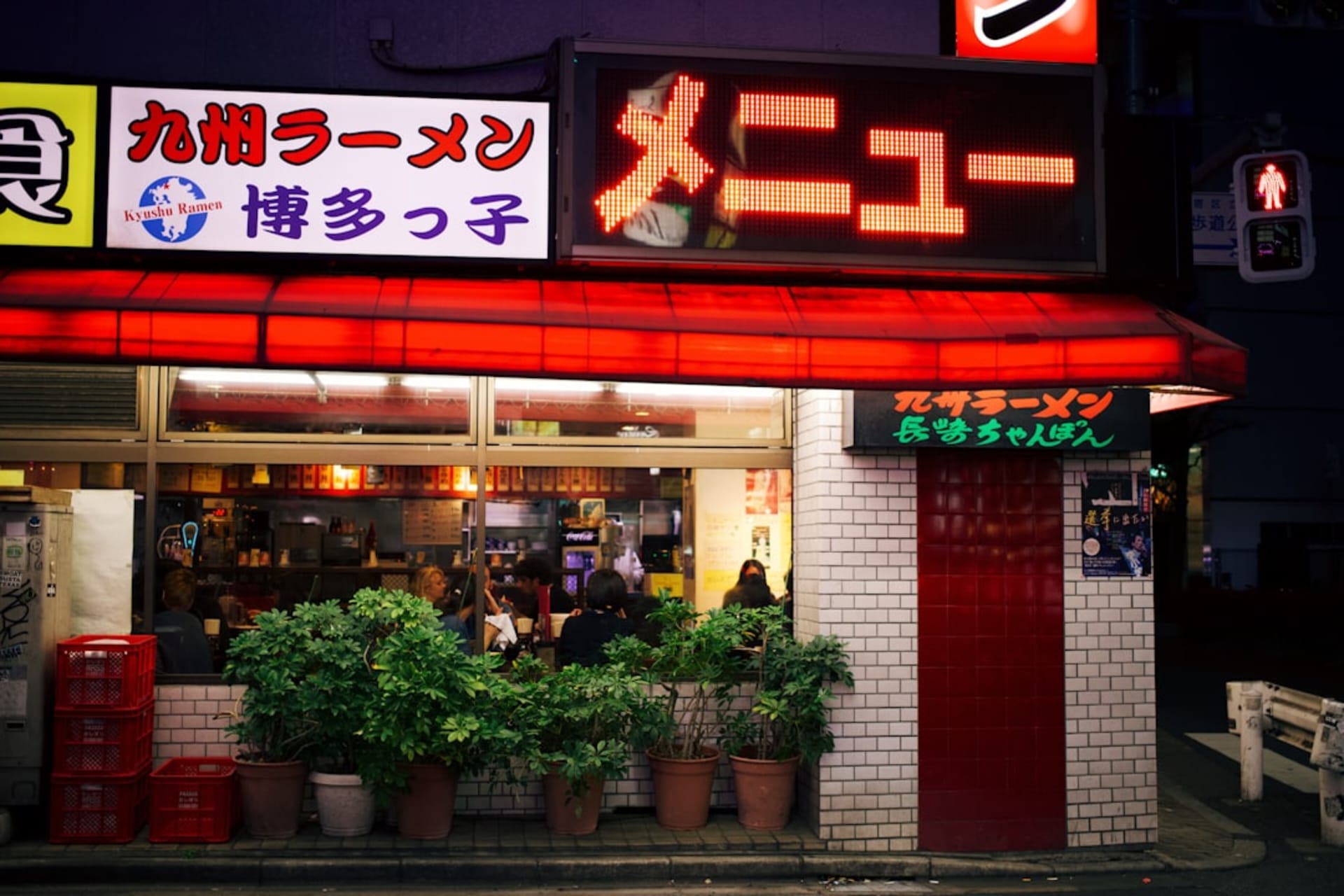
Yame
"The tea master handed us a cup and told us to just be quiet with it for a minute. We were."
A mountain town that has grown prized shade-grown hon-gyokuro tea since a Zen priest brought cultivation techniques back from China, equally known for handmade Buddhist altars, paper lanterns, and a preserved Edo-era merchant district.

We drove up into the hills above Kurume mostly on the strength of a single word, gyokuro, which a friend in Fukuoka had used with the kind of reverence people usually reserve for wine regions. Yame, it turns out, has been growing this shade-grown green tea since a Zen priest returned from study in China centuries ago carrying cultivation techniques the region has refined ever since, and its hon-gyokuro is considered among the finest in Japan. Neither Lia nor I is much of a tea connoisseur, but by the end of our first cup in a small hillside farmhouse, I understood why people made the drive.
Tea in the Shade
Gyokuro is grown under cover, shaded from direct sun for weeks before harvest, a process that mellows the leaf and deepens its flavor into something sweeter and less astringent than ordinary sencha. We visited a small family farm where the owner walked us between rows of bushes still draped in dark shading cloth, explaining the timing and instinct involved in deciding exactly when to pull it back. Inside, he brewed a proper gyokuro slowly, at a lower temperature than we expected, and told us to just sit with the first sip rather than rush it. Lia, usually the more impatient of us two, actually obeyed, and admitted afterward it tasted like nothing she’d had from a teabag in her life.

Altars, Lanterns, and Old Craft
Yame’s other reputation is for handmade Buddhist altars and paper lanterns, crafts formally recognized as nationally important traditional industries, and a small workshop let us watch a craftsman apply gold leaf to an altar panel with a patience that made our tea ceremony look rushed by comparison. In another corner of town, a lantern maker showed us how bamboo frames are wrapped in washi paper and painted by hand, each piece taking days of careful, repetitive work. It’s easy to see these crafts and think “souvenir,” but standing in workshops that had clearly been doing this for generations, the distinction between craft and heirloom started to blur.

Wandering the Old Merchant Quarter
We spent our last afternoon walking Yame’s preserved district of white-walled Edo-era merchant houses, their kura storehouses and lattice windows largely intact along quiet streets that see relatively few tourists compared to bigger names elsewhere in Kyushu. A shopkeeper in one of the old buildings, now selling tea and local sweets, told us the district survived largely because Yame never grew fast enough to bother tearing it down, which felt like an oddly honest explanation for a place this well preserved. We left with more tea than we could reasonably justify and a lantern Lia insisted would somehow fit in our luggage.

Getting There
Yame sits inland from Fukuoka City, reachable by car in a little over an hour, or by bus connections via Kurume if you’d rather not drive. A rental car makes it much easier to reach the hillside tea farms scattered outside the town center, though the historic merchant district and craft workshops are walkable once you’re in Yame itself. Tea farms are generally happy to host visitors for tastings, but it’s worth calling ahead, since harvest schedules and shading cycles can affect what’s available to see.
Keep exploring
More of Kyūshū & Okinawa
Keep exploring
More from Kyūshū & Okinawa
 japan
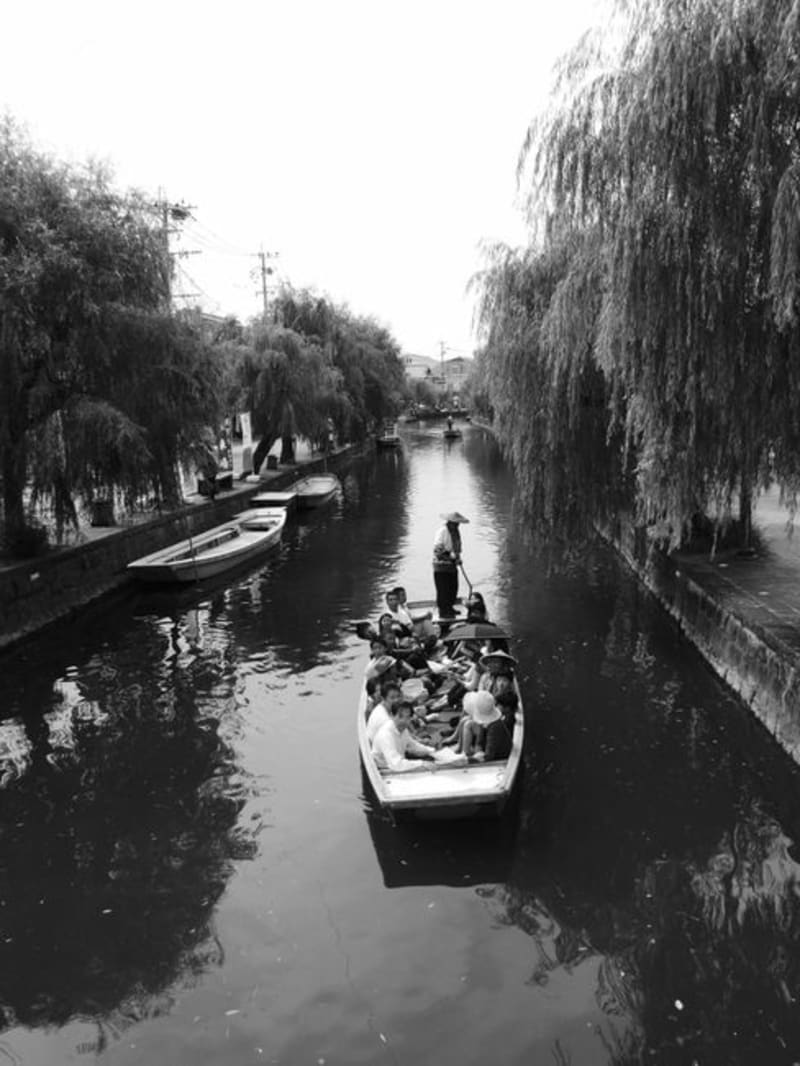
japan Yanagawa
A quiet town in southern Fukuoka laced with old castle moats, where flat-bottomed boats are still poled between willow-lined banks. Yanagawa moves at the speed of water and the drift of a punting song.
Explore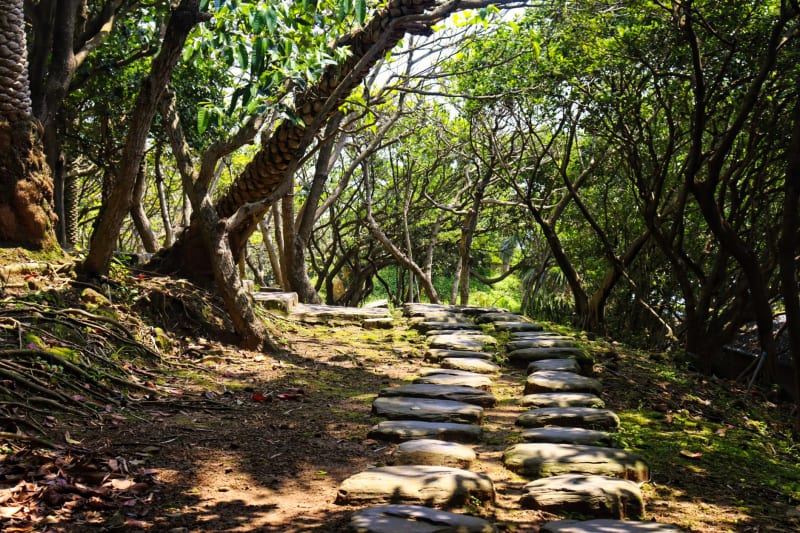 japan
japan Yanbaru Forest
The last great subtropical forest of Japan — home to flightless rails, rare woodpeckers, and a silence the south of the island never offers.
Explore japan
japan Yoron Island
Kagoshima Prefecture's southernmost point, closer to Okinawa than to the rest of Kyushu, famous for a pure white sandbar that surfaces offshore only at low tide before vanishing back under the waves within hours.
Explore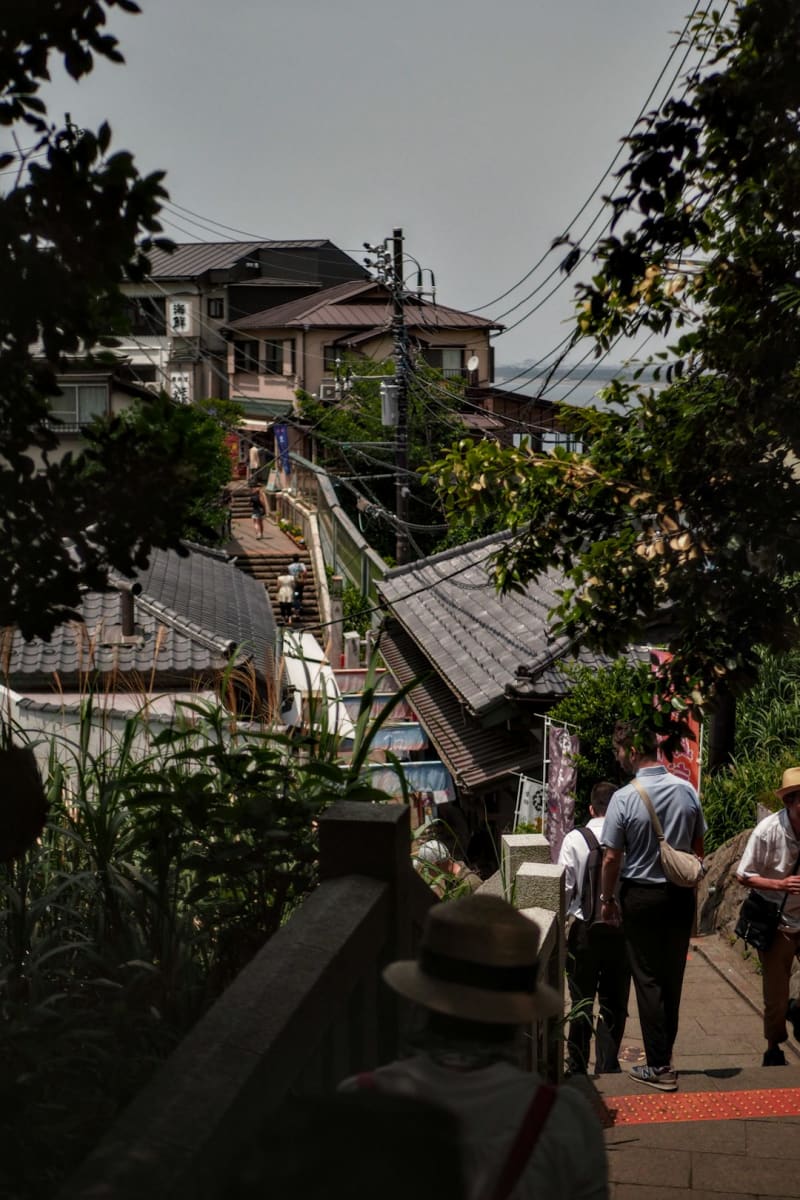 japan
japan Yufuin
A genteel onsen and craft village in the Ōita hills beneath the twin peaks of Mount Yufu. Misty morning lakes, small galleries, quiet ryokan, and a slower kind of Japan.
Explore japan
japan Zamami Island
A one-hour ferry from Naha delivers you to water so clear and coral so alive it makes tropical beaches elsewhere feel like imitations.
Explore japan
japan Amakusa Islands
An archipelago of over a hundred islands stitched together by bridges off Kumamoto, where wild dolphins surface for boat tours and a UNESCO-listed village once hid Japan's persecuted 'Hidden Christians' for over two centuries.
Explore