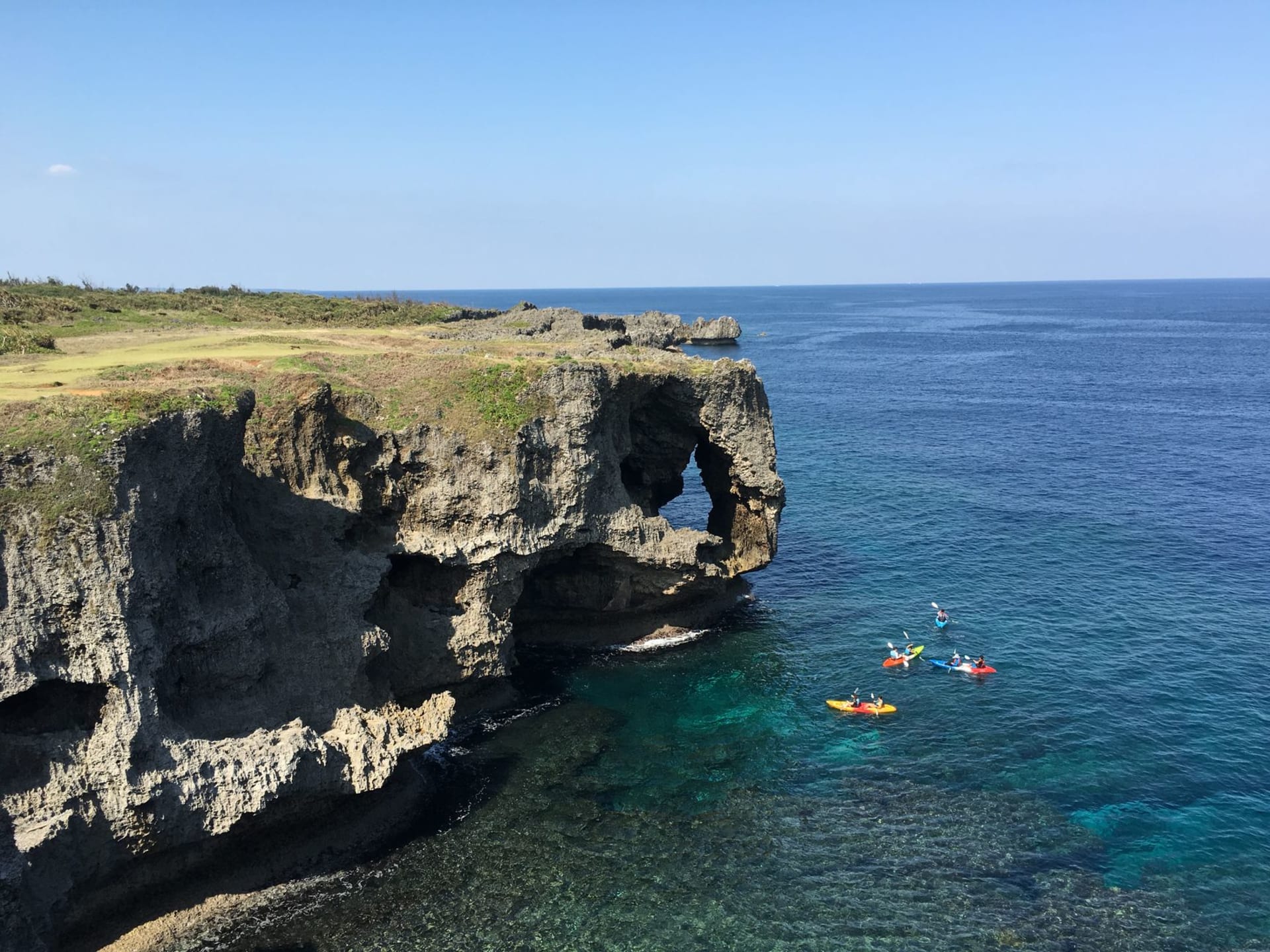
Zamami Island
"The turtle didn't move when I swam toward it. We both just drifted, agreeing on the current."
A one-hour ferry from Naha delivers you to water so clear and coral so alive it makes tropical beaches elsewhere feel like imitations.

The ferry from Tomari Port took an hour and I spent most of it at the bow watching the water change colour — dark navy out of the harbour, then teal, then the particular shade of blue-green that exists in this part of the Pacific and nowhere else I’ve been. Zamami-jima is one of the Kerama Islands, a cluster of small islands about forty kilometres west of Naha that somehow pack more living reef per square metre than any island destination I’ve encountered. There are no resort hotels. There are minshuku guesthouses run by families who also operate dive shops and rent bicycles, and the pace of arrivals and departures is set entirely by the ferry schedule.
I snorkeled Furuzamami Beach on my first afternoon without a guide and within twenty minutes I was over an elkhorn coral formation the size of a living room, watching a hawksbill turtle graze on sponges below me. We were at the same depth for a while — maybe three or four metres — and it simply didn’t register my presence. The reef here is extraordinary, and not in the manicured way of some marine parks where the coral is managed like a museum exhibit. This is alive, messy, abundant: parrotfish, crown-of-thorns starfish, fluorescent reef fish moving in loose formations, and the occasional white-tip reef shark visible in the deeper water beyond the coral shelf.
The island itself is tiny enough that I walked its main road in forty minutes. One restaurant served the night’s catch — grouper sashimi with a dipping sauce built on island citrus — at tables outside where the sound of tree frogs competed with someone’s television two houses down. The owner, a woman in her sixties who’d come back to the island after years in Naha, explained the fish while her husband, behind the counter, didn’t say anything at all. This is how dinner should work.

January through March brings humpback whales to the Kerama Strait — they come to breed and calve in the warm, shallow waters, and whale-watching boats go out daily. The island’s population of roughly five hundred swells slightly in whale season, then again in summer, and in between there are stretches when it feels nearly empty. I live in Mexico, where beautiful water is not a scarcity, and I was still not prepared for what was here.
When to go: May and June for calm seas, warm water, and manageable crowds before the mainland school holidays hit. October and November are nearly perfect — typhoon season has passed, the water temperature hovers around 27°C, and the island is as quiet as it gets. January and February for whale watching, though the water is cooler and a wetsuit is recommended.
Keep exploring
More of Kyūshū & Okinawa
Keep exploring
More from Kyūshū & Okinawa
 japan
japan Itoman
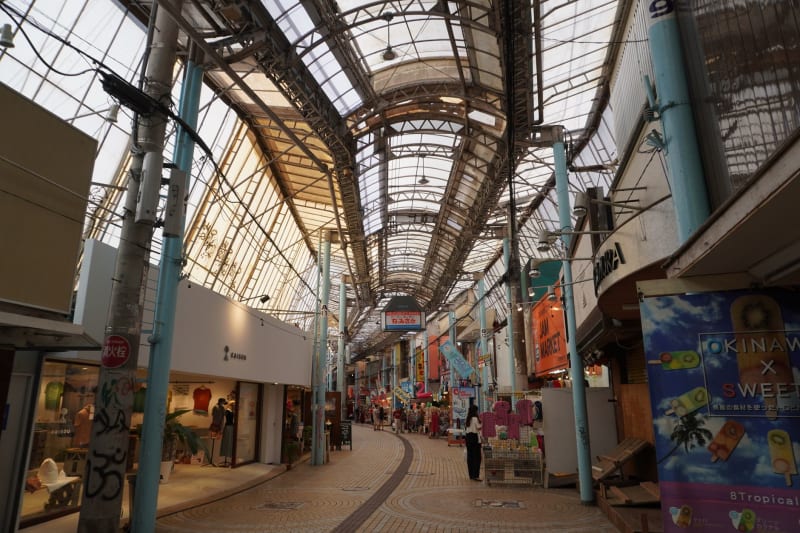
The southern tip of Okinawa — a fishing town with the island's most important war memorial and the weight that comes with it.
Explore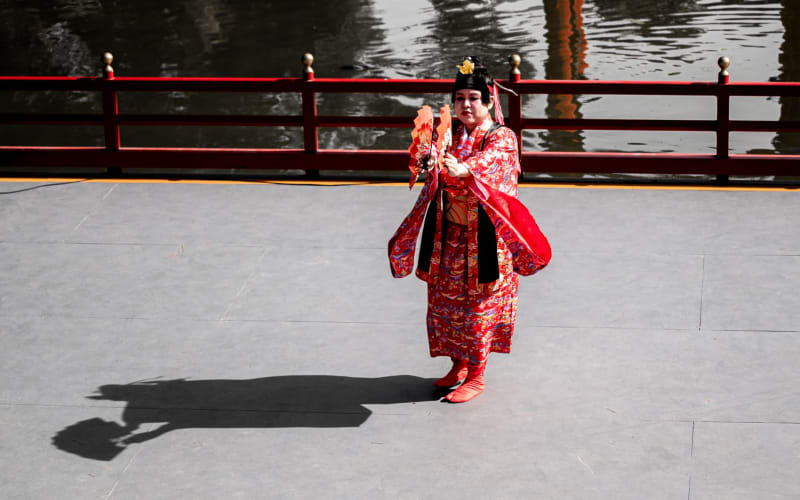 japan
japan Shuri Castle
The burnt-and-rebuilt heart of the Ryukyuan kingdom — a castle that belongs to a civilization Japan absorbed but never erased.
Explore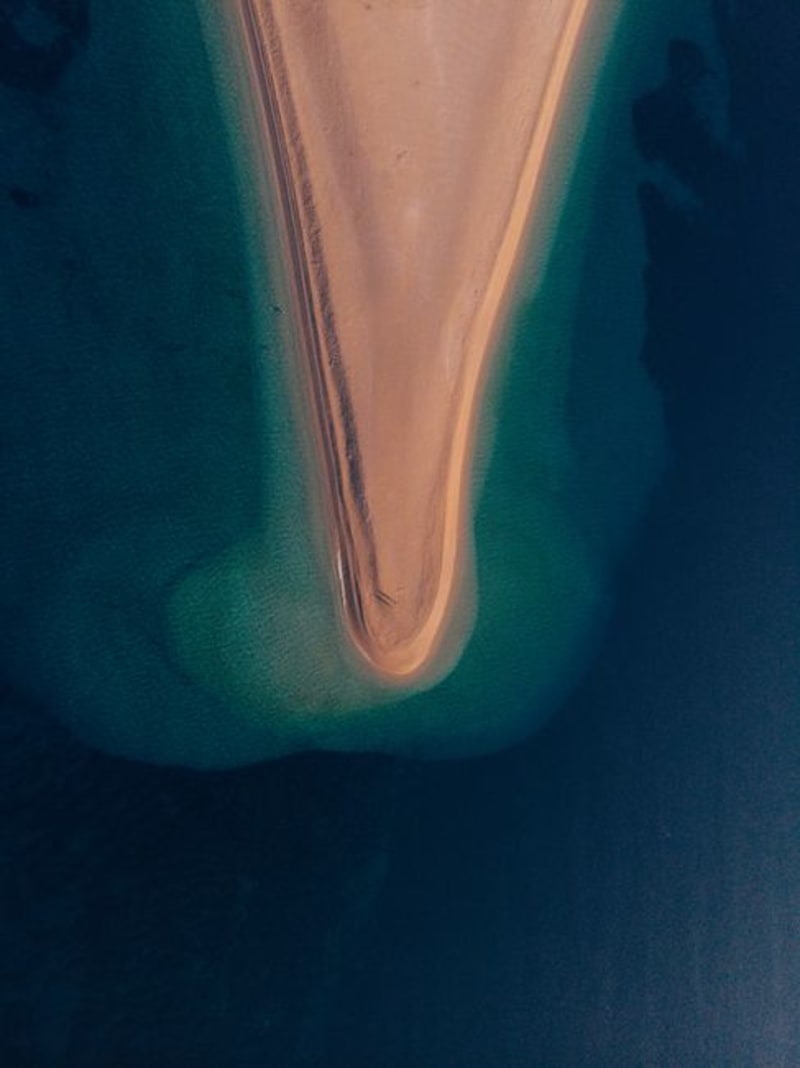 japan
japan Kume Island
A quiet Okinawan island where a seven-kilometer sandbar floats between two shades of blue and silk looms still click in wooden houses.
Explore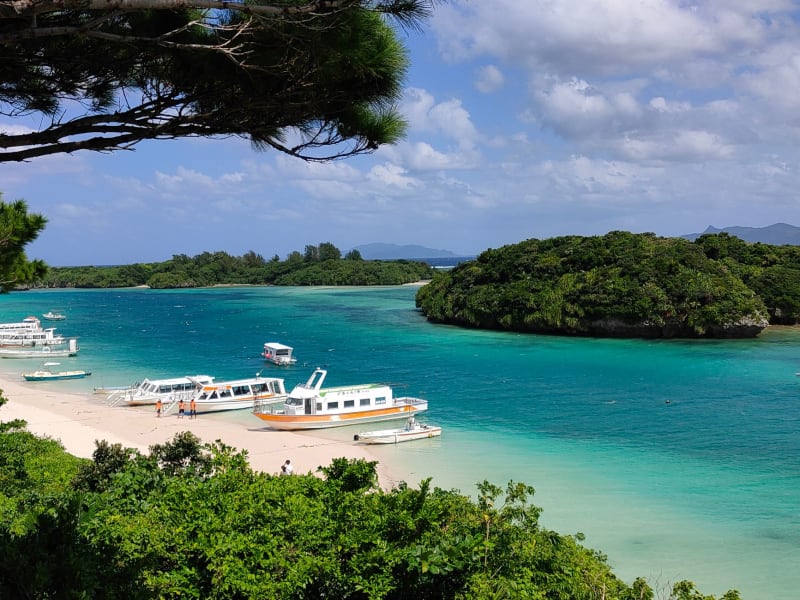 japan
japan Kouri Island
A small bridge island off northern Okinawa with two beaches, a love legend, and water so clear it makes you distrust colour.
Explore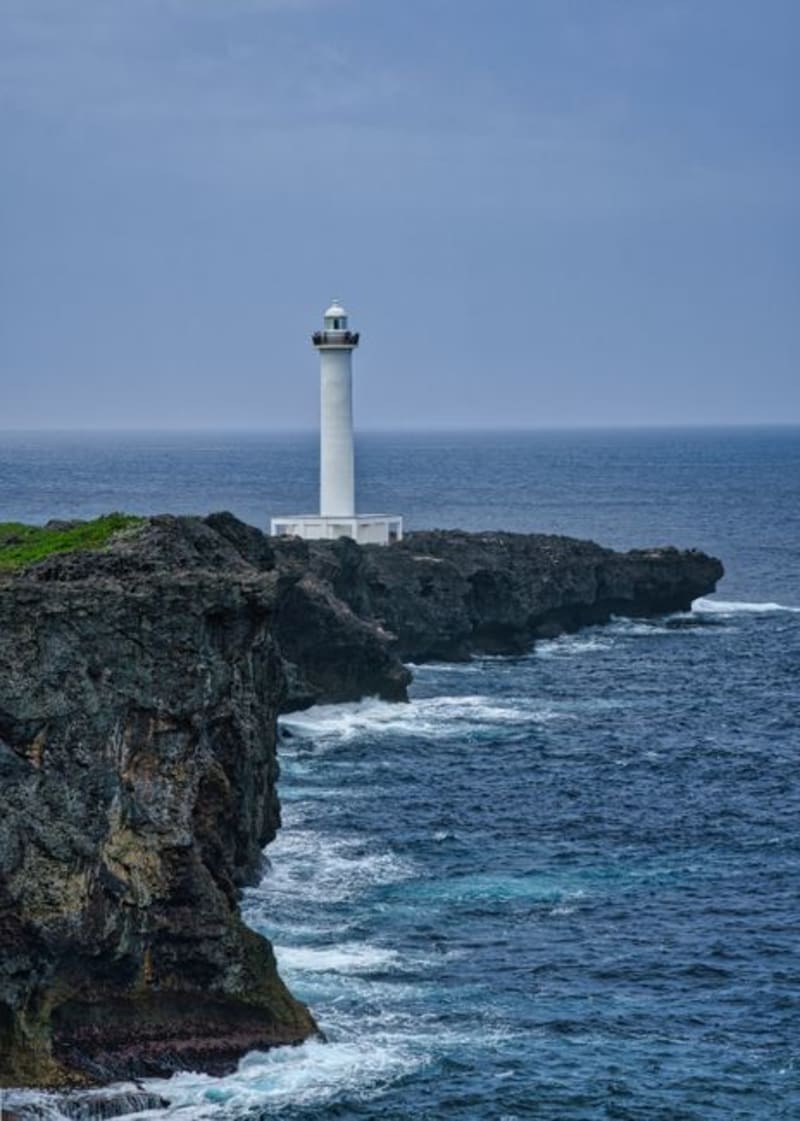 japan
japan Cape Hedo
Where Okinawa runs out of land and the East China Sea crashes into the Pacific along raw limestone cliffs.
Explore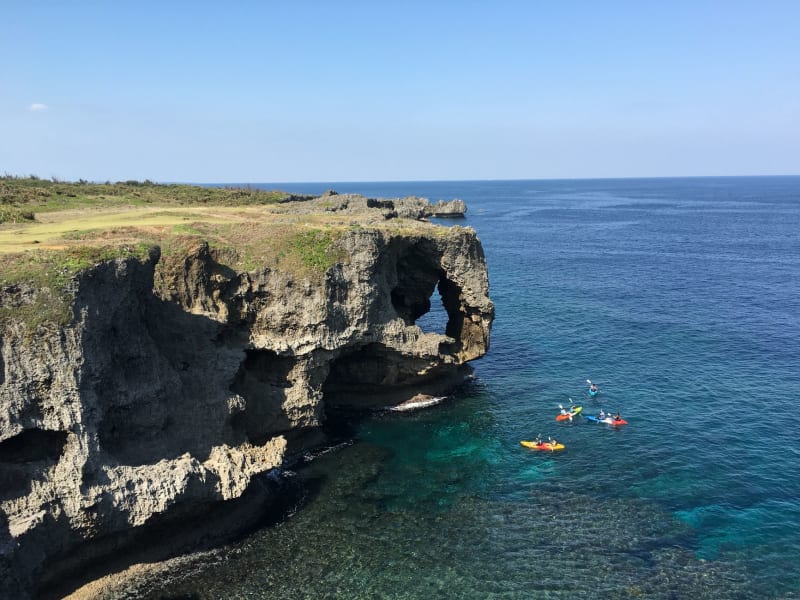 japan
japan Iriomote Island
Ninety percent jungle, one paved road, and more wild cats than foreign visitors — Japan's last genuinely untamed island.
Explore