Yanagawa
"The boatman poled us under a stone bridge, still singing, without missing a beat."
A quiet town in southern Fukuoka laced with old castle moats, where flat-bottomed boats are still poled between willow-lined banks. Yanagawa moves at the speed of water and the drift of a punting song.

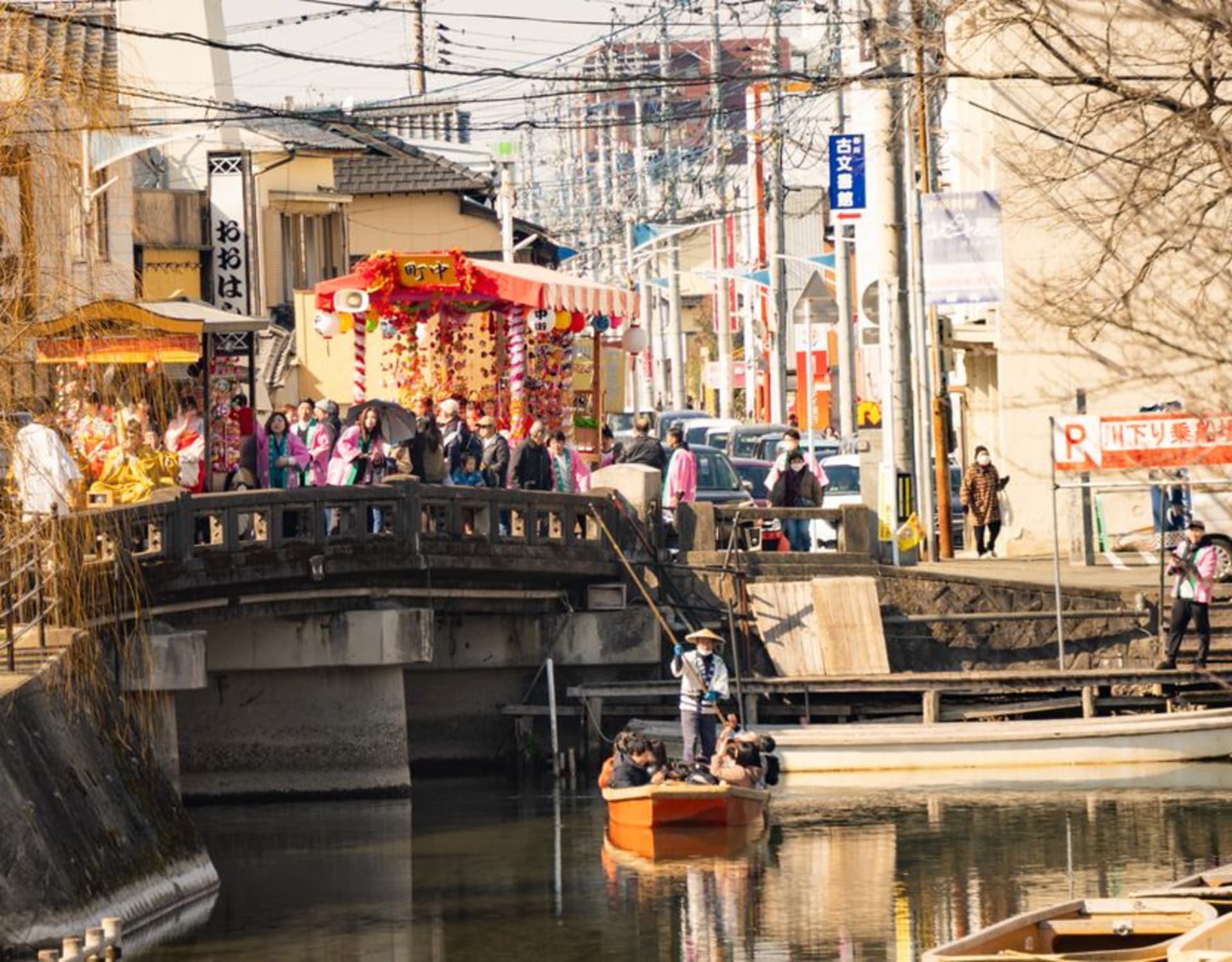
Our boatman was seventy if he was a day, and he sang the entire way. Lia and I sat low in a long flat-bottomed punt called a donkobune, knees folded, gliding down a canal barely wider than the boat itself, while the old man stood in the stern working a single bamboo pole and delivering an unbroken stream of local ballads and dry jokes we only half understood. When we reached a bridge so low we had to duck flat against the boards, he ducked with us, still singing, and popped up the other side without dropping a note. I have taken grander boat rides in my life. I have never taken a happier one.
Poling Through the Old Moats
Yanagawa’s canals aren’t decorative — they are what’s left of the moat system of a castle that largely vanished, a web of waterways threaded right through the town. The donkobune cruises follow them for an hour or so, past back gardens and stone embankments and curtains of willow trailing in the water, under a whole series of little bridges each with its own name and story. Because you sit down at water level, the town reveals itself sideways: laundry lines, a cat on a wall, an old woman rinsing vegetables on stone steps that go straight down into the canal. In winter the boats even carry a small charcoal brazier, a kotatsu on the water, and you drift along toasting your knees. It is the gentlest possible way to see a place.

Steamed Sea-Bream and Eel
Yanagawa’s kitchen has one great dish, and it is worth timing your whole day around. Unagi seiro-mushi is eel — grilled, laid over rice that has been steamed in the eel’s own sweet sauce, then steamed again in a square lacquer box until every grain is glossy and fragrant, and finished with ribbons of thin omelette. We ate it in an old wooden restaurant near the water, the kind with tatami and sliding screens and a queue of locals out front, and it arrived almost too hot to touch. Rich, smoky, faintly sweet — Lia, who is suspicious of eel on principle, cleared her box entirely and then eyed mine. The town has been making it this way for centuries, and you can taste the practice.

Willows, Walls, and a Poet’s Ghost
After the boat we wandered on foot, which almost nobody seems to do, and found the better half of Yanagawa. The Ohana residence, once home to the lords of the town, keeps a beautiful landscape garden and a pond, and the back lanes still hold whitewashed storehouses and stretches of old moat wall softened by moss and willow. Yanagawa was also the home town of the poet Kitahara Hakushū, and there’s a real sense that the place has always known how to make quietness into art. We ended the afternoon on a bench by the water, watching another boatload of visitors glide past behind their singing captain, in no hurry at all to be anywhere else.

Getting There
Yanagawa sits in the south of Fukuoka Prefecture and is simplest to reach by the Nishitetsu train direct from Fukuoka’s Tenjin station, a run of around fifty minutes to an hour on the limited express. Combination tickets that bundle the train fare with a donkobune cruise are sold at the Nishitetsu counter and save both money and fuss. The boat docks and the town’s sights are a short walk or shuttle from the station. Pair it easily with Dazaifu on the same line for a full and unhurried day out of the city.
Keep exploring
More of Kyūshū & Okinawa
Keep exploring
More from Kyūshū & Okinawa
 japan
japan Saga
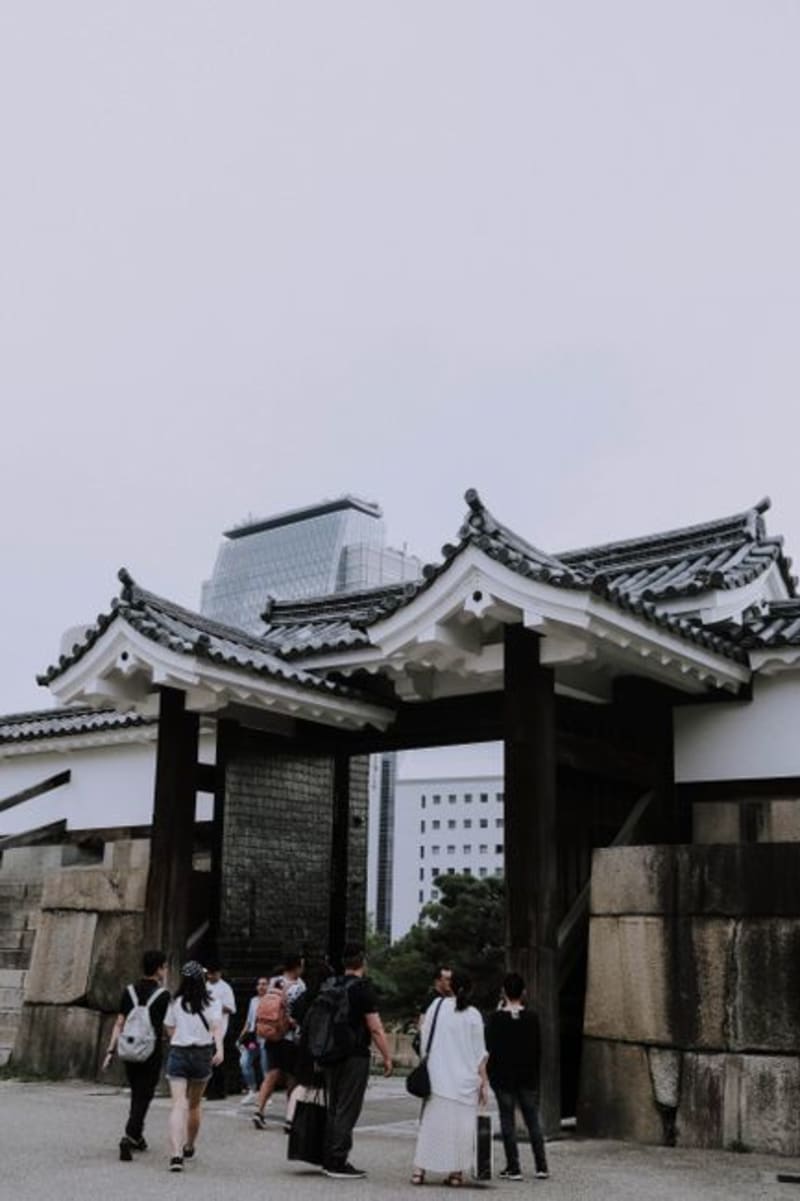
The quiet capital of a quiet prefecture, ringed by rice plains on northern Kyūshū. Saga is castle grounds and moats, a sky full of balloons come autumn, and the ghosts of an ancient moated village older than most of history. We found a city that asks nothing of you and gives more than you expect.
Explore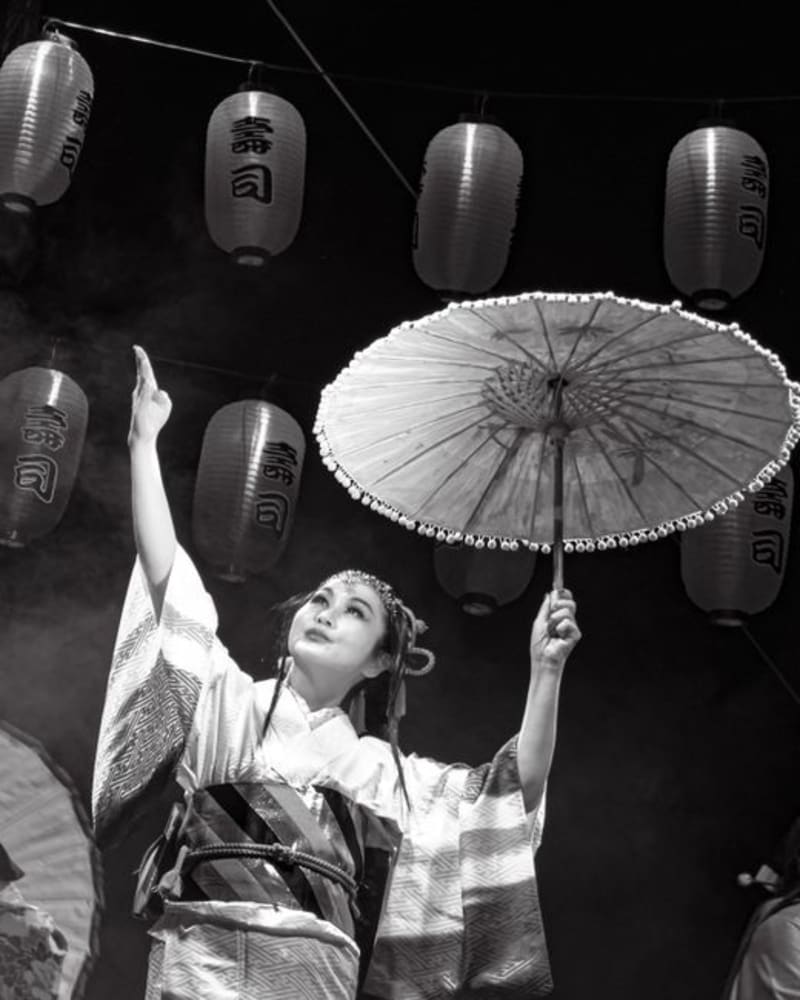 japan
japan Yamaga
A Kumamoto hot-spring town best known for a summer night when a thousand dancers move slowly through the dark with paper lanterns balanced on their heads, each one a small gold flame. By day it keeps a beautifully preserved Meiji-era playhouse and baths of silky, odourless water.
Explore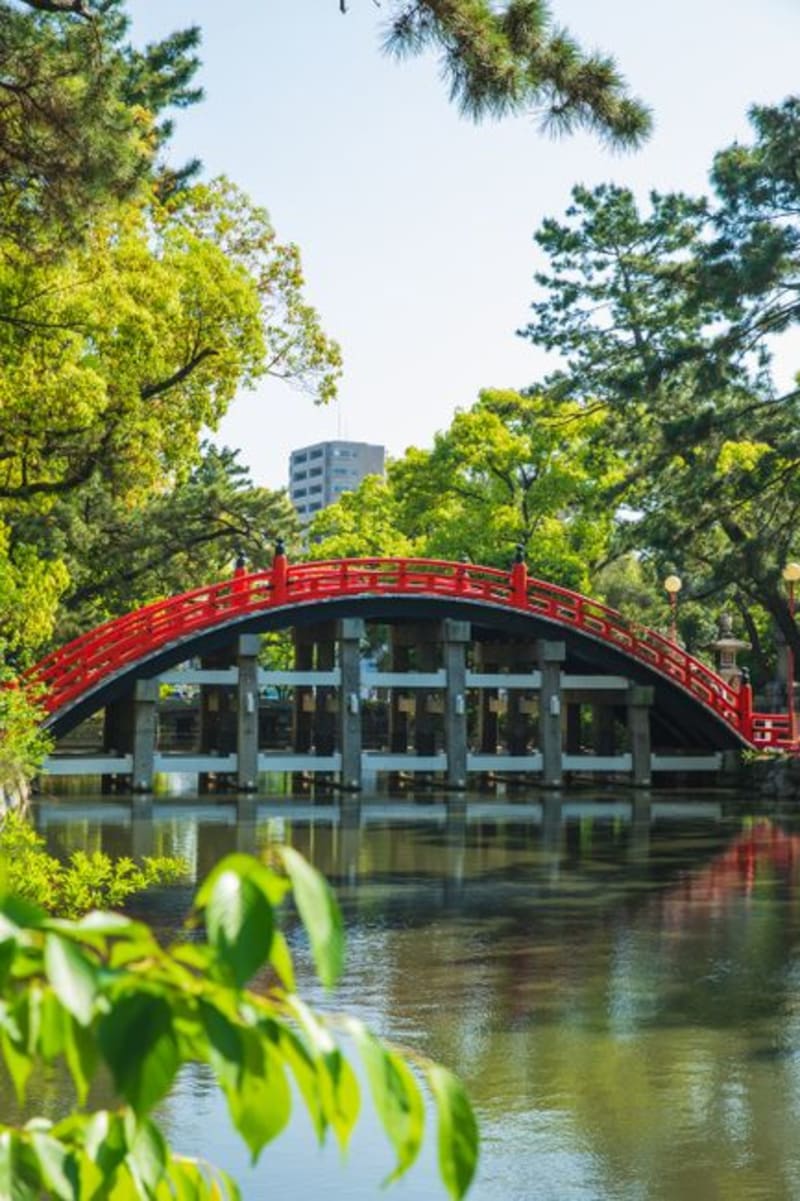 japan
japan Dazaifu
Once the ancient capital of all Kyūshū, now a temple town where students come to pray for their exams beneath the plum trees. Dazaifu wears its long history lightly, in incense smoke and falling blossom.
Explore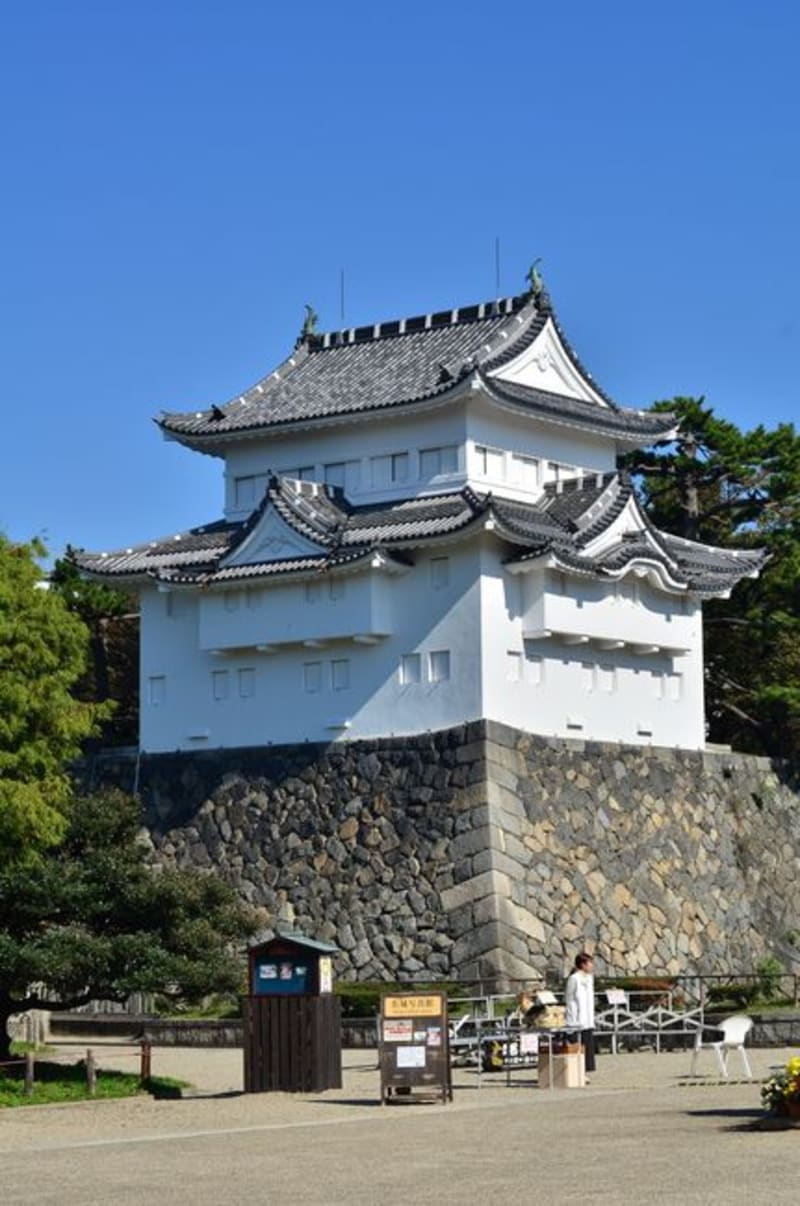 japan
japan Shimabara
A Nagasaki castle town where springwater runs so freely that carp swim in the roadside channels and townsfolk keep bright orange fish as neighbours. Above it all broods Mount Unzen, the volcano that once buried the coast and now feeds the town its clear, cold water.
Explore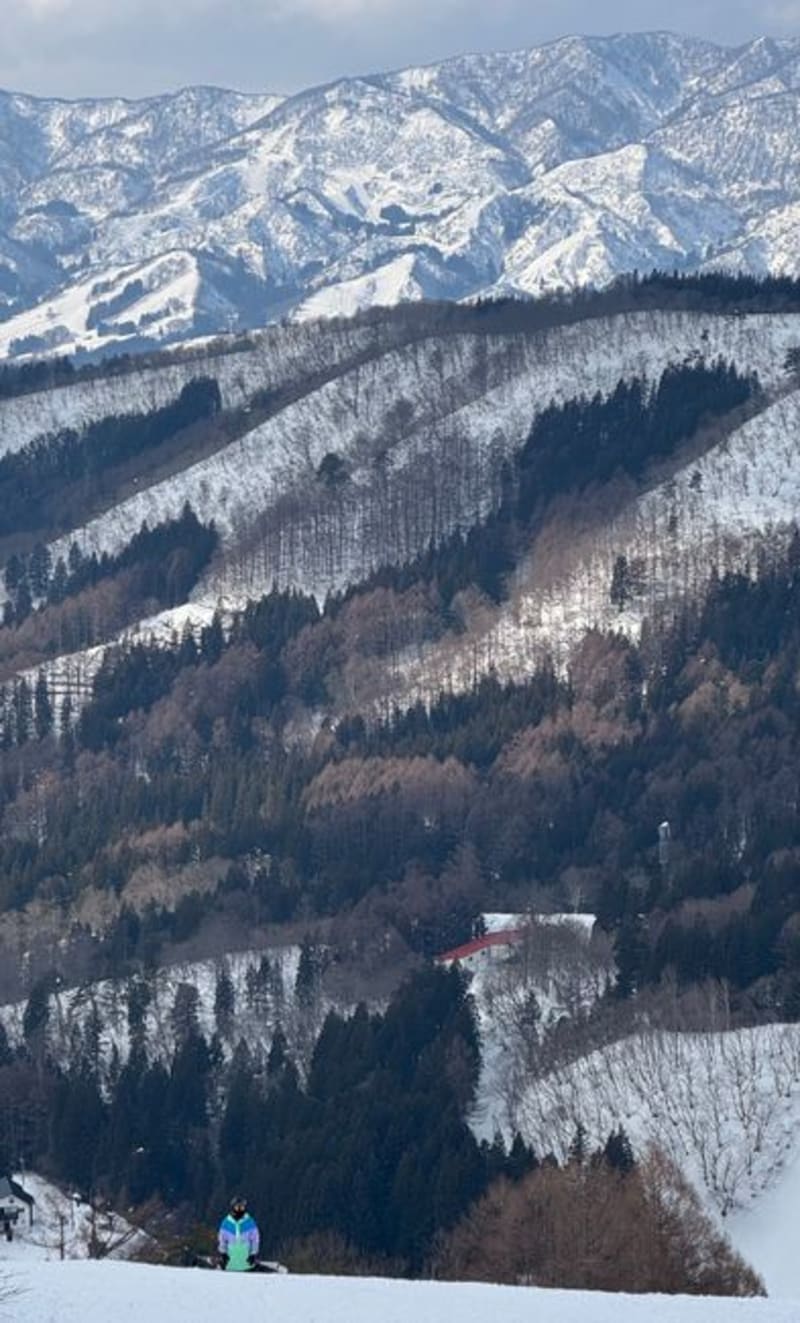 japan
japan Takeo Onsen
A small Saga hot-spring town built around a 3,000-year-old camphor tree and a library that people travel across Japan just to sit in. We came for the bath and stayed for the trees, which is not the order I expected.
Explore japan
japan Unzen
A highland hot-spring resort on Nagasaki's Shimabara Peninsula, set among steaming, sulfurous volcanic 'hells' and cool mountain forest beneath the still-watched peak of Mount Unzen. Cracked white earth, hissing vents, deep baths, and a quiet, elemental air of a place living on a volcano.
Explore