Yanbaru Forest
"The Yanbaru woodpecker called from somewhere I couldn't see, and I stood still for twenty minutes in case it moved closer. It didn't."
The last great subtropical forest of Japan — home to flightless rails, rare woodpeckers, and a silence the south of the island never offers.

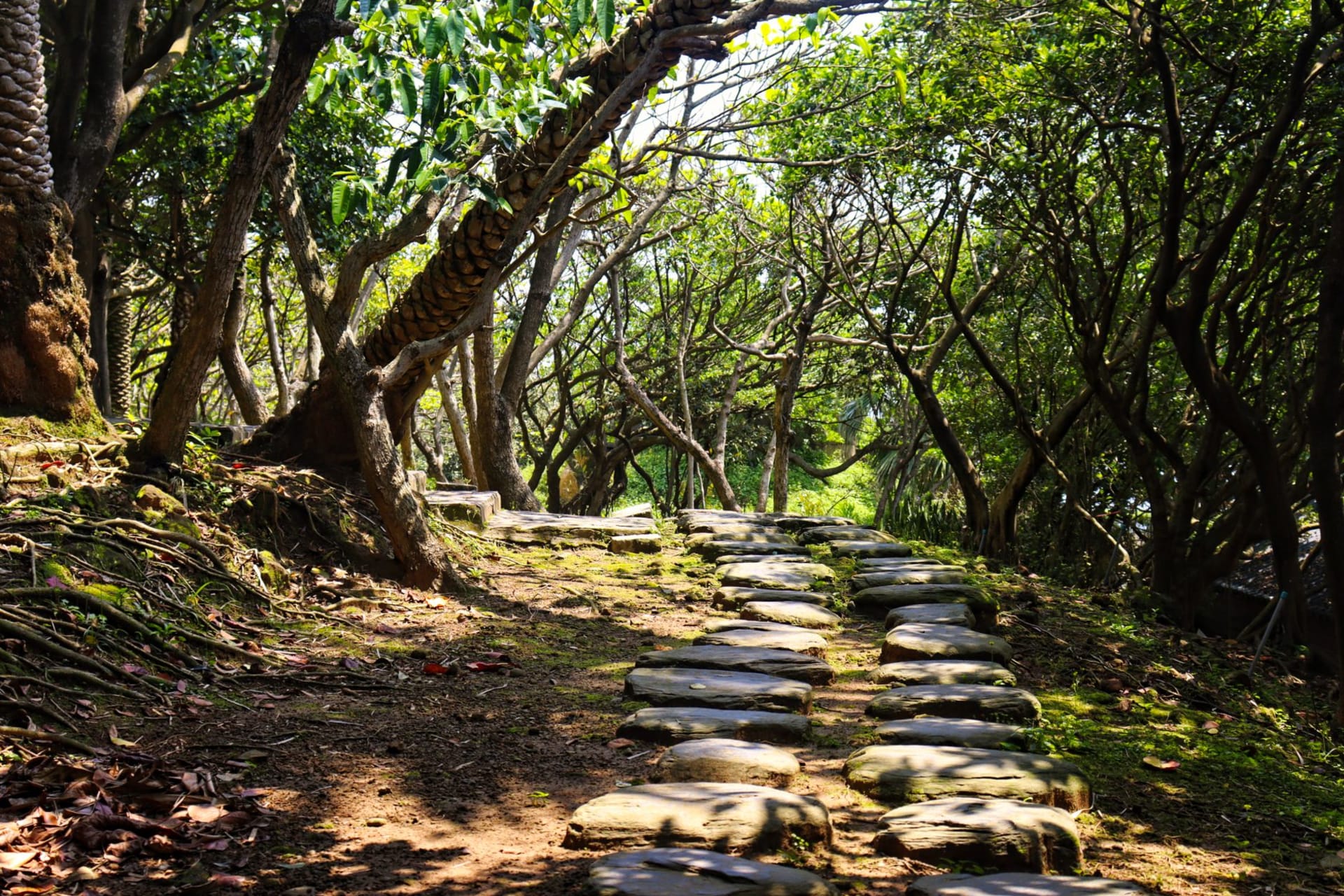
Northern Okinawa above Nago is where the island reverts to something it must have been before human settlement took hold — dense subtropical forest climbing hills that roll down to a coastline of small bays and hidden beaches. Yanbaru is the Japanese name for this region, which became Japan’s newest national park in 2021, and the designation acknowledged what had been de facto true for a long time: this forest doesn’t need managing so much as it needs leaving alone. The Okinawa rail, a flightless bird found nowhere else on earth, lives here. So does the Okinawa woodpecker, the Ryukyu long-furred rat, and dozens of other endemic species protected by the sheer difficulty of the terrain.

I drove north from Nago on Route 58, which hugs the western coast before climbing into the hills above the village of Oku, the northernmost settlement accessible by road. The Hiji Waterfall trail was the first walk I did — forty minutes through forest so dense that at noon the canopy filtered the light to something green and cathedral-like, the kind of green you find in old-growth places where the light has been negotiating with leaves for a very long time. The waterfall at the end is a thirty-metre cascade into a cold clear pool. I swam in it and ate the onigiri I’d bought at a convenience store at six in the morning and thought I’d been trying too hard everywhere else.
The Yanbaru Learning Forest, operated near Kunigami village, runs guided night walks to find the Okinawa rail. The bird is more audible than visible — a series of urgent, reedy calls from the undergrowth that the guides can identify and locate, and occasionally, in the beam of a red-filtered torch, a stocky brown shape moving quickly between leaf litter. The guides speak quietly, move slowly, and know exactly which patches of forest the rails prefer. My guide had been doing this for fifteen years and could identify the bird’s call the way a musician identifies an instrument by its overtones.

The coast along Yanbaru’s edge has none of the tourist infrastructure of the central or southern island. Aha Beach, near the cape, is a small bay of clear water where I was the only person for an entire afternoon. The road to reach it is one lane and seems to require the car to make decisions the map hasn’t accounted for.
When to go: November through April for the best wildlife conditions and manageable temperatures. The Okinawa rail is most active at dusk and dawn year-round, but the cool season makes the forest walks significantly more comfortable. Summer is hot and humid, though the forest canopy provides real relief; typhoons in September can close trails temporarily.
Keep exploring
More of Kyūshū & Okinawa
Keep exploring
More from Kyūshū & Okinawa
 japan
japan Yoron Island
Kagoshima Prefecture's southernmost point, closer to Okinawa than to the rest of Kyushu, famous for a pure white sandbar that surfaces offshore only at low tide before vanishing back under the waves within hours.
Explore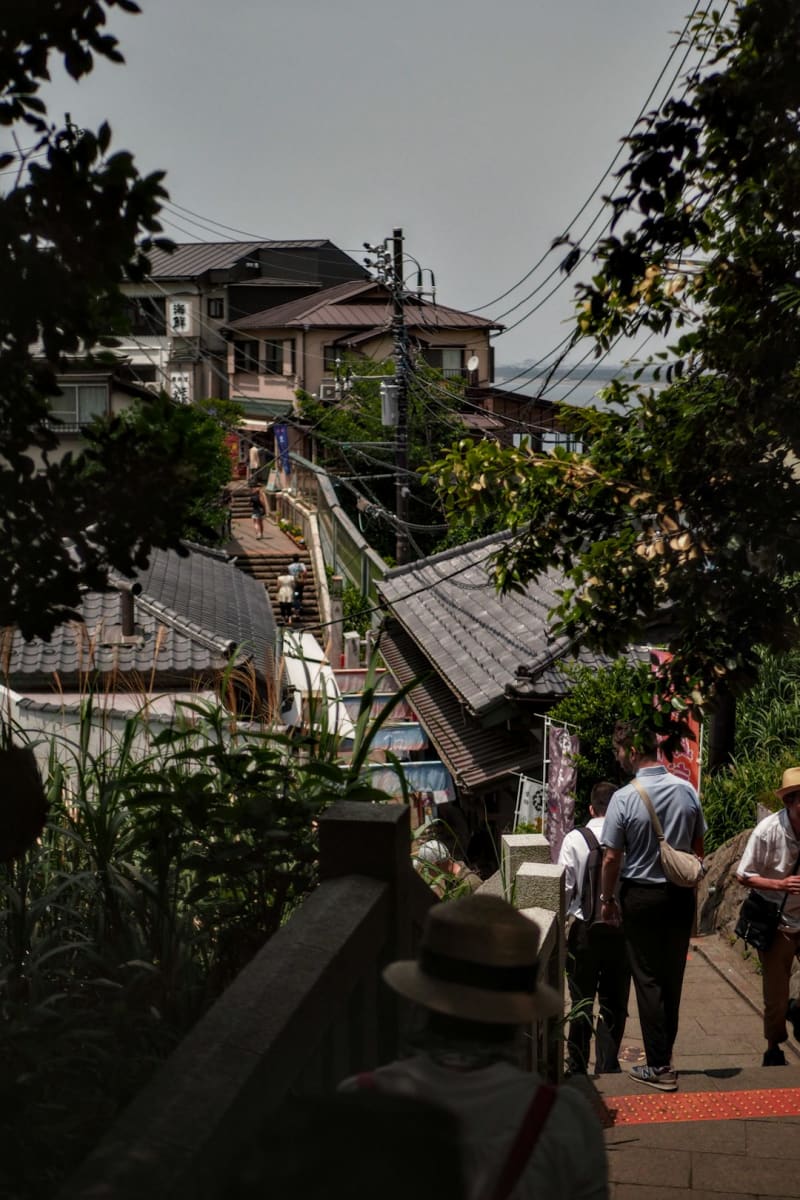 japan
japan Yufuin
A genteel onsen and craft village in the Ōita hills beneath the twin peaks of Mount Yufu. Misty morning lakes, small galleries, quiet ryokan, and a slower kind of Japan.
Explore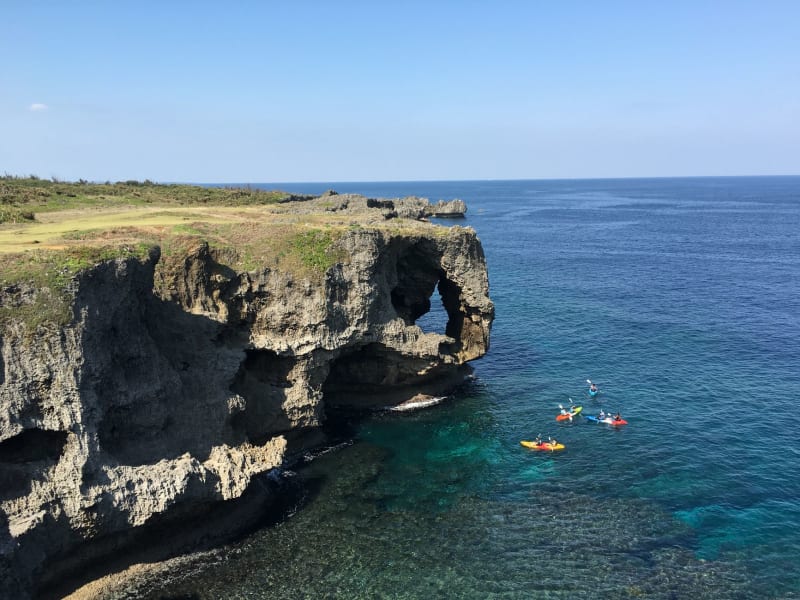 japan
japan Zamami Island
A one-hour ferry from Naha delivers you to water so clear and coral so alive it makes tropical beaches elsewhere feel like imitations.
Explore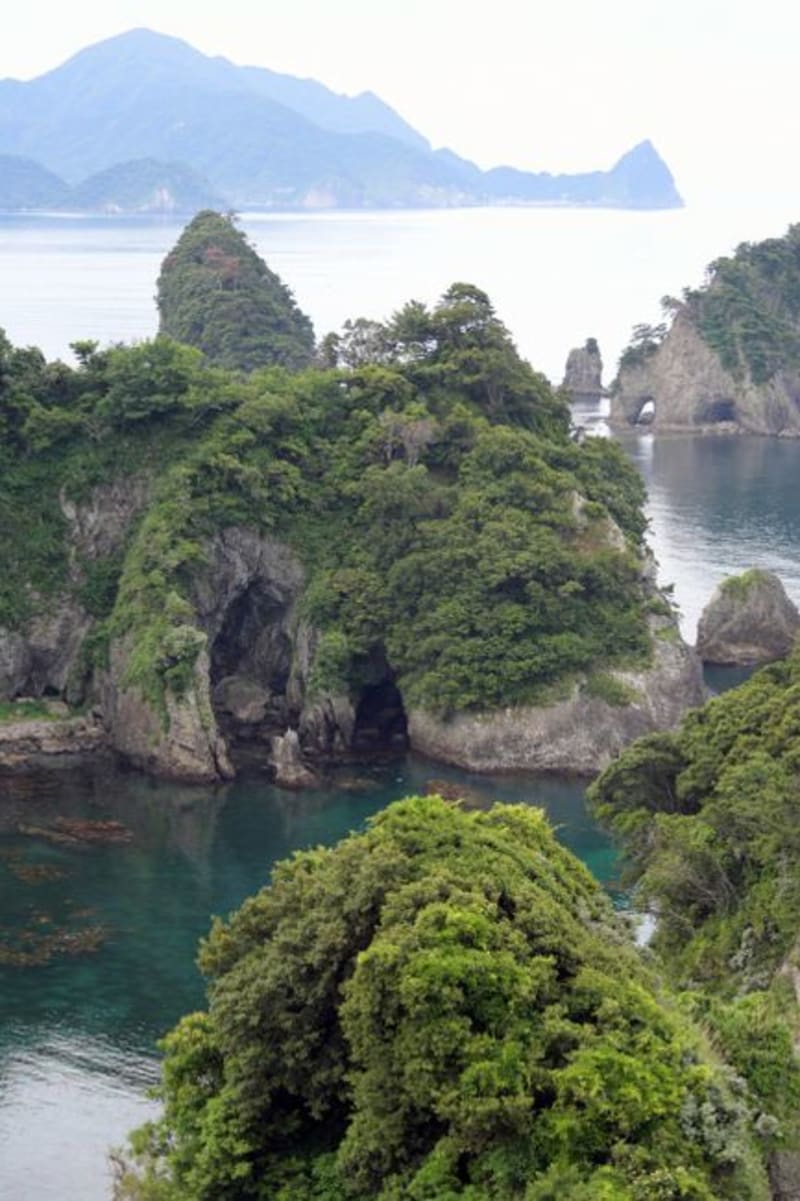 japan
japan Amakusa Islands
An archipelago of over a hundred islands stitched together by bridges off Kumamoto, where wild dolphins surface for boat tours and a UNESCO-listed village once hid Japan's persecuted 'Hidden Christians' for over two centuries.
Explore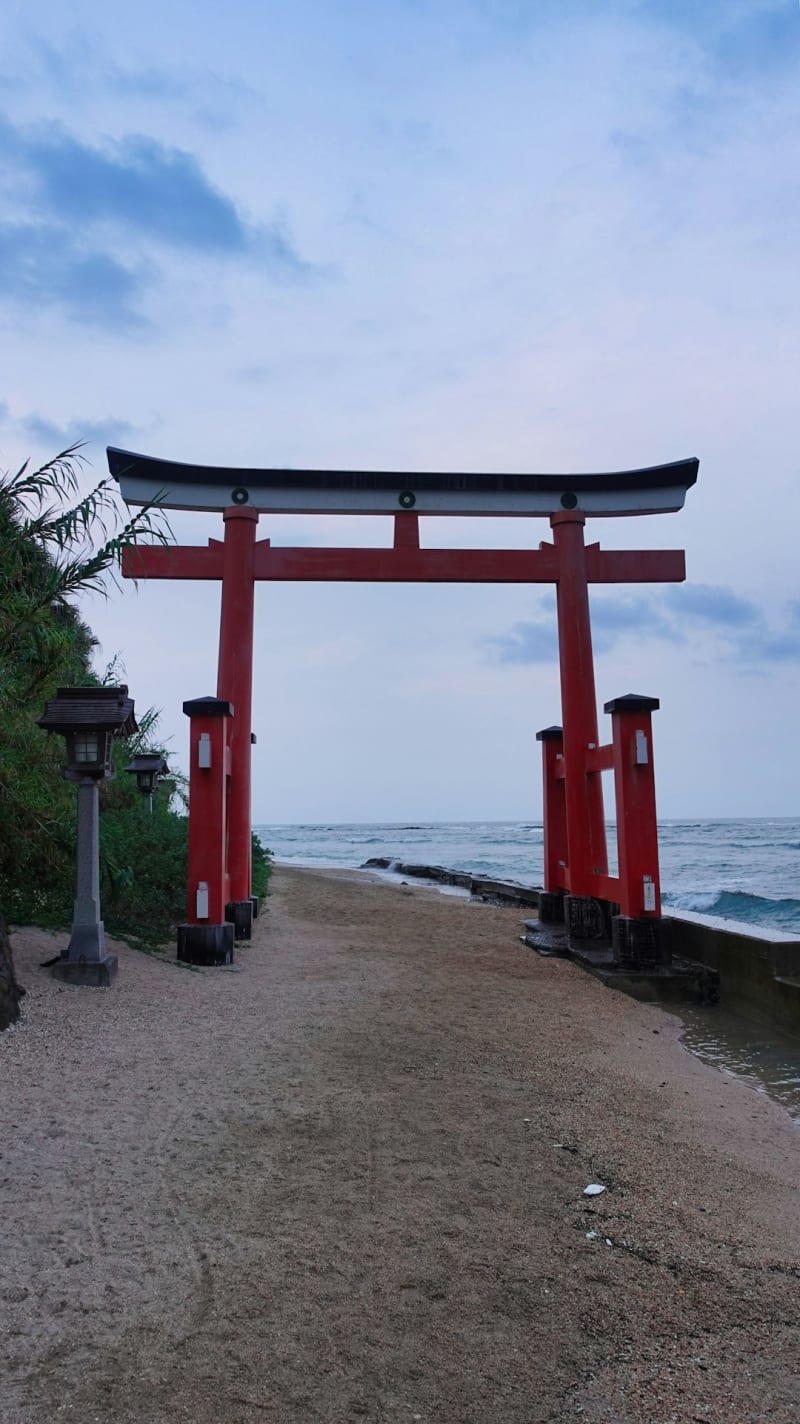 japan
japan Aoshima (Miyazaki)
A tiny subtropical islet ringed by the 'Devil's Washboard,' millions of years of seabed uplift carved into eerily regular ridged rock, with a shrine at its center tied to an ancient myth of the sun goddess Amaterasu's lineage.
Explore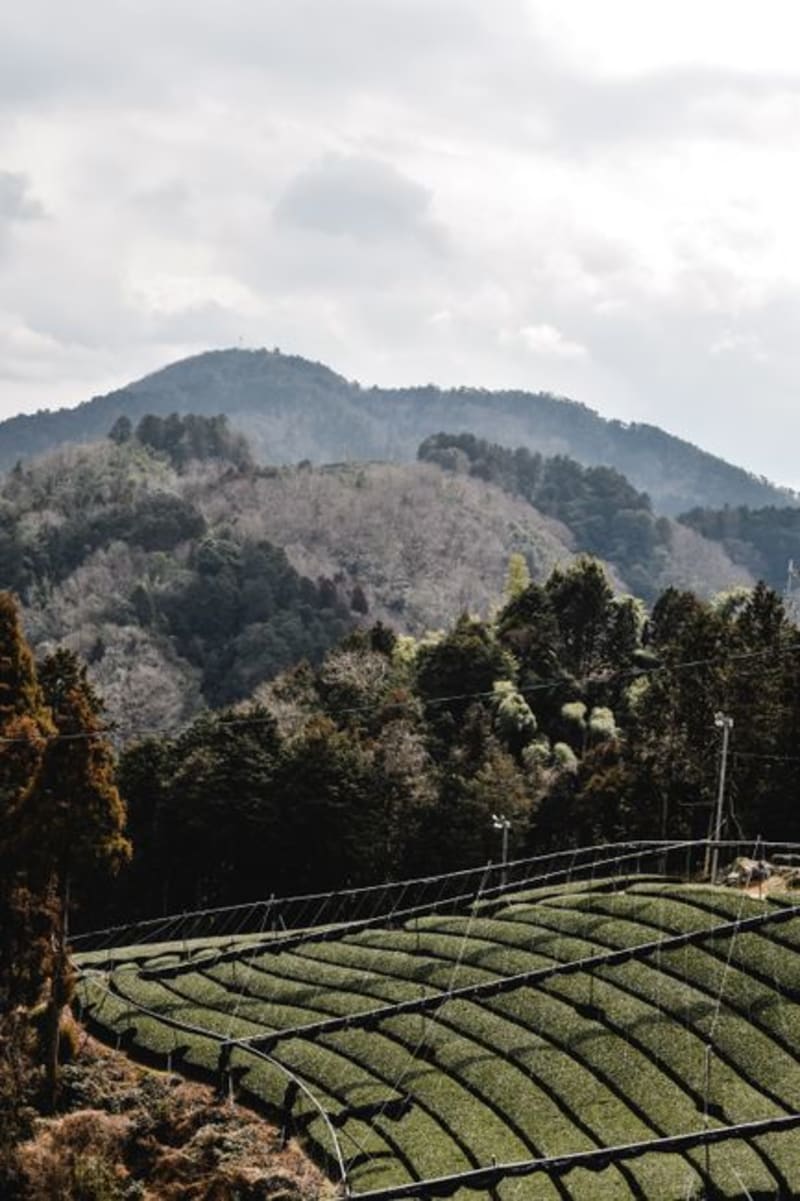 japan
japan Arita
The Saga town where Japanese porcelain was born four centuries ago, still lined with kilns, old shops, and a hillside shrine with torii and lanterns made of glazed ceramic. We went for pottery and left thinking about a single teacup for weeks.
Explore