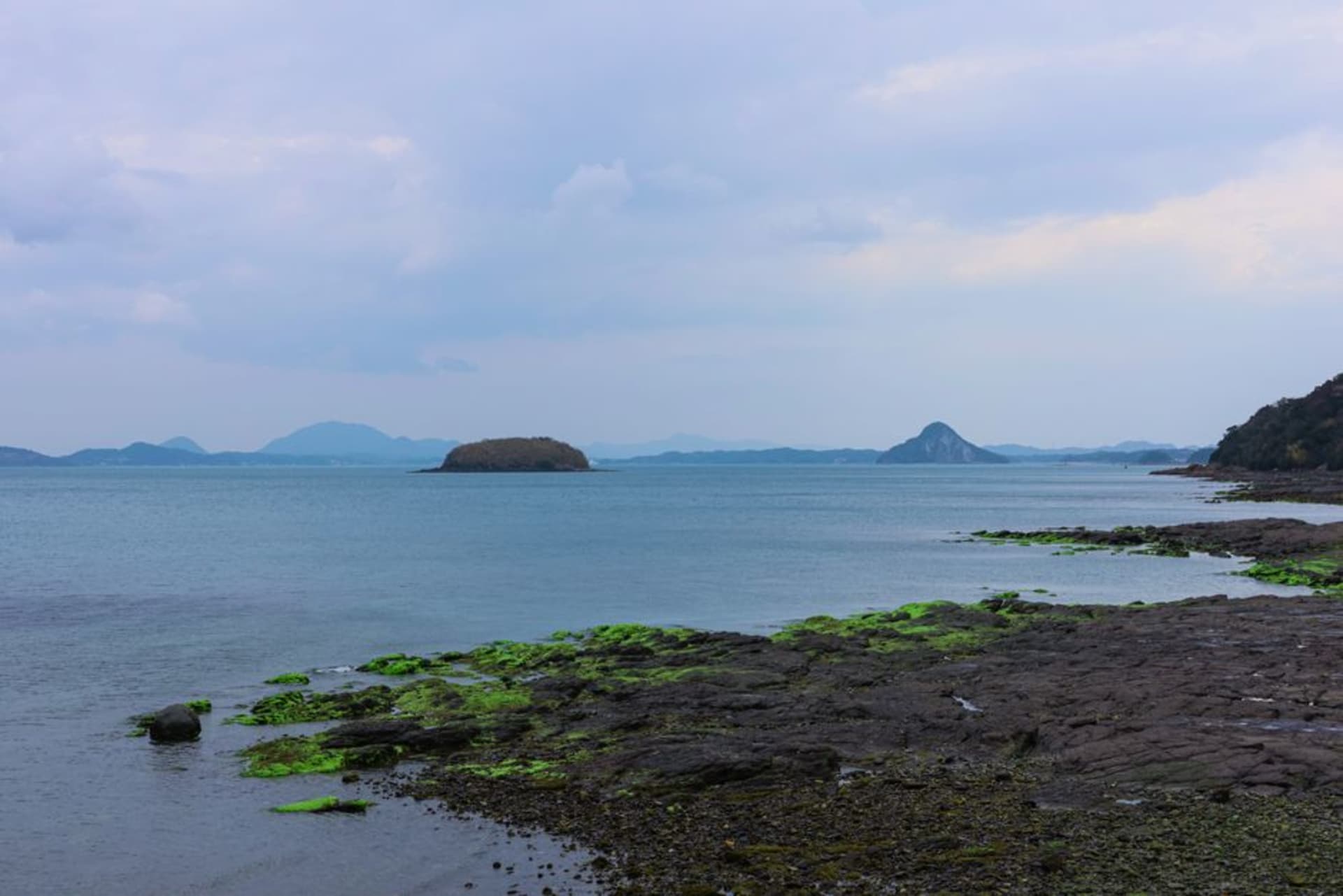
Amakusa Islands
"Every bridge we crossed just led to another island, and another reason to slow down."
An archipelago of over a hundred islands stitched together by bridges off Kumamoto, where wild dolphins surface for boat tours and a UNESCO-listed village once hid Japan's persecuted 'Hidden Christians' for over two centuries.

We drove down to Amakusa from Kumamoto City on a whim, after a waiter told us, almost as an aside, that we could see wild dolphins there “basically every time.” Lia held him to it. Neither of us really believed a boat trip could promise wildlife with that kind of confidence, but we packed swimsuits and cameras anyway and set off along a coast road that kept crossing bridge after bridge, each one revealing another green hump of island and another sliver of impossibly calm sea. It felt less like arriving somewhere and more like threading a needle through a hundred small worlds strung together over the water.
Dolphins Off Futsu
The boat left from a small harbor near Futsu-machi, and our guide cut the engine within twenty minutes of open water, pointing at nothing we could yet see. Then a fin broke the surface, then three more, then a whole loose pod of wild bottlenose dolphins arced around the boat like they’d been expecting us. Lia leaned so far over the rail I had to grab her jacket. The captain said the resident pod has been reliably sighted here for years, which explained the waiter’s confidence, though nothing about watching them move under that glassy water felt routine. We stayed out longer than scheduled because nobody wanted to be the one who asked to turn back.

Sakitsu’s Quiet Faith
From Futsu we drove the coast road to Sakitsu, a fishing village so small and unassuming that its UNESCO listing feels almost private. After the Shimabara Rebellion was crushed, Christianity was violently outlawed here, yet villagers kept their faith alive in secret for generations, disguising prayers as Buddhist rites and passing rituals down through families who never dared write them down. The current church stands on the site of a former magistrate’s office where suspected believers were once interrogated, and its tatami-mat floor, laid where confessions were once forced, stopped us both mid-sentence. Outside, fishing boats bobbed in the same narrow inlet those hidden congregations would have watched every day of their lives.

Sunset From the Amakusa Bridges
On our last evening we stopped at a lookout over the Amakusa Five Bridges, the chain of spans that first stitched these islands to the mainland, and watched the light go orange over water threaded with dark green islets. A few local fishermen were packing up for the day, calling something across the water to each other that made them both laugh. Lia bought a bag of dried tacos-shaped little fish crackers from a roadside stall we never found the name of, and we ate them leaning on the guardrail while the tide pulled slowly out beneath the nearest bridge. It’s the kind of unglamorous, unhurried evening that ends up being the one you remember.

Getting There
Amakusa sits southwest of Kumamoto City, and the easiest approach is by rental car, which lets you island-hop at your own pace across the bridge chain. Direct buses also run from Kumamoto City to the main towns of Hondo and Amakusa, taking a couple of hours depending on the route. If you’re coming from further afield in Kyushu, Kumamoto City itself is well connected by shinkansen and domestic flights, making it the natural jumping-off point. A car is genuinely worth arranging here — the joy of Amakusa is stopping wherever a bridge or a view demands it, which no bus schedule will ever quite allow.
Keep exploring
More of Kyūshū & Okinawa
Keep exploring
More from Kyūshū & Okinawa
 japan
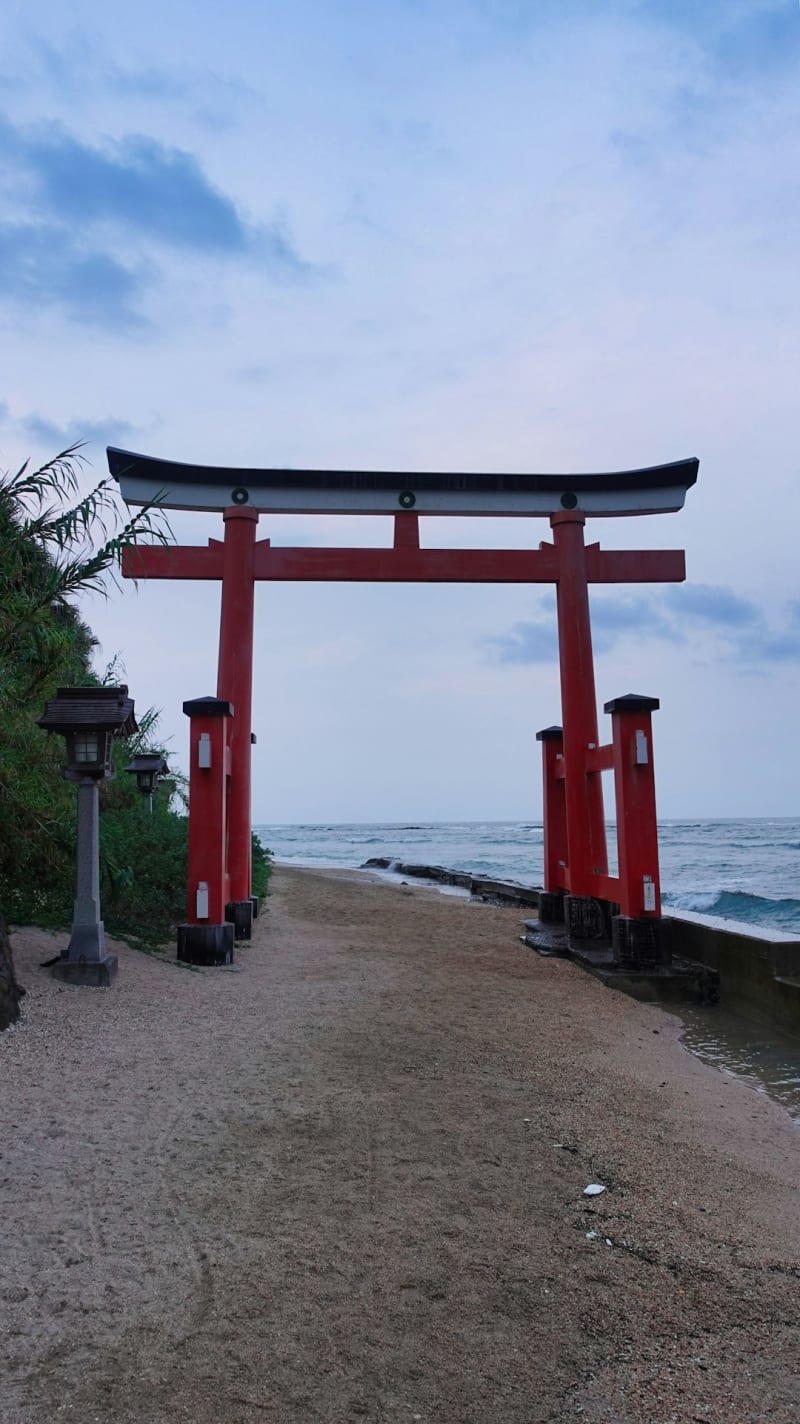
japan Aoshima (Miyazaki)
A tiny subtropical islet ringed by the 'Devil's Washboard,' millions of years of seabed uplift carved into eerily regular ridged rock, with a shrine at its center tied to an ancient myth of the sun goddess Amaterasu's lineage.
Explore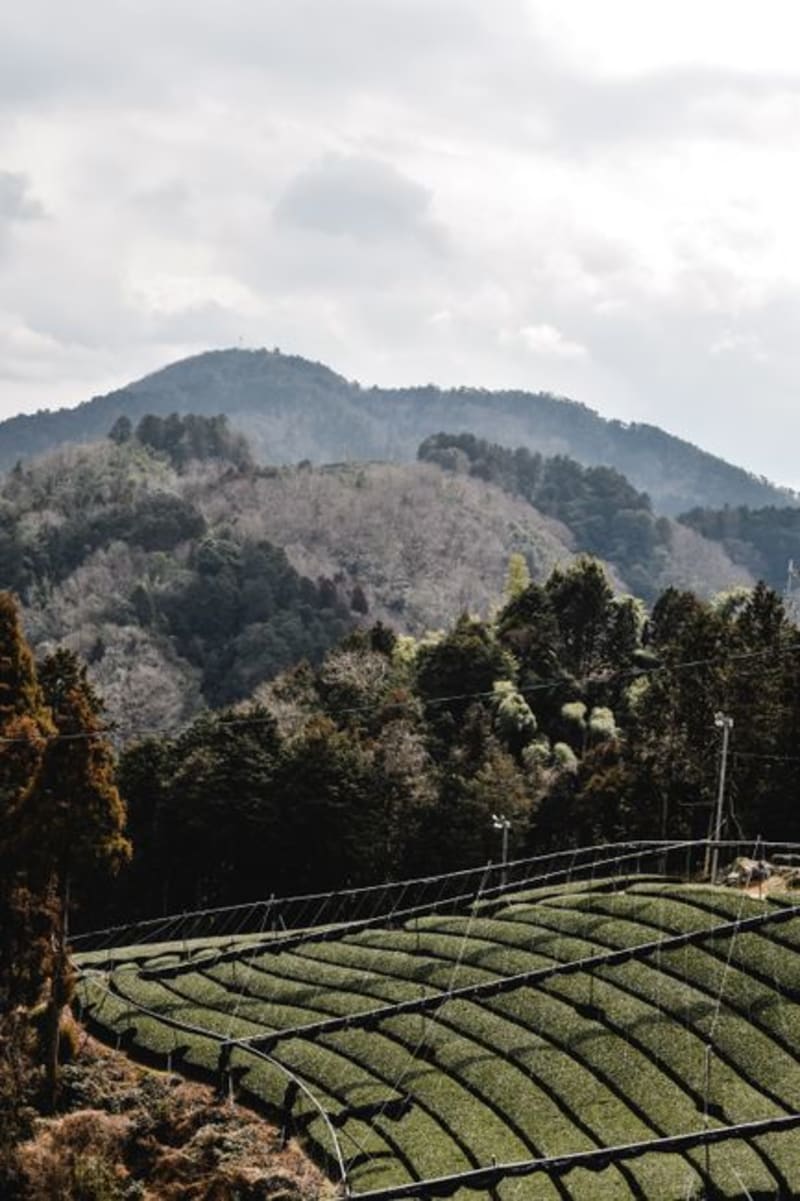 japan
japan Arita
The Saga town where Japanese porcelain was born four centuries ago, still lined with kilns, old shops, and a hillside shrine with torii and lanterns made of glazed ceramic. We went for pottery and left thinking about a single teacup for weeks.
Explore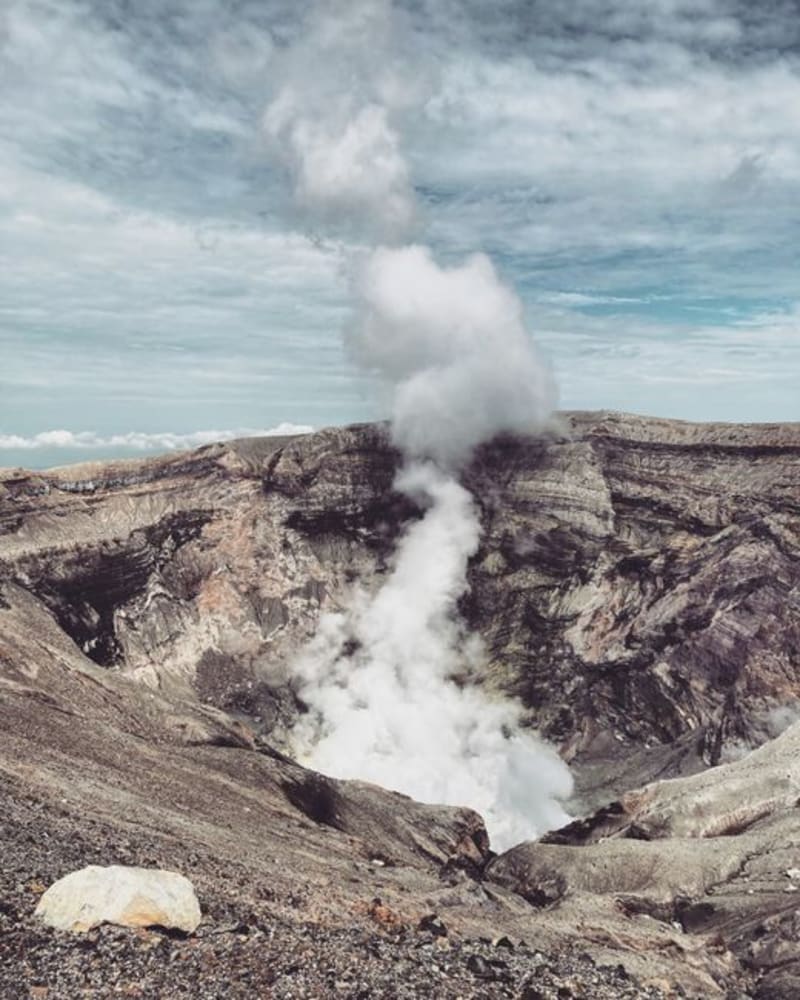 japan
japan Aso
One of the largest volcanic calderas on Earth — a vast green bowl of grasslands and grazing horses in the heart of Kumamoto, with a steaming, restless crater still smoking at its center.
Explore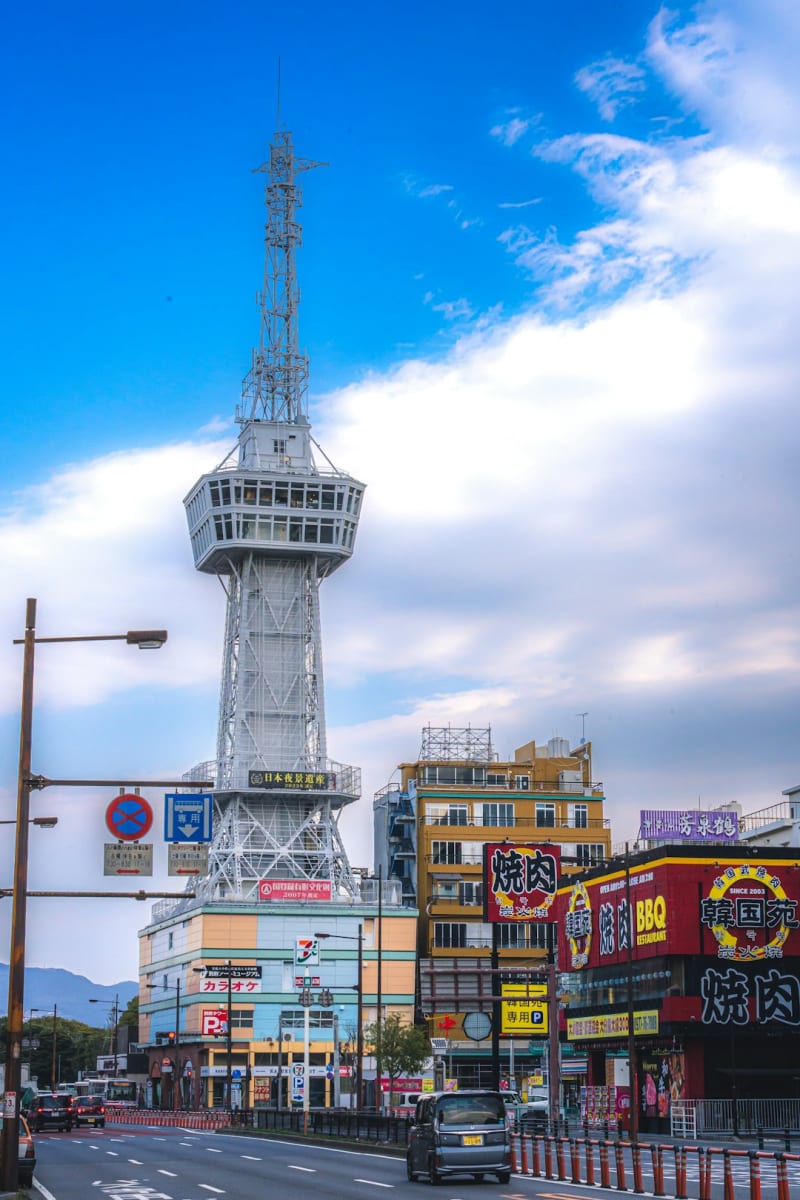 japan
japan Beppu
A hot-spring town on the Kyūshū coast where steam rises from the streets themselves. Colorful boiling 'hells,' hot sand baths, and more onsen than anywhere else in Japan.
Explore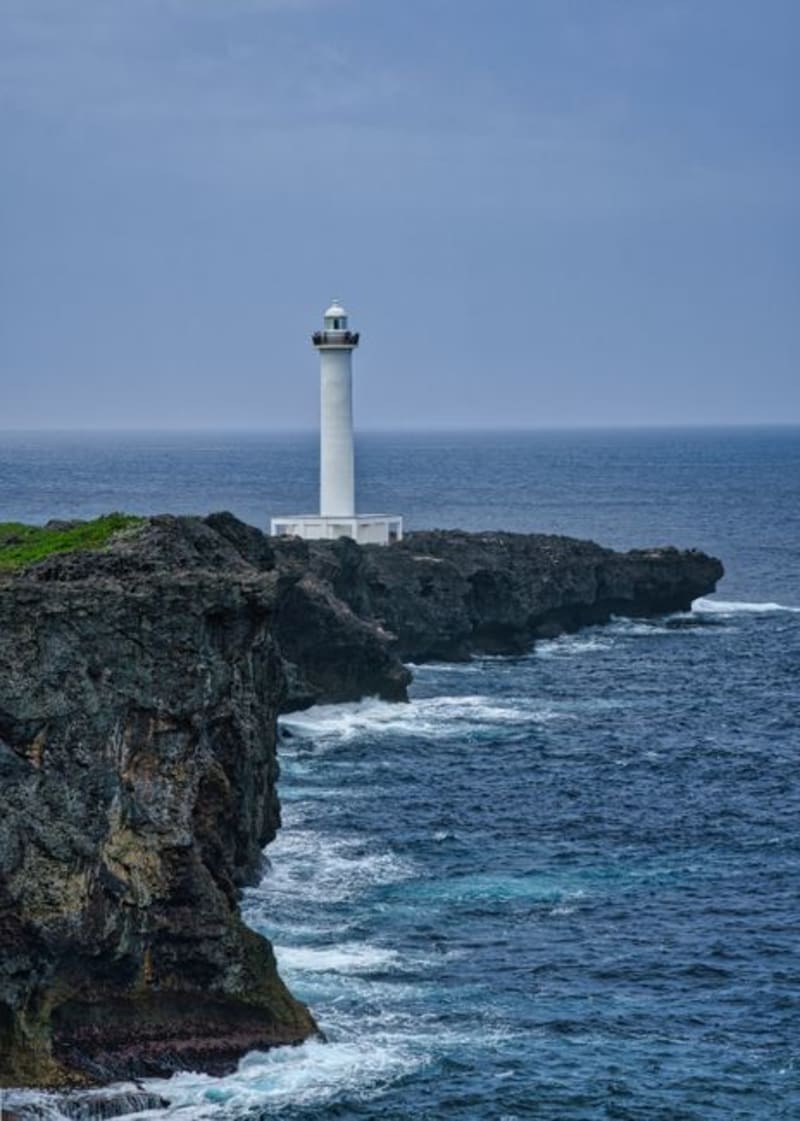 japan
japan Cape Hedo
Where Okinawa runs out of land and the East China Sea crashes into the Pacific along raw limestone cliffs.
Explore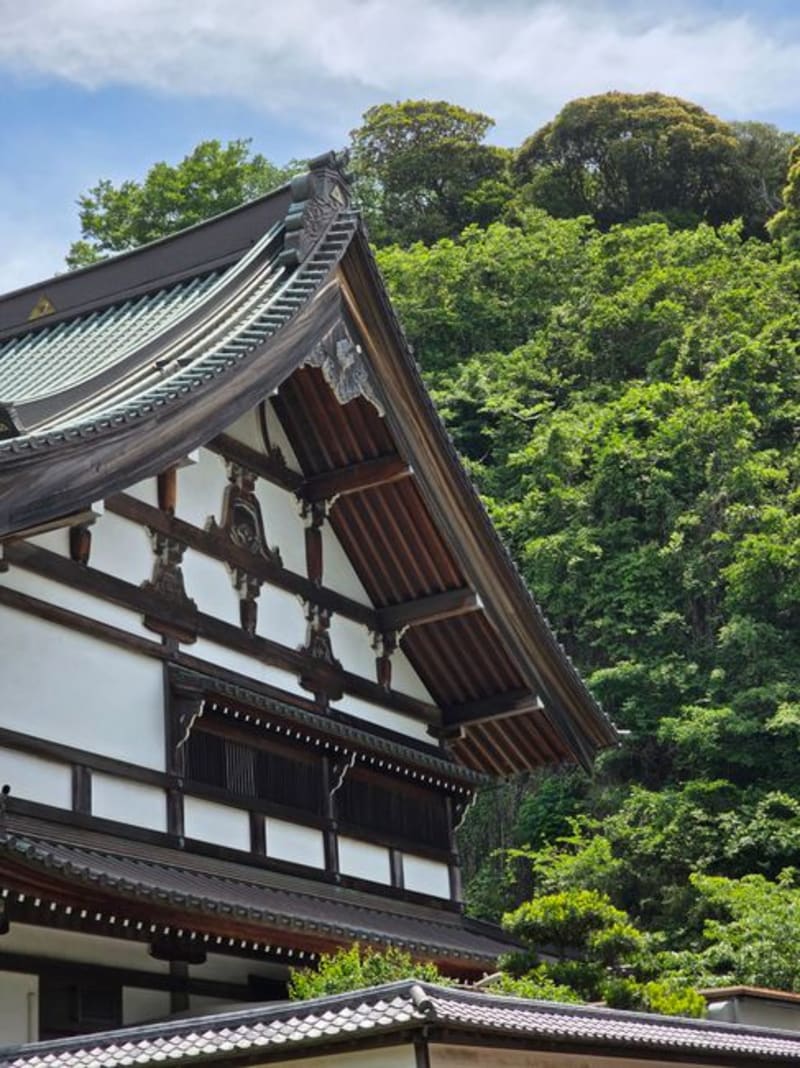 japan
japan Chiran
A single samurai street lined with Edo-period gardens sits a few kilometers from a former air base, where the Peace Museum for Kamikaze Pilots preserves the letters of the young men who flew out from here in 1945.
Explore