
Nagatoro
"The rock looked like someone had ironed a tatami mat out of stone and left it in the river."
A river gorge two hours from Tokyo where the Arakawa has carved a wide shelf of folded rock called Iwadatami — walkable at low water, and run through by rapids on a wooden boat. A quiet weekend escape that barely registers as an escape at all.

We went to Nagatoro almost by accident, the way a lot of our best days in Japan have started: Lia was scrolling through photos of river gorges one rainy Tokyo evening, looking for somewhere we could reach without a night train or a hotel booking, and she stopped on a picture of flat grey stone stacked in long straight lines like a floor. “That’s a river?” she said, turning the phone toward me. It didn’t look real. Two hours later, more or less, we were standing on that same stone, and it still didn’t look entirely real.
Walking Across Iwadatami
Iwadatami means “tatami-mat rocks,” and once you’re standing on it the name stops being poetic and starts being literal. The Arakawa has spent an immense stretch of time folding and eroding this stretch of riverbed until the layers of stone sit exposed in long, level bands, like a floor someone laid with a spirit level. At low water you can walk right out onto it, past shallow pools and the ridged edges where one layer of rock meets the next, with the river running green and cold just beyond your feet. Lia crouched down every few steps to trace the lines in the stone with her finger, half convinced they were man-made. A protected National Natural Monument, and one of those rare places where the geology is the entire point, and it still manages to feel intimate rather than clinical.

The Rapids by Wooden Boat
A little upstream, guides in flat wooden boats take small groups down the same stretch of river the rock formed, and we booked a spot on one without really knowing what to expect. It started gently enough, the boatman poling us along calm water while pointing out herons in the shallows, and then the current picked up and the boat began to buck through a short run of rapids, spray coming up over the bow and Lia laughing louder than I’ve heard her laugh in months. The whole ride lasts only a matter of minutes, but it’s the kind of short, sharp thrill that reorders an afternoon. We came off soaked to the knees, grinning, and immediately wanted to do it again.

The Town and the Hills Above
Nagatoro’s town center is small enough to walk in twenty minutes, a strip of noodle shops and shaved-ice stands and a shrine tucked between them, and we spent the rest of the afternoon just wandering it without any real plan. A cable car climbs to a lookout on Mount Hodo where, on a clear day, the gorge lays itself out below in miniature, the river a pale ribbon cutting through green hills. We didn’t get a perfectly clear day, but even hazy the view had a stillness to it that Tokyo never quite allows. Sitting on a bench up there eating shaved ice with condensed milk, watching the light shift over the valley, I remember thinking this was exactly the kind of unglamorous, unphotographed day that ends up mattering more than the big ones.

Getting There
Nagatoro Station sits on the Chichibu Railway, and the simplest route from central Tokyo is a train to Ikebukuro followed by a transfer onto the Seibu or Chichibu lines, with the whole trip running around two hours depending on your connection. It’s an easy day trip, though staying the night lets you catch the gorge in the softer light of early morning before the day-trippers arrive. Iwadatami and the boat departure point are both a short walk from the station, and the town itself is compact enough to cover on foot. Bring shoes you don’t mind getting wet if you plan to walk out onto the rock shelf — it’s slicker than it looks.
Keep exploring
More of Kantō
Keep exploring
More from Kantō
 japan
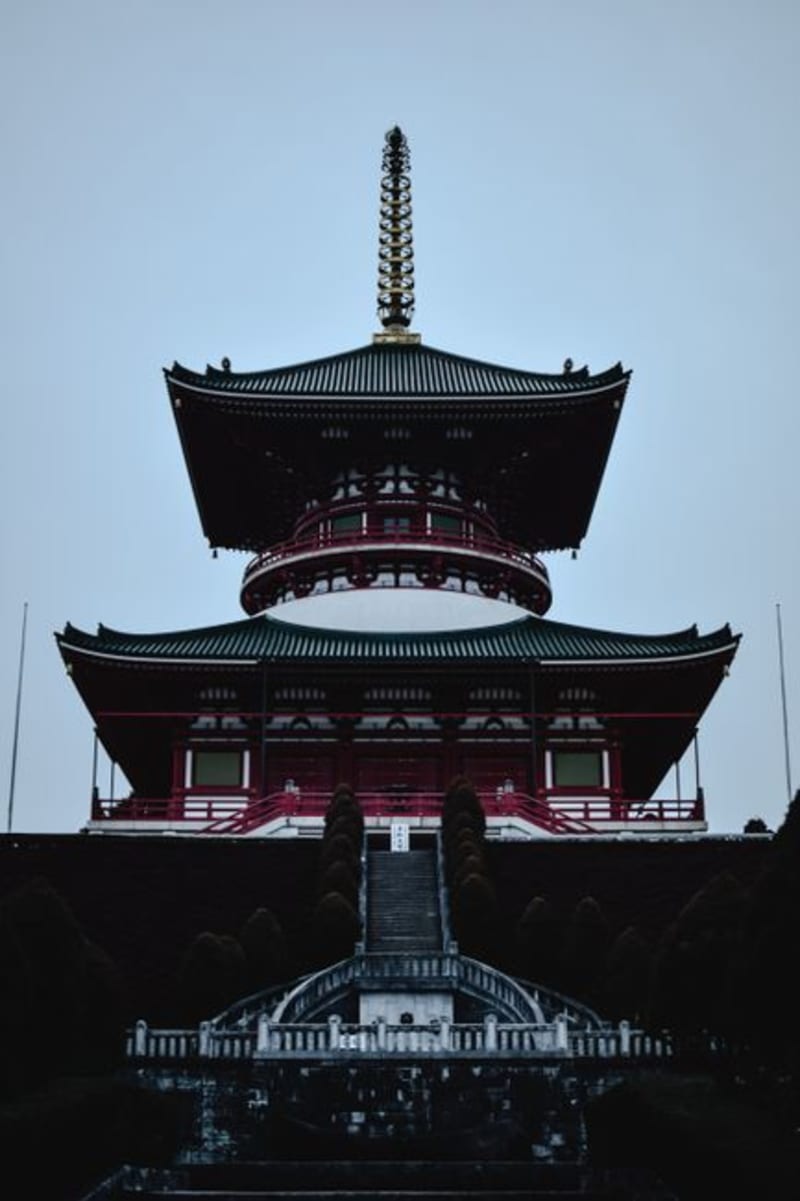
japan Narita
A Chiba temple town in the shadow of the international airport, where a grand thousand-year temple sits at the end of an old pilgrim street famous for grilled eel. A surprising first or last taste of Japan, far richer than its runway-side reputation suggests.
Explore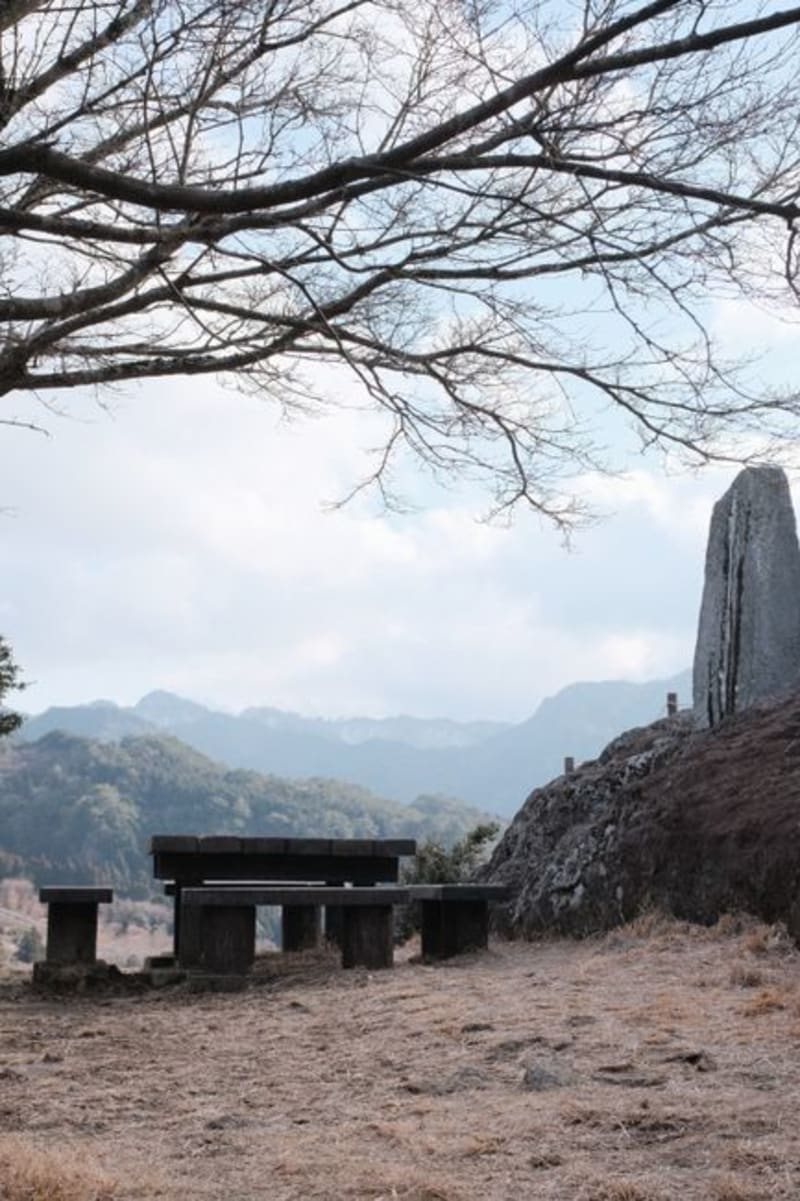 japan
japan Nasu
A breezy Tochigi highland of hot springs, dairy ranches, and volcanic slopes, long favoured by the imperial family as a summer escape. Nasu is where Tokyo goes to breathe — pine air, soft-serve ice cream, and steaming baths under an active mountain. We came for a night and stretched it to three.
Explore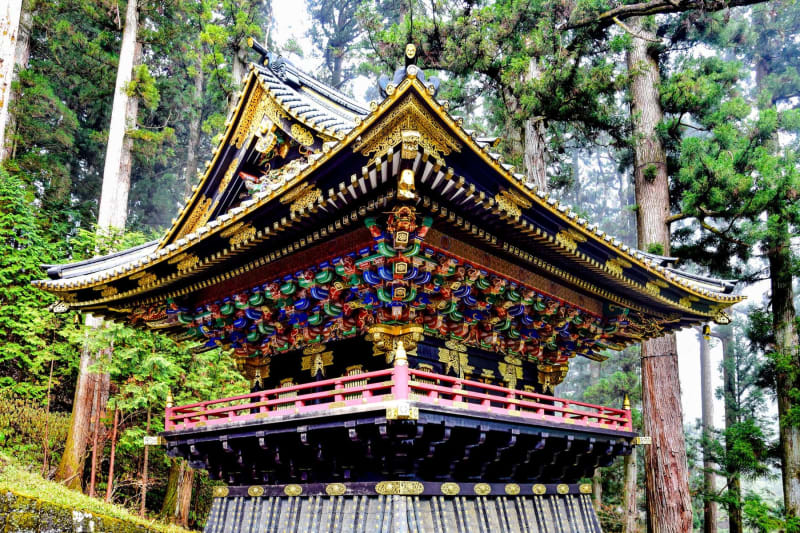 japan
japan Nikko
Extravagant Edo-era shrines buried in cedar forest, a deliberate overstatement of devotion.
Explore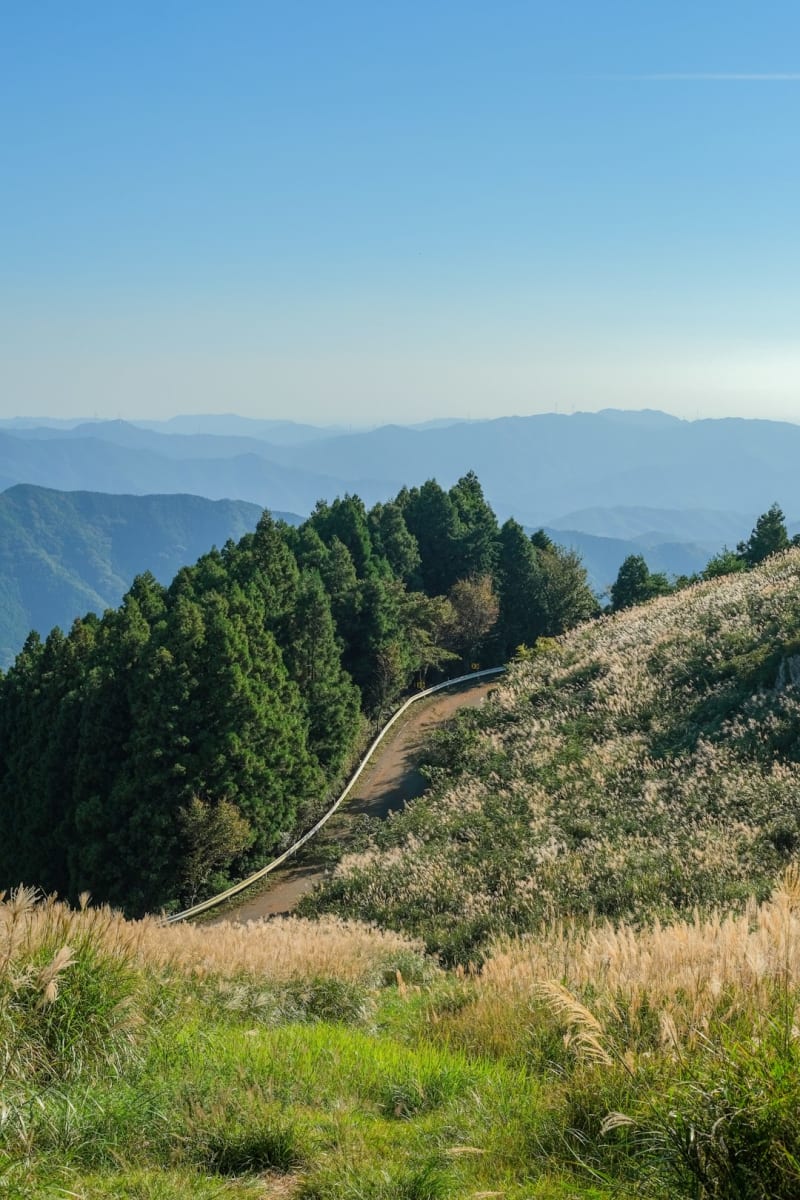 japan
japan Nokogiriyama
A jagged former quarry mountain across Tokyo Bay in Chiba, where a vertiginous clifftop lookout offers a 'peek into hell', a giant stone Buddha sits carved into the rock, and hundreds of weathered arhats watch from the hillside. Raw stone, sweeping bay views, and an easy escape by ferry.
Explore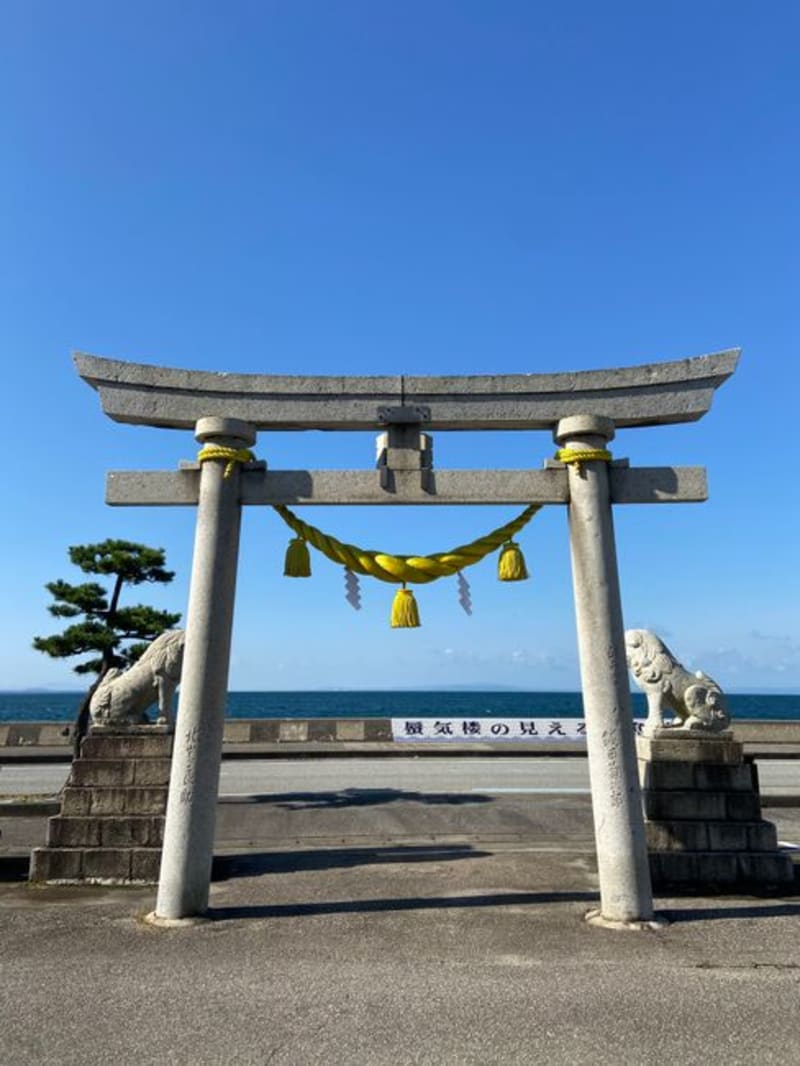 japan
japan Ōarai
A working seaside town on the Ibaraki coast where a lone shrine gate stands out on the wave-battered rocks, catching fire with the sunrise. Add a great aquarium, ferries bound for Hokkaidō, and a devoted following of anime pilgrims, and you have a place that rewards early risers.
Explore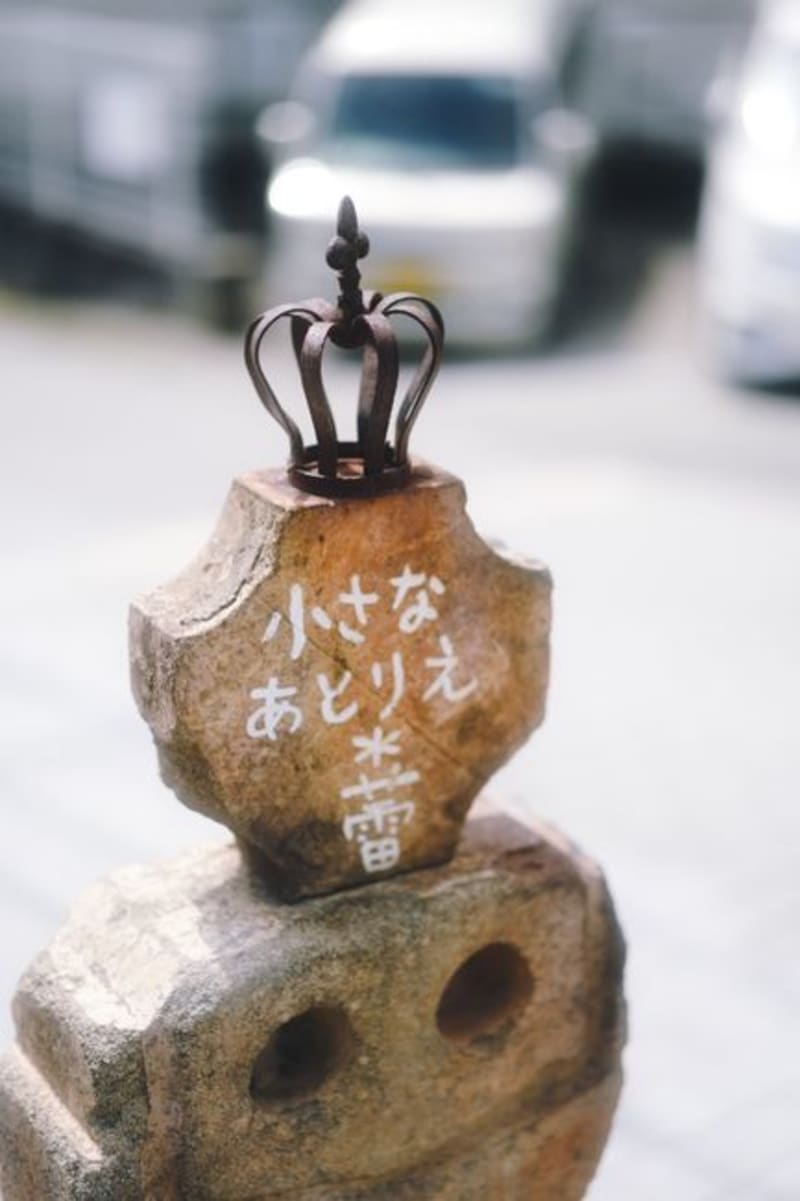 japan
japan Odawara
A castle town on the old Tokaido road, thirty-five minutes from Tokyo by shinkansen, built on centuries of kamaboko fish-cake craft. A gateway to Hakone that's worth a slow afternoon in its own right, especially in cherry blossom season.
Explore