Nasu
"The whole plateau smelled of pine, cows, and faint sulphur, and we never wanted to leave."
A breezy Tochigi highland of hot springs, dairy ranches, and volcanic slopes, long favoured by the imperial family as a summer escape. Nasu is where Tokyo goes to breathe — pine air, soft-serve ice cream, and steaming baths under an active mountain. We came for a night and stretched it to three.

We arrived at Nasu tired and slightly sick of cities. Three weeks of Japan’s beautiful, relentless density had worn us down, and Lia said, half-joking, that she wanted to see a cow. Nasu delivered cows. It also delivered a cool, resinous mountain air that hit us the moment we stepped off the bus, and I felt something unknot in my chest. This is a highland the way the Japanese imagine highlands — gentle, green, faintly aristocratic, with a volcano smoking quietly overhead.
The Mountain and Its Steam
Mount Nasu, or Chausudake, is very much alive. A ropeway carries you most of the way up, and from the top station a rocky trail climbs to the crater, where sulphur vents hiss and stain the stone yellow and the wind comes hard enough to lean into. We hiked up on a bright, blustery morning, the plain of Kanto spread out behind us like a map. It’s not a difficult climb, but the mountain reminds you it’s serious — signs mark the shelters, the steam smells sharp, and the summit weather turns on a whim. Coming down, we passed the older Sessho-seki, the “killing stone,” a lump of volcanic rock wrapped in legend as the resting place of a murderous nine-tailed fox spirit. It cracked in two a few years back, which the internet took as an omen. Standing before it in the sulphur reek, I could see why people invented a demon to explain the ground.

Ranches, Milk, and the Imperial Air
Down on the plateau, Nasu is dairy country, and it wears it proudly. The ranches sell milk, cheese, and the kind of soft-serve ice cream that ruins you for all other soft-serve — dense, cold, tasting of actual grass-fed cream. We spent an entire afternoon grazing our way between farm stalls, unbothered, sunburnt, happy. There’s a genteel quality to the whole region, and it isn’t imagined: the imperial family keeps a summer villa here, the Nasu Goyotei, and part of its grounds opened to the public as a nature park. You feel the reason the emperors came. It’s the coolness, the green, the sense of a place deliberately kept unhurried. After weeks of trains and crowds, it was exactly the medicine we needed.

Soaking It Off at Shika-no-yu
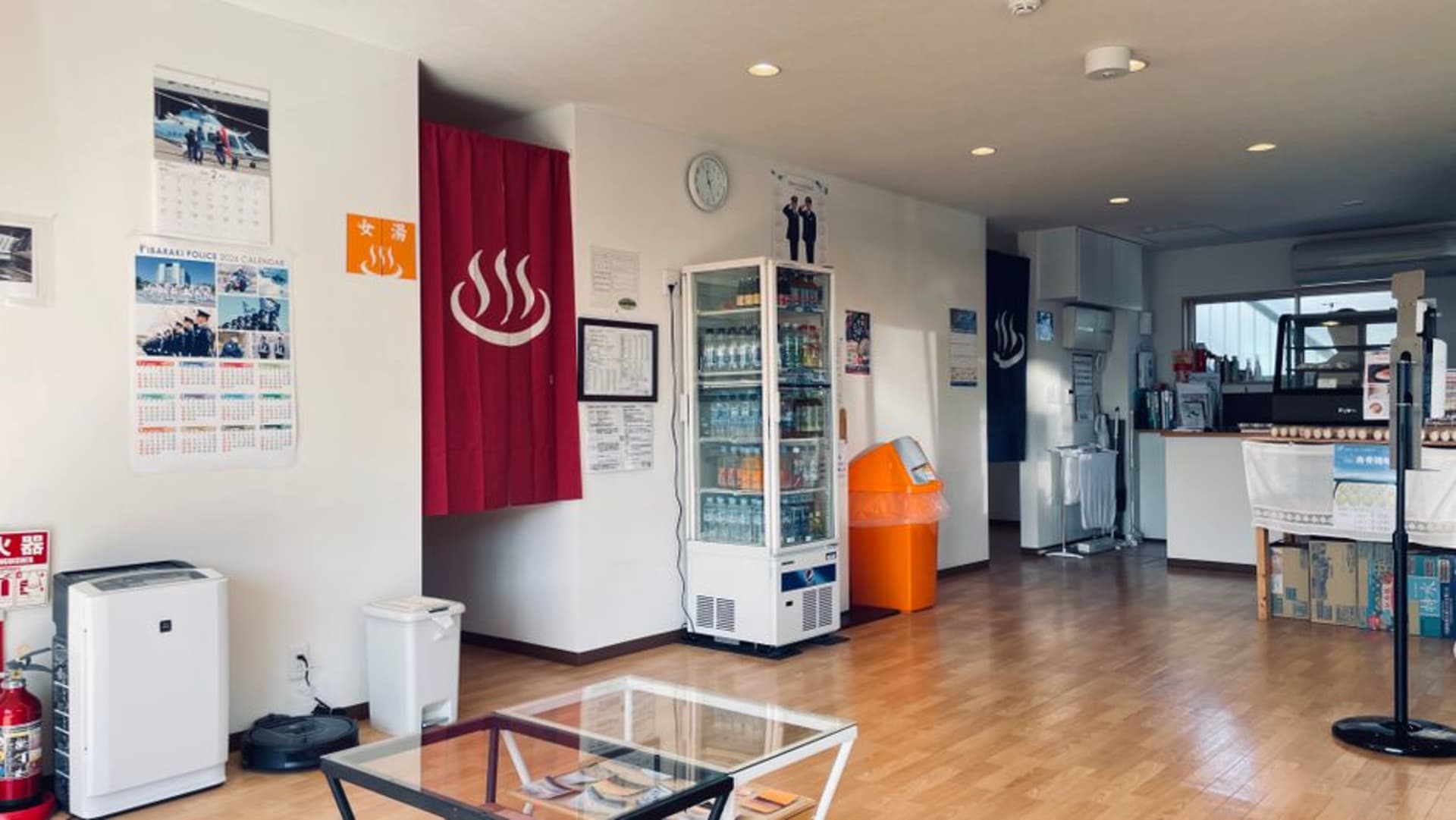
Nasu has been an onsen town for over a thousand years, and its oldest bath, Shika-no-yu — the “deer’s hot spring,” named for a wounded deer said to have healed in its waters — is a plain wooden bathhouse of milky, sulphurous water and fierce heat. We went in the evening, the light going blue outside the steamed windows, and I lowered myself into water hot enough to make me gasp while an old local chuckled at the foreigner’s face. There’s a ritual here of dousing yourself in stages, moving between pools of different temperatures, and I fumbled it and got corrected, kindly. Afterwards we walked back to our inn boneless and pink, the mountain air cold on wet hair, and slept the deepest sleep of the whole trip.

Getting There
Nasu is refreshingly reachable for how remote it feels. The Tohoku Shinkansen from Tokyo to Nasu-Shiobara station takes about seventy minutes, and from there local buses climb up to the Nasu highland, the onsen village, and the ropeway base — reckon another forty minutes or so. A car makes the ranches and scattered farm stands far easier, and we half-wished we’d rented one. Come in early summer for the coolest air and greenest pastures, or in October when the volcanic slopes turn scarlet. Give it more than a day. We meant to give it one, and gave it three, and still left reluctantly.
Keep exploring
More of Kantō
Keep exploring
More from Kantō
 japan
japan Kinugawa Onsen
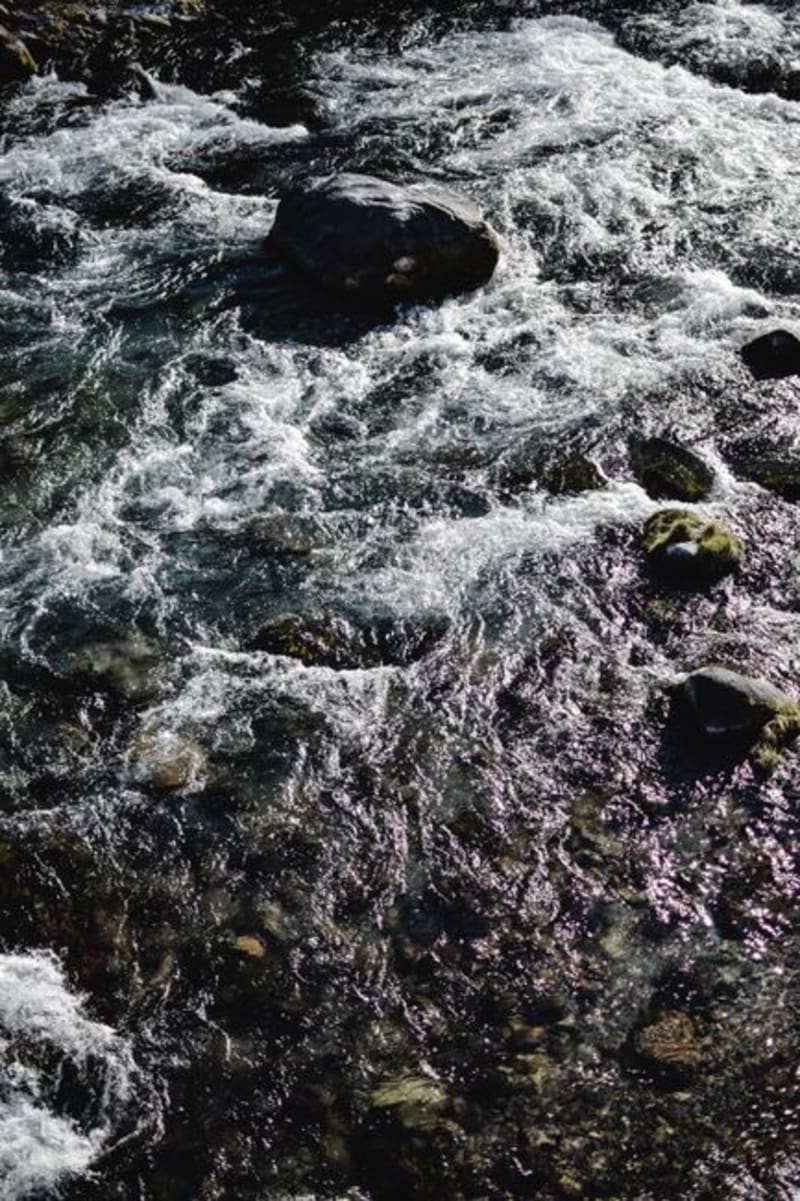
A Tochigi gorge hot-spring resort strung along a jade-green river, an easy detour from the temples of Nikko. Kinugawa is a place of grand riverside bathhouses, a wooden pleasure-boat drifting between cliffs, and — endearingly — a faint air of faded bubble-era glory. We came to soak, and found the melancholy oddly beautiful.
Explore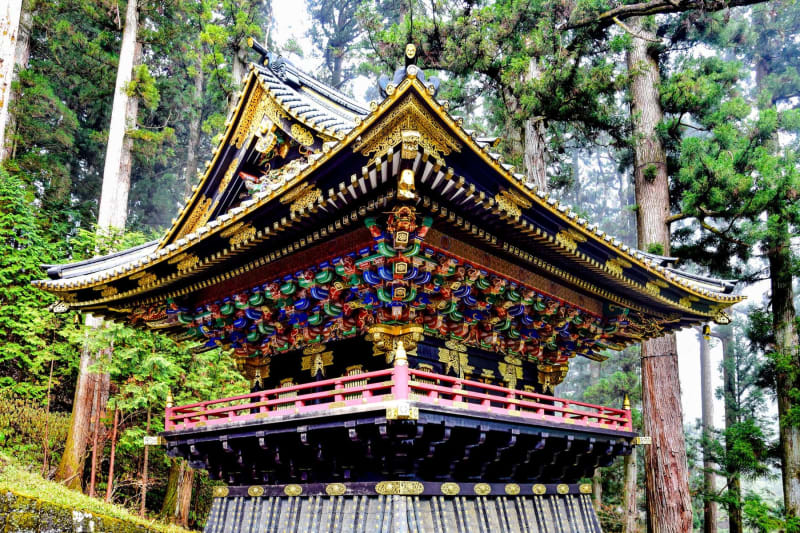 japan
japan Nikko
Extravagant Edo-era shrines buried in cedar forest, a deliberate overstatement of devotion.
Explore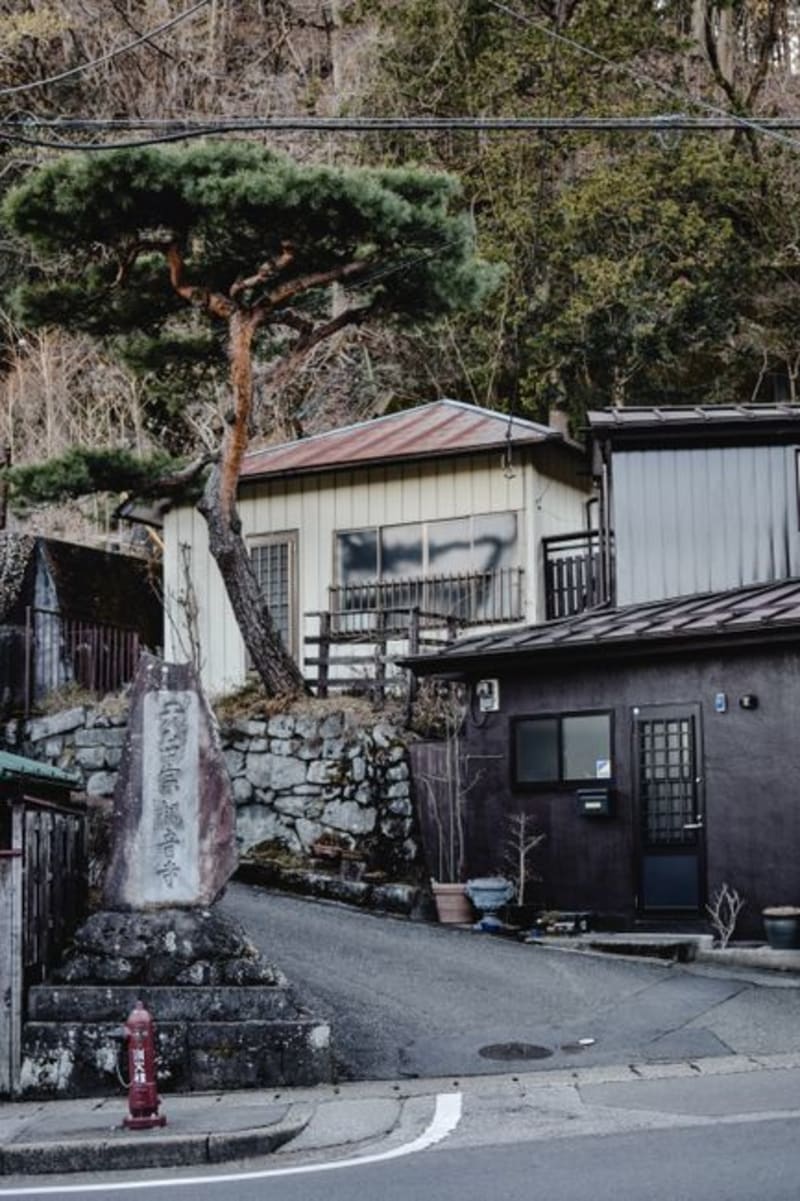 japan
japan Mashiko
A Tochigi pottery town where the clay is coarse, the glazes are earthy, and beauty is supposed to come from use. Home of the mingei folk-craft movement and Shoji Hamada's kilns, Mashiko fills twice a year with a sprawling pottery fair. It taught us to buy the cup with the thumbprint still in it.
Explore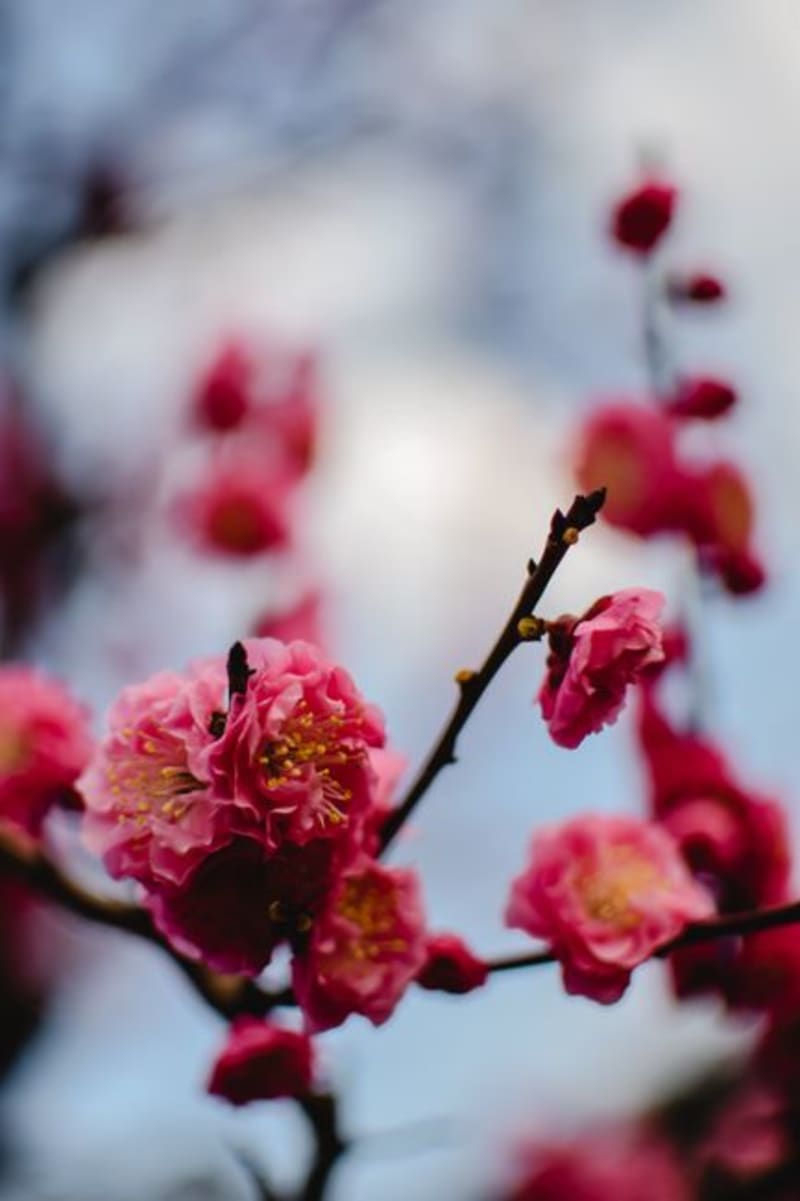 japan
japan Mito
The capital of Ibaraki, built around one of Japan's three great landscape gardens. In late winter three thousand plum trees turn Kairakuen pink and white and fill the cold air with scent, while an elegant wooden pavilion looks out over it all — and the town quietly insists you try its famous fermented beans.
Explore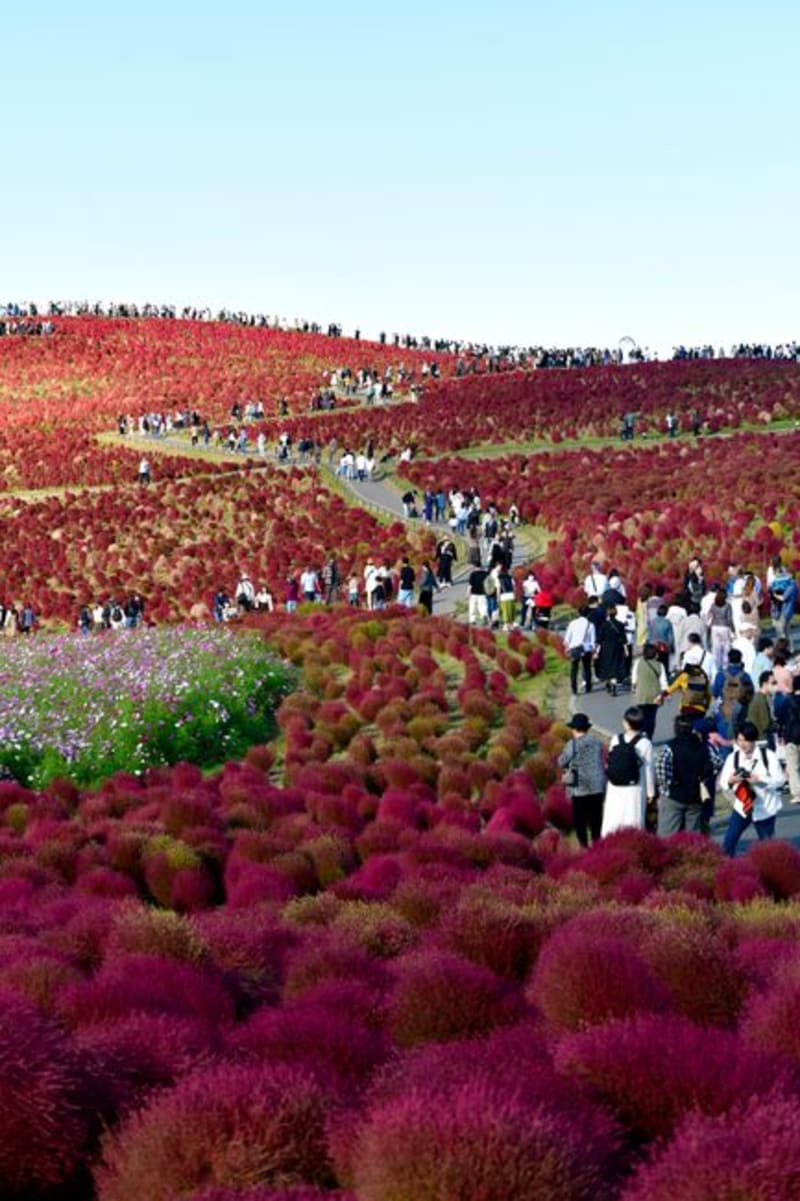 japan
japan Hitachi Seaside Park
A vast coastal park on the Ibaraki shore where, for a few weeks each spring, a whole hill turns sky-blue with millions of nemophila — and in autumn the same slope burns crimson with round bushes of kochia. One of the most photographed places in Japan, and for once the photographs undersell it.
Explore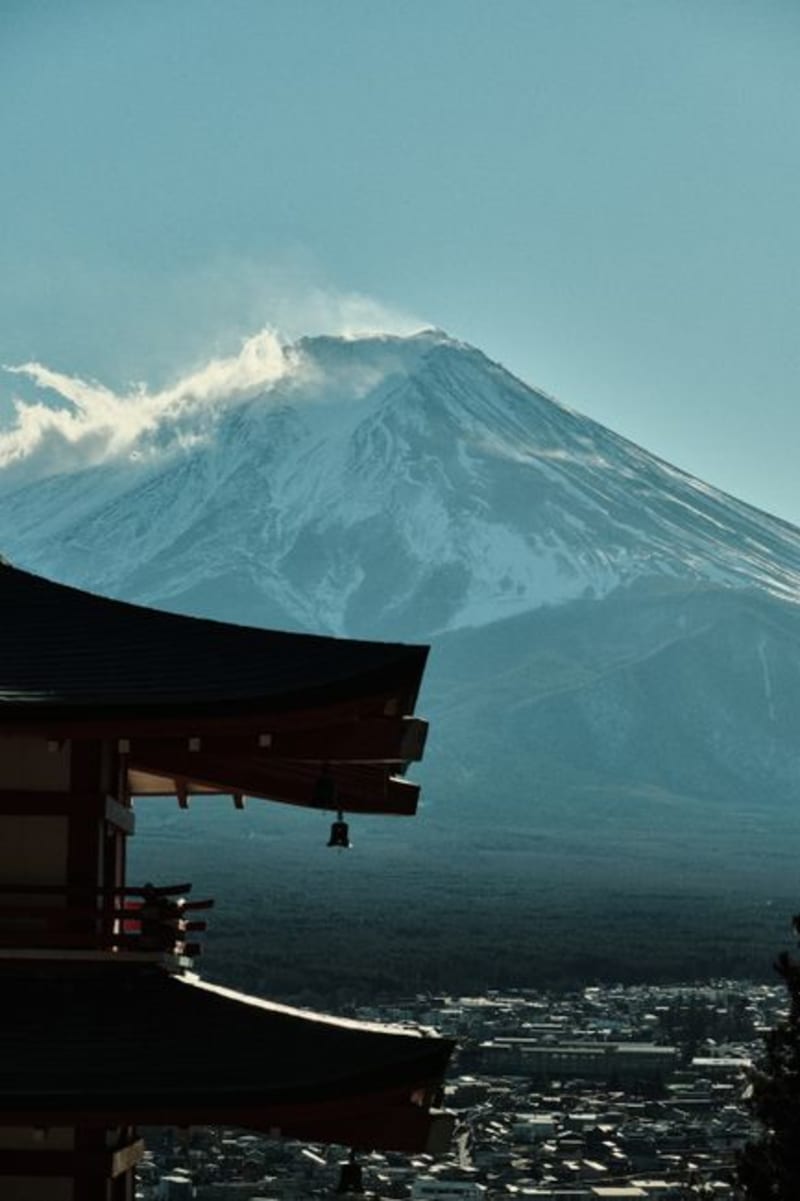 japan
japan Mount Tsukuba
A shapely twin-peaked mountain rising alone from the flat Kanto plain, revered since antiquity and paired in old sayings with Mount Fuji. At its foot sprawls Tsukuba Science City, a planned town of laboratories and researchers. Ancient shrine above, particle physics below, and a cable car strung between the two worlds.
Explore