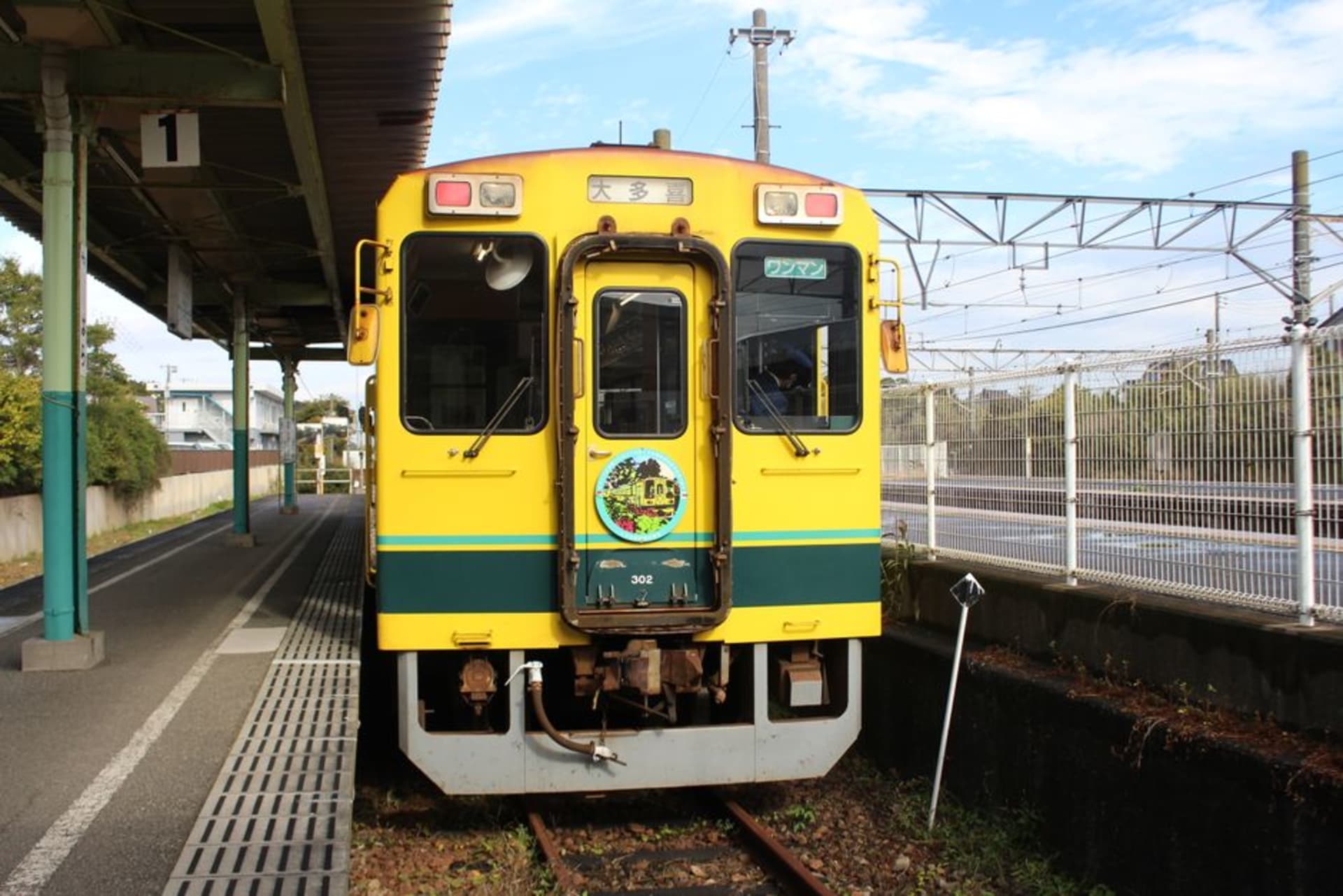
Isumi Railway
"It was one carriage, one track, and one endless field of yellow flowers. Nobody else seemed to know it was there."
A slow, nearly empty branch line in rural Chiba where a canary-yellow single-car 'Moomin train' runs past fields of rapeseed blazing yellow each March, timed to overlap with the region's cherry blossoms.

We found the Isumi Railway by accident, the way you sometimes find the best things in Japan — scrolling too far into train enthusiast forums looking for something else entirely. Someone had posted a photo of a small yellow train cutting through a solid field of yellow flowers, and Lia, who has an unreasonable fondness for small regional trains nobody else seems to ride, decided on the spot that we were going to Chiba.
Fields of Rapeseed, a Train the Same Color
The Isumi Railway is a short, slow local line running through rural Chiba, and every March the fields alongside its tracks erupt into a solid, startling yellow as the rapeseed comes into bloom, timed roughly to overlap with the cherry blossoms along the same stretch — pink above, yellow below, an odd and beautiful combination that neither of us had planned for and both of us were thrilled by. The railway leans into the coincidence, running its canary-yellow single-car trains right through the middle of it, so that for a few weeks a year the whole landscape and the train itself seem to be wearing matching colors. We got off at a random stop with no real plan and just stood in a field for twenty minutes, doing nothing but looking.

The Moomin Train
Part of the line’s charm, and its small but devoted following, comes from a series of trains decorated with characters from the Moomin books, a partnership that feels wonderfully out of place on a rural Japanese branch line and yet somehow fits its gentle, slightly whimsical character perfectly. We happened to catch one on our second ride of the day — pale characters painted along the carriage sides, a cheerful mismatch against the plain countryside sliding past the windows. Lia, who grew up on the Moomin stories in France, spent the whole ride with her face nearly against the glass, unreasonably delighted by a decal on a single-car train in the middle of nowhere.

A Line That’s Stayed Small
What makes the Isumi Railway worth the trip, beyond the flowers, is how completely unbothered it is by being a tourist attraction. It survives mainly as a genuine local line, carrying schoolkids and elderly residents between small stations with wooden platforms and no ticket gates, the kind of nearly-empty branch line that most visitors to Japan never think to look for. We rode it end to end over the course of an afternoon, hopping off at whichever station looked interesting, walking short stretches between towns, and never once felt like we were competing with a crowd for the view. It’s slow travel in the most literal sense, and after months of bullet trains and packed platforms, that slowness felt like its own kind of luxury.

Getting There
The Isumi Railway connects at Ohara Station with the JR Sotobo Line, which runs from central Tokyo in around ninety minutes. From Ohara, the Isumi Railway itself is a separate, cheap local ticket you buy for the line specifically, with trains running at a relaxed, infrequent pace, so it’s worth checking the timetable before you go rather than assuming you can hop straight on. The rapeseed and cherry blossom overlap is a narrow window in March, so if that’s the draw, time the trip carefully and keep expectations flexible around exact bloom dates, which shift year to year with the weather.
Keep exploring
More of Kantō
Keep exploring
More from Kantō
 japan
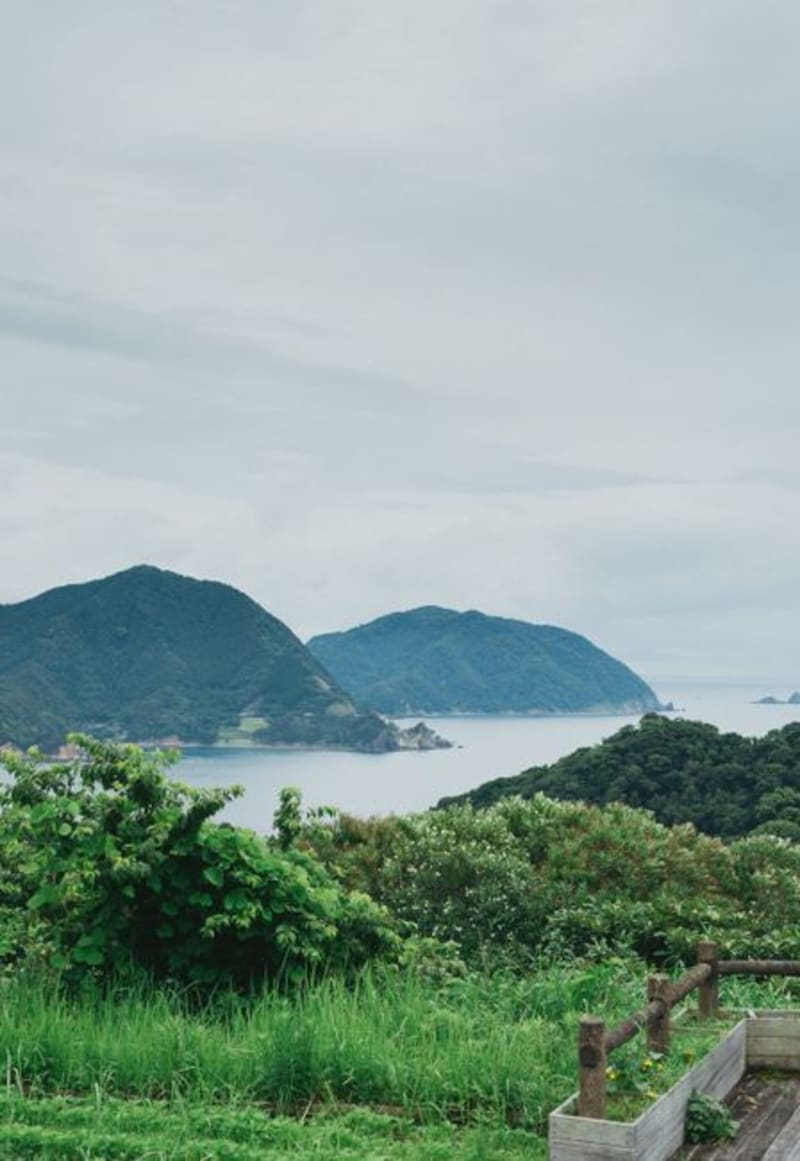
japan Izu Oshima
A volcanic island still technically part of Tokyo, dominated by the active Mount Mihara and a black-sand 'moon desert,' where millions of camellia blossoms feed a century-old hair-oil trade every winter.
Explore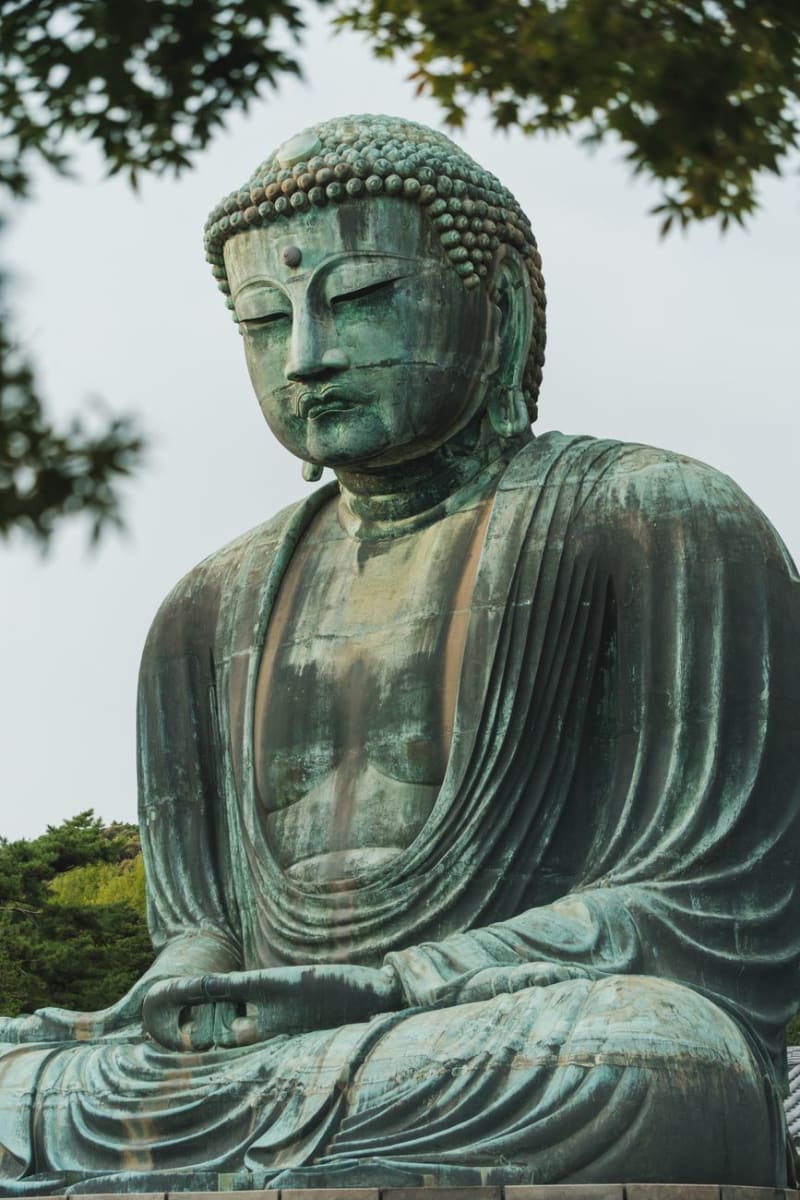 japan
japan Kamakura
A seaside temple town an hour from Tokyo, where a giant bronze Buddha sits open to the sky and the hills behind hide some of Japan's quietest shrines.
Explore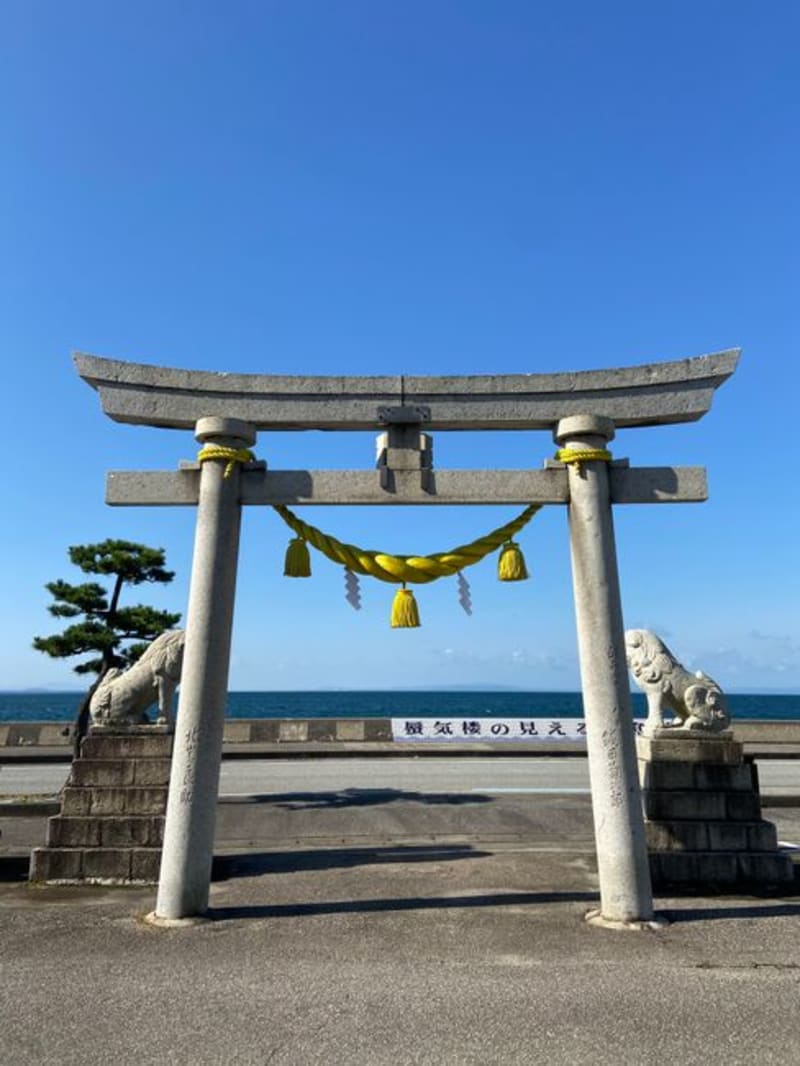 japan
japan Kamogawa
A Chiba town strung along the open Pacific, where surfers wait on grey dawn swells, a famous aquarium keeps orcas, and terraced sea-rice paddies fall in green steps toward the water. Close enough to Tokyo to be a day's escape, far enough to feel like the coast has finally opened up.
Explore japan
japan Kasama
A pottery and pilgrimage town ninety minutes from Tokyo, home to one of Japan's three great Inari shrines and a ceramics tradition, Kasama-yaki, that's been fed by the region's iron-rich clay since the 1770s.
Explore japan
japan Katsuura
A weather-softened fishing town on the Pacific side of Chiba, home to one of Japan's three oldest morning markets, going strong for more than four centuries. Grandmothers selling seaweed off blue tarps, a coastline of tide pools, and tuna hauled in fresh enough to shame the city. Slow, salt-stained, and utterly unbothered by trends.
Explore japan
japan Kawagoe
A Saitama town that kept its Edo-era face when Tokyo lost its own — a street of black clay-walled warehouses, a wooden bell tower that still marks the hours, and an alley that smells of burnt sugar. The easiest half-day escape from the capital I know.
Explore