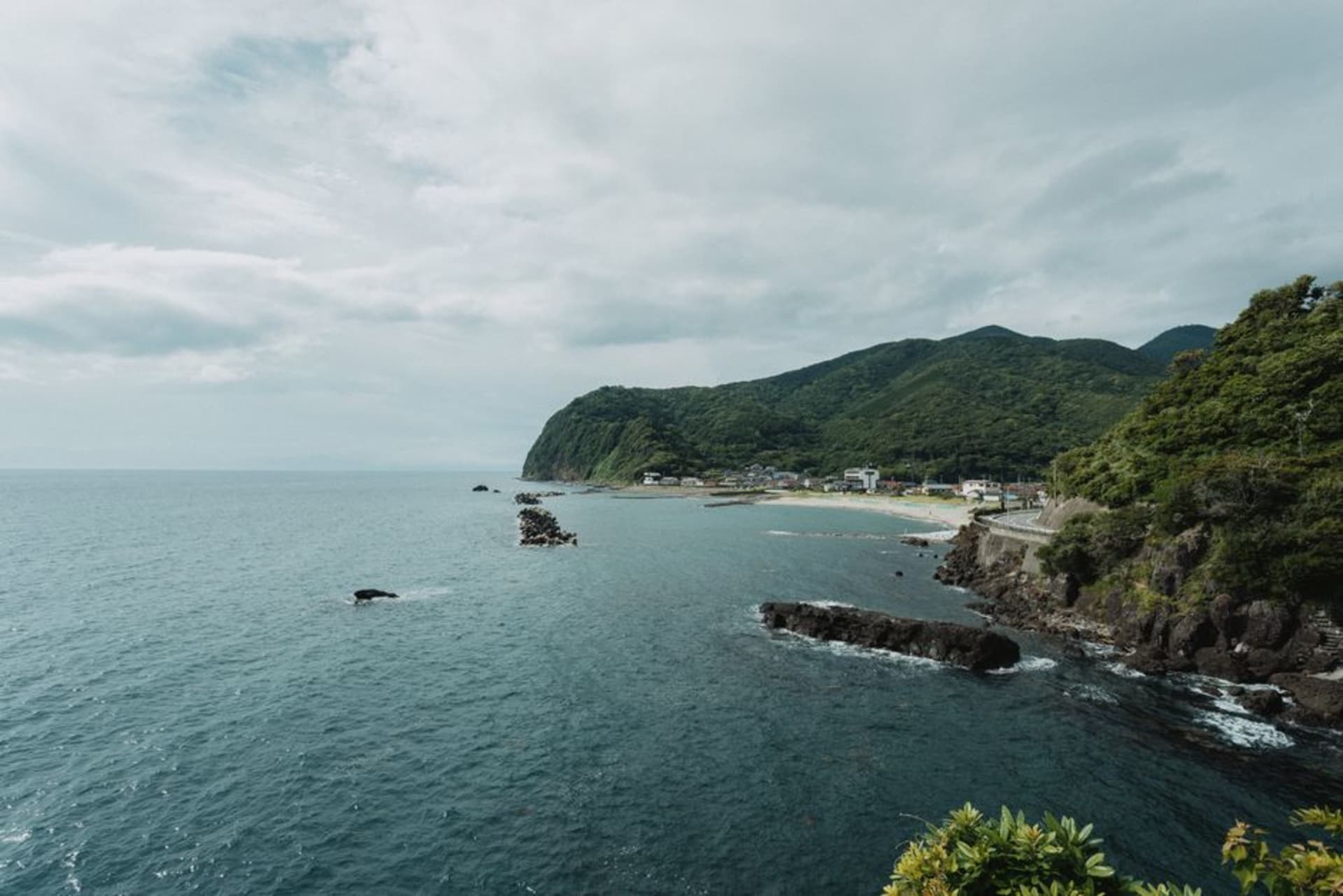
Izu Oshima
"We were still inside Tokyo's city limits, and it looked like the surface of another planet."
A volcanic island still technically part of Tokyo, dominated by the active Mount Mihara and a black-sand 'moon desert,' where millions of camellia blossoms feed a century-old hair-oil trade every winter.

We took the ferry out of Tokyo on a whim, mostly because Lia couldn’t quite believe an active volcano was administratively part of the same city we’d been living in for months. Izu Oshima sits about a hundred kilometers south, close enough to reach in a morning and far enough that it feels like leaving the country entirely. By the time the mainland disappeared behind us and the island’s dark cone came into view, I understood why she’d insisted.
Mount Mihara and the Moon Desert
Mount Mihara is the island’s whole personality — an active volcano whose 1986 eruption forced the evacuation of the entire population, a fact that still hangs over the place even now that the crater sits quiet and walkable. We hiked up along a trail through fields of black volcanic gravel toward the rim, the ground crunching underfoot in a way that felt more like walking on cinders than earth. Nearby, a stretch of black-sand slopes called Urasabaku — nicknamed the “moon desert” — spreads out in dark, wind-rippled dunes with almost nothing growing on them. Standing there, the crater smoking faintly behind us and nothing but black sand ahead, Lia said it was the least Japan had ever felt like Japan, and she meant it as the highest compliment.

A Sea of Camellias
We’d timed the trip for winter without fully realizing what that meant until we saw it: Izu Oshima blooms with millions of camellia flowers between roughly December and March, entire hillsides turning red and pink with blossoms that most of the mainland has no equivalent for. The flowers aren’t just decorative — they feed a genuinely old local industry, Oshima Tsubaki hair oil, pressed from camellia seeds in a tradition that’s been running here for over a century. We visited a small pressing workshop where the oil is still extracted using traditional methods, the whole room smelling faintly sweet, and Lia bought a bottle she still uses at home, insisting it’s better than anything from a pharmacy.

The Coast in Between
Between the volcano and the camellia groves, the island’s coastline does its own quiet work — black volcanic cliffs dropping into a startlingly clear sea, small fishing harbors tucked into coves, the kind of scenery that would draw crowds anywhere less overshadowed by its own volcano. We rented scooters for an afternoon and just followed the coast road, stopping wherever the view demanded it, eating grilled fish at a tiny harborside stall where the owner seemed genuinely surprised to see outsiders. It’s the kind of island where the drama up top makes you forget there’s a whole gentle, ordinary coastline running around the edges.

Getting There
High-speed ferries run from Takeshiba Pier in central Tokyo to Izu Oshima in about one hour forty-five minutes, making it a genuine day-trip option, though an overnight stay gives you far more room to see both the crater and the camellia groves without rushing. Scooter and small-car rentals near the port are the easiest way to get around once you’re there, since the island’s sights are spread out along its coast road and up toward the crater rim. Sea conditions can affect ferry schedules, so it’s worth checking sailing status before you head to the pier, especially outside the calmer months.
Keep exploring
More of Kantō
Keep exploring
More from Kantō
 japan
japan Kamakura
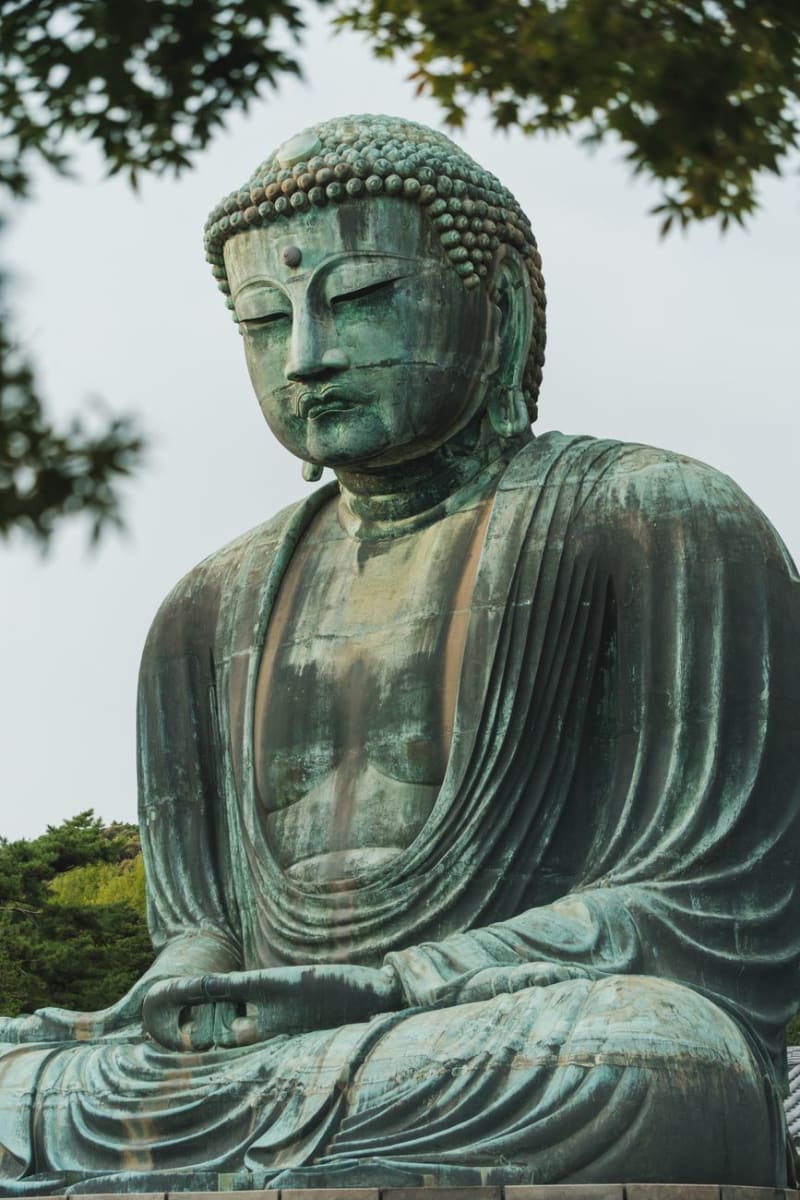
A seaside temple town an hour from Tokyo, where a giant bronze Buddha sits open to the sky and the hills behind hide some of Japan's quietest shrines.
Explore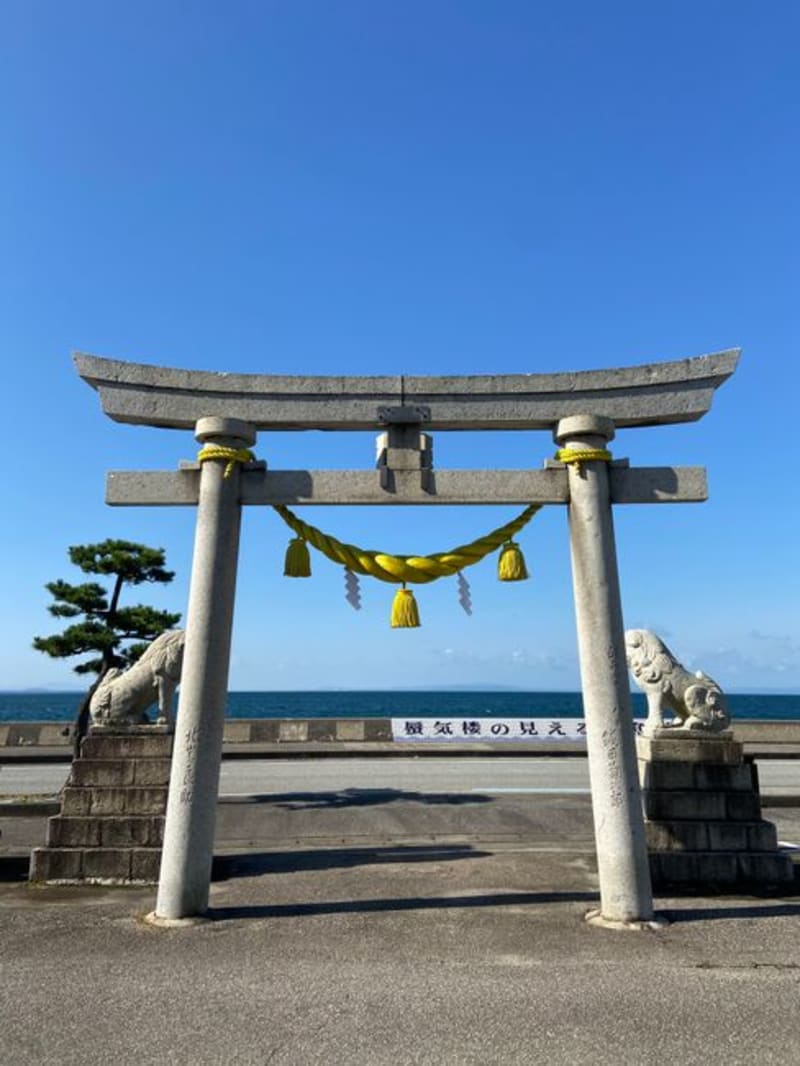 japan
japan Kamogawa
A Chiba town strung along the open Pacific, where surfers wait on grey dawn swells, a famous aquarium keeps orcas, and terraced sea-rice paddies fall in green steps toward the water. Close enough to Tokyo to be a day's escape, far enough to feel like the coast has finally opened up.
Explore japan
japan Kasama
A pottery and pilgrimage town ninety minutes from Tokyo, home to one of Japan's three great Inari shrines and a ceramics tradition, Kasama-yaki, that's been fed by the region's iron-rich clay since the 1770s.
Explore japan
japan Katsuura
A weather-softened fishing town on the Pacific side of Chiba, home to one of Japan's three oldest morning markets, going strong for more than four centuries. Grandmothers selling seaweed off blue tarps, a coastline of tide pools, and tuna hauled in fresh enough to shame the city. Slow, salt-stained, and utterly unbothered by trends.
Explore japan
japan Kawagoe
A Saitama town that kept its Edo-era face when Tokyo lost its own — a street of black clay-walled warehouses, a wooden bell tower that still marks the hours, and an alley that smells of burnt sugar. The easiest half-day escape from the capital I know.
Explore japan
japan Kinugawa Onsen
A Tochigi gorge hot-spring resort strung along a jade-green river, an easy detour from the temples of Nikko. Kinugawa is a place of grand riverside bathhouses, a wooden pleasure-boat drifting between cliffs, and — endearingly — a faint air of faded bubble-era glory. We came to soak, and found the melancholy oddly beautiful.
Explore