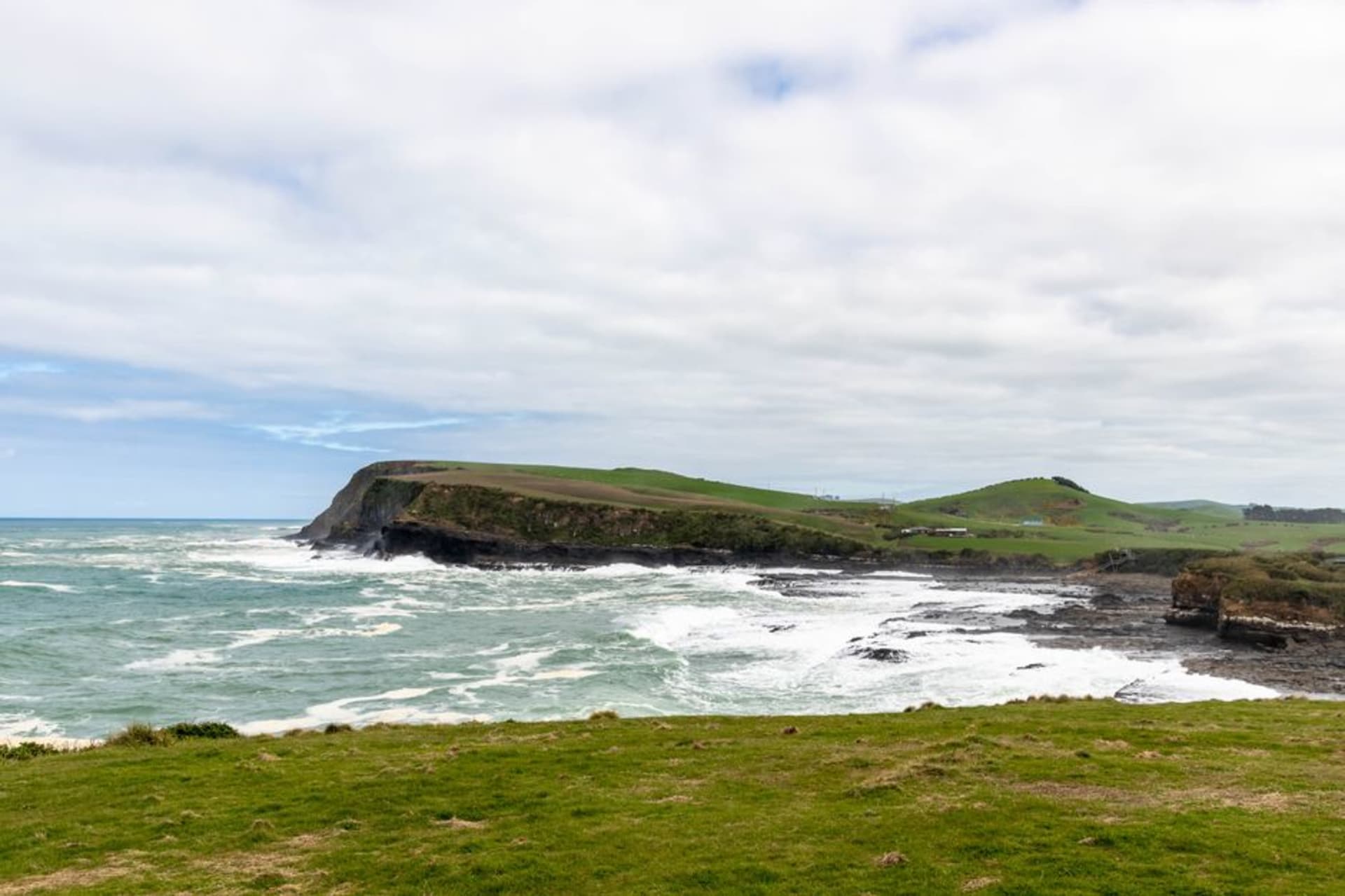
Cape Erimo
"There's a folk song about how the wind never stops at Erimo, and I spent one afternoon there confirming that it isn't an exaggeration."
A treeless, permanently windblown cape at the southern tip of the Hidaka coast where a colony of harbor seals hauls out on the rocks and the wind never fully stops.

There’s a well-known Japanese folk song, “Erimo Misaki,” with a line about wind that “blows even when there’s nothing,” and I hadn’t taken it especially literally until I stood at the actual cape and had to brace against gusts strong enough to genuinely worry about my footing on the wet rock. Cape Erimo sits at the southern tip of the Hidaka mountain range, where two ocean currents collide and a reef extends more than a kilometer out to sea, and the combination produces wind conditions locals describe, without much exaggeration, as blowing nearly year-round. I’d come from Sapporo through the Hidaka horse country, past paddocks of grazing thoroughbreds, and the landscape had felt gentle and agricultural right up until the road ran out at this bare, treeless point where nothing grows tall enough to survive.

What makes the cape worth the drive, beyond the wind itself, is the seal colony hauled out on the rocks just offshore — several hundred harbor seals at peak times, visible from an observation platform without need for a boat or binoculars stronger than what I had in my bag. I watched them for close to an hour, packed together on wet black rock, occasionally sliding into the water and reappearing somewhere else in the colony, entirely unbothered by the wind that was making it hard for me to hold my camera steady. There’s a small visitor center nearby, Kaze no Yakata — the “House of Wind” — with a wind tunnel exhibit that lets you experience something close to the cape’s average gusts in a controlled setting, which felt almost redundant after standing outside in the real thing.
The Hidaka coast leading up to the cape is Japan’s premier thoroughbred breeding region, and driving the coastal road in early morning meant passing dozens of farms with foals still unsteady on their legs standing beside mares in fields that run right up to the shoreline, an unexpectedly gentle image against the rougher drama waiting at the cape itself.

When to go: Any season technically works since the wind is a near-constant, but May through September gives the most comfortable viewing conditions and the best chance of spotting the seal colony active on the rocks. Winter wind here is aggressive enough to make walking the platform genuinely difficult.
Keep exploring
More of Hokkaidō
Keep exploring
More from Hokkaidō
 japan
japan Obihiro
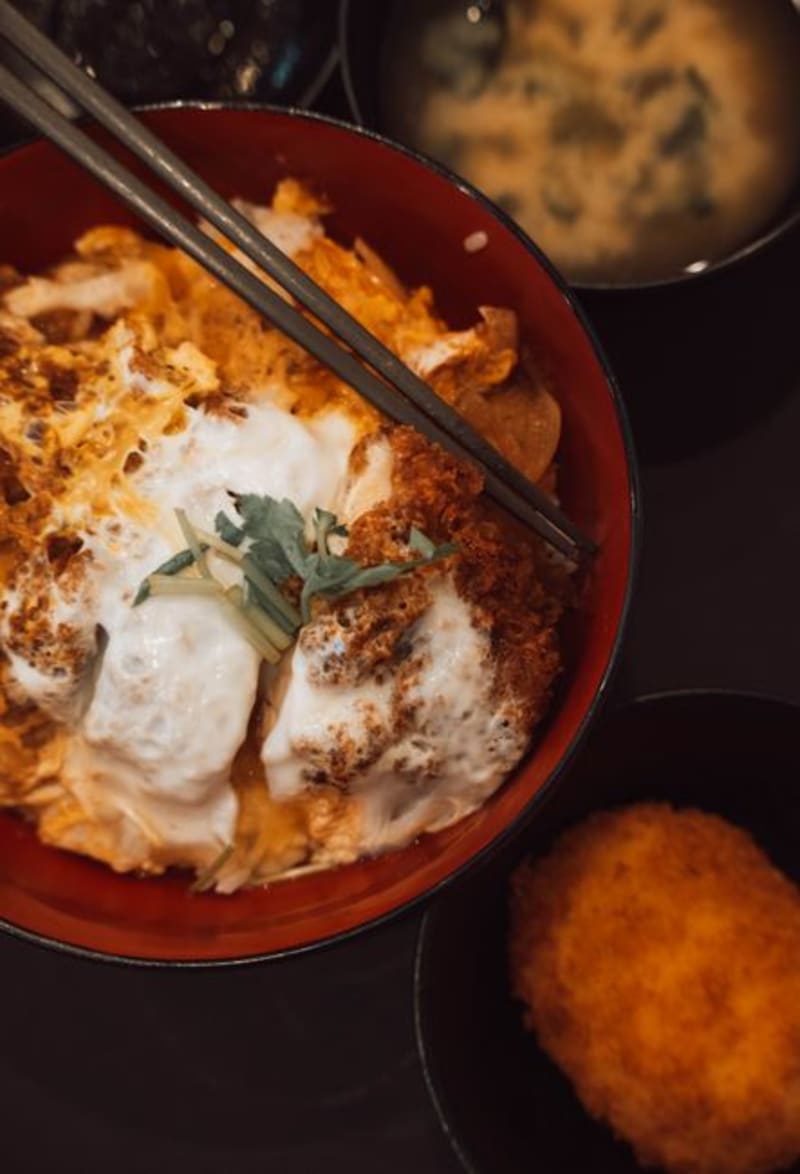
The hearty farm capital of the vast Tokachi plain in eastern Hokkaidō. Grilled-pork rice bowls, a proud confectionery tradition, garden trails through the fields, and enormous agricultural skies that go pink at either end of the day.
Explore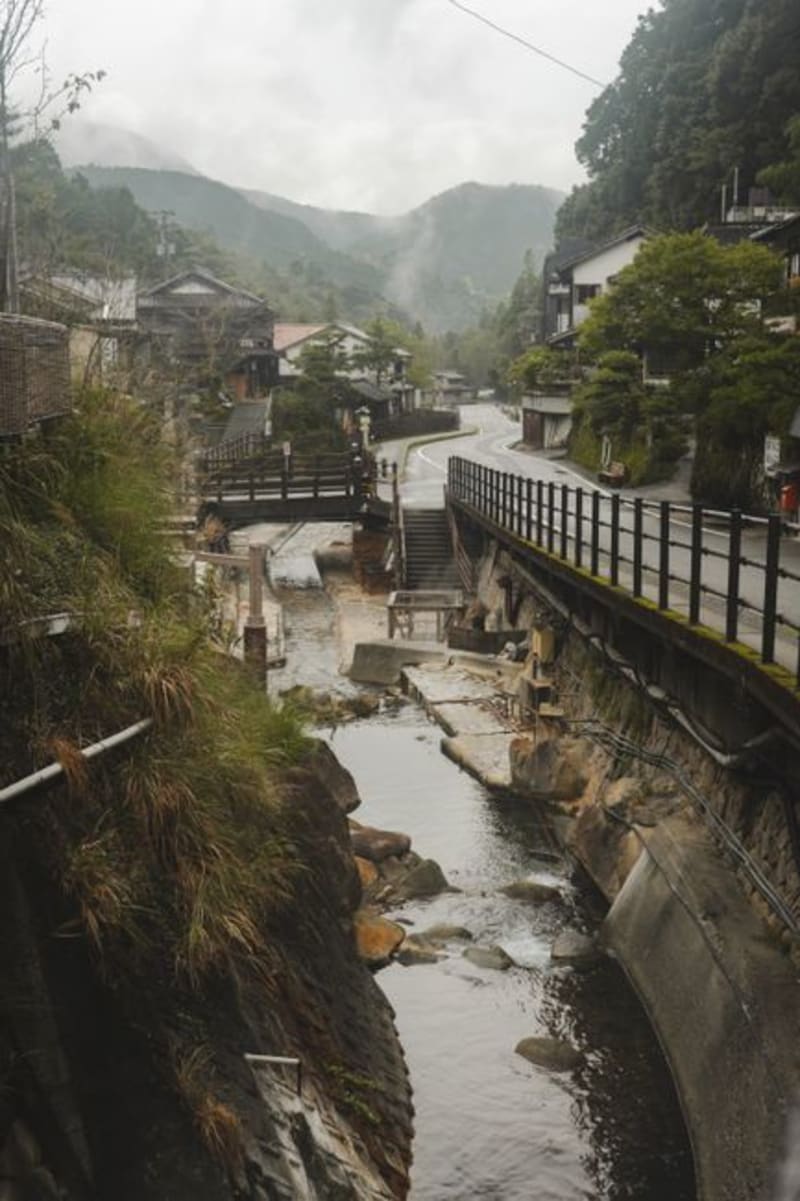 japan
japan Tokachigawa Onsen
A hot-spring town on the wide Tokachi plain whose water is unlike anywhere else in Japan — a rare amber 'moor' spring, rich with ancient peat, that turns your skin soft and smells faintly of the earth. Tokachigawa doesn't have mountains or a famous lake. It has this strange dark water, and it turns out that's enough.
Explore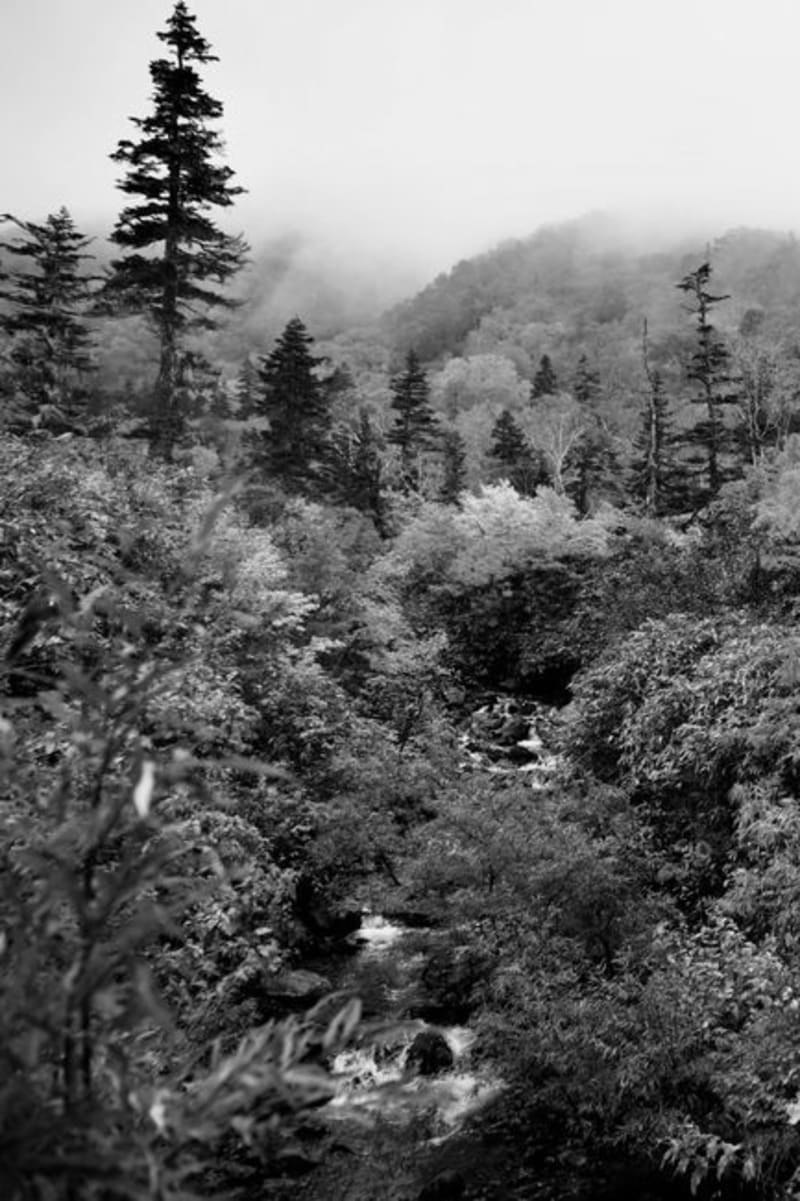 japan
japan Tomamu
A mountain resort in central Hokkaido known for its Unkai Terrace, where dawn spills a silent ocean of cloud across the valleys below. Twin glass towers rise from the forest, and the whole place is built around one gamble: that you'll wake before sunrise for a sea that may or may not appear. We took the bet twice.
Explore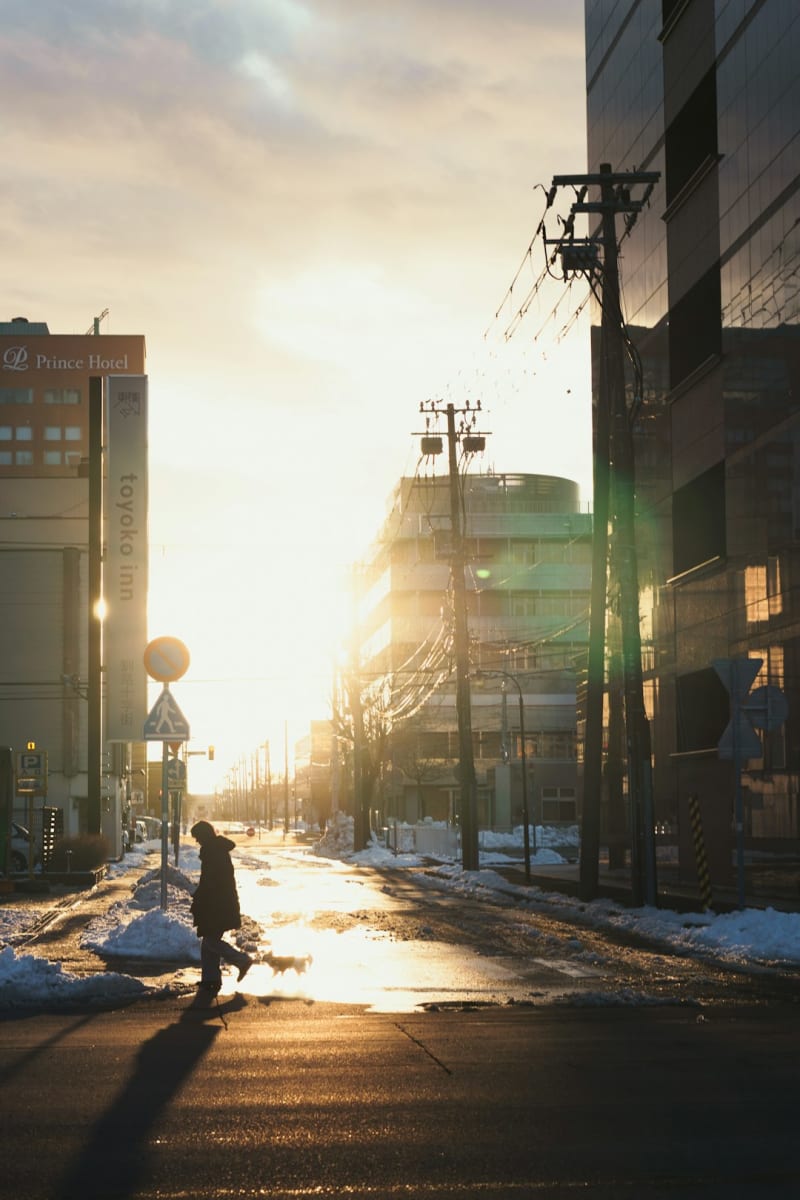 japan
japan Kushiro
A weathered port on eastern Hokkaidō's misty coast, edged by Japan's largest marshland. Reed wetlands where red-crowned cranes dance, slow canoe mornings on a winding river, and a smoky robata tradition of grilling your own seafood over coals.
Explore japan
japan Daisetsuzan National Park
Japan's largest national park and the roof of Hokkaido, where autumn arrives first in the whole country and brown bears still outnumber the hikers on some trails.
Explore japan
japan Furano
A wide farm valley in the middle of Hokkaidō, given over in high summer to striped fields of lavender and rainbow rows of flowers. Rolling farmland, sweet melons ripening under the sun, and in winter a quiet ski town under deep snow.
Explore