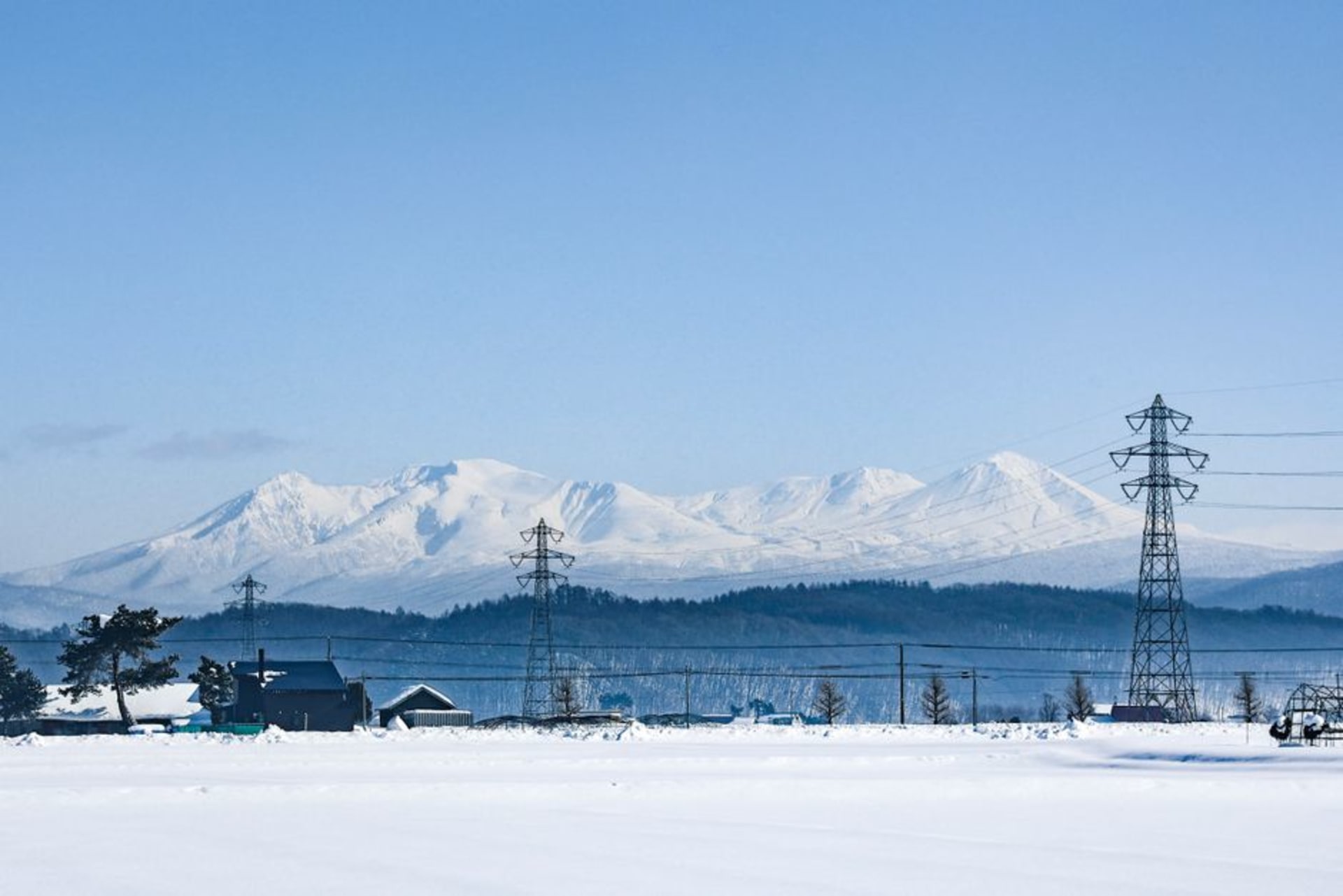
Daisetsuzan National Park
"Japan's autumn colors start here, on a mountain that's still actively venting sulfur — everything about Daisetsuzan feels a little unfinished, in the best way."
Japan's largest national park and the roof of Hokkaido, where autumn arrives first in the whole country and brown bears still outnumber the hikers on some trails.

Daisetsuzan means “great snow mountains,” and the name undersells how enormous the park actually is — it covers a chunk of central Hokkaido roughly the size of a small country, a jumble of volcanic peaks with almost none of the infrastructure that softens hiking in the rest of Japan. I took the ropeway up toward Asahidake, Hokkaido’s highest peak, in mid-September, and stepped out into a landscape of bare volcanic rock, sulfur-yellow vents hissing steam, and a wind that had teeth in it even though the base of the mountain had still been mild. The famous thing about Daisetsuzan is that its autumn foliage starts earlier than anywhere else in Japan, sometimes as early as late August at higher elevations, and the ridge I hiked was already going red and gold against black volcanic scree in a combination I hadn’t seen anywhere else on the island.

This is genuine brown bear territory, and it’s treated as such — trail information boards note recent sightings, some routes close temporarily after an encounter, and every hiker I passed had a bear bell clipped somewhere audible. I bought one at the ropeway station on the advice of a park ranger who said it plainly: this isn’t Shiretoko-level bear density, but it’s real, and the noise matters more than people think. I never saw a bear directly, though at one point on the ridge trail I found a print in a patch of mud that hadn’t fully dried, deep and wide enough that I stood there a while deciding whether to keep going, which I did, a little more loudly than before.
The onsen town of Sounkyo sits at the eastern edge of the park, a narrow gorge village that makes a good base, with a cable car up to another set of ridge trails and, in winter, an ice festival built inside the frozen gorge itself — sculpted ice tunnels lit from within, a strange and slightly absurd thing to find at the bottom of a canyon this remote. I stayed in a small ryokan there after the hike, soaking in an indoor onsen with a window onto the gorge wall, legs aching in the specific way that means the day was worth it.

When to go: Late August through late September for the earliest autumn colors in Japan and relatively stable hiking weather. Winter brings the Sounkyo ice festival but the high trails close entirely; summer is short but green, with wildflowers on the alpine sections in July.
Keep exploring
More of Hokkaidō
Keep exploring
More from Hokkaidō
 japan
japan Sōunkyō
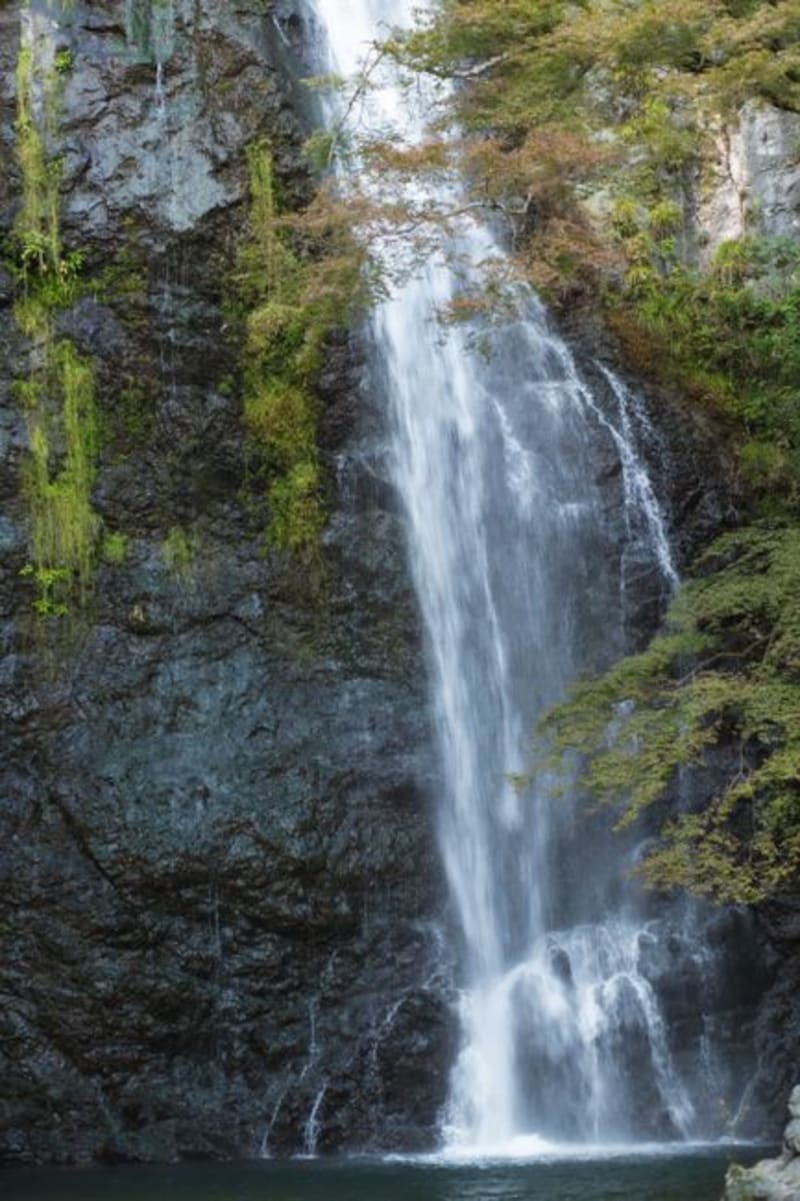
A gorge town swallowed by columnar cliffs in the belly of the Daisetsuzan mountains, where waterfalls fall in silver ribbons and the first autumn colors of all Japan catch fire in early September. A place of steam, stone, and thin alpine air.
Explore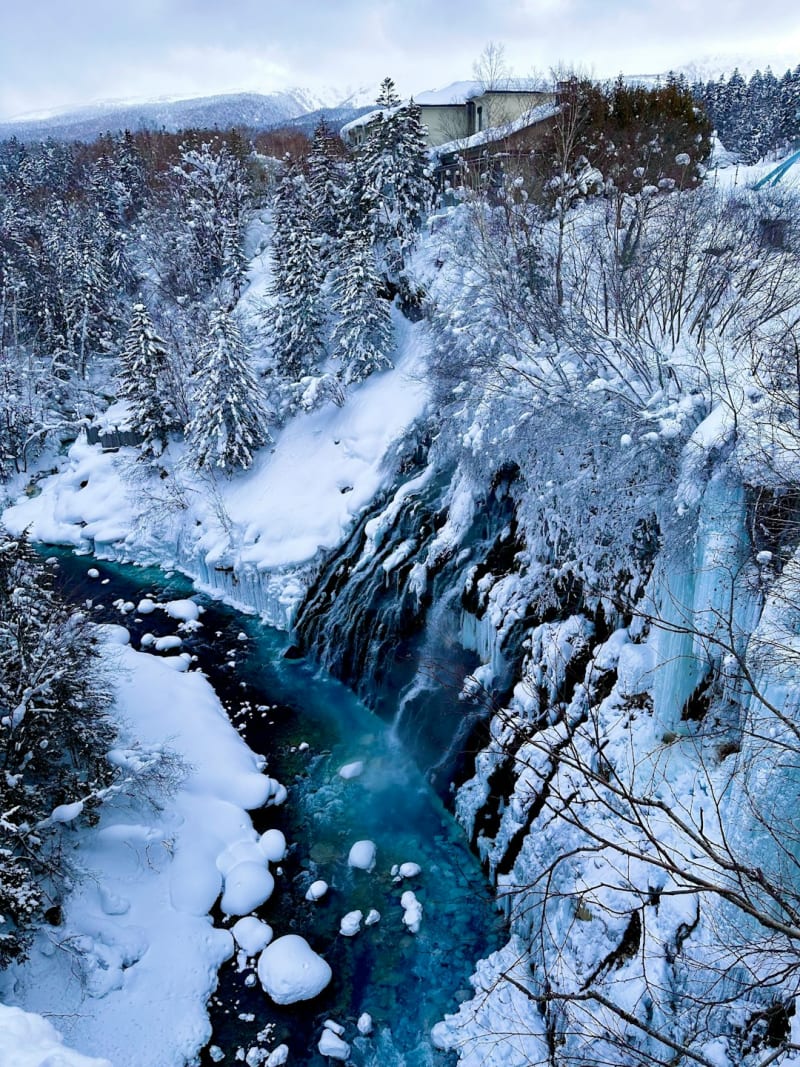 japan
japan Biei
A stretch of Hokkaidō countryside made of rolling patchwork hills, lone trees standing against the sky, and the impossible turquoise of the Blue Pond. Painterly, gentle land built for slow drives and long afternoons on a bicycle.
Explore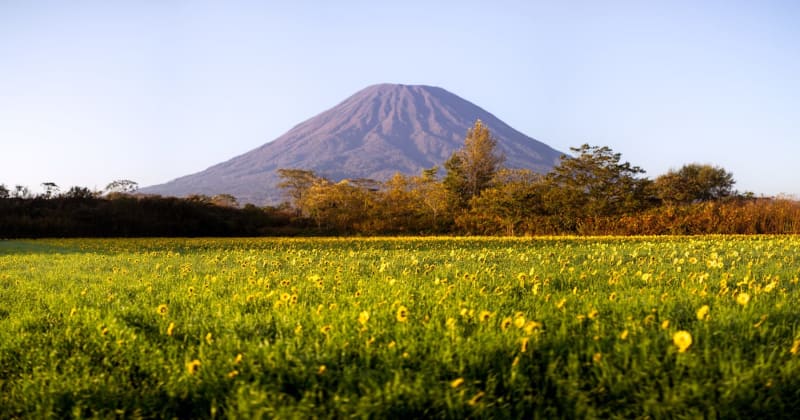 japan
japan Hokkaido Lavender Fields
Furano's summer lavender fields roll across Hokkaido's volcanic plateau in waves of purple and green.
Explore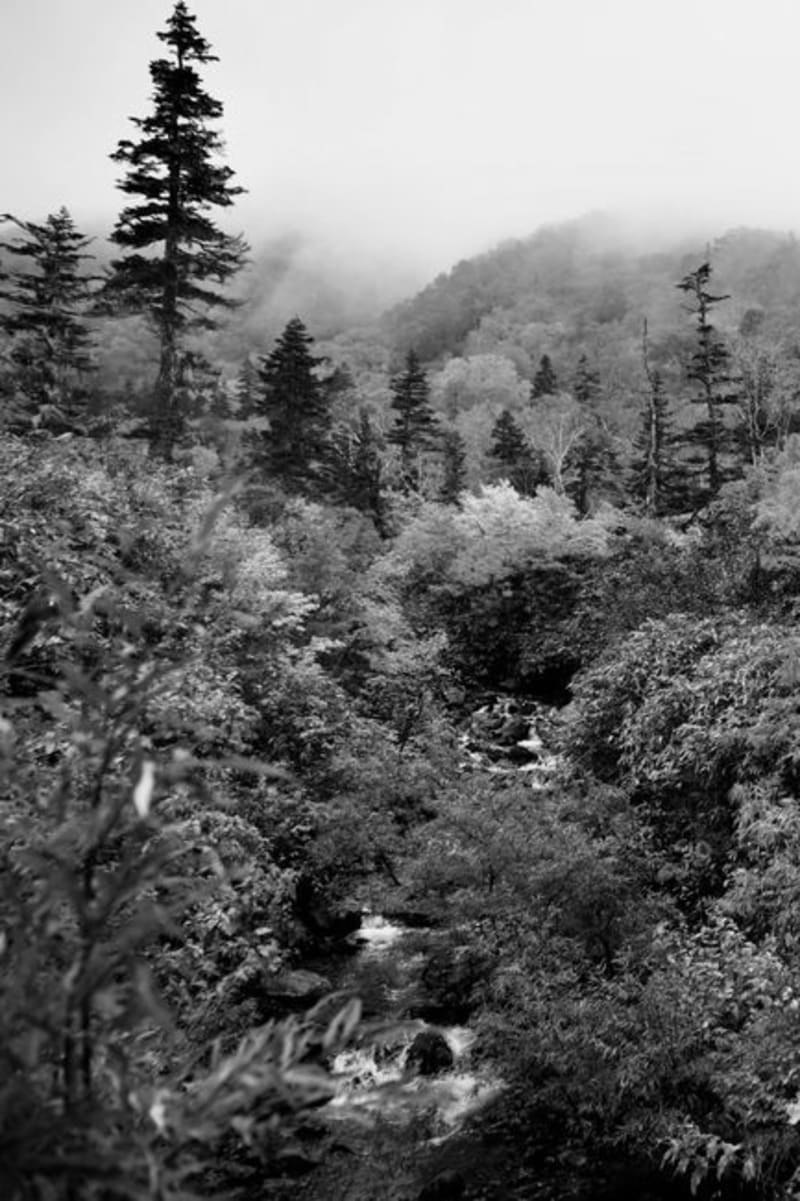 japan
japan Tomamu
A mountain resort in central Hokkaido known for its Unkai Terrace, where dawn spills a silent ocean of cloud across the valleys below. Twin glass towers rise from the forest, and the whole place is built around one gamble: that you'll wake before sunrise for a sea that may or may not appear. We took the bet twice.
Explore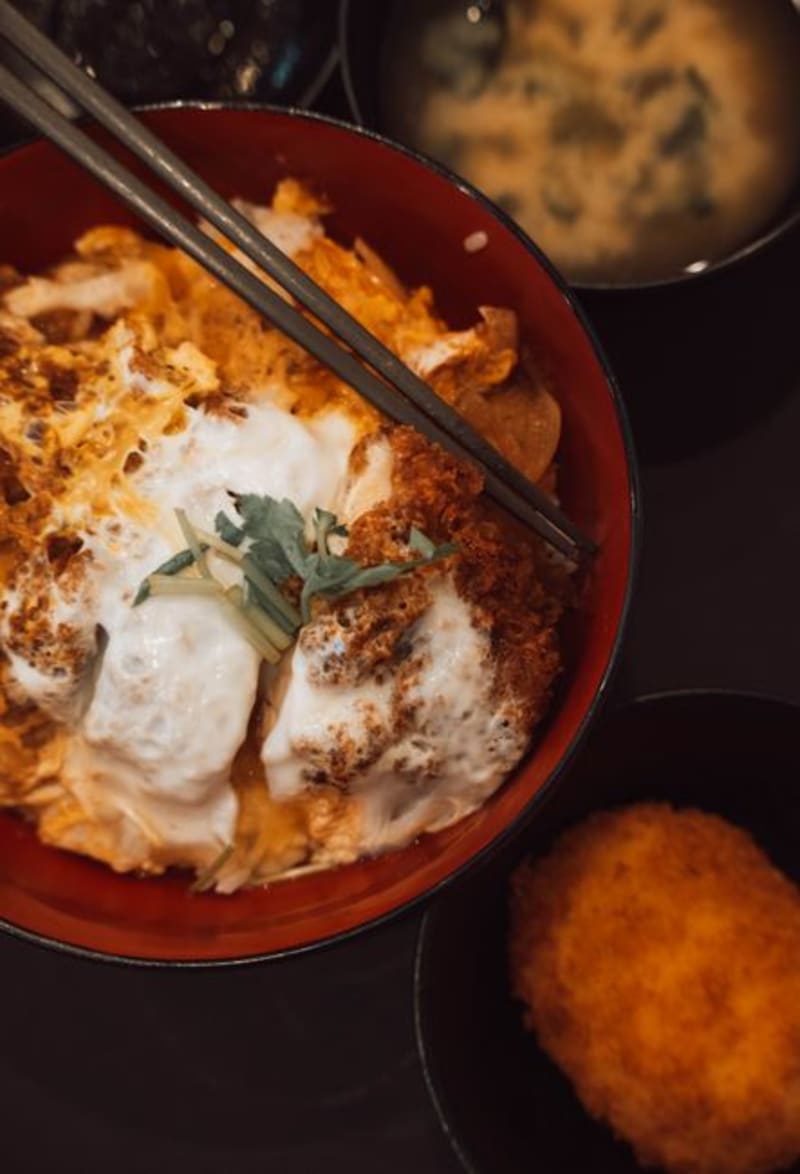 japan
japan Obihiro
The hearty farm capital of the vast Tokachi plain in eastern Hokkaidō. Grilled-pork rice bowls, a proud confectionery tradition, garden trails through the fields, and enormous agricultural skies that go pink at either end of the day.
Explore japan
japan Furano
A wide farm valley in the middle of Hokkaidō, given over in high summer to striped fields of lavender and rainbow rows of flowers. Rolling farmland, sweet melons ripening under the sun, and in winter a quiet ski town under deep snow.
Explore