Kushiro
"Two cranes lifted from the reeds together, and the whole wide marsh seemed to hold its breath."
A weathered port on eastern Hokkaidō's misty coast, edged by Japan's largest marshland. Reed wetlands where red-crowned cranes dance, slow canoe mornings on a winding river, and a smoky robata tradition of grilling your own seafood over coals.

Kushiro is the far edge of things, and it feels like it. We flew into eastern Hokkaidō on a morning when the sea fog was so thick the wing disappeared, and the city that emerged beneath it was a working port — cranes and warehouses and the smell of salt and diesel — wrapped in a grey that never quite lifted. Most people come here for one reason, the great marshland just north of town, and so did we, but Kushiro itself got under my skin more than I expected: a slightly melancholy, entirely unpretentious place at the end of the line, where the fishing boats come and go and nobody is performing anything for anyone.
The Marsh and the Cranes
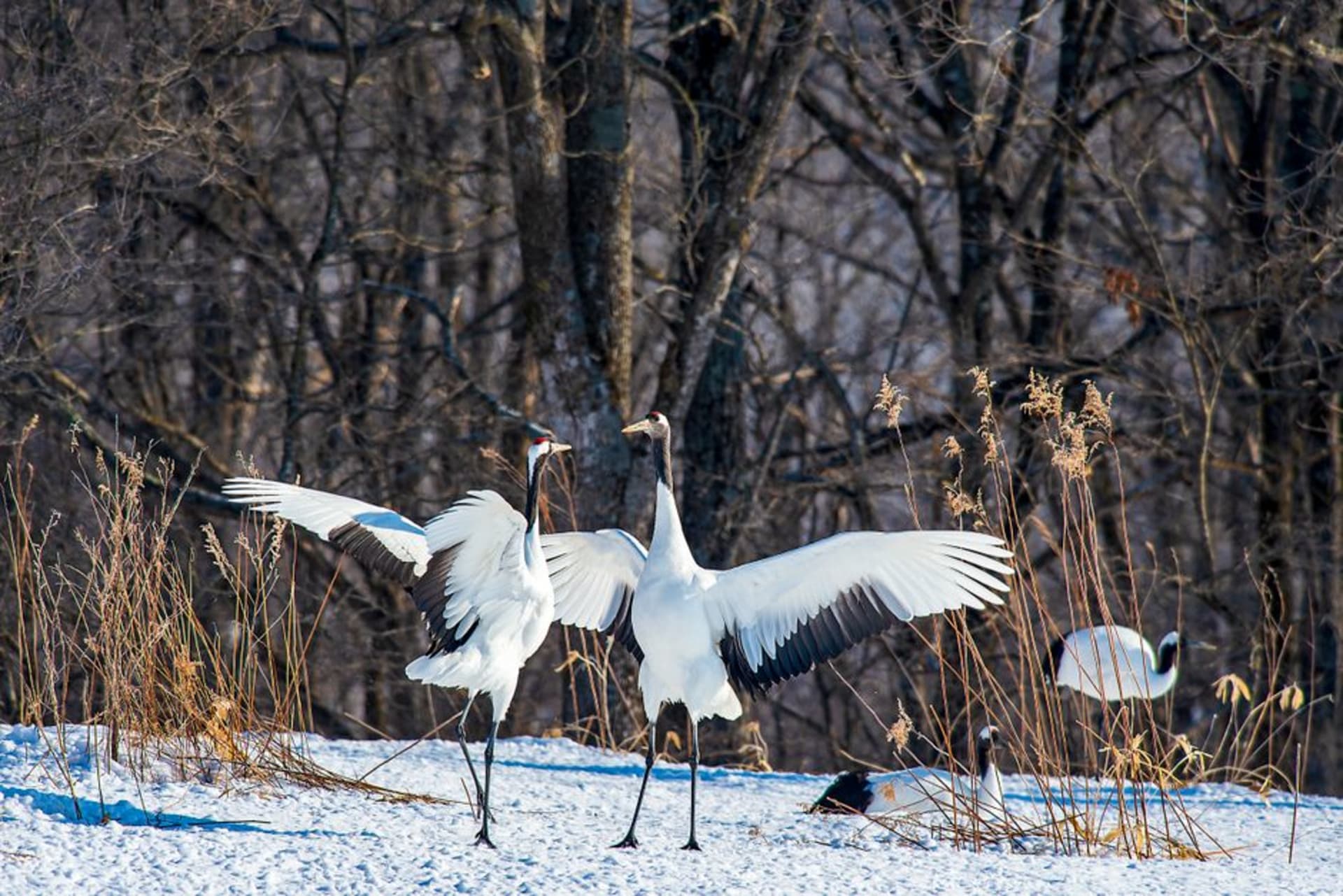
Kushiro Shitsugen is the largest wetland in Japan, a vast basin of reeds and winding water that stretches to the horizon, and it is the home of the tancho, the red-crowned crane — a bird that was nearly wiped out and now stands as one of Japan’s great conservation stories. We went to an observation point on a cold, still afternoon and there they were, impossibly tall and white, black tails and a scarlet cap, moving through the pale grass with a slow, deliberate grace. Then two of them began to dance — bowing, leaping, throwing their heads back and calling in a duet that carried clear across the frozen ground. Lia gripped my arm and neither of us spoke. I had read that cranes mate for life, and watching those two turn around each other in the cold I found it very easy to believe.

A Morning on the Water
In the warmer months you can take a canoe onto the Kushiro River where it threads through the marsh, and a local guide paddled us out one soft, misty morning that I keep returning to in my memory. The water was glass, mirroring the reeds and the grey sky so completely that we seemed to be gliding through the middle of it. The guide barely spoke, letting the quiet do the work, only murmuring now and then to point out a white-tailed eagle on a dead branch or a sika deer standing motionless at the water’s edge. There is no engine, no hurry, just the drip off the paddle and the slow unspooling of the river. Lia trailed her fingers in the cold water and said it felt like being let in on a secret the marsh had been keeping.

Robata and the Fish Market
Kushiro claims to be the birthplace of robatayaki, and we spent an evening finding out whether the claim holds up. In a low, smoky room you sit around a broad charcoal hearth and grill your own catch — scallops still in the shell, fat local oysters, atka mackerel, squid, buttery corn — turning them over the coals while the master watches to make sure you don’t ruin anything. The scallops came off the grill sweet and just-set, and I ate them one after another until Lia laughed at me. The next morning we went to Washo, the covered fish market, and built our own kattedon: a bowl of rice, then along the stalls picking spoonfuls of salmon roe, uni, tuna, crab to pile on top. We carried it to a counter by the window and ate it looking out at the grey harbor, and it was one of the great cheap meals of my life.

Getting There
Kushiro sits on Hokkaidō’s remote eastern coast. The simplest approach is to fly into Kushiro Airport, which has direct flights from Tokyo and Sapporo, and take the airport bus into the city in about forty-five minutes. By rail, limited express trains run from Sapporo in around four hours across the island’s wild interior — a long but beautiful ride. The scenic Norokko sightseeing train trundles slowly along the edge of the marshland in the warmer months and is worth timing your trip around. Come in winter for the cranes, which gather at feeding grounds and are easiest to see from December through March; come in summer for the canoeing and the greener marsh. Either way, bring layers — the sea fog keeps Kushiro cool even in high summer.
Keep exploring
More of Hokkaidō
Keep exploring
More from Hokkaidō
 japan
japan Lake Akan
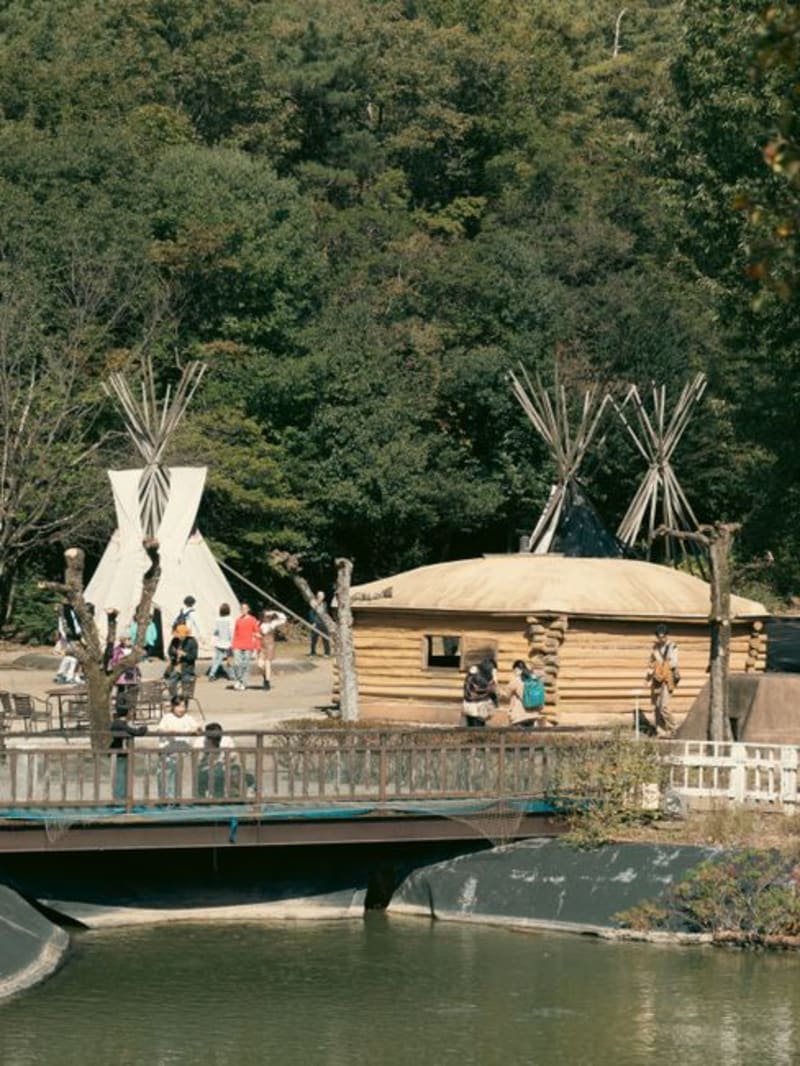
A volcanic lake in the far east of Hokkaidō where rare green algae roll into perfect velvet spheres, an Ainu village keeps its songs alive, and winter locks the whole surface into groaning ice. A place that asks you to look slowly.
Explore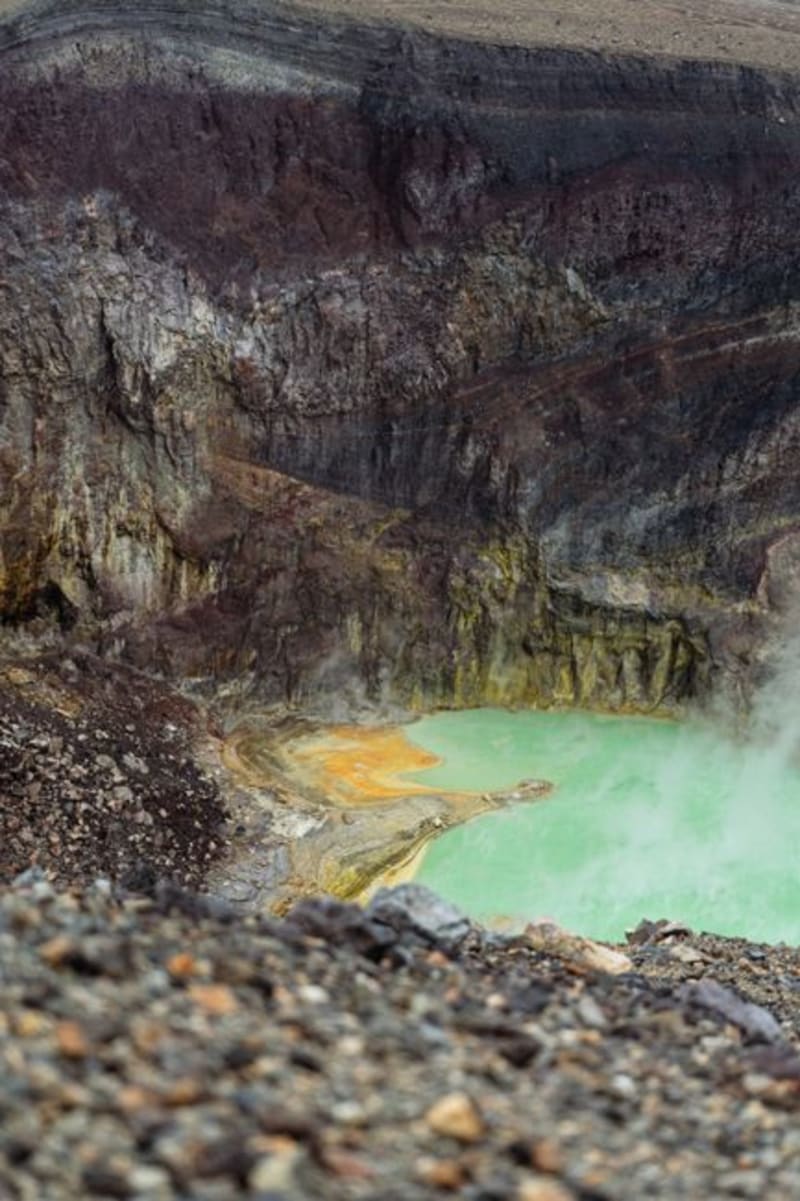 japan
japan Lake Mashu
One of the clearest crater lakes on earth, cupped in a steep caldera in eastern Hokkaido and hidden more days than not behind a wall of fog. Lake Mashu has no inlet, no outlet, and almost no way down to its water. We went twice before it showed itself, and the wait was the point.
Explore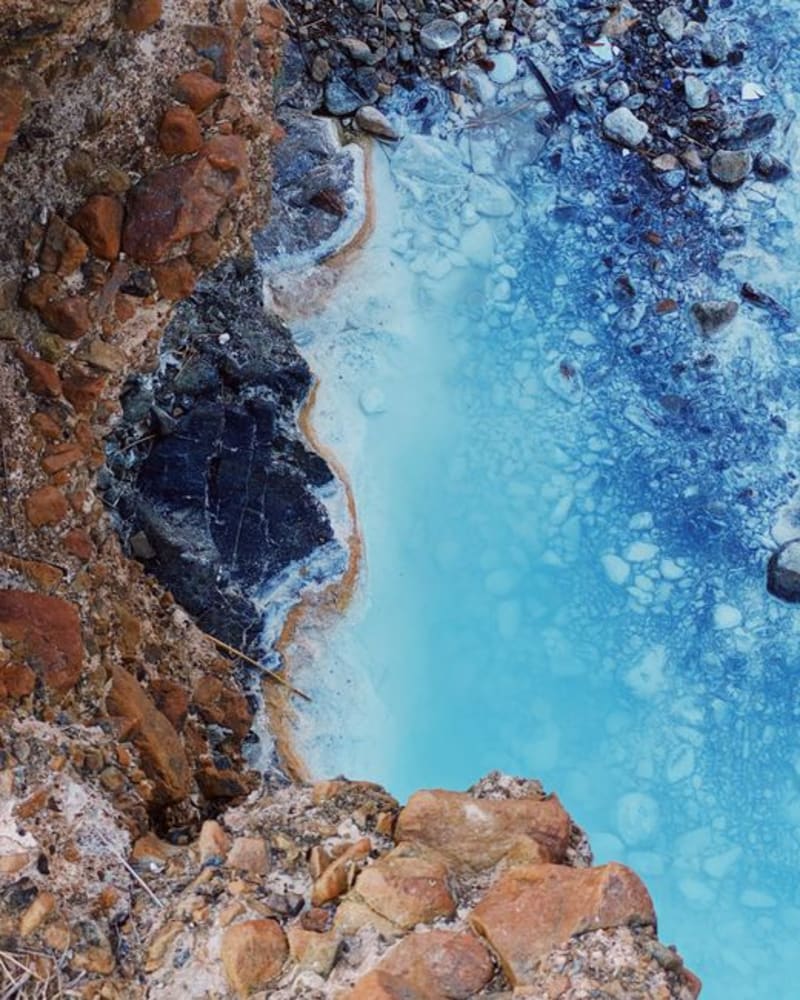 japan
japan Lake Kussharo
A vast caldera lake in eastern Hokkaido where you can dig your own hot spring in the black sand at the water's edge, and where whooper swans winter in the steaming shallows. Kussharo is enormous and generous and completely unpretentious. We soaked our feet in a hole we dug ourselves, and I've thought about it ever since.
Explore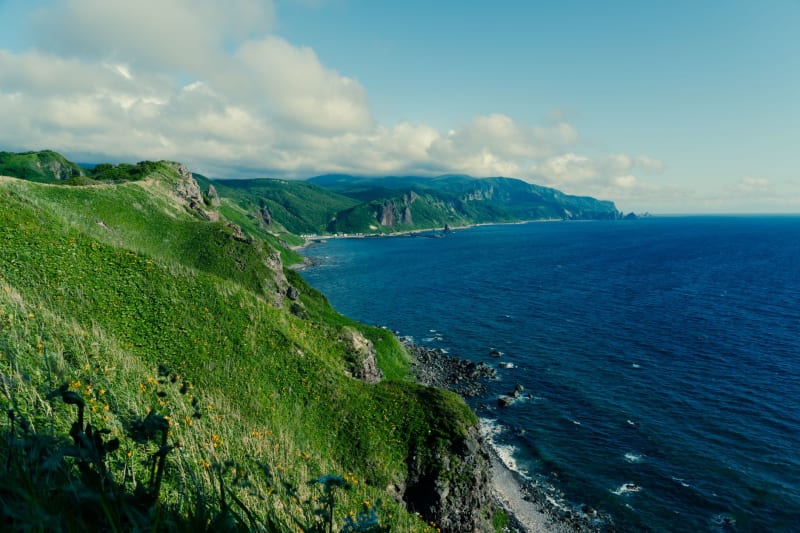 japan
japan Akan-Mashu National Park
Two volcanic crater lakes, Ainu sacred ground, and water so impossibly clear it reads purple — this is eastern Hokkaido at its most elemental.
Explore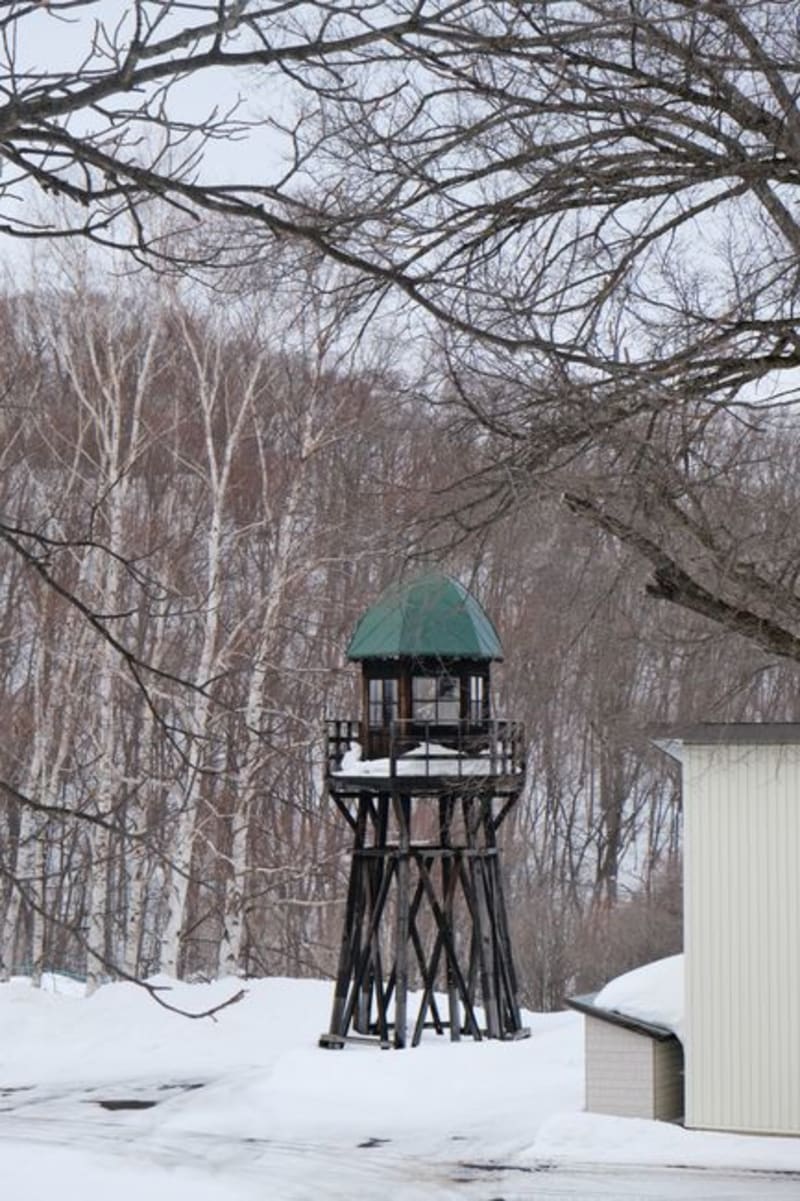 japan
japan Abashiri
A port on the far northeastern edge of Hokkaidō where the Sea of Okhotsk freezes into a moving field of drift ice each winter. Icebreaker cruises that shoulder through the floes, a stark former-prison museum on a hill, and a light so pale and clean it feels like the end of the map.
Explore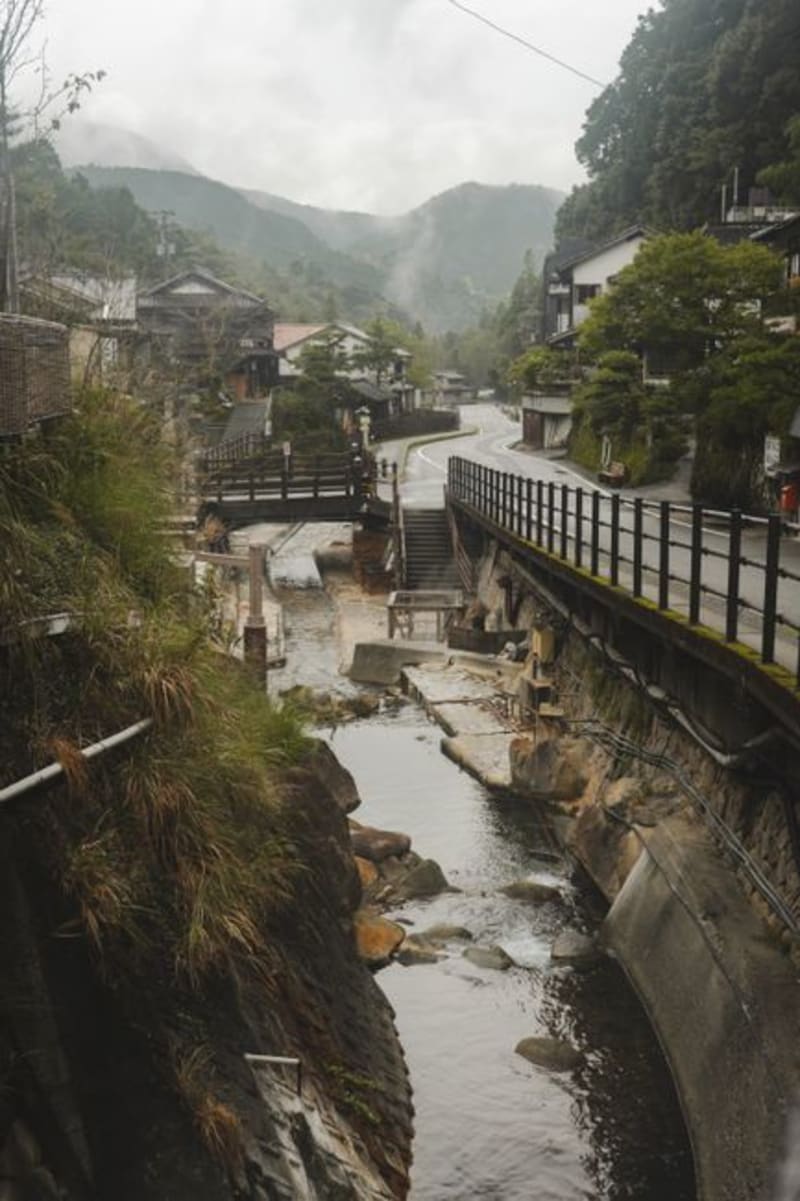 japan
japan Tokachigawa Onsen
A hot-spring town on the wide Tokachi plain whose water is unlike anywhere else in Japan — a rare amber 'moor' spring, rich with ancient peat, that turns your skin soft and smells faintly of the earth. Tokachigawa doesn't have mountains or a famous lake. It has this strange dark water, and it turns out that's enough.
Explore