A fishing port on the San'in coast where a long street of bronze yokai statues leads to a manga museum devoted to horror legend Shigeru Mizuki, a few streets over from a working tuna market that never plays along with the whimsy.

I’ll admit the reason we went to Sakaiminato was mostly Lia’s doing. She’d grown up half-obsessed with Japanese ghost stories in translation, and when she found out there was an entire town built around one manga artist’s yokai — Japan’s folkloric monsters, ghosts, and spirits — she rerouted two days of our San’in itinerary without asking me first. I wasn’t upset. We got off the train at a station guarded by a bronze rat-man statue and a gift shop selling eyeball-shaped rice crackers, and I understood immediately that this was going to be a stranger, funnier stop than most of the trip.
A Street Full of Monsters
Mizuki Shigeru Road runs for most of a kilometer from the station, and it is lined, almost absurdly, with more than a hundred bronze statues of yokai pulled from Shigeru Mizuki’s manga — long-necked women, one-eyed umbrellas, a boy with a single glass eye who became the artist’s most famous creation. Mizuki grew up in this port town before the war, and the city seems to have decided decades ago that his imagination was worth building an entire streetscape around. We walked it slowly, reading the little plaques, stopping for yokai-shaped bean-jam buns and a strange but genuinely good black soft-serve that the shopkeeper swore was squid-ink flavored. Kids ran between the statues taking photos with the ones that looked friendliest, and even the grumpiest-faced bronze specters seemed to be in on the joke.

The Museum at the End of the Road
The Mizuki Shigeru Museum sits at the far end of the street, and it’s a genuinely well-built tribute — original manuscript pages, dim rooms staged to feel like you’ve wandered into one of his stories, and a gift shop that outdid even the street outside for sheer density of yokai merchandise. Mizuki lost an arm in the Pacific War and kept drawing anyway for another six decades, and the museum doesn’t shy from that part of his life alongside the more playful folklore work. Lia lingered so long over the original inkwork that I ended up rereading the same three panels of an information board about local ghost legends four times waiting for her, which is its own kind of pleasant afternoon.

The Tuna Port That Doesn’t Care About Any of This
A few streets back from the yokai theatrics, Sakaiminato is still one of Japan’s genuinely significant fishing ports, and the contrast is almost funny. We wandered down toward the harbor one morning and found forklifts moving crates of fish past net-mending sheds, gulls wheeling overhead, none of it staged for visitors in the slightest. There’s a market building near the port where you can eat crab and fresh tuna far cheaper than in Hiroshima or Osaka, still faintly damp from the morning catch. Standing there with a bowl of sashimi rice after an hour of bronze monsters and eyeball crackers, I liked that Sakaiminato refuses to be only one thing — it’s a working port that happens to also be devoted, wholeheartedly, to ghosts.

Getting There
Sakaiminato sits at the end of a short branch line, the Sakaiminato Line, which you pick up by transferring at Yonago Station on the JR San’in Line. Yonago itself is reachable by limited express from Okayama or by flying into Yonago Kitaro Airport, whose name and yokai-themed decor make no secret of what the region is proud of. The Sakaiminato Line trains are decorated with Mizuki’s characters inside and out, so even the ride in is part of the experience. Mizuki Shigeru Road runs directly from the station, making the whole town walkable without needing a car, though the port area is a short taxi or bus ride further out if you want the fish market without the yokai crowds.
Keep exploring
More of Chūgoku
Keep exploring
More from Chūgoku
 japan
japan Sandankyo
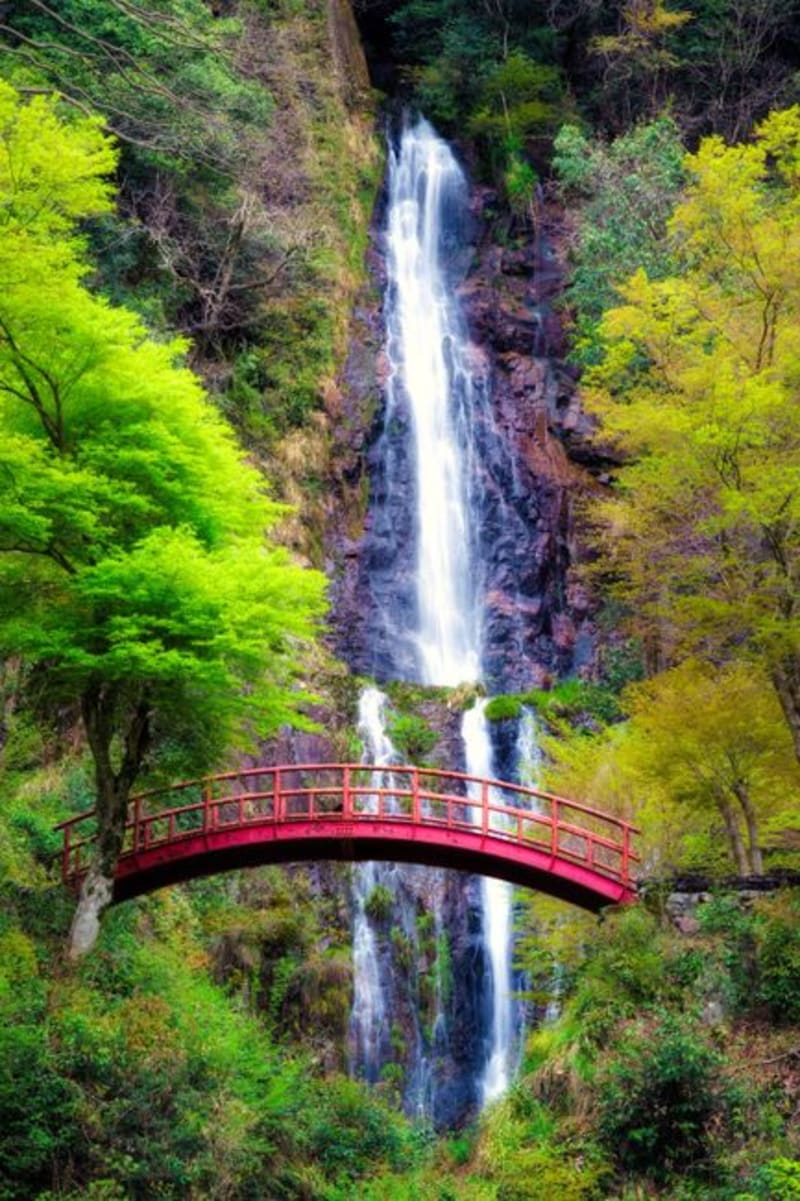
A long, cool gorge folded into the mountains of northern Hiroshima, where a clear river carves through forest past pools the color of green glass and waterfalls you reach on foot. It is a walking place, an unhurried place. We came for a stroll and stayed until our legs gave out.
Explore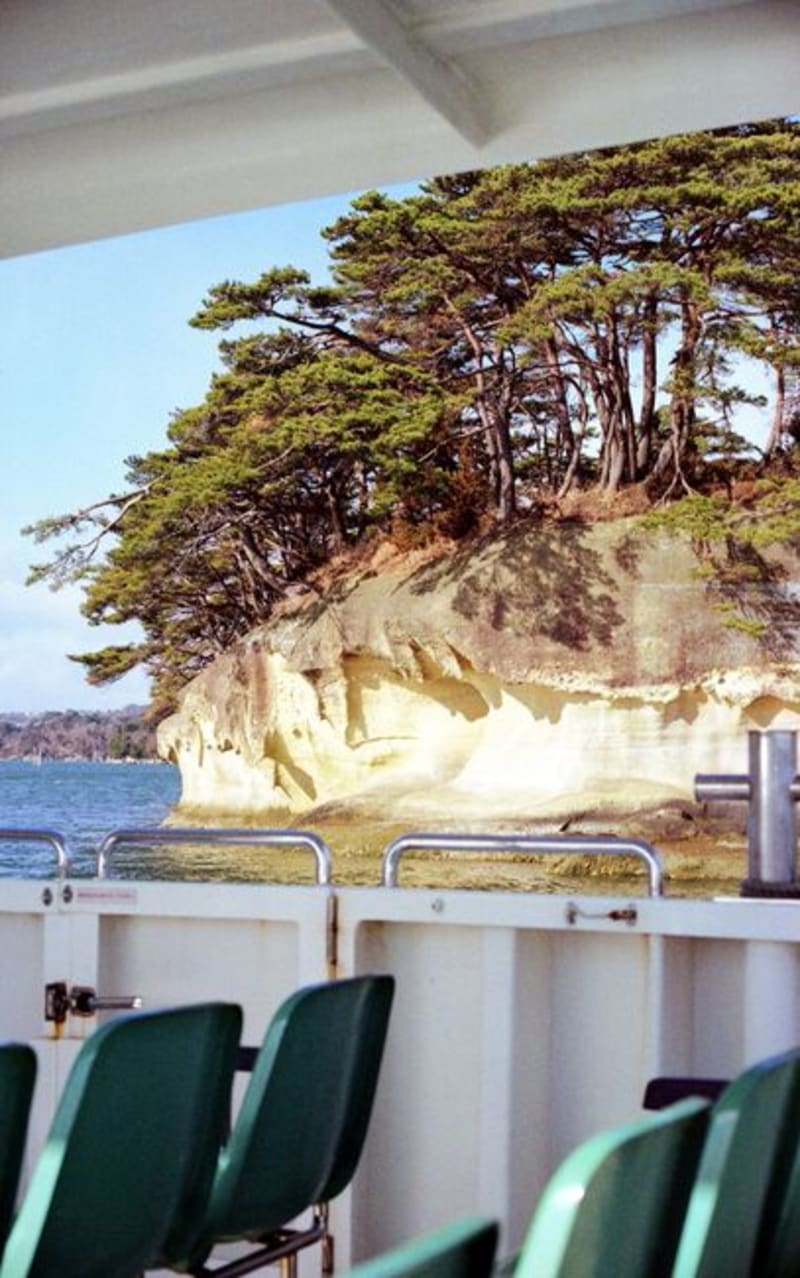 japan
japan Setoda
A lemon-scented island town on the Shimanami Kaidō cycle route, where a strange, dazzling temple was built by one man to honour his mother. The Seto Inland Sea glitters between the bridges, and the whole place smells of citrus and salt. We rolled in on rented bikes and didn't want to leave.
Explore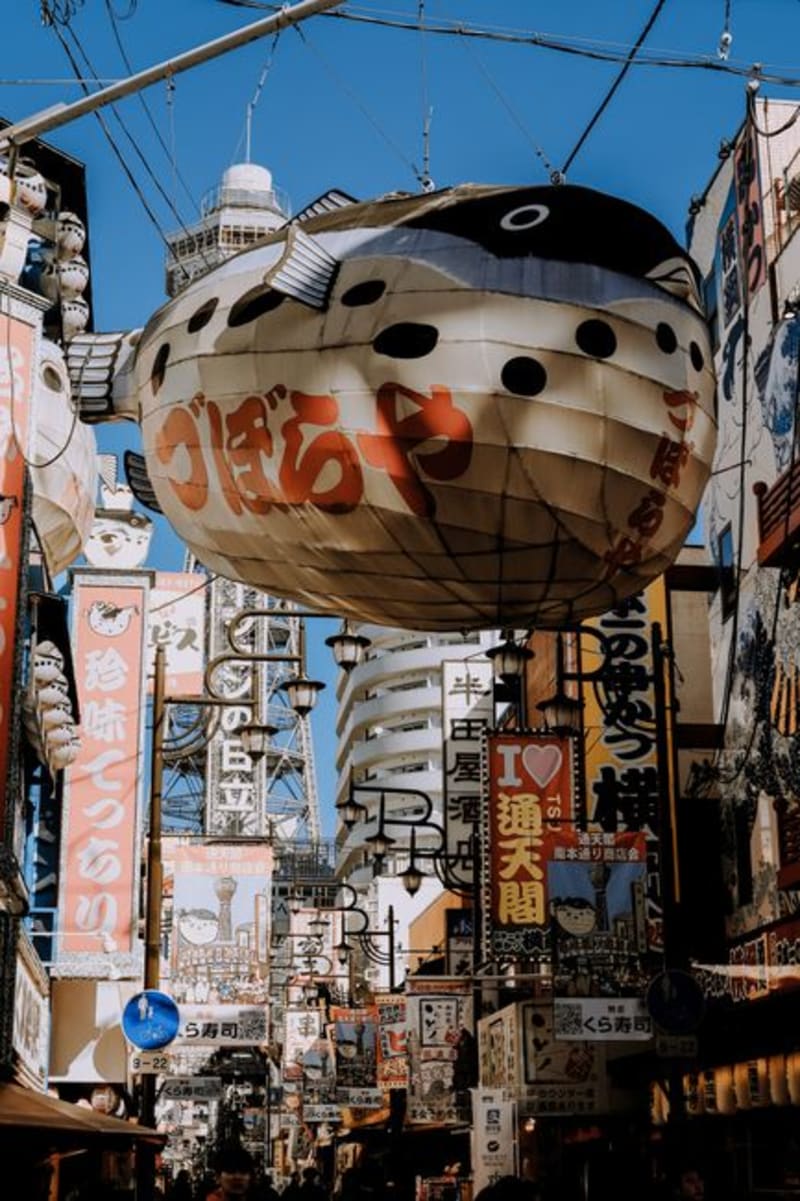 japan
japan Shimonoseki
The far western tip of Honshū, a port city that lives and breathes pufferfish and looks across a narrow, ship-thronged strait at Kyūshū. We came to eat the fish that can kill you and stayed for the strange thrill of walking under the sea to another island. The current here runs fast, and so does the history.
Explore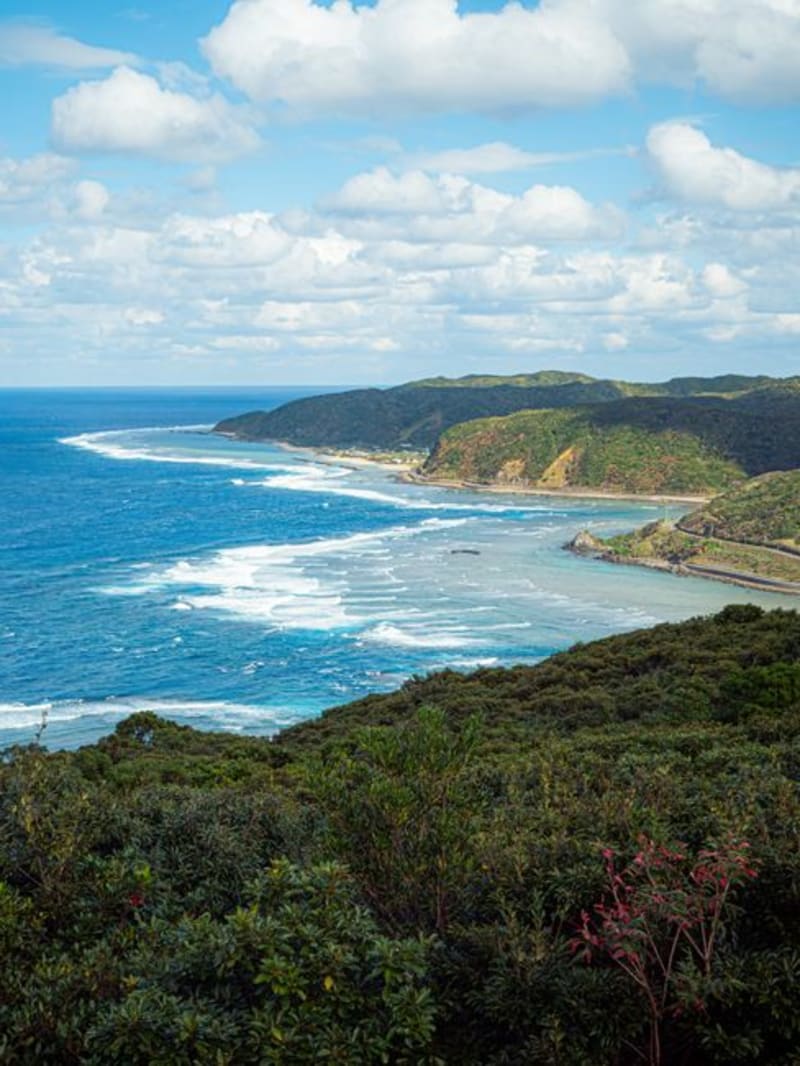 japan
japan Suo-Oshima
Nicknamed the 'Hawaii of Setouchi,' this Seto Inland Sea island sent thousands of emigrants to Hawaii's sugar plantations and is now officially a sister island to Kauai, its history kept alive in a quiet immigration museum.
Explore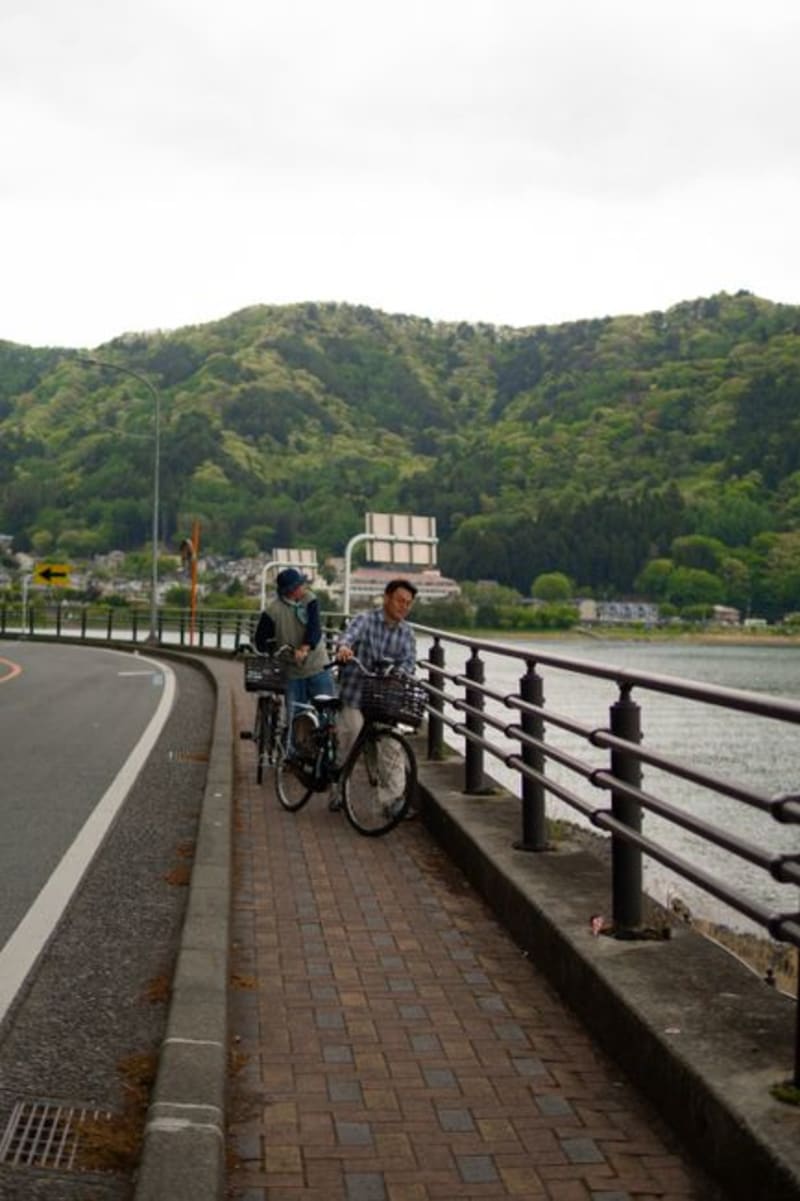 japan
japan Takehara
A pocket-sized 'little Kyoto' on the Inland Sea, where Edo salt merchants built lattice-fronted houses that still lean into the same quiet lanes. It sits a short hop from rabbit island and makes its own whisky. We came for a day and the day refused to end on schedule.
Explore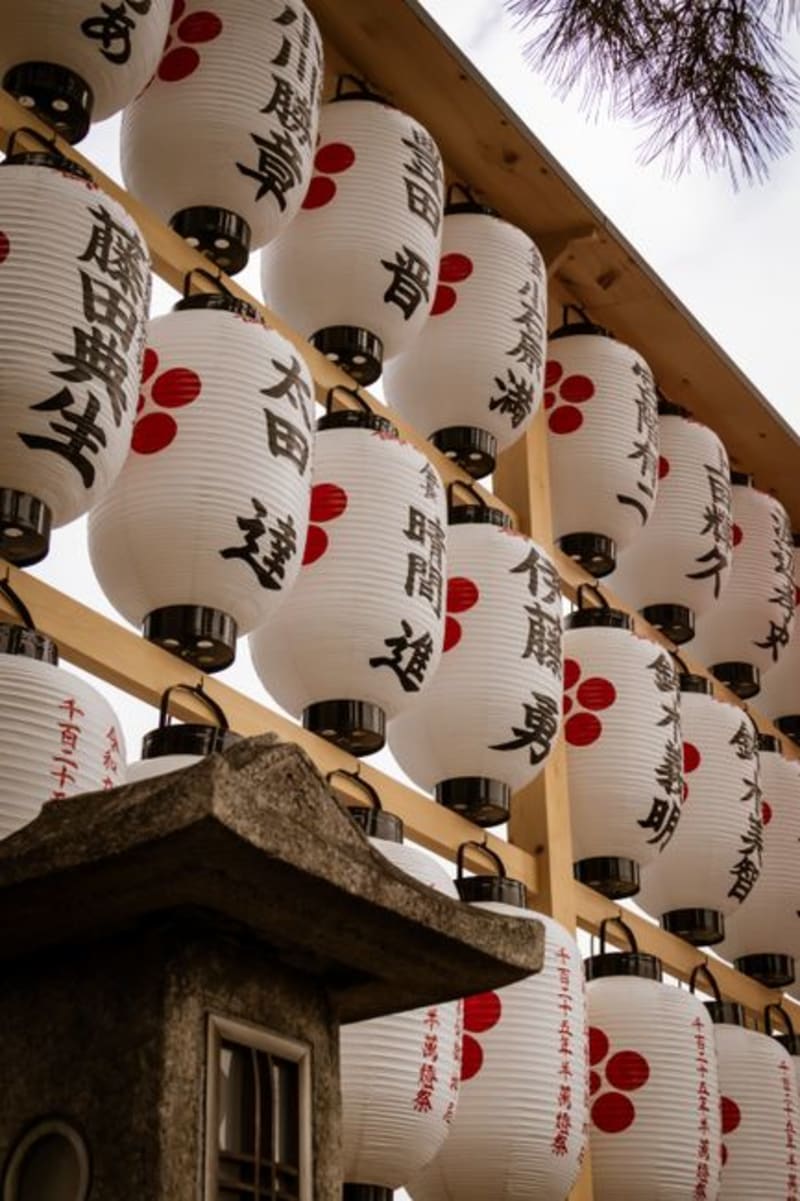 japan
japan Tomonoura
A tiny, time-stopped port on the Seto Inland Sea, where a stone-lantern lighthouse still stands over a harbour that hasn't much bothered to modernise. We walked its sloping lanes for a whole afternoon and felt the years fall away. Somewhere a boat engine puttered; otherwise it was mostly the sound of the tide.
Explore