Setoda
"Lia bit into a lemon gelato and said this was the best wrong turn we'd ever made."
A lemon-scented island town on the Shimanami Kaidō cycle route, where a strange, dazzling temple was built by one man to honour his mother. The Seto Inland Sea glitters between the bridges, and the whole place smells of citrus and salt. We rolled in on rented bikes and didn't want to leave.

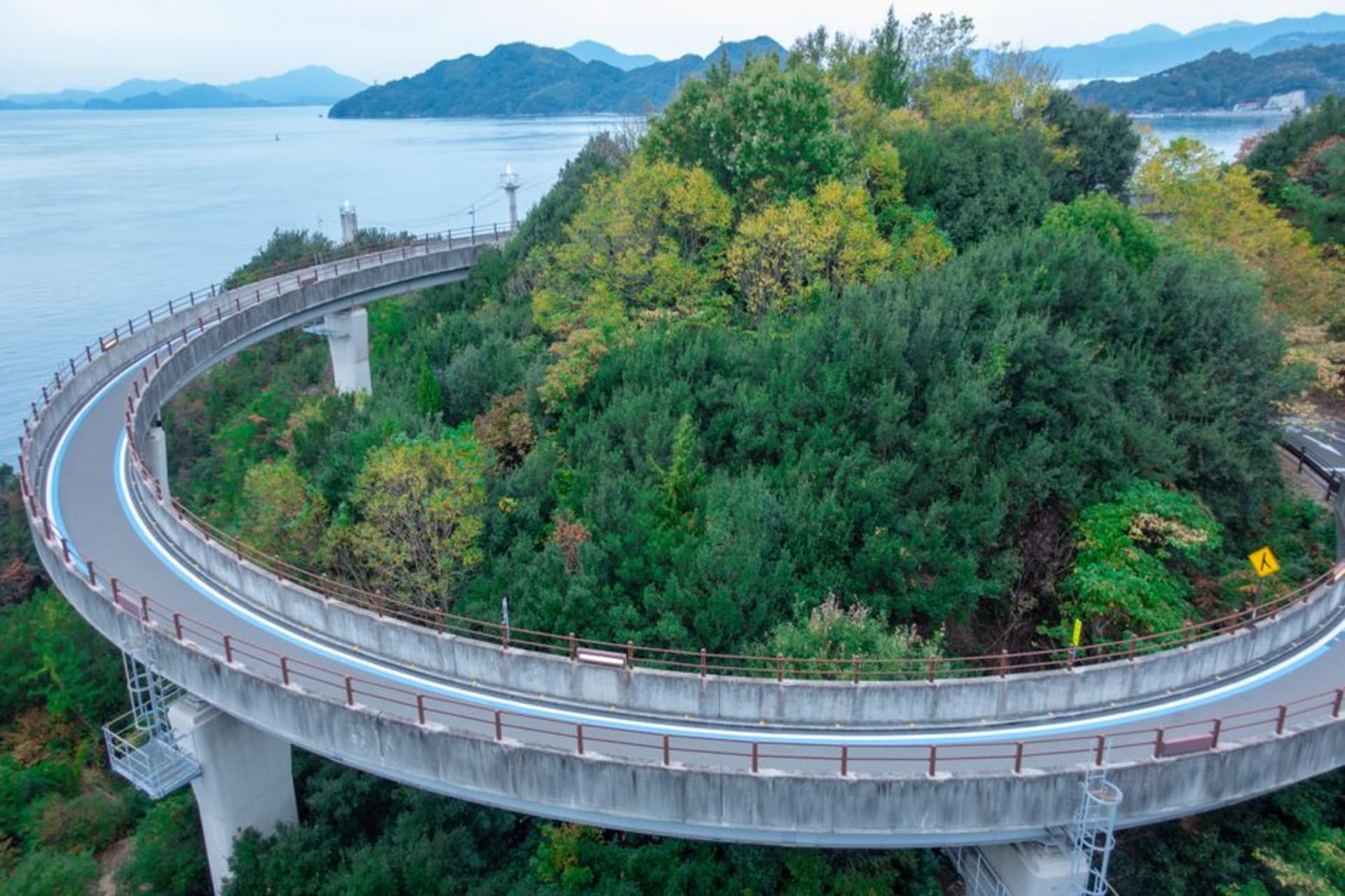
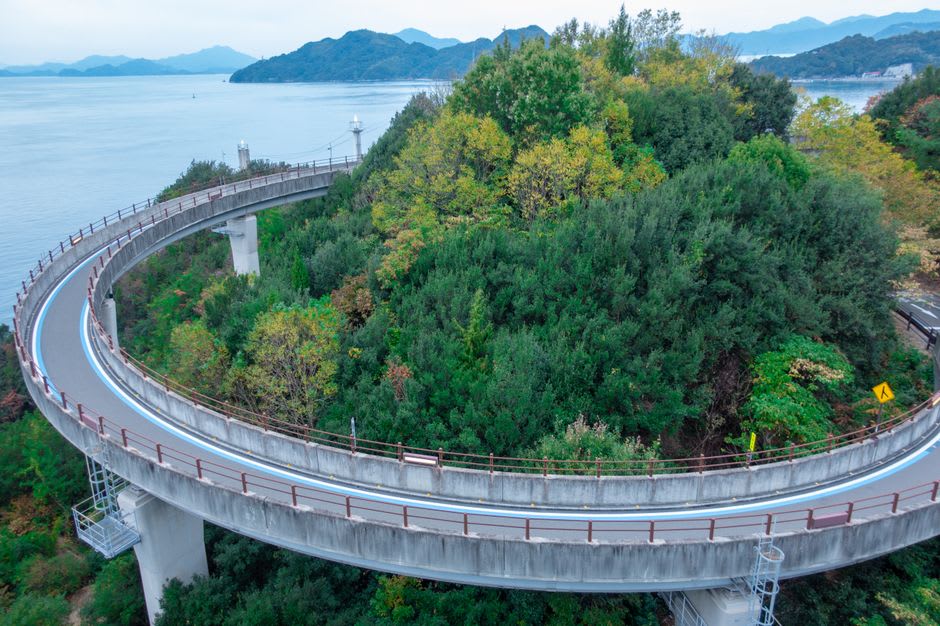
The Shimanami Kaidō is a cycling route strung across the Seto Inland Sea on a chain of enormous bridges, and we’d set out to ride the whole thing in a day, heads down, being efficient. Setoda ruined that plan in the best way. We coasted down off the Tatara Bridge into a harbour town that smelled overwhelmingly of lemons, saw a shop selling lemon gelato, and simply stopped. Lia bit into a lemon gelato and said this was the best wrong turn we’d ever made. We stayed the night.
Kōsanji, the Temple One Man Built
Setoda’s centrepiece is almost too much to describe. Kōsanji is a temple complex a businessman named Kōzō Kōsanji spent thirty years and a fortune building in memory of his mother — replicas of famous shrines from all over Japan, gilded and lacquered and crammed together in gorgeous excess. We wandered through gates modelled on Nikkō, down into a lurid underground passage depicting the Buddhist hells, and Lia kept whispering “this is insane” with total delight. It is kitsch and it is sincere at the same time, which somehow made it moving rather than silly.
The Hill of Hope
Above the temple, a newer addition changes everything: the Miraishin no Oka, a hilltop entirely sculpted from white Carrara marble. Staircases, arches, and abstract shapes in dazzling white rise against the blue of the Inland Sea, and at the top a café serves — of course — lemon drinks. We climbed in the late afternoon when the marble had gone warm and gold, and the whole sea opened up below us, dotted with islands and threaded by the great bridges we’d cycled over. It felt less like a temple and more like standing inside a sculpture the size of a hill.
Shiomachi and the Lemons
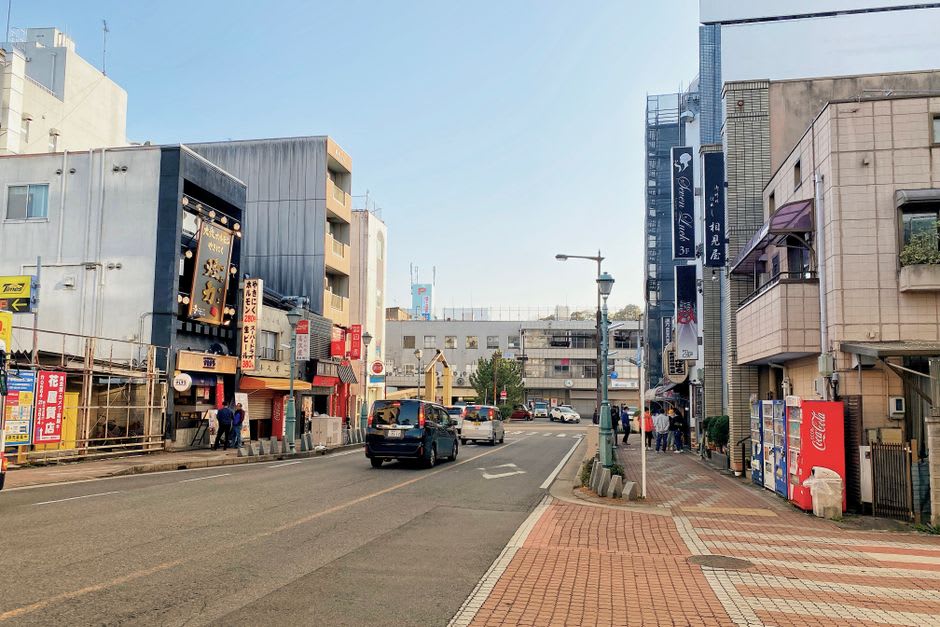
The old harbour lane, Shiomachi, is where I fell for the town itself. It was once a prosperous shipping street, and its wooden shopfronts now hold cafés, an old public bath turned gallery, and shop after shop selling lemon everything — cakes, syrups, soaps, the fruit itself heaped in crates. Ikuchijima grows more lemons than almost anywhere in Japan, and here they aren’t a novelty, they’re the economy. We bought a bag from an old woman who pressed an extra one into Lia’s hand, unasked, and we ate them sliced with salt on the sea wall as the ferries came and went.
Getting There
Setoda sits on Ikuchijima island, roughly midway along the Shimanami Kaidō between Onomichi in Hiroshima and Imabari in Ehime. Most people arrive by bicycle — rental cycles can be hired at either end and returned at terminals along the way — but there’s also a direct ferry from Onomichi to Setoda port, and buses cross the bridges if legs give out. We rented bikes in Onomichi, rode two bridges to reach the island, and were very glad we’d booked a night rather than trying to push straight through to Imabari.
Keep exploring
More of Chūgoku
Keep exploring
More from Chūgoku
 japan
japan Okunoshima
A small green island in the Inland Sea where hundreds of wild rabbits come bounding to meet the ferry, and a dark wartime secret hides in the ruins behind them. It is absurd, joyful, and quietly sobering all at once. We arrived laughing and left thinking.
Explore japan
japan Takehara
A pocket-sized 'little Kyoto' on the Inland Sea, where Edo salt merchants built lattice-fronted houses that still lean into the same quiet lanes. It sits a short hop from rabbit island and makes its own whisky. We came for a day and the day refused to end on schedule.
Explore japan
japan Onomichi
A steep hillside town of temples and cat-haunted lanes above the Inland Sea strait in Hiroshima, where alleys climb between old houses to sea views — and where the Shimanami Kaidō cycle route sets off island-hopping across the water.
Explore japan
japan Tomonoura
A tiny, time-stopped port on the Seto Inland Sea, where a stone-lantern lighthouse still stands over a harbour that hasn't much bothered to modernise. We walked its sloping lanes for a whole afternoon and felt the years fall away. Somewhere a boat engine puttered; otherwise it was mostly the sound of the tide.
Explore japan
japan Fukuyama
A workmanlike Hiroshima castle city that hides a softer heart of roses and a keep rebuilt stone by stone. Come for the fast-train convenience, stay for the slow ferry out to Tomonoura. Fukuyama is the door you almost walk straight through, until it makes you stop.
Explore japan
japan Miyoshi
An inland Hiroshima town where three rivers meet and, on the right autumn dawn, a sea of fog drowns the valley below the hills. It has quietly become wine country too, and its river once staged a thousand years of cormorant fishing. We came for the fog and stayed for everything under it.
Explore