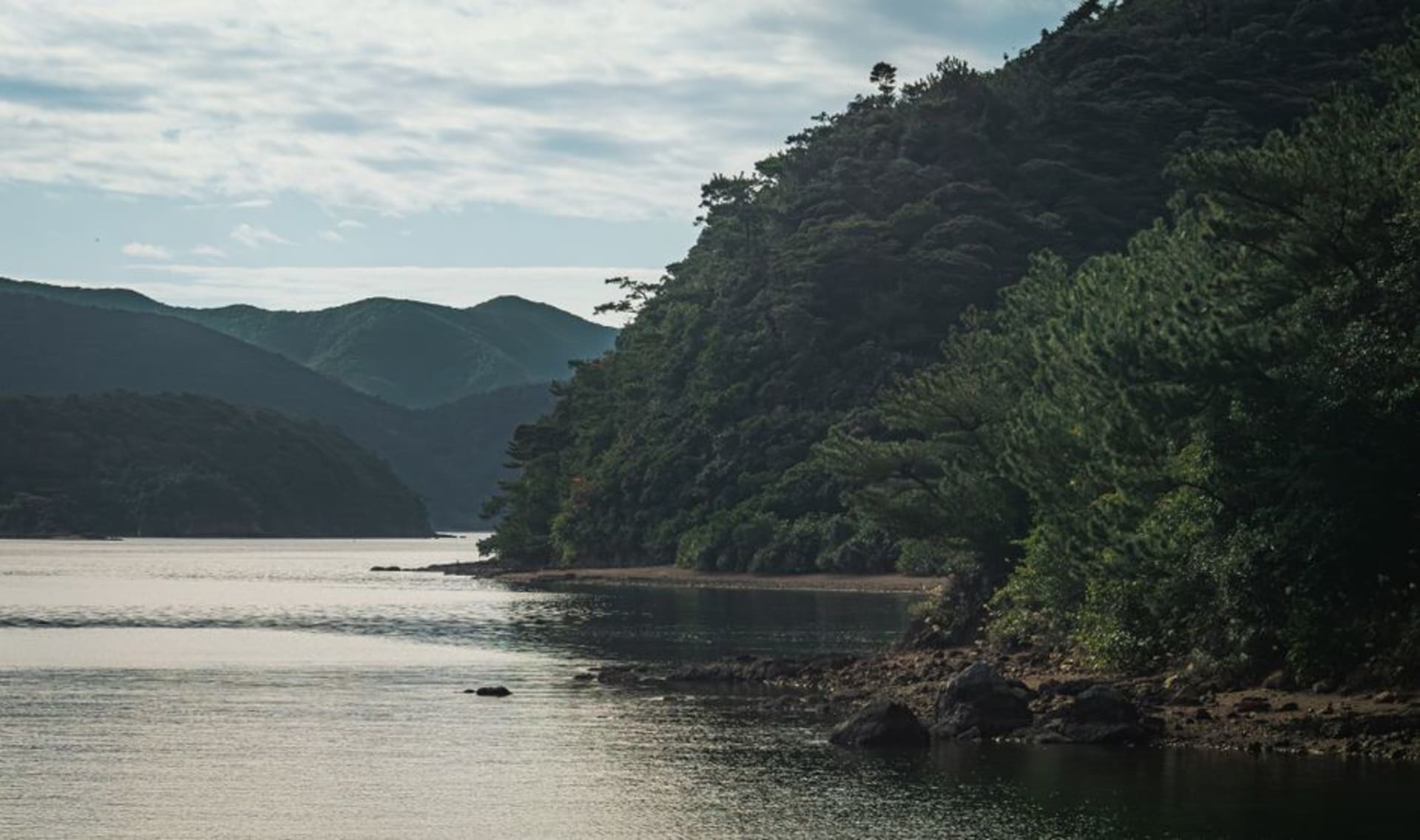
Suo-Oshima
"Palm trees on a Seto Inland Sea island felt like a joke until I understood why they were there."
Nicknamed the 'Hawaii of Setouchi,' this Seto Inland Sea island sent thousands of emigrants to Hawaii's sugar plantations and is now officially a sister island to Kauai, its history kept alive in a quiet immigration museum.

Lia found Suo-Oshima the way she finds most of our best detours, which is to say she was reading something unrelated at two in the morning and surfaced with a name and an insistence that we go. This time it was a mention of a Japanese island with an official sister-city relationship to Kauai, and once she explained why, I understood the pull immediately. We crossed the bridge from Iwakuni on a warm afternoon, and the palm trees planted along the coastal road genuinely startled me, this far into the Seto Inland Sea, until the history clicked into place.
Sugar Plantations, Seas Away
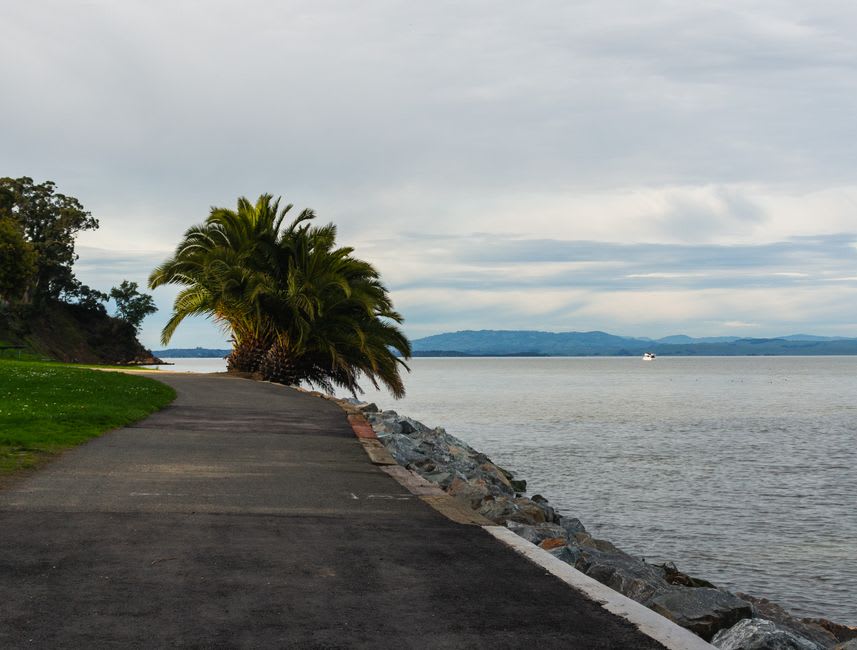
Starting in the late 1800s, Suo-Oshima sent thousands of its residents across the Pacific to work Hawaii’s sugar plantations, part of the much larger wave of Japanese emigration to the islands in that era, and the departure left a mark on Suo-Oshima that’s still visible in small, specific ways — the plantings, the surnames, the older residents who mentioned, almost in passing, a cousin or great-uncle who never came back. Standing at the ferry-adjacent lookout with Lia, trying to imagine boarding a ship from this exact stretch of coast toward an unknown plantation contract on the other side of an ocean, made the scale of that migration land differently than reading about it ever had. It’s not a dramatic landscape that tells this story. It’s a quiet one, which somehow makes it hit harder.
The Museum That Remembers
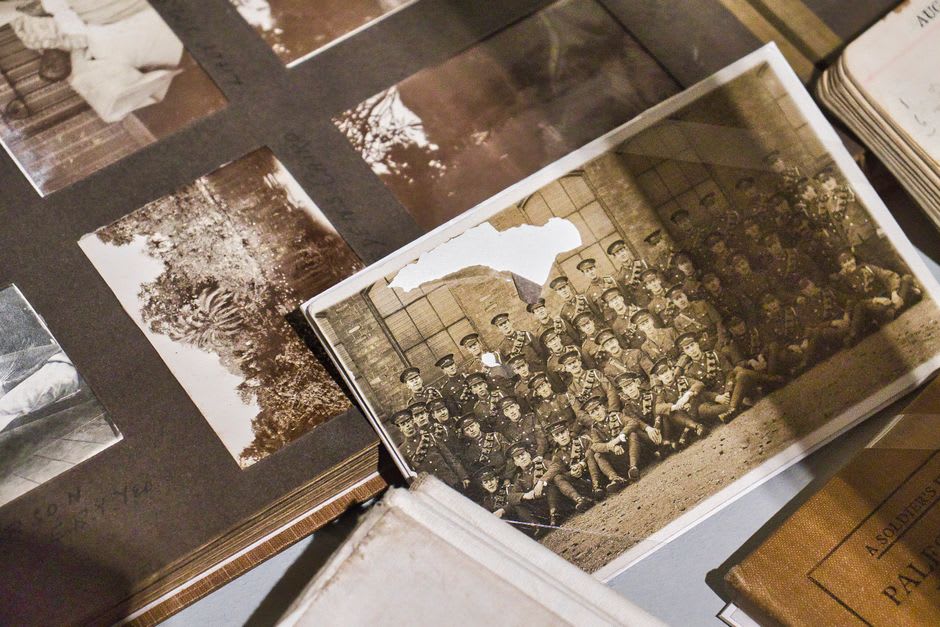
The Japan-Hawaii Immigration Museum sits inland a short drive from the coast, and it’s a small, carefully kept place built around the specific story of Suo-Oshima’s emigrants and their descendants. Exhibits trace families who left this island for the plantations and went on to become influential figures in Hawaiian politics, business, and community life, a thread the museum draws with clear local pride rather than generic historical summary. Lia lingered over old photographs of departure ceremonies and letters sent home, several written in a mix of Japanese and pidgin English that had clearly been worn soft from repeated reading by the families who kept them. I found myself thinking about how ordinary the decision to leave must have felt to the people making it, even though it reshaped entire family lines across an ocean.
An Island That Kept the Palms
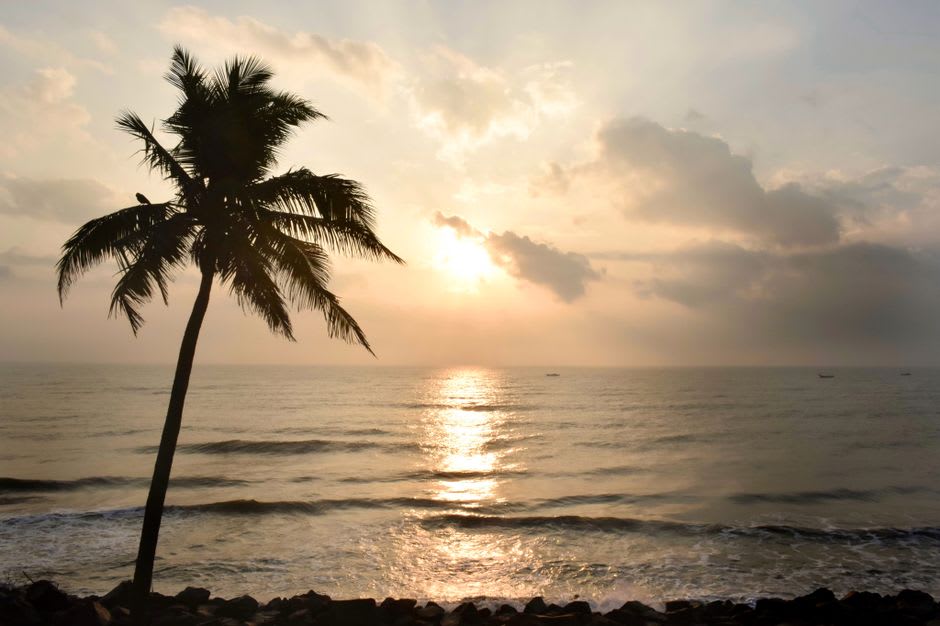
What I liked most about Suo-Oshima was how unforced the Hawaii connection felt once we’d been there a few hours. It isn’t a theme park version of the story — it’s palm-lined streets that grew out of genuine sentiment, a handful of hula and ukulele clubs that meet locally, and beaches along the southern coast that, on a bright day with the right squint, really do conjure something tropical despite being firmly in the Seto Inland Sea. We swam at one of the quieter coves in the late afternoon, the water calm and warm in a way that felt earned after a long day of driving the island’s looping coastal roads, and ate dinner at a small restaurant proudly serving a local citrus, mikan, in nearly every dish on the menu.
Getting There
Suo-Oshima connects to the mainland via the Oshima Bridge, most easily reached by car or bus from Iwakuni Station, itself accessible by train from Hiroshima. There’s no rail line onto the island itself, so a rental car is genuinely the most practical way to see its scattered sights, though local buses do run a limited route from the bridge toward the main towns. The Japan-Hawaii Immigration Museum sits a short drive from the bridge crossing and is easy to combine with an afternoon at the island’s southern beaches if you’re making a full day of it.
Keep exploring
More of Chūgoku
Keep exploring
More from Chūgoku
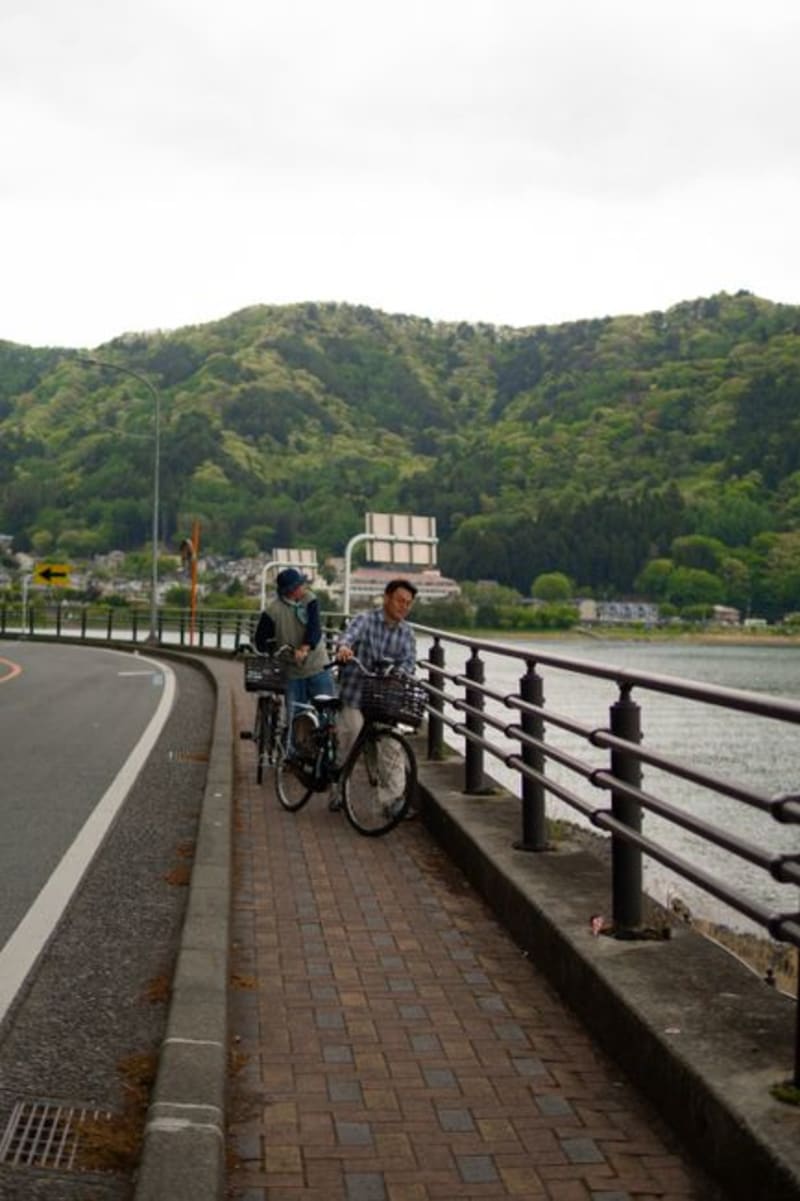 japan
japan Takehara
A pocket-sized 'little Kyoto' on the Inland Sea, where Edo salt merchants built lattice-fronted houses that still lean into the same quiet lanes. It sits a short hop from rabbit island and makes its own whisky. We came for a day and the day refused to end on schedule.
Explore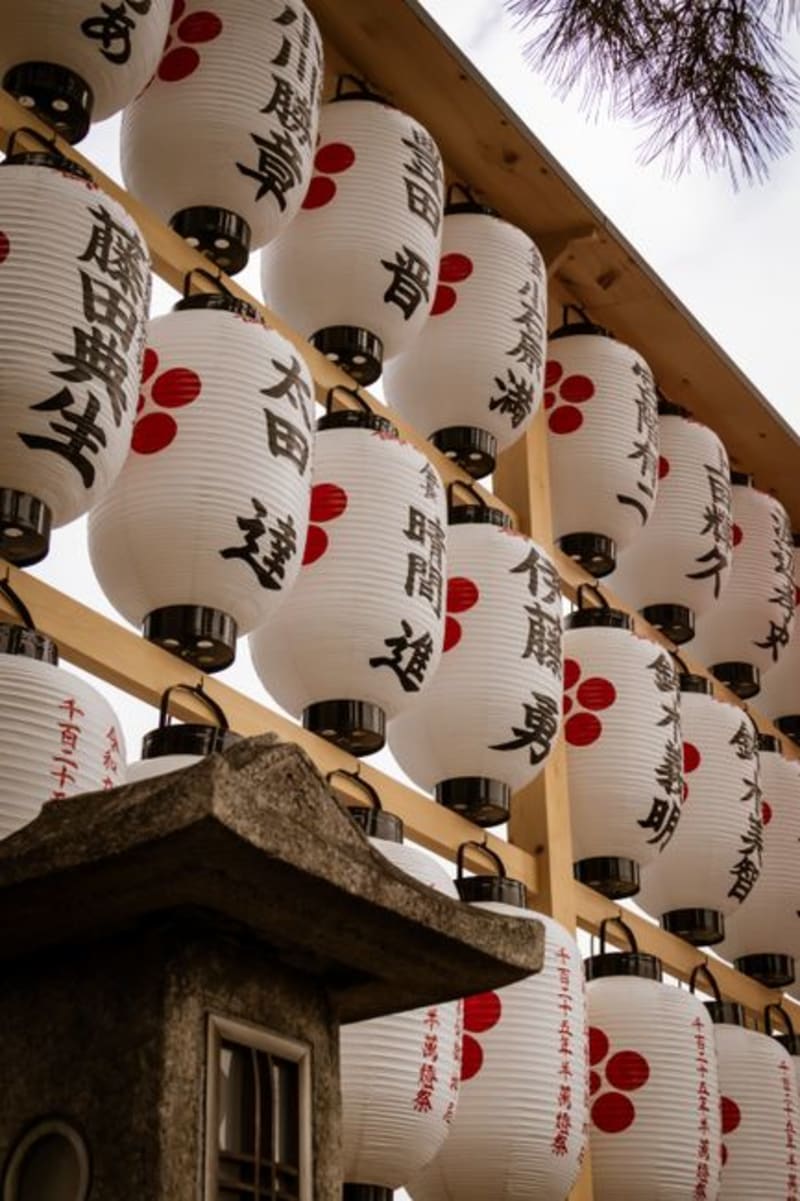 japan
japan Tomonoura
A tiny, time-stopped port on the Seto Inland Sea, where a stone-lantern lighthouse still stands over a harbour that hasn't much bothered to modernise. We walked its sloping lanes for a whole afternoon and felt the years fall away. Somewhere a boat engine puttered; otherwise it was mostly the sound of the tide.
Explore japan
japan Tottori
The quiet capital of Japan's least-populous prefecture, sitting where the mountains meet the Sea of Japan and its great sand dunes. Castle ruins on a green hill, crab hauled in that morning, and a San-in-coast slowness that made us feel we'd stepped off the map. We were the only foreigners on the train, and we liked it that way.
Explore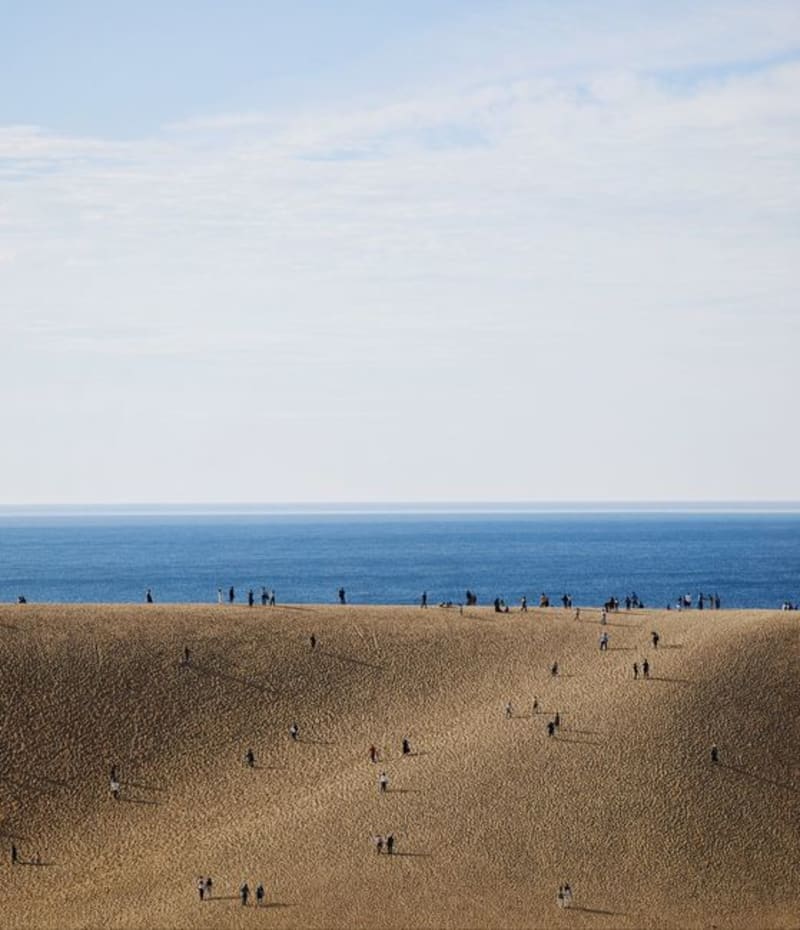 japan
japan Tottori Sand Dunes
A vast sweep of wind-carved sand along the Sea of Japan coast, Japan's largest dunes, where camels plod the ridgelines and the desert seems to run straight into the ocean. An improbable edge of the country, with a sand museum to match.
Explore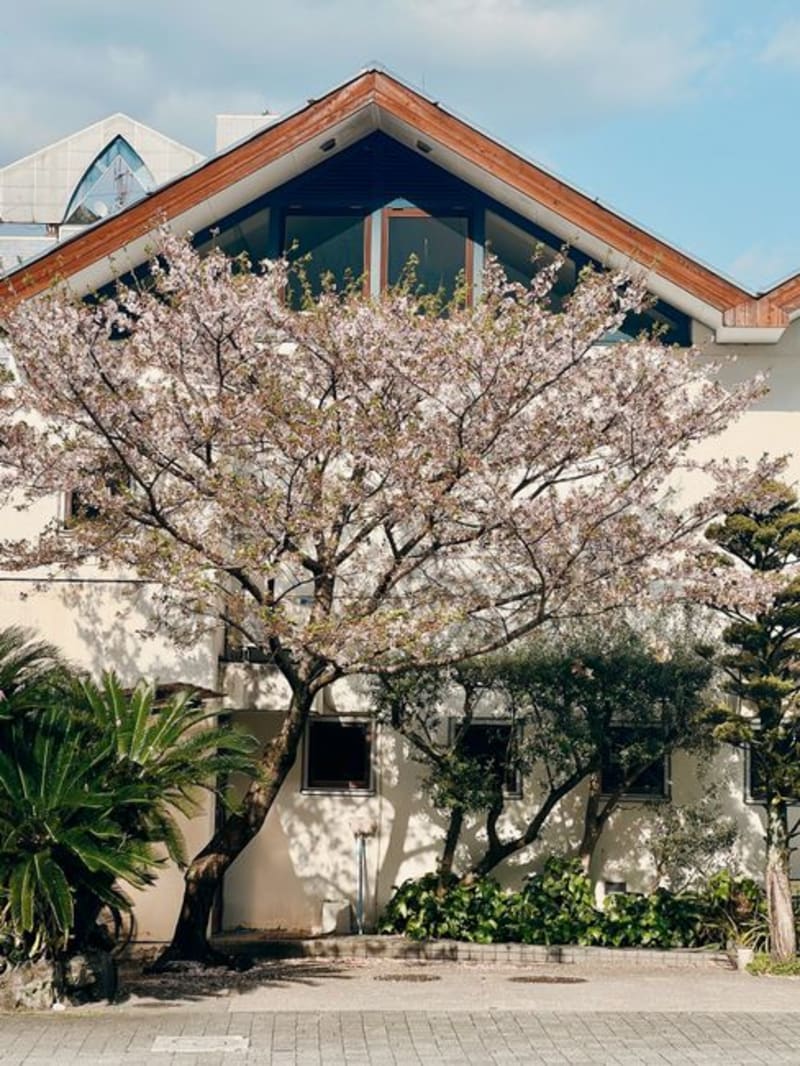 japan
japan Tsunoshima
A small island off the northern tip of Yamaguchi, reached by a bridge that arcs low across water so improbably emerald it looks retouched. The kind of place you drive to just for the crossing, and stay for the empty white beaches at the far end.
Explore japan
japan Tsuwano
The 'little Kyoto of the San-in' — a white-walled old street tucked in a mountain valley in western Shimane, where fat koi carp swim in the roadside canals and a tunnel of a thousand red torii climbs the hillside to Taikodani Inari shrine.
Explore