Kure
"A submarine slid past the ferry dock like it was the most ordinary thing in the world."
A naval-arsenal city on the Seto Inland Sea that built the battleship Yamato, the largest warship ever armed with the biggest guns ever mounted at sea, and still shares its harbor with a working submarine base today.

I’ve never been someone who seeks out military history on purpose, but Kure got under my skin in a way I didn’t expect. We came over from Hiroshima on a whim, mostly because the train ride was short and Lia wanted to see the harbor, and ended up staying most of a day in a city that still feels defined, in ways both proud and uneasy, by what it built and what happened to it. Kure was Imperial Japan’s great naval arsenal, and it still has a working Maritime Self-Defense Force base, so the line between museum and the present moment blurs constantly — you can be reading about a battleship sunk eighty years ago and then look up to see an actual grey warship gliding past the window.
The Ship That Was Too Big
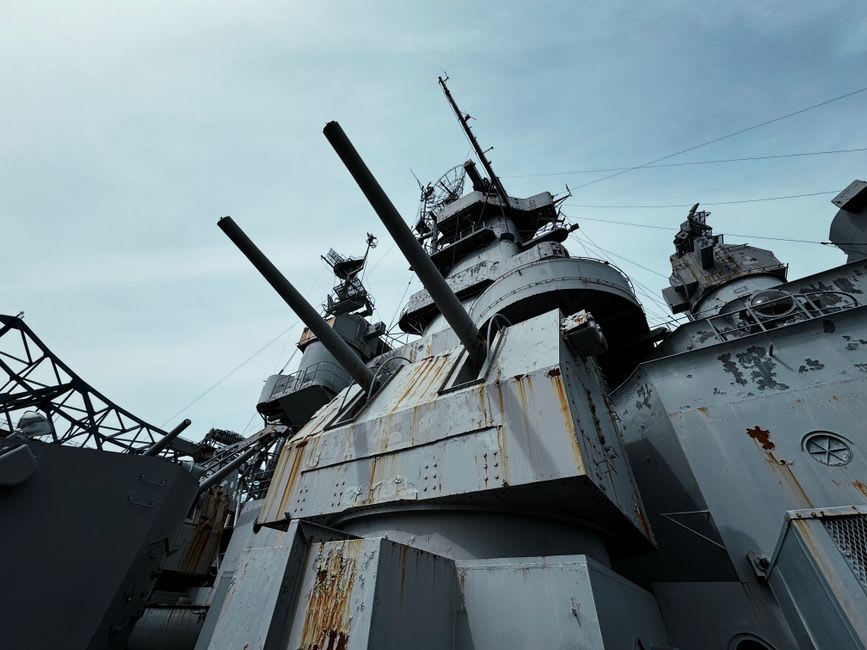
The Yamato Museum’s centerpiece is a one-tenth scale model of the battleship Yamato, built here in Kure and, for a time, the largest warship ever constructed, carrying the largest naval guns ever mounted on a vessel. Even at a tenth of its true size the model fills most of the atrium, and I found myself walking its length slowly, unable to fully process the real scale it implied. Alongside it the museum displays a recovered anti-aircraft gun and a propeller pulled from the wreck decades later, both pitted and corroded in ways that made the ship’s fate feel suddenly very real rather than abstract. Lia, who is usually quicker through museums than I am, stood in front of the recovered propeller for a long time without saying much.
A Harbor Still at Work
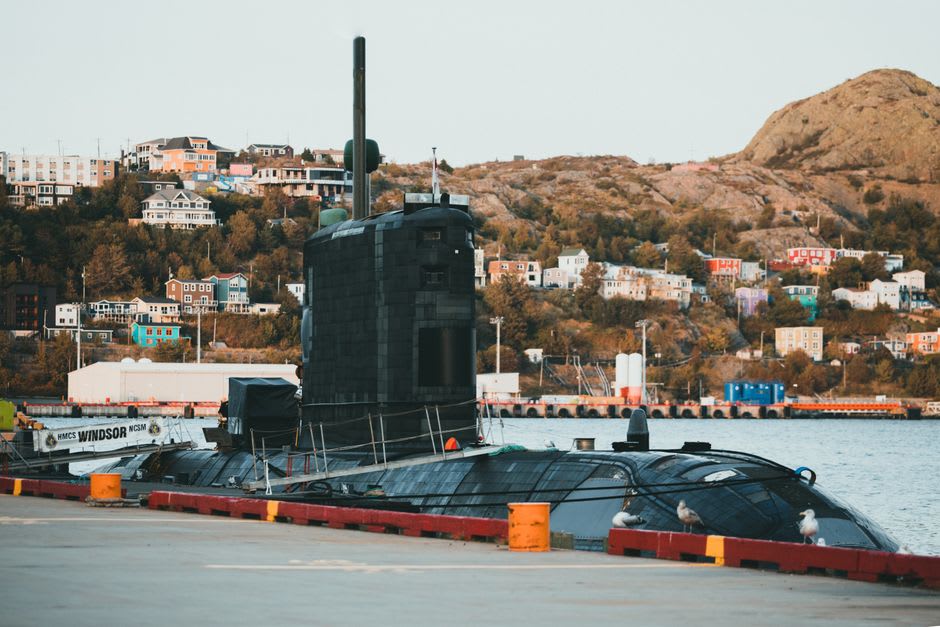
Kure never really stopped being a naval town. Its harbor today hosts an active Maritime Self-Defense Force base, and a short sightseeing cruise runs visitors past the docked ships, including submarines moored close enough to make out hatches and rails clearly. We took the boat on a grey, drizzling afternoon, and there’s something quietly unsettling and fascinating about drifting past a submarine hull that isn’t a museum piece at all, crewed and maintained and entirely ordinary to the people who work there. A guide on the boat pointed out which vessels were currently deployable, in the flat, practiced tone of someone who gives this exact tour daily. Nobody else on board seemed as thrown by it as I was.
Streets Built Around Steel
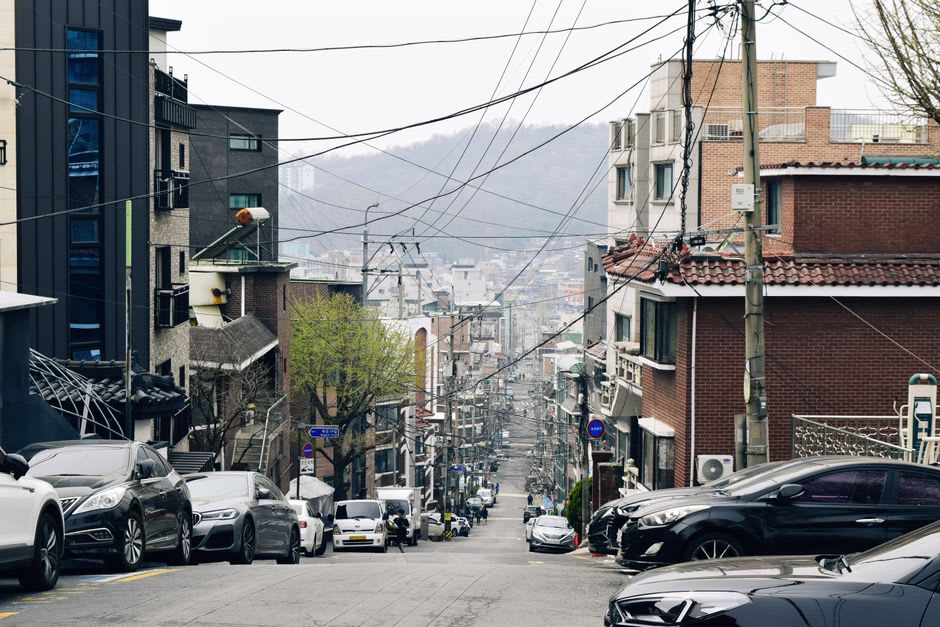
Away from the harbor, Kure’s older neighborhoods still carry the layout of a company town built to serve the arsenal — narrow lanes climbing the hillsides, dockworker housing converted into cafes, a shopping arcade that felt half nostalgic and half genuinely alive. We ducked into a tiny izakaya recommended by our ryokan owner and ended up talking, in fragmented English and worse Japanese, with a retired shipyard worker who’d spent forty years in the same docks the museum now commemorates. He wasn’t sentimental about it exactly, just matter-of-fact, the way people are about the work that shaped their whole life. It was one of those conversations that told me more about a place than any exhibit could.
Getting There
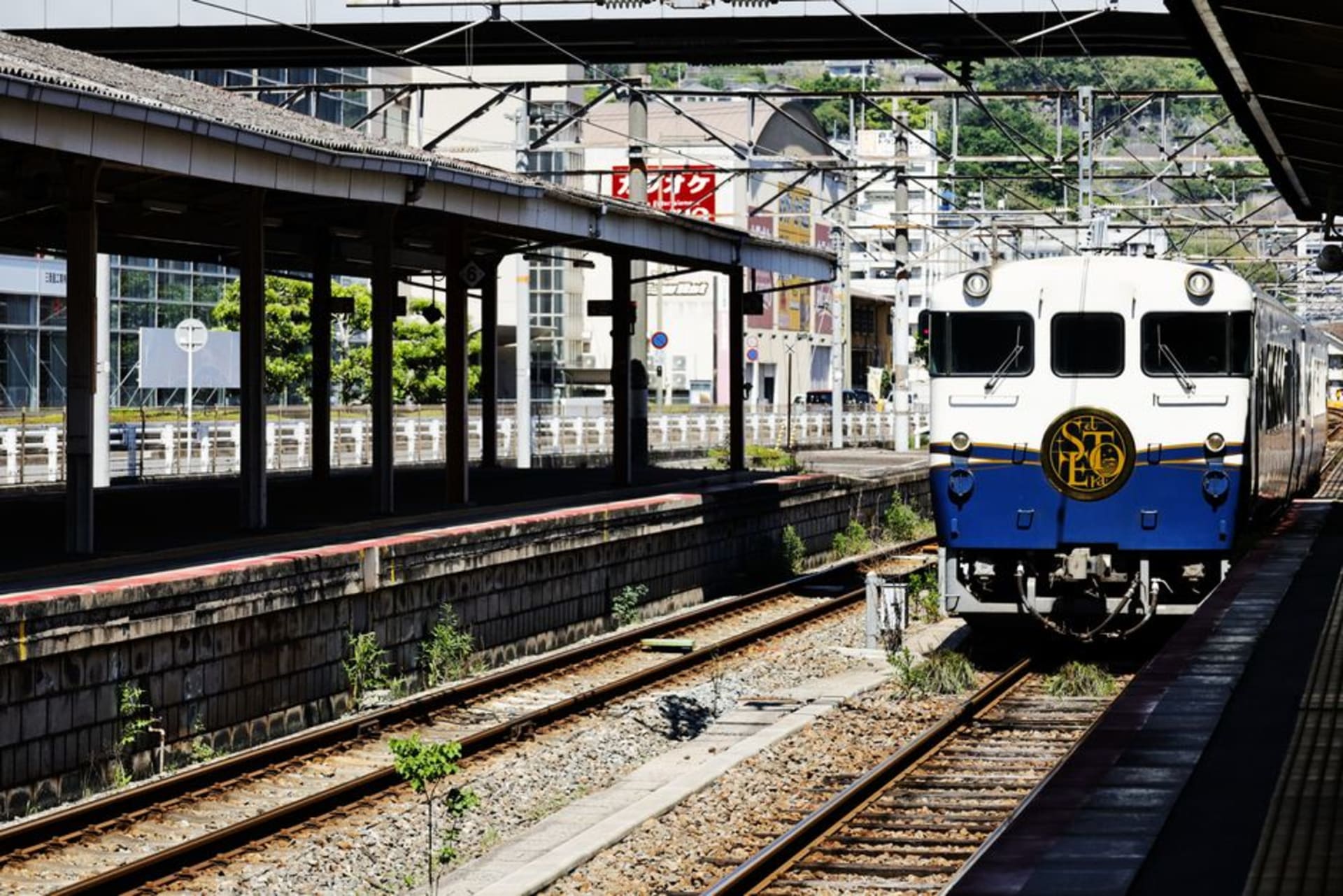
Kure is a short hop from Hiroshima Station on the JR Kure Line, with direct trains taking well under an hour, which makes it an easy half-day or full-day trip if you’re based in Hiroshima already. The Yamato Museum sits a short walk from Kure Station, and the harbor cruises depart from a pier nearby, though schedules shift with military activity in the base so it’s worth checking on arrival rather than assuming a fixed departure time. Coastal buses also connect Kure onward toward smaller Seto Inland Sea towns if you want to keep heading along the coast rather than doubling back to Hiroshima.
Keep exploring
More of Chūgoku
Keep exploring
More from Chūgoku
 japan
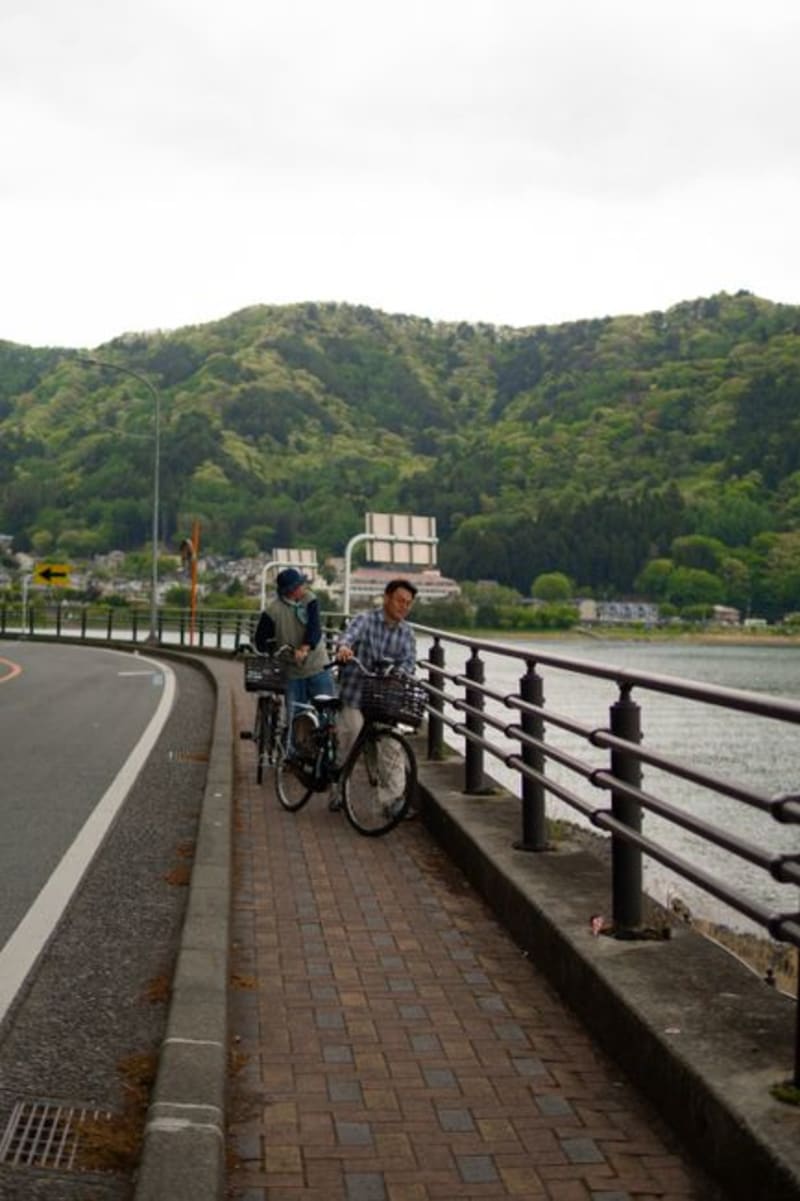
japan Manabeshima
A cat island off Kasaoka with a tiny human population and, by most accounts, more cats than people wandering a maze of wooden fishing-village lanes made famous by a French illustrator's sketchbooks.
Explore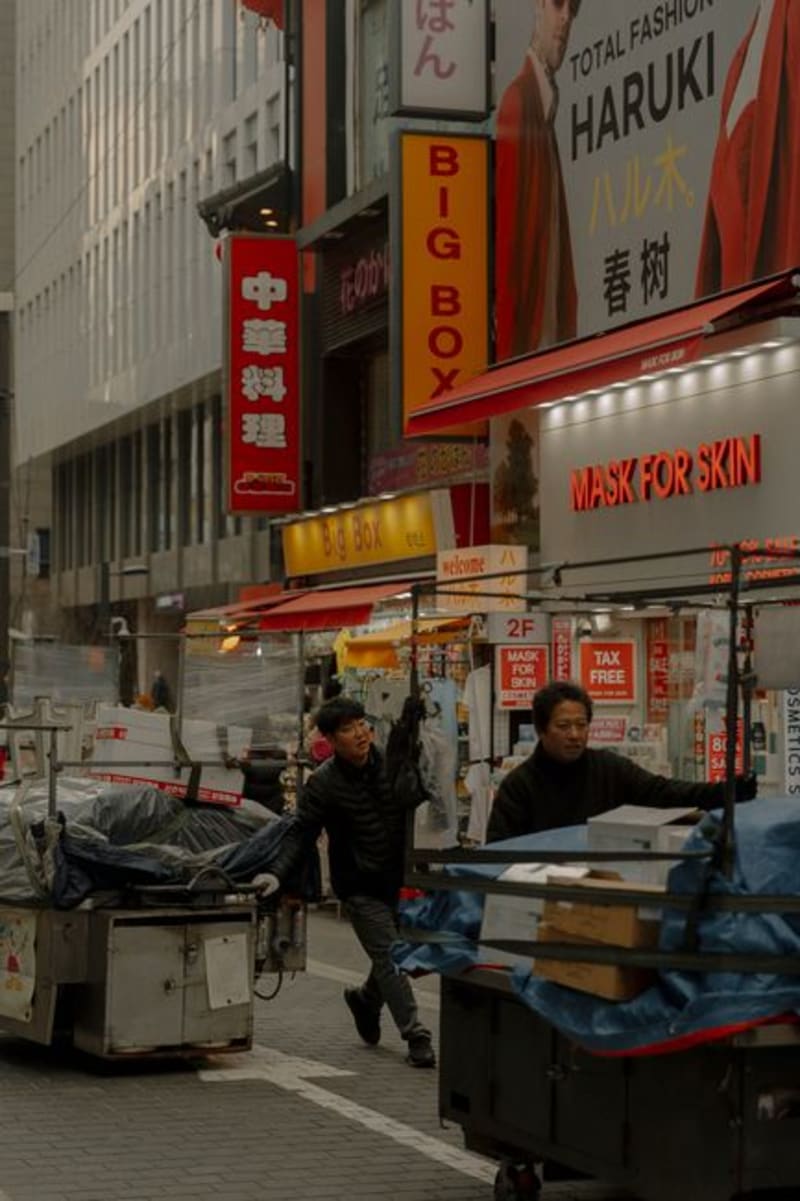 japan
japan Masuda
A quiet Iwami-coast city where the great ink-wash painter Sesshu Toyo spent his final years and built two surviving gardens, one in a rare Buddhist style and one in a stern samurai aesthetic, both nationally designated scenic sites.
Explore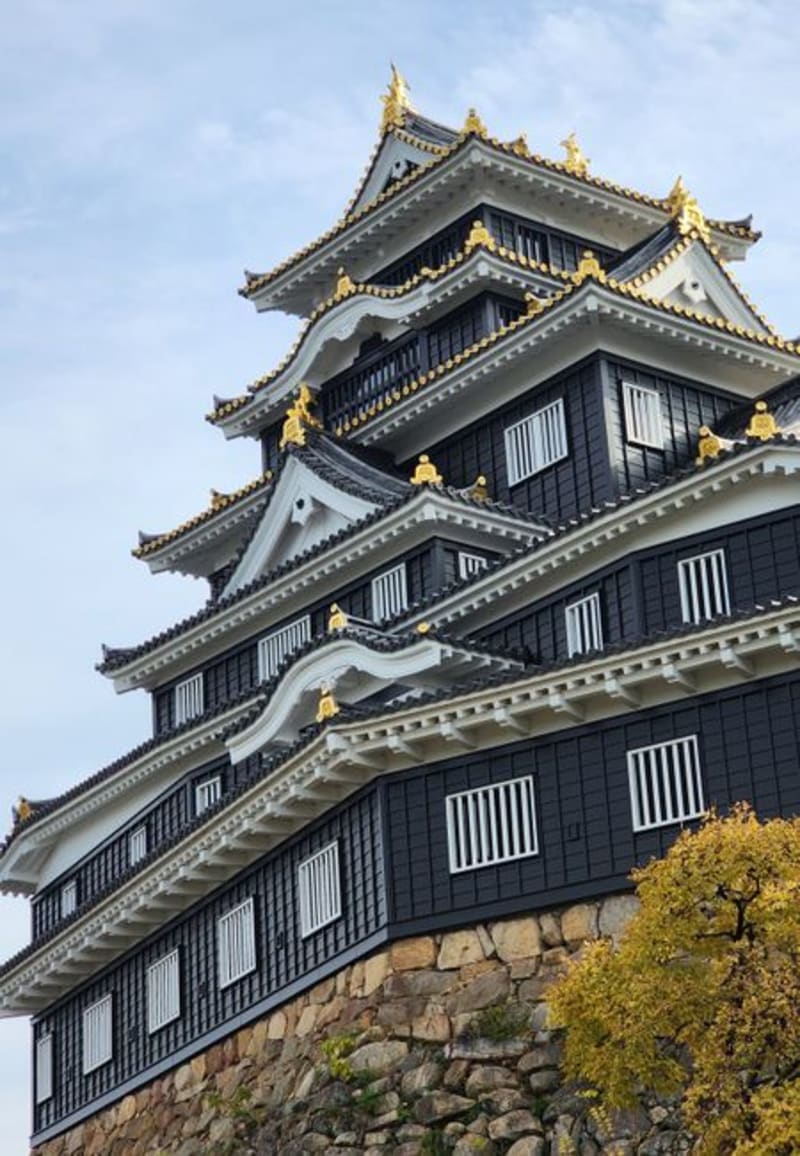 japan
japan Matsue
A castle town on the shores of Lake Shinji, famed for its lake sunsets, a rare original wooden keep, a preserved samurai quarter, and the ghost-hunting writer Lafcadio Hearn who made it his adopted home.
Explore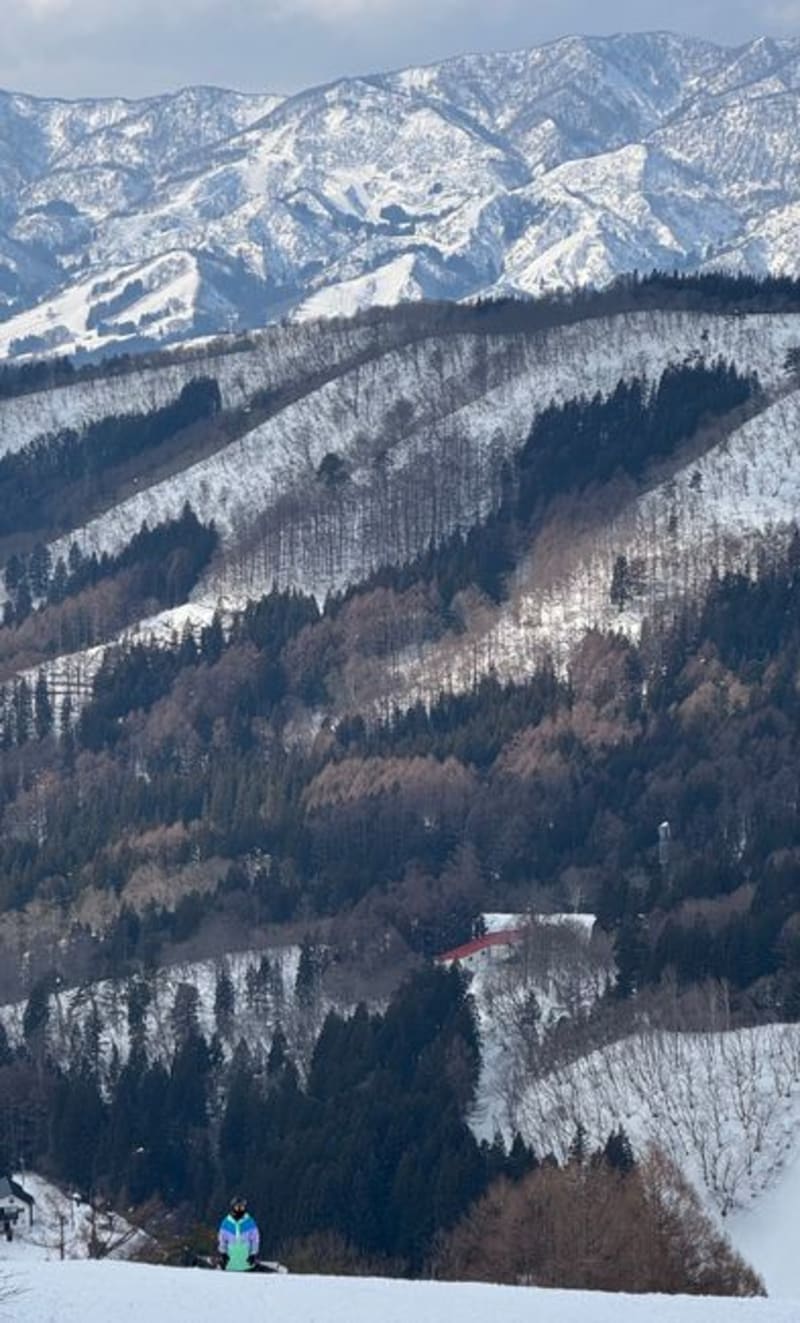 japan
japan Misasa Onsen
A small Tottori hot-spring town where the river runs warm and the water is faintly radioactive in the way that, they insist, does you good. Above it clings the Nageiredo, a wooden hall bolted impossibly into a cliff face on the sacred flank of Mount Mitoku. It is a place that asks you to bathe, then climb, and mostly to slow down.
Explore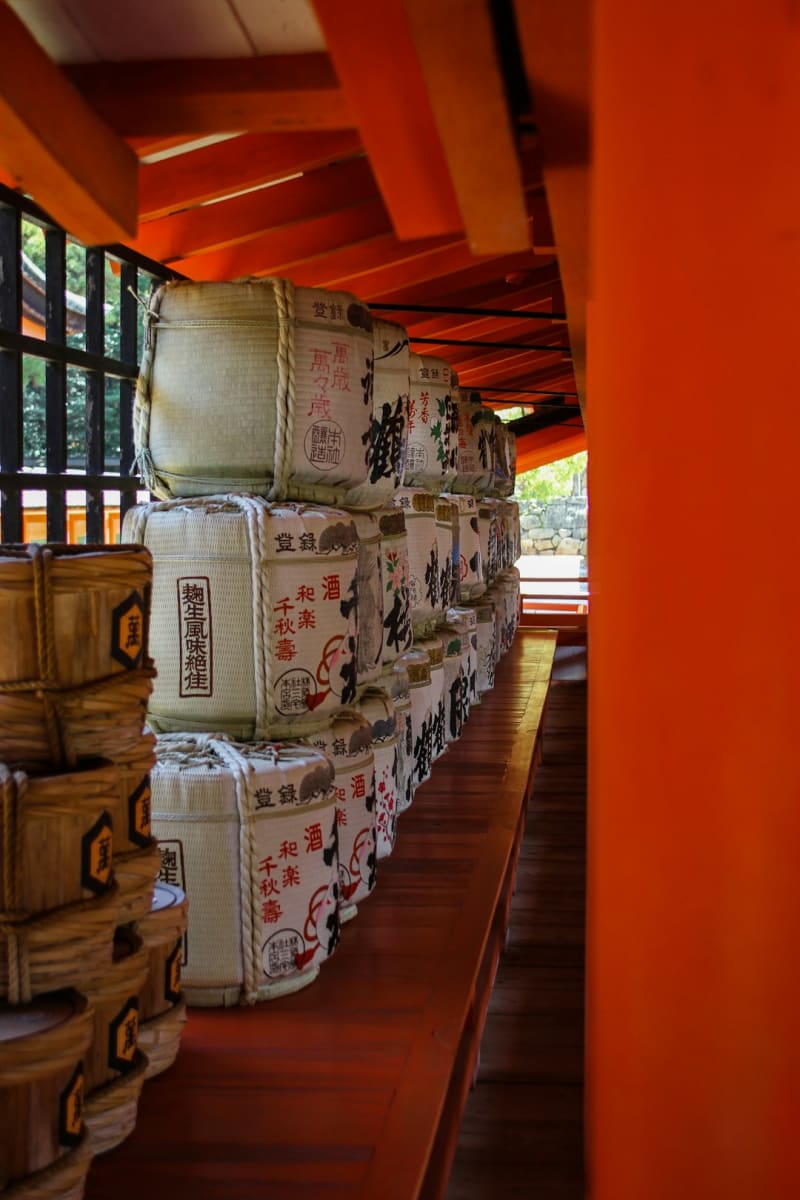 japan
japan Miyajima
A sacred island in Hiroshima Bay, where a great vermilion torii gate appears to float on the tide and a shrine stands on stilts above the sea. Tame deer wander the lanes, Mount Misen rises behind, and at dusk the whole island turns to gold. One of Japan's oldest holy places.
Explore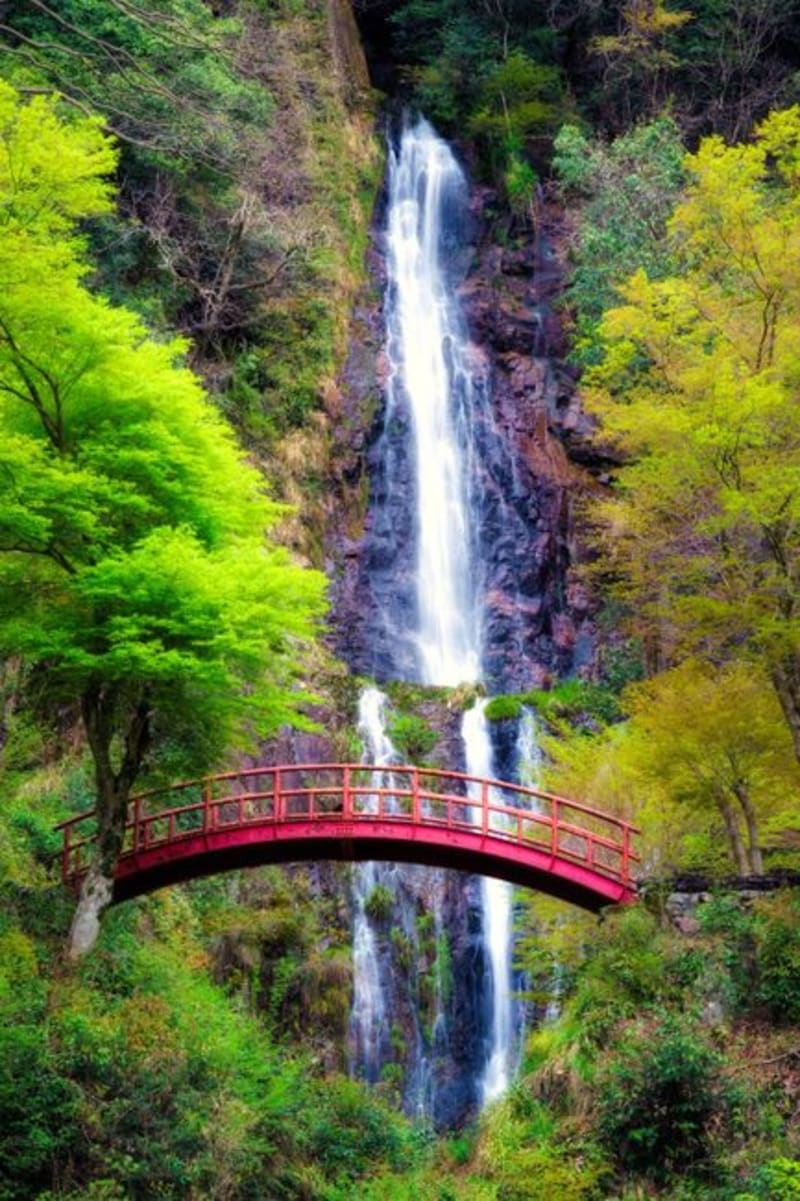 japan
japan Miyoshi
An inland Hiroshima town where three rivers meet and, on the right autumn dawn, a sea of fog drowns the valley below the hills. It has quietly become wine country too, and its river once staged a thousand years of cormorant fishing. We came for the fog and stayed for everything under it.
Explore