A quiet Iwami-coast city where the great ink-wash painter Sesshu Toyo spent his final years and built two surviving gardens, one in a rare Buddhist style and one in a stern samurai aesthetic, both nationally designated scenic sites.

Neither Lia nor I knew much about Sesshu Toyo before Masuda, beyond a vague memory from a museum placard somewhere that he was a major figure in Japanese ink-wash painting. What drew us off the main San’in route was learning that he’d spent his final years in this quiet coastal city and left behind two gardens rather than one, apparently deliberately different from each other, and that both had survived intact enough to still be visited today. We’re suckers for that kind of specific, walkable art history, so we built a full day around it.
A Garden for Contemplation
The first garden, at Iko-ji temple, is laid out in a rare Buddhist style attributed to Sesshu, built around a pond and carefully placed stones meant to be viewed slowly from a fixed seated position rather than walked through. We sat on the temple’s wooden veranda for a long stretch, the way you’re clearly meant to, watching how the light shifted across the water and rock arrangement as clouds moved overhead. It’s the kind of garden that resists being photographed well and rewards patience instead — Lia put her phone away entirely after the first few minutes, which she almost never does at a scenic site, and just watched.
A Garden Built Like a Warrior
A short walk away, the garden at Manpuku-ji takes an almost opposite approach, laid out in a stern, angular style meant to evoke a samurai aesthetic rather than quiet Buddhist contemplation. The stones felt more assertive, the composition tighter and more deliberate in its lines, and standing between the two gardens within the same afternoon made the contrast genuinely striking — the same artist clearly working from two very different intentions, one soft and one severe. A caretaker at Manpuku-ji told us, through Lia’s patchy Japanese, that both gardens are nationally designated scenic sites, which felt entirely earned once we’d seen them side by side.
A City That Kept Its Painter
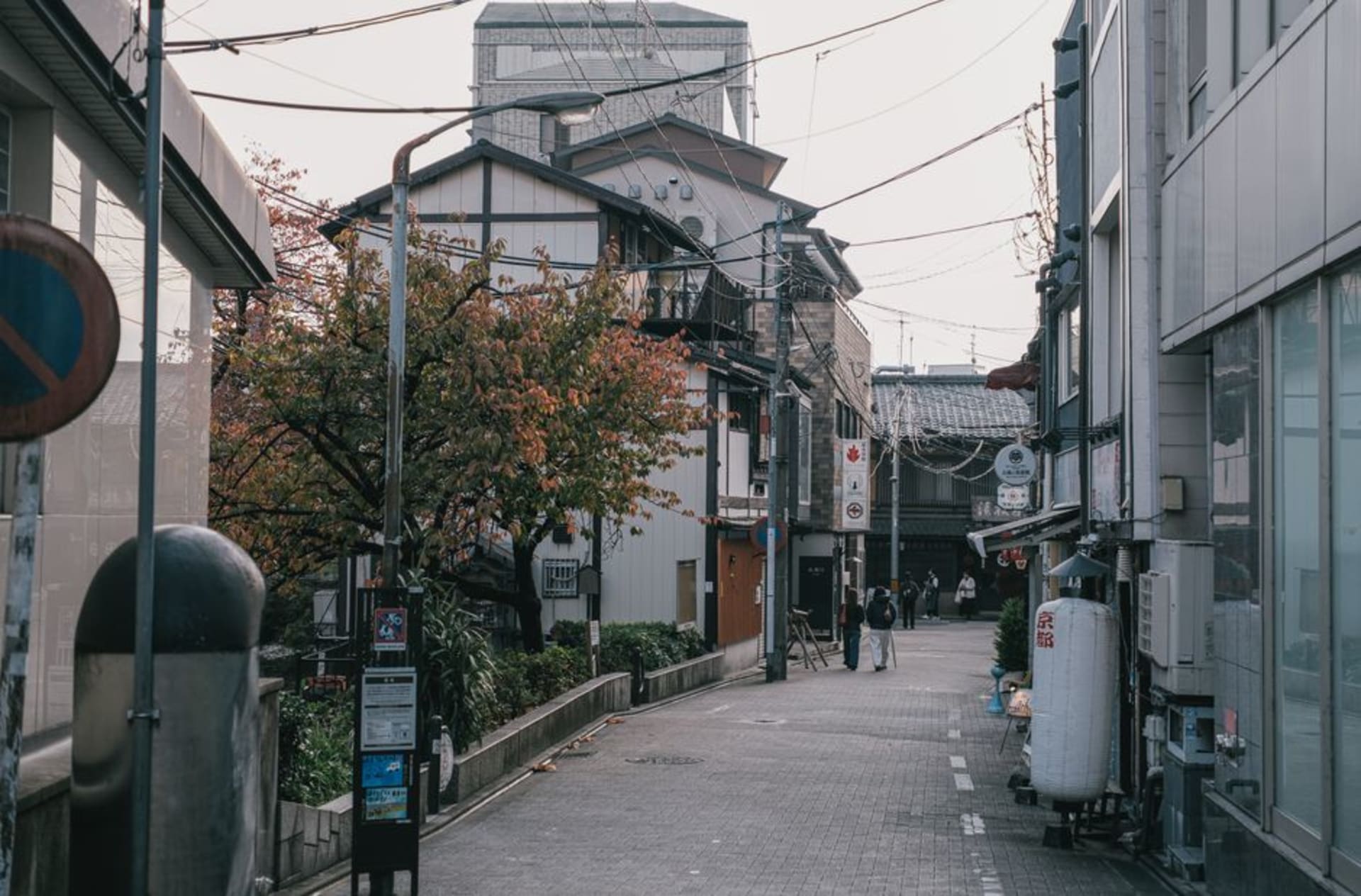
Masuda itself is unhurried in the way a lot of the smaller Iwami-coast cities are, its streets a mix of older wooden buildings and quiet modern storefronts, with little of the tourist infrastructure you’d expect around sites this historically significant. We wandered a bit after the temples, ate a simple lunch of soba at a nearly empty restaurant near the river, and talked about how strange it was that a painter this important to Japanese art history had chosen to spend his last years somewhere this modest and out of the way. Somehow that made the gardens feel more sincere rather than less, like they’d been made for the place itself rather than for anyone visiting it.
Getting There
Masuda is served by Masuda Station, on both the JR San’in Line and the JR Yamaguchi Line, making it reachable by train from either direction along the coast or inland from Yamaguchi. The two Sesshu gardens, at Iko-ji and Manpuku-ji, sit a short distance from each other and are walkable from the station area, though a taxi is a reasonable option if you’re short on time or the weather turns. Masuda also has a small regional airport with limited flights, useful if you’re coming from Tokyo without wanting to commit to the full train journey across the region.
Keep exploring
More of Chūgoku
Keep exploring
More from Chūgoku
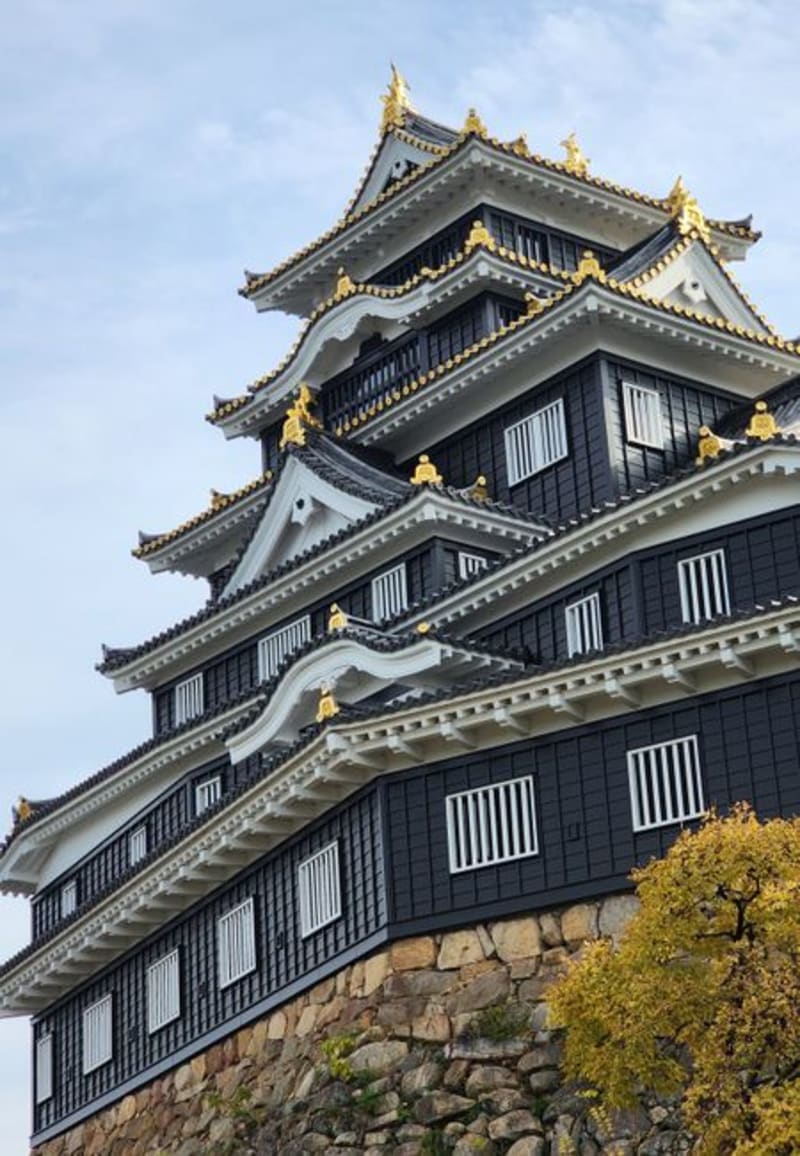 japan
japan Matsue
A castle town on the shores of Lake Shinji, famed for its lake sunsets, a rare original wooden keep, a preserved samurai quarter, and the ghost-hunting writer Lafcadio Hearn who made it his adopted home.
Explore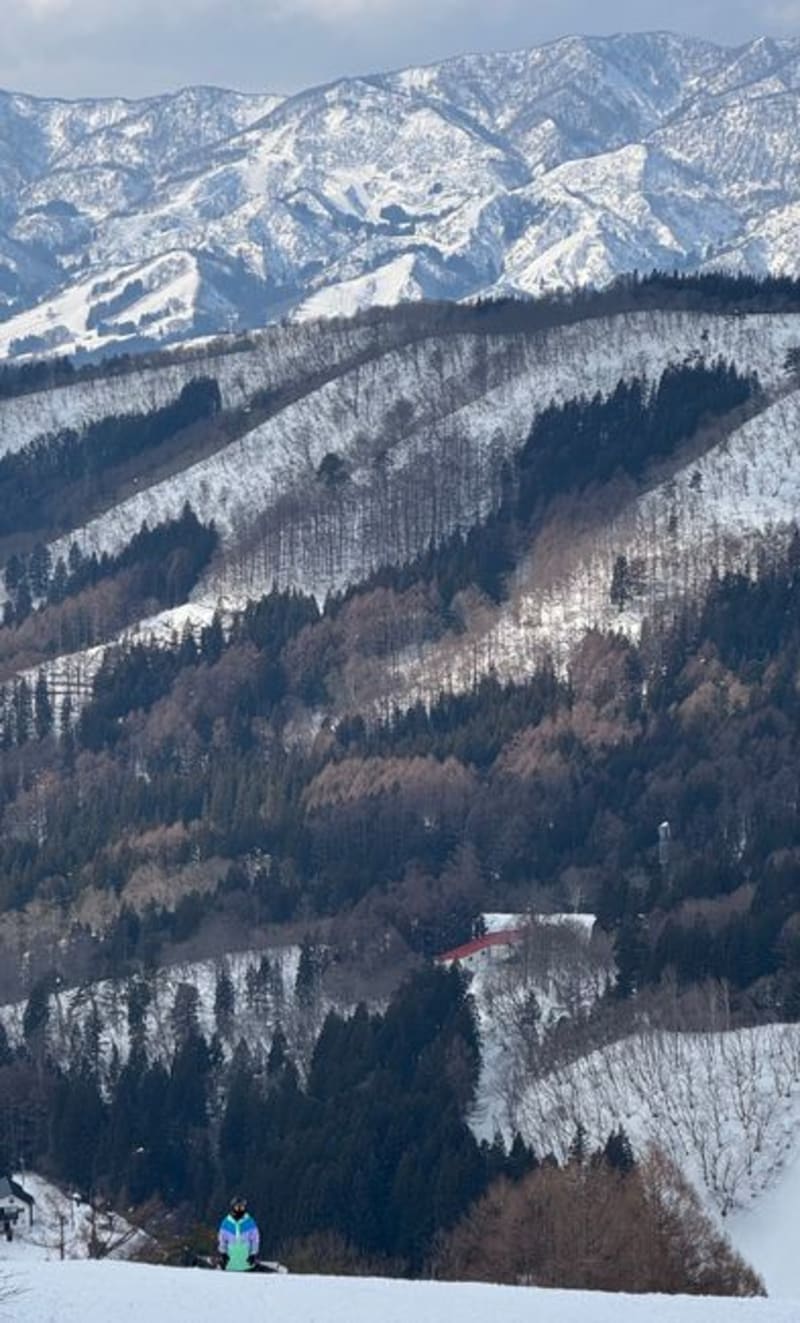 japan
japan Misasa Onsen
A small Tottori hot-spring town where the river runs warm and the water is faintly radioactive in the way that, they insist, does you good. Above it clings the Nageiredo, a wooden hall bolted impossibly into a cliff face on the sacred flank of Mount Mitoku. It is a place that asks you to bathe, then climb, and mostly to slow down.
Explore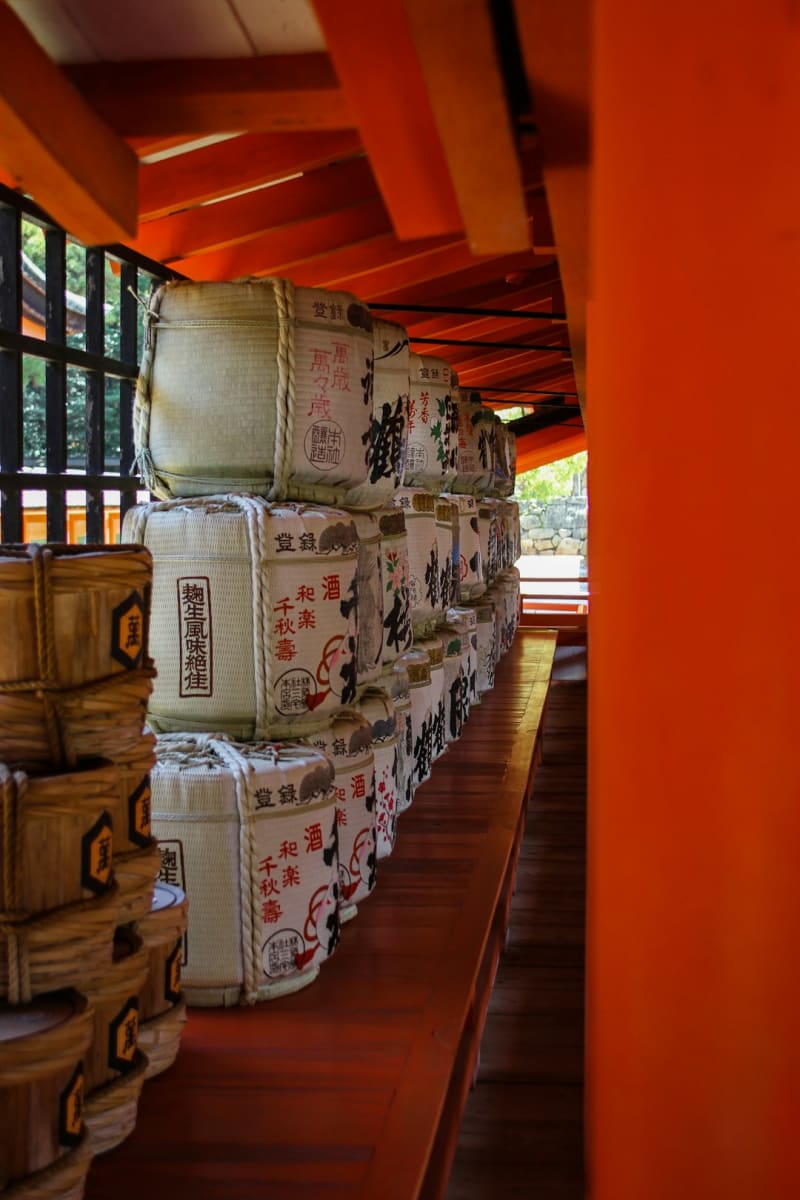 japan
japan Miyajima
A sacred island in Hiroshima Bay, where a great vermilion torii gate appears to float on the tide and a shrine stands on stilts above the sea. Tame deer wander the lanes, Mount Misen rises behind, and at dusk the whole island turns to gold. One of Japan's oldest holy places.
Explore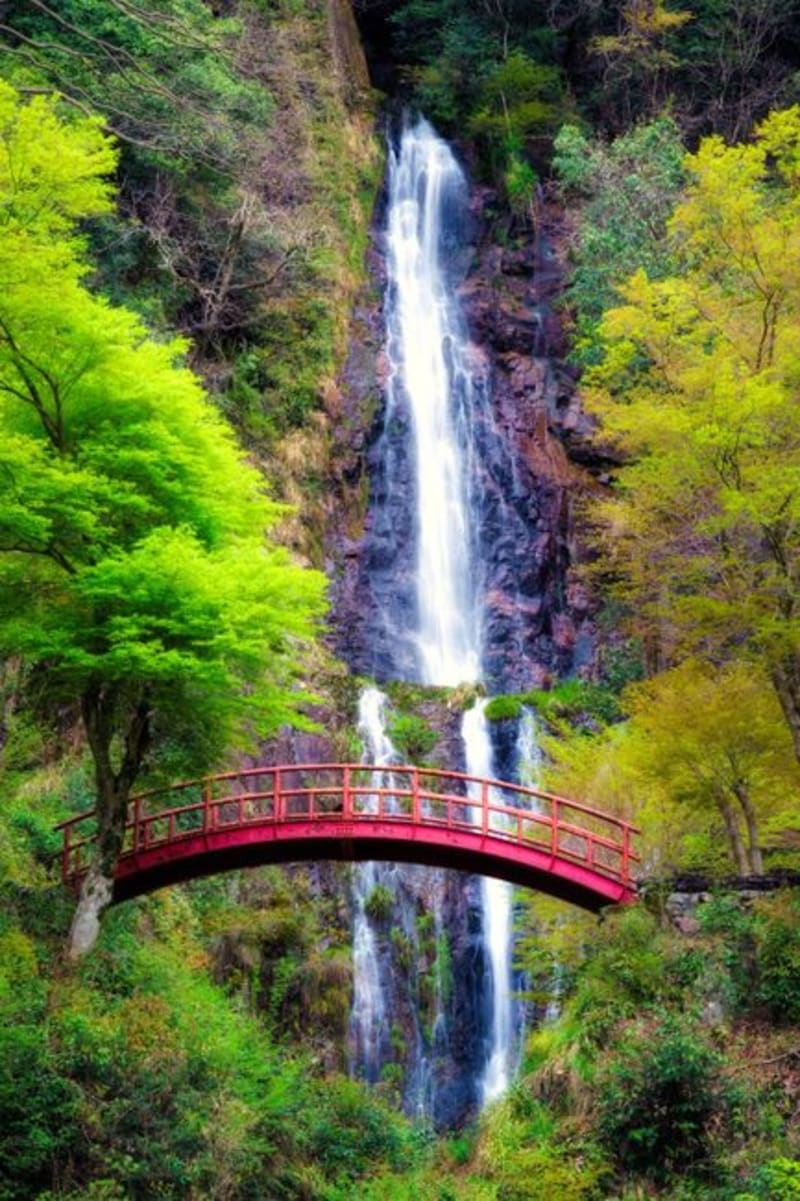 japan
japan Miyoshi
An inland Hiroshima town where three rivers meet and, on the right autumn dawn, a sea of fog drowns the valley below the hills. It has quietly become wine country too, and its river once staged a thousand years of cormorant fishing. We came for the fog and stayed for everything under it.
Explore japan
japan Motonosumi
A stretch of the northern Yamaguchi coast where 123 vermilion torii gates spill down a green headland toward a churning blue sea. One of Japan's most photographed shrine walks, and yet somehow still wild at the edges, wind and spray and colour all at once.
Explore japan
japan Okayama
A sunny castle city on the Inland Sea, home to Kōraku-en — one of Japan's three great landscape gardens — and the black-lacquered 'Crow Castle' that broods beside it. The mainland gateway to the art islands of the Seto sea.
Explore