A cat island off Kasaoka with a tiny human population and, by most accounts, more cats than people wandering a maze of wooden fishing-village lanes made famous by a French illustrator's sketchbooks.

Manabeshima was, unusually for us, entirely my idea rather than Lia’s, though I have a French illustrator to thank for it rather than any research of my own. I’d come across his sketchbooks years ago, full of loose, affectionate drawings of this specific island’s cats and lanes, long before I ever thought I’d actually visit Japan, and something about them had stuck with me. So when we found ourselves in the Kasaoka area with a free day, I finally said the name out loud to Lia, half-expecting her to veto it as too whimsical. She didn’t. We caught the ferry the next morning.
More Cats Than People
The numbers get repeated so often they’ve become almost a cliché, but they’re true in the way that matters: Manabeshima’s human population is small and aging, while its cat population, by most informal counts, outnumbers the residents comfortably. They’re everywhere within minutes of stepping off the ferry — sunning on boat hulls, threading between crates outside the fish co-op, sprawled across warm stone steps in poses that seemed almost theatrically relaxed. Lia, who normally treats stray animals with polite caution, was crouched down within the first five minutes trying to coax a scruffy orange one over with a piece of her onigiri. It worked. It kept working, all day, with different cats, until I lost count of how many she’d fed.

A Village Built for Wandering
Beyond the cats, Manabeshima’s actual village is a genuinely lovely, slightly labyrinthine cluster of wooden fishing houses, narrow lanes twisting between them in a way that seemed designed less for cars, which barely exist here, than for exactly the kind of unhurried wandering we found ourselves doing. Laundry hung between buildings, a few shuttered old shops hinted at a busier past, and every so often a lane would open onto a small view of the sea before folding back into shade. It’s the kind of place where getting slightly lost is the whole point, and we did, twice, without minding at all.

Sketching an Island
I found the spot from the illustrator’s book almost by chance, a bend in the lane with a particular angle of rooftops and a cat asleep in almost the exact position I remembered from the drawing, and I sat there longer than I probably needed to, just looking. Lia teased me for getting sentimental over it, but she took a photo of me looking anyway, which I suspect she’ll bring up for years. We ended the day sitting on the sea wall near the ferry dock, eating shave ice from the island’s one small shop, a cat curled at a very deliberate, unbothered distance beside us, waiting, we assumed correctly, for us to drop something.

Getting There
Manabeshima is reached by ferry from Kasaoka Port, with the crossing taking somewhere between forty-five minutes and just over an hour depending on the sailing and route. Ferries run a limited number of times a day, so check the schedule before you go and plan your return trip in advance rather than assuming flexibility once you’re on the island. Kasaoka itself is accessible by train from Okayama or Fukuyama, making Manabeshima a manageable day trip if you time the ferries carefully. There are no cars to speak of on the island, so bring comfortable shoes and expect to explore entirely on foot.
Keep exploring
More of Chūgoku
Keep exploring
More from Chūgoku
 japan
japan Masuda
A quiet Iwami-coast city where the great ink-wash painter Sesshu Toyo spent his final years and built two surviving gardens, one in a rare Buddhist style and one in a stern samurai aesthetic, both nationally designated scenic sites.
Explore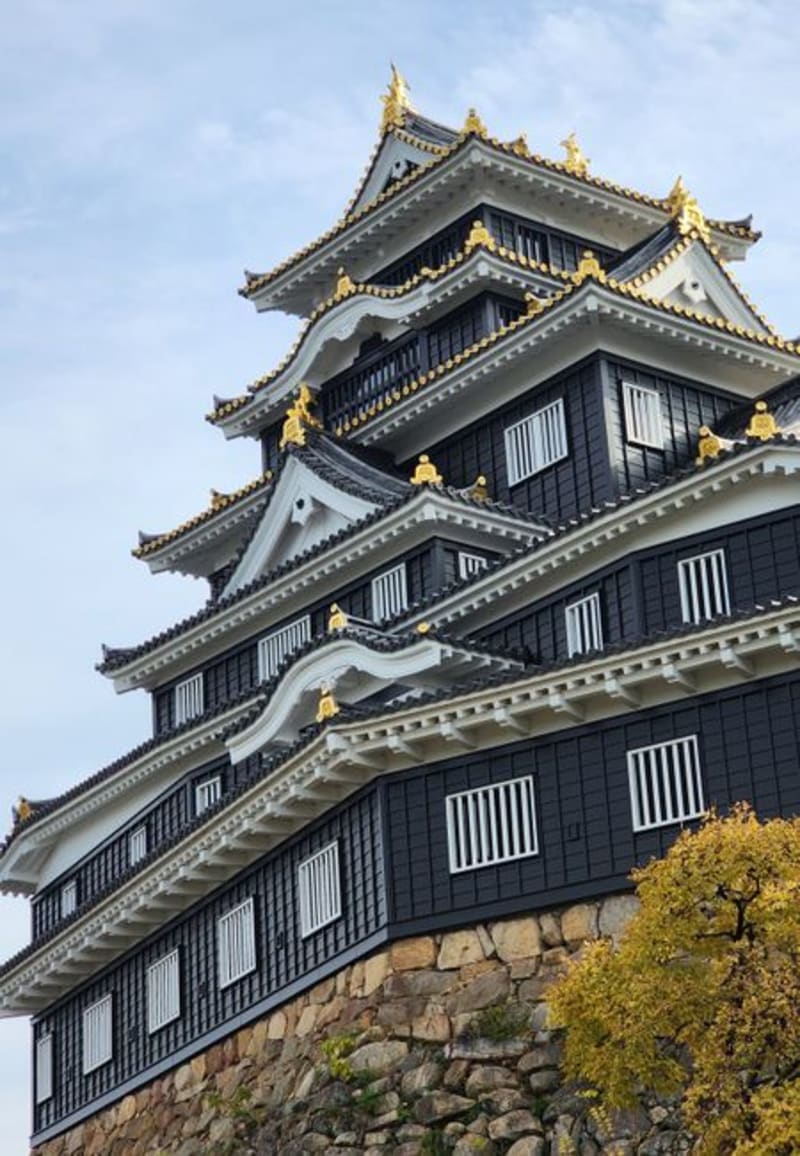 japan
japan Matsue
A castle town on the shores of Lake Shinji, famed for its lake sunsets, a rare original wooden keep, a preserved samurai quarter, and the ghost-hunting writer Lafcadio Hearn who made it his adopted home.
Explore japan
japan Misasa Onsen
A small Tottori hot-spring town where the river runs warm and the water is faintly radioactive in the way that, they insist, does you good. Above it clings the Nageiredo, a wooden hall bolted impossibly into a cliff face on the sacred flank of Mount Mitoku. It is a place that asks you to bathe, then climb, and mostly to slow down.
Explore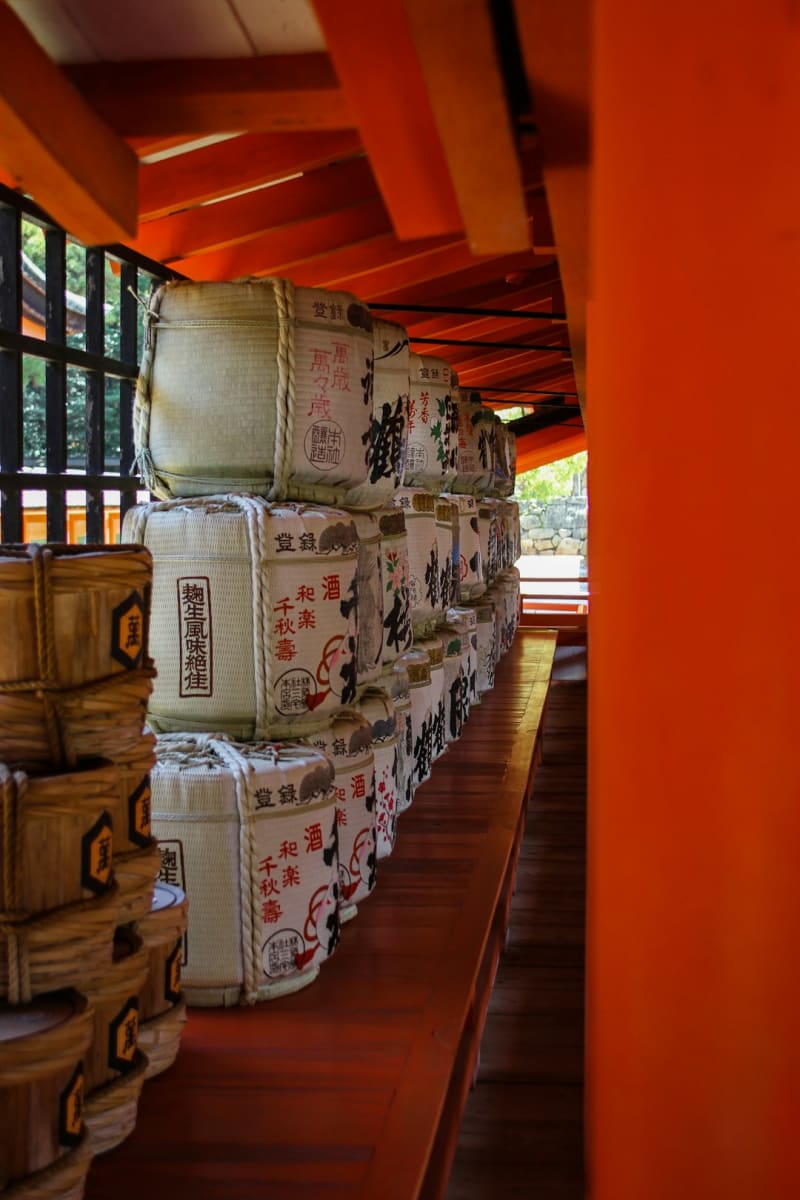 japan
japan Miyajima
A sacred island in Hiroshima Bay, where a great vermilion torii gate appears to float on the tide and a shrine stands on stilts above the sea. Tame deer wander the lanes, Mount Misen rises behind, and at dusk the whole island turns to gold. One of Japan's oldest holy places.
Explore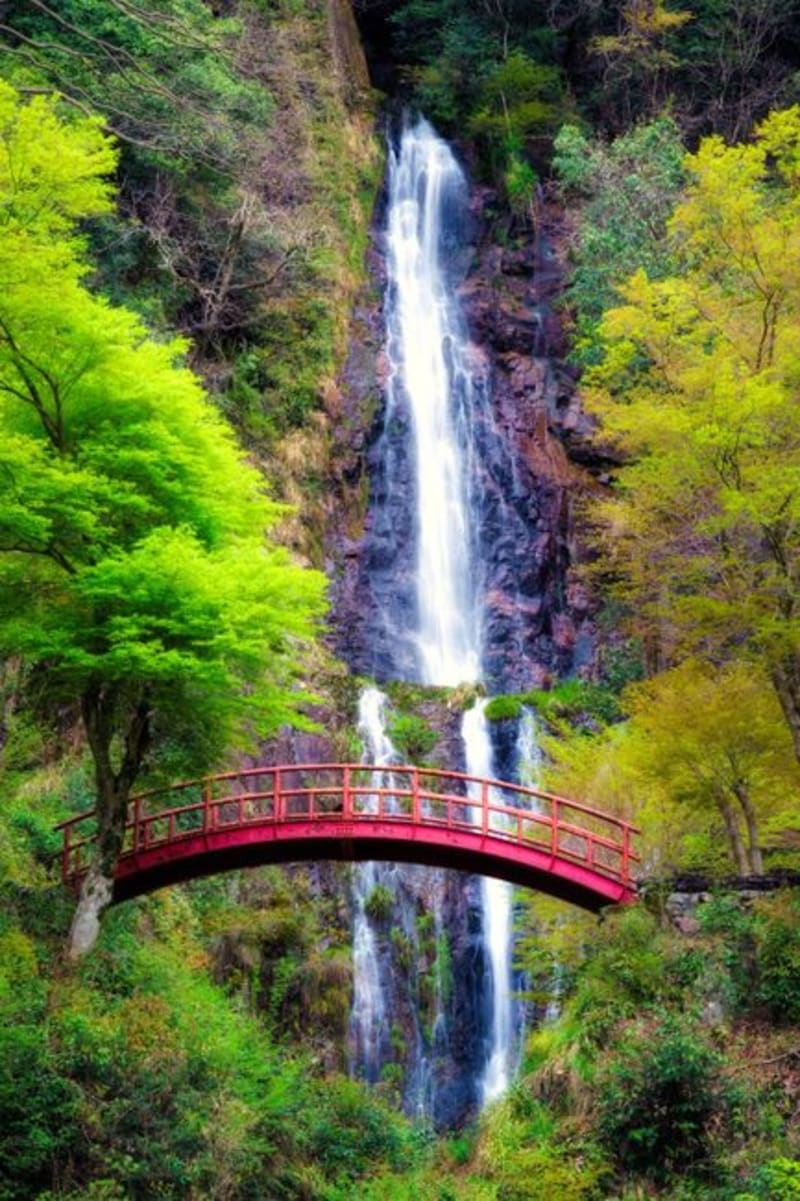 japan
japan Miyoshi
An inland Hiroshima town where three rivers meet and, on the right autumn dawn, a sea of fog drowns the valley below the hills. It has quietly become wine country too, and its river once staged a thousand years of cormorant fishing. We came for the fog and stayed for everything under it.
Explore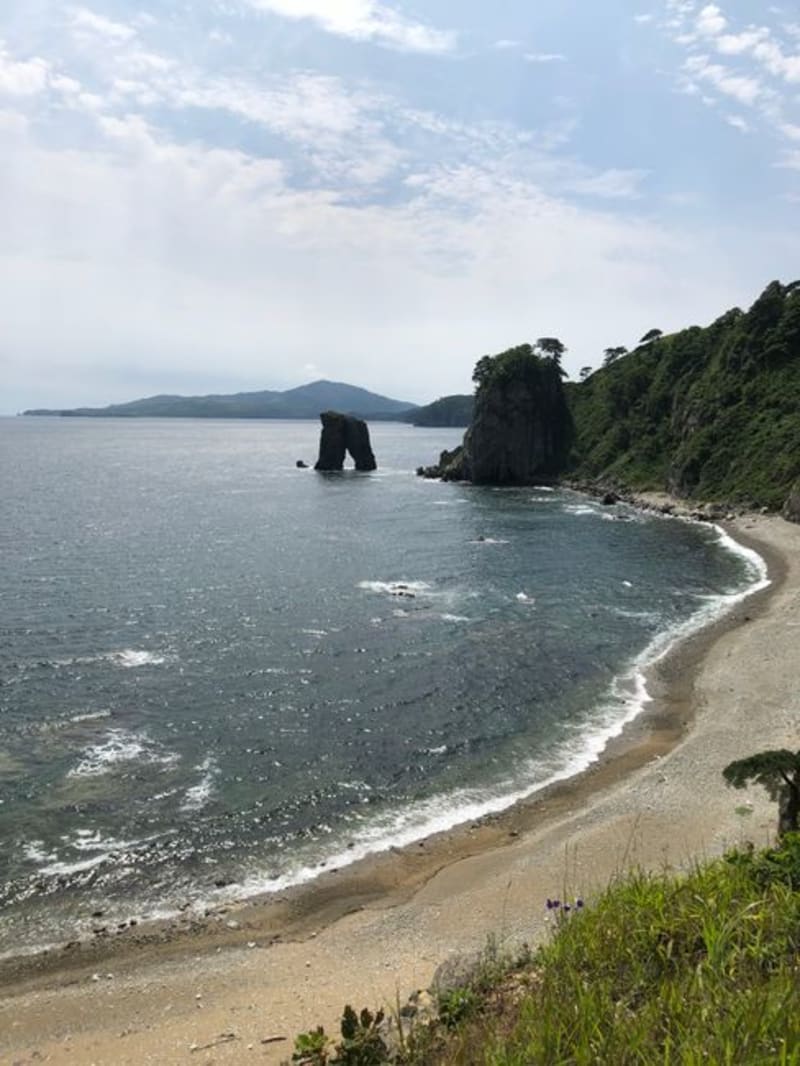 japan
japan Motonosumi
A stretch of the northern Yamaguchi coast where 123 vermilion torii gates spill down a green headland toward a churning blue sea. One of Japan's most photographed shrine walks, and yet somehow still wild at the edges, wind and spray and colour all at once.
Explore