
Iwami Ginzan
"A third of the world's silver once came out of this quiet green valley. Now it's mostly birdsong."
A forested valley in rural Shimane where a silver mine once fed half the world's trade, now gone quiet and green, its shafts swallowed by moss and its old town left standing. We walked into damp tunnels and out through a town that time simply set down and forgot. It is the most peaceful UNESCO site I know.

We nearly didn’t make it. Iwami Ginzan sits deep in Shimane, a prefecture that feels a world away from the shinkansen corridor, and getting there took a long local train and a country bus and a certain stubbornness on Lia’s part. But she’d read that this valley once produced as much as a third of the world’s silver — that in the 1500s and 1600s it fed the trade routes of Asia and Europe, that it appeared on old Portuguese maps — and she wanted to stand in a place that had been that important and was now this quiet. So we did. We walked into the forest, the cicadas loud and the air thick and green, until the ground opened into the black mouth of a mine shaft, and the temperature dropped, and it went completely silent.
The Mine Shafts
The Ryūgenji Mabu shaft is the one you can walk into, a narrow hand-cut tunnel driven into the hillside, and stepping inside is a small shock — cold, dripping, the chisel marks of miners still raw in the rock walls after four hundred years. There are hundreds of these shafts scattered through the valley, most sealed and reclaimed by the forest, and the walk to reach them is half the reward: a shaded path along a stream, past mossed-over stone foundations and the occasional weathered shrine where miners once prayed for safety. What moved me was the human scale of it. No vast machinery, no open pit — just tunnels dug by hand, by lamplight, by people who spent their lives underground so that silver could travel to places they’d never see. The forest has taken almost all of it back, gently.

The Ōmori Old Town
Down from the mines, the old town of Ōmori runs along a single winding street in the valley floor, and it is one of the loveliest streets we walked in all of Japan. Merchant houses and samurai residences, a magistrate’s office, small temples on the slopes above — all of it low, wooden, unhurried, with barely a modern building to break the spell. It never became a tourist machine; people still live here, and there’s a working quality to the quiet. We ducked into a beautifully restored merchant house, sat a while in a café that had once been something else entirely, and bought a small bar of local soap from a shop run by a company that started in the valley generations ago. The whole town felt cared for rather than curated, which is a rarer thing.

A Lesson in Restraint
What lingers about Iwami Ginzan is the idea the UNESCO listing actually honours: sustainability. The mine was worked for centuries without stripping the mountains bare, using the surrounding forest carefully for fuel and timber, so that the landscape recovered rather than collapsed. Standing on a ridge path with Lia, looking out over an unbroken green valley that had once been the industrial engine of a hemisphere, I found that genuinely humbling — proof that a place can be enormously productive and still be handed on intact. We climbed to Rakan-ji, where five hundred small stone arhat statues sit in grottoes across a stream, carved to console the souls of dead miners, and the two of us went quiet again. It’s that kind of place. It asks for quiet and rewards it.

Getting There
Iwami Ginzan is remote, and that’s the point. The usual approach is to reach Ōda-shi station on the JR San’in line, then take a local bus about thirty minutes to the Ōmori area; from Hiroshima you can also take a highway bus toward the coast. Once there, the valley is best explored on foot or by rental bicycle, with the mine shafts a pleasant walk or ride beyond the old town. Give it a full, slow day, and consider staying overnight in a nearby town to feel it empty out after the day-trippers leave. Bring good shoes and let the pace of the place set your own.
Keep exploring
More of Chūgoku
Keep exploring
More from Chūgoku
 japan
japan Izumo
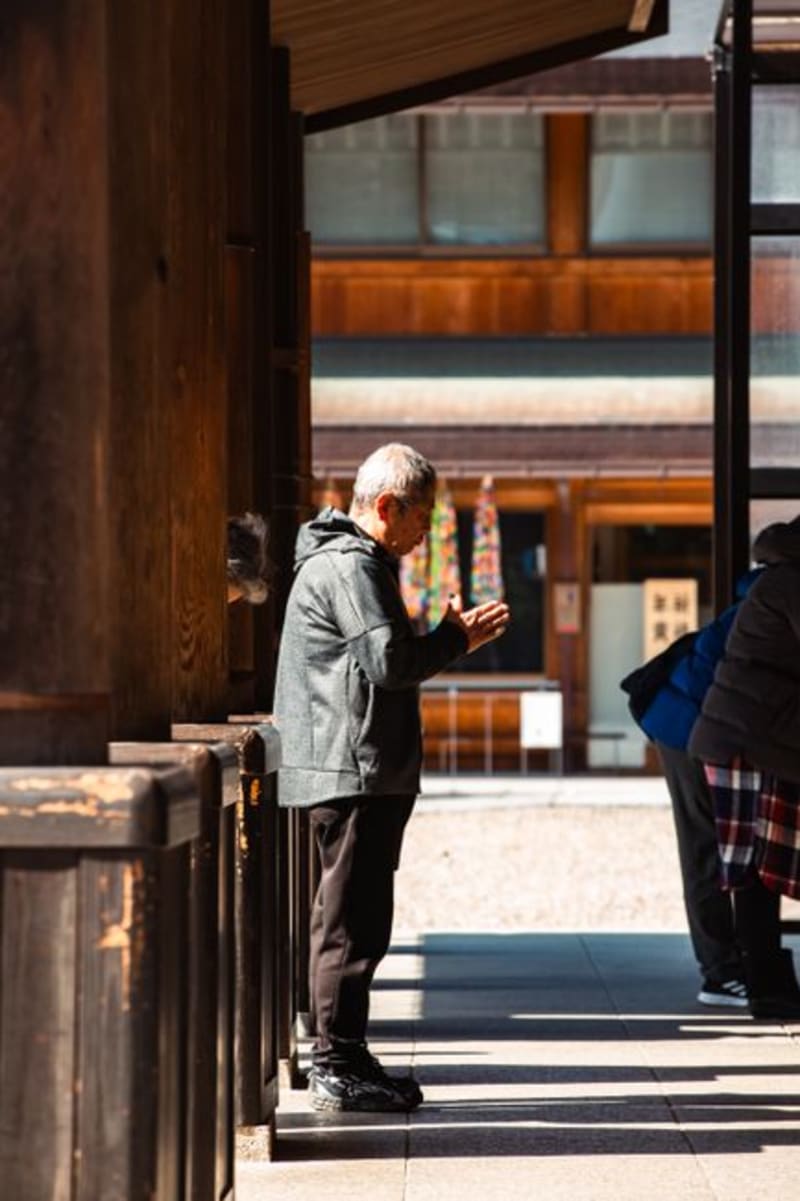
One of Japan's oldest and most revered shrines, its hall hung with a colossal rope of twisted straw, on a wild stretch of Shimane coast where the gods are said to gather each autumn. Sunsets over the Sea of Japan at Inasa beach.
Explore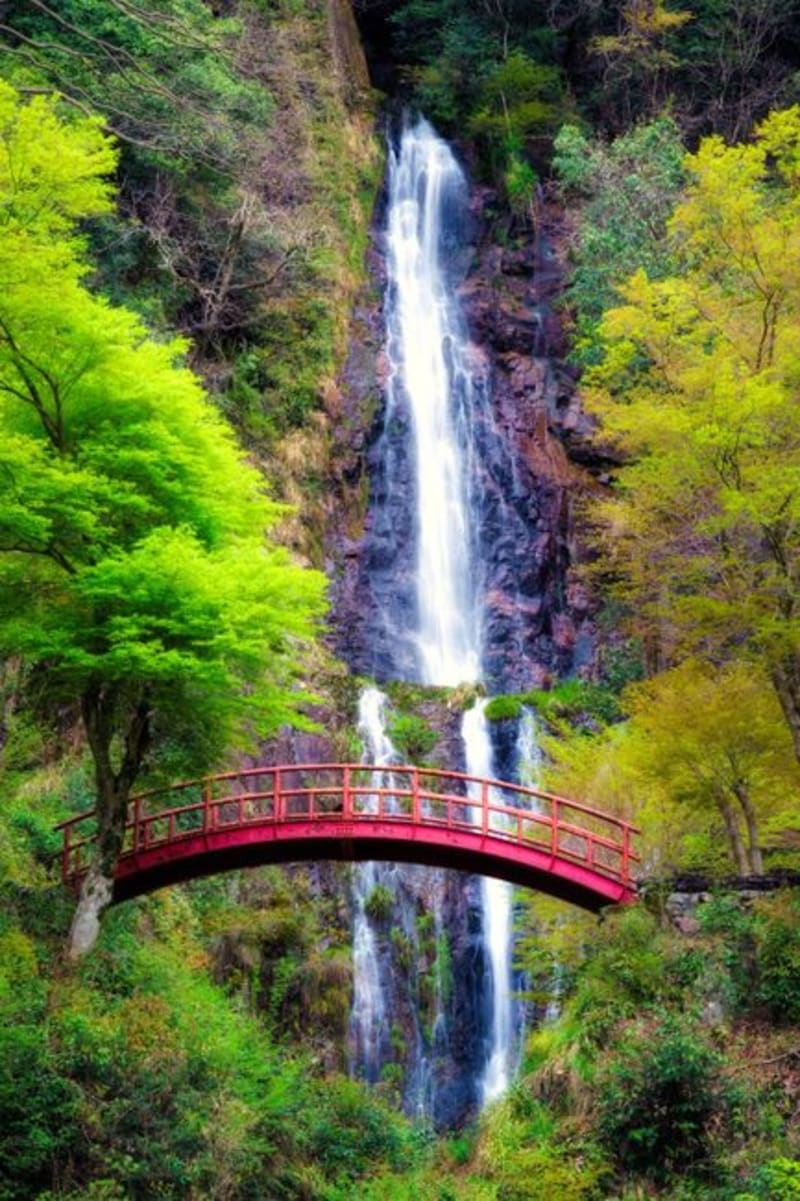 japan
japan Miyoshi
An inland Hiroshima town where three rivers meet and, on the right autumn dawn, a sea of fog drowns the valley below the hills. It has quietly become wine country too, and its river once staged a thousand years of cormorant fishing. We came for the fog and stayed for everything under it.
Explore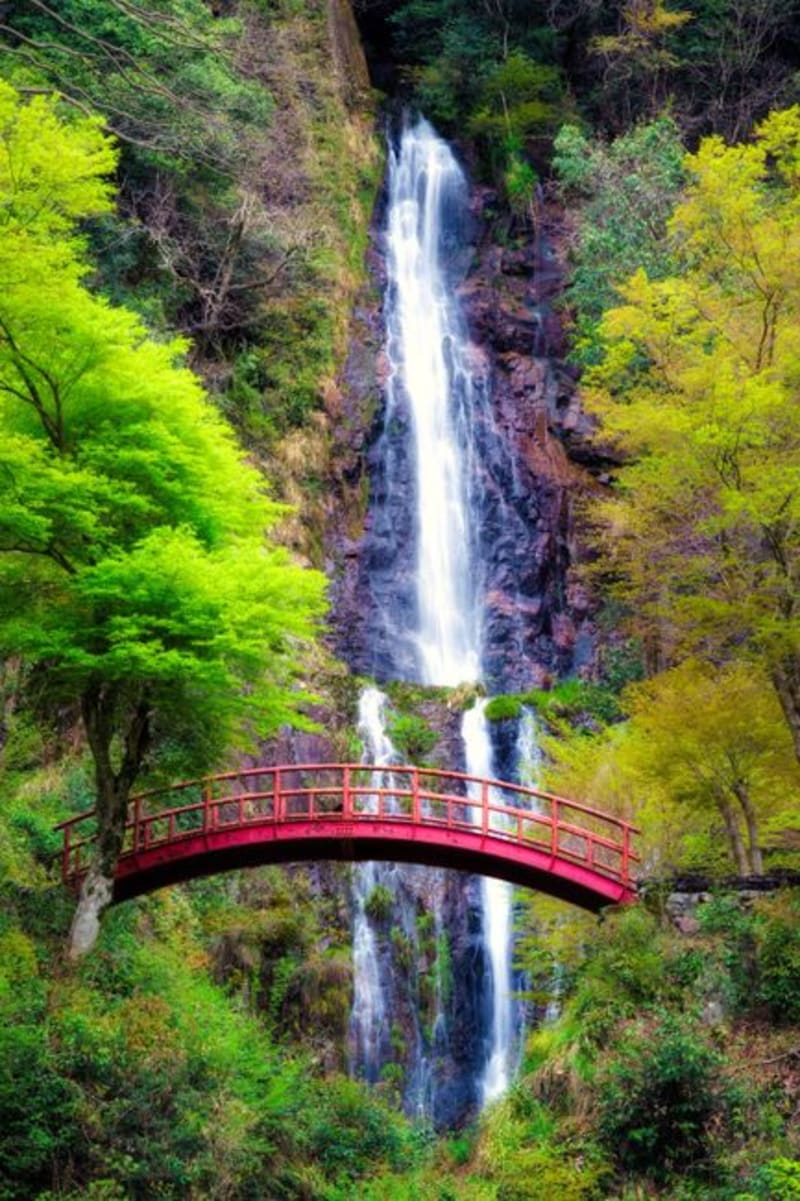 japan
japan Sandankyo
A long, cool gorge folded into the mountains of northern Hiroshima, where a clear river carves through forest past pools the color of green glass and waterfalls you reach on foot. It is a walking place, an unhurried place. We came for a stroll and stayed until our legs gave out.
Explore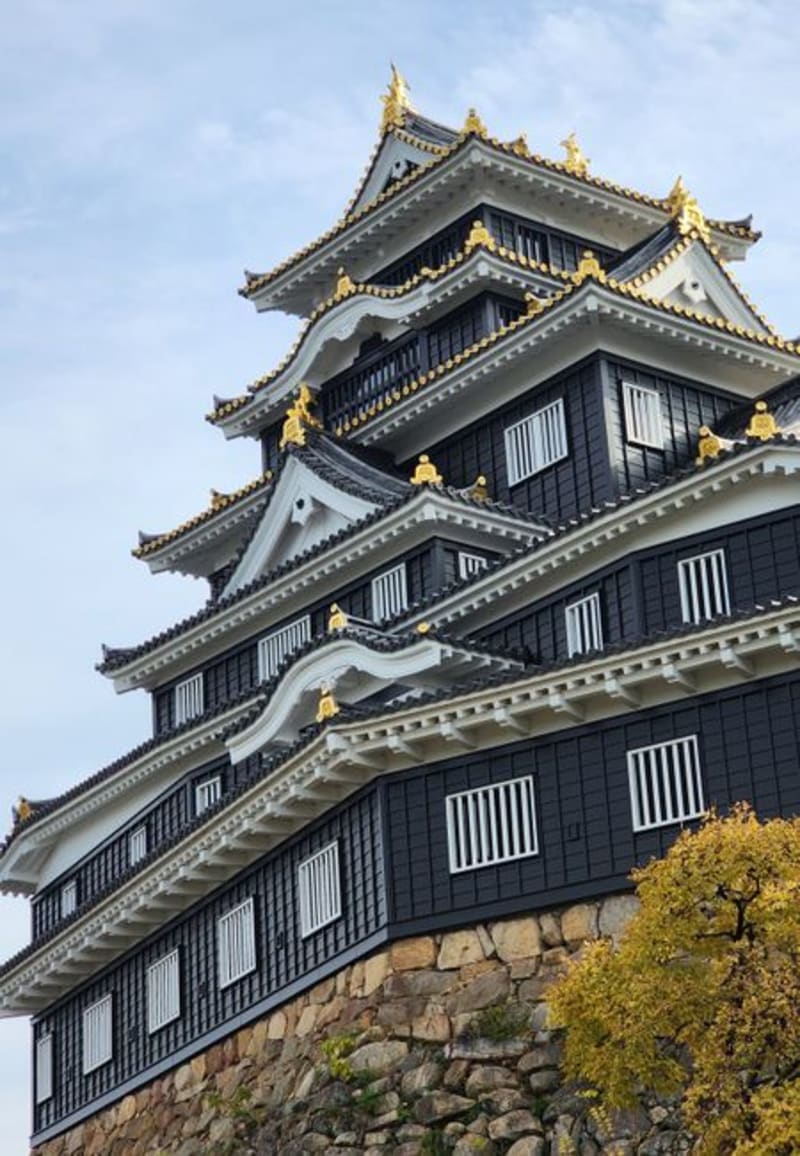 japan
japan Matsue
A castle town on the shores of Lake Shinji, famed for its lake sunsets, a rare original wooden keep, a preserved samurai quarter, and the ghost-hunting writer Lafcadio Hearn who made it his adopted home.
Explore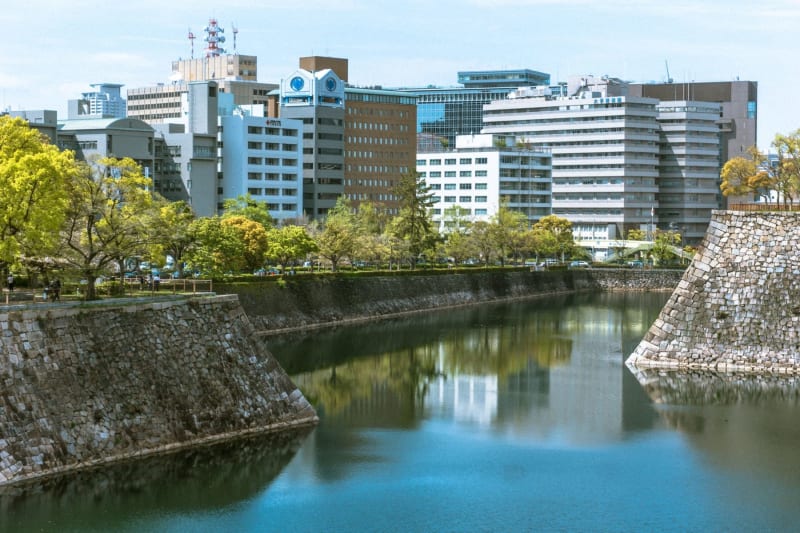 japan
japan Hiroshima
A city reborn from tragedy, where the Peace Memorial Park stands beside a thriving modern metropolis.
Explore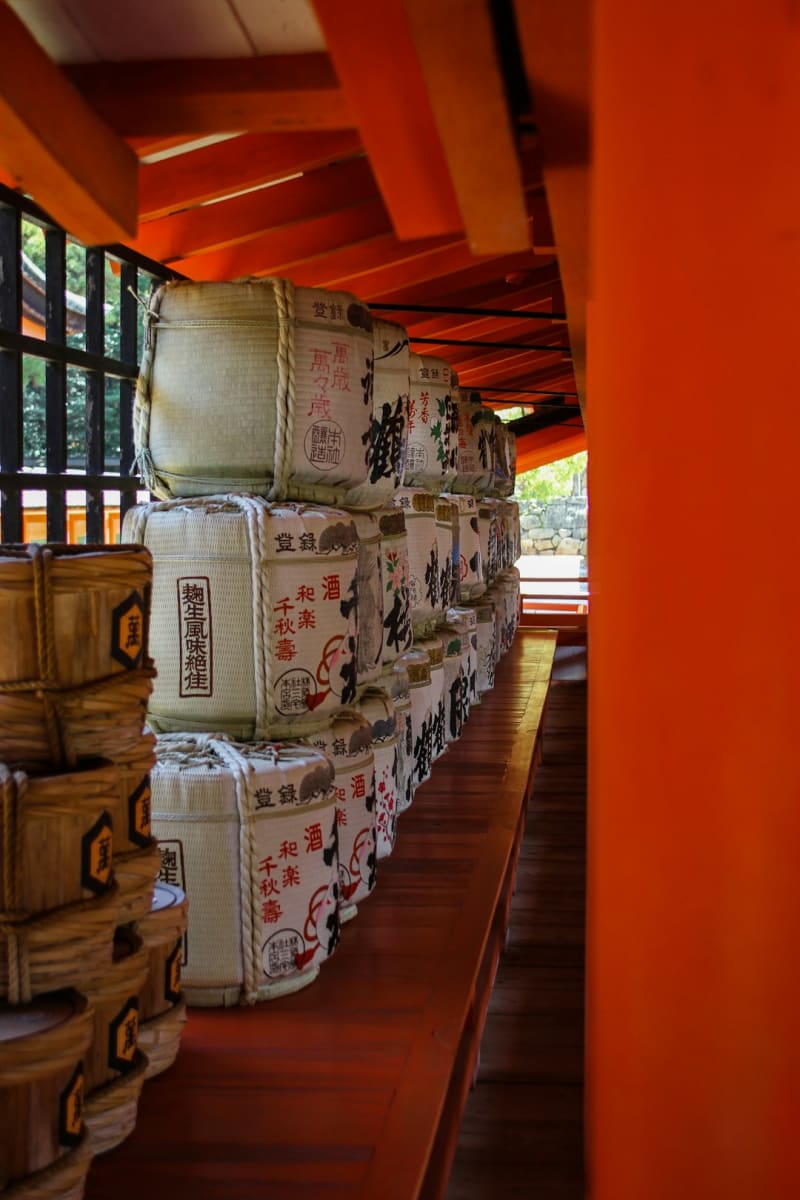 japan
japan Miyajima
A sacred island in Hiroshima Bay, where a great vermilion torii gate appears to float on the tide and a shrine stands on stilts above the sea. Tame deer wander the lanes, Mount Misen rises behind, and at dusk the whole island turns to gold. One of Japan's oldest holy places.
Explore