Europe
Greece
"Greece does not try to impress you. It simply is, and that is enough."
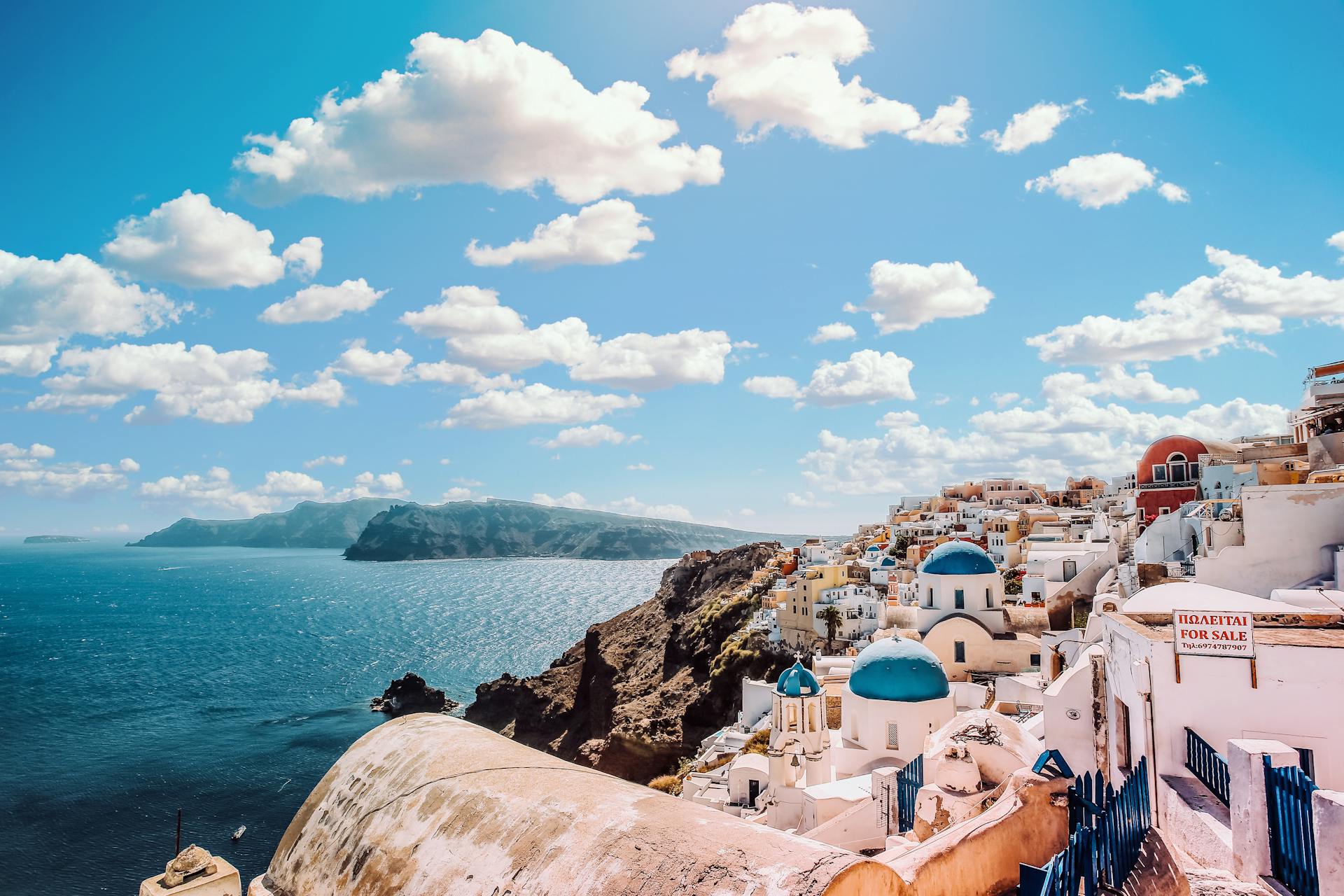
Greece has a problem that is also its greatest asset: Santorini. The caldera views have become so iconic, so thoroughly Instagrammed, that they threaten to define the entire country in a single image — white walls, blue domes, sunset. It is beautiful, undeniably. But Greece contains multitudes that the postcard cannot hold. The Pelion peninsula, where stone villages cling to forested slopes above hidden coves. Crete’s wild interior, where gorges split the earth and shepherds still move flocks along paths older than written language. The Mani, at the southern tip of the Peloponnese, where tower houses stand like ancient sentinels against a landscape of almost aggressive beauty.
The mainland deserves far more attention than it receives. Meteora’s monasteries, perched on sandstone pillars that defy reasonable geology, are among the most extraordinary sights in Europe. Thessaloniki has a food scene that Athenians grudgingly admit rivals their own. The mountains of Epirus — Zagori’s stone bridges, the Vikos Gorge, villages accessible only by footpath — offer a Greece that most island-hopping itineraries never discover. Even Athens, too often treated as a layover, rewards those who look past the Acropolis into the neighborhoods: Exarchia’s street art and tavernas, Psyrri’s rooftop bars, the Central Market’s controlled chaos at dawn.
When to go: May to mid-June or September to mid-October. The shoulder seasons bring warm water, open tavernas, and manageable crowds. July and August are brutally hot on the mainland and overwhelmed on the popular islands. October on Crete or the Peloponnese is quietly perfect.
What most guides get wrong: They focus exclusively on the Cyclades. The Dodecanese, the northeast Aegean, the Ionian islands, and above all the mainland offer experiences that are less crowded, less expensive, and often more authentically Greek. Take the ferry to an island you have never heard of. That is where Greece keeps its best secrets.
Explore
Places in Greece
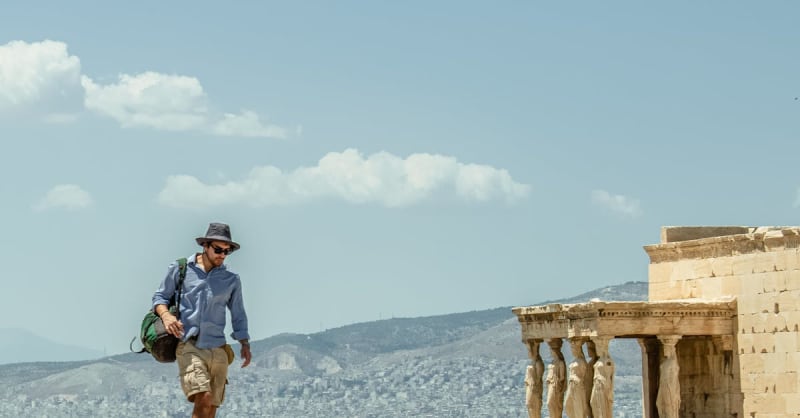
Athens
Where Western civilization began and where it still argues about politics over tiny cups of coffee.
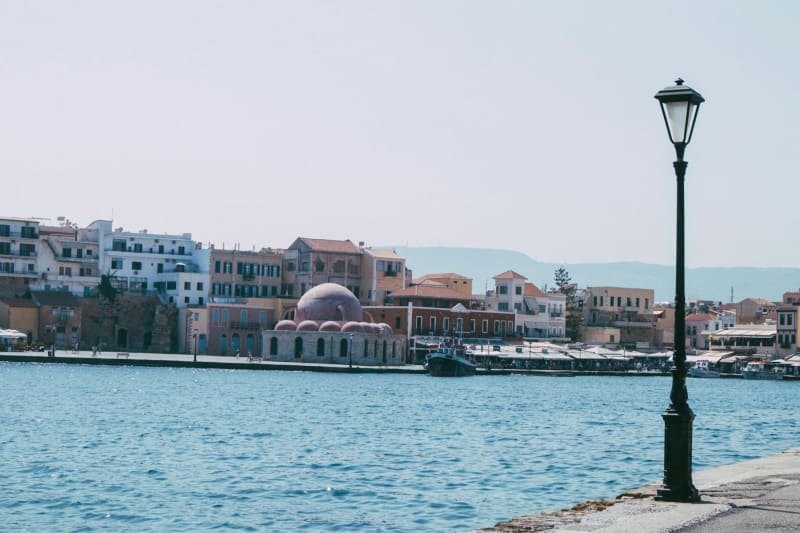
Chania
The jewel of western Crete: a Venetian harbor ringed with pastel-painted buildings, Ottoman mosques, and the finest seafood on the island.

Corfu
The greenest Greek island, where Venetian architecture meets cypress-covered hills and the Ionian Sea glows an improbable shade of blue.
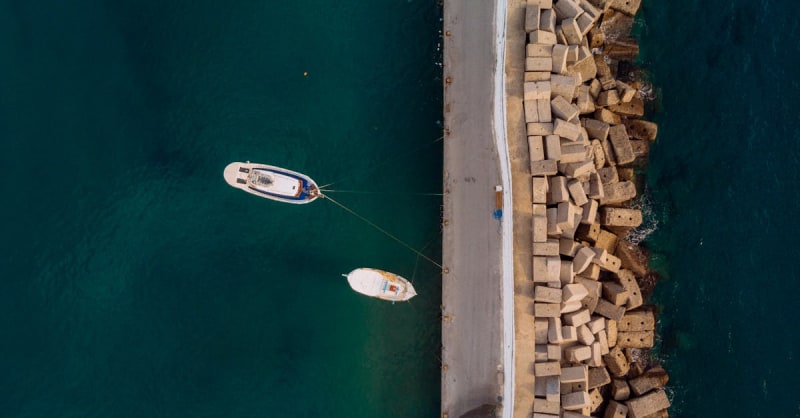
Crete
Greece's largest island, where mountain gorges meet ancient palaces and the food alone is worth the flight.
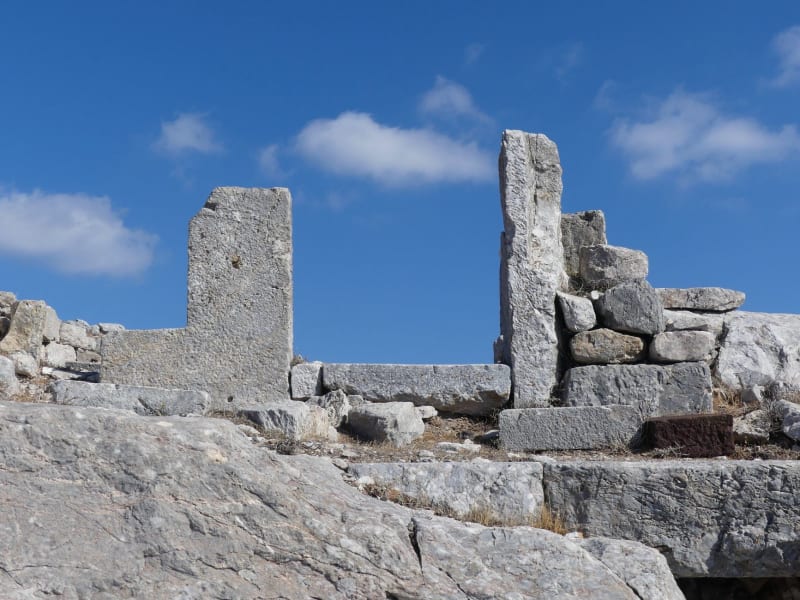
Delos
An entire uninhabited island that is one vast open-air ruin, the sacred birthplace of Apollo, a short boat hop from the cocktails of Mykonos.
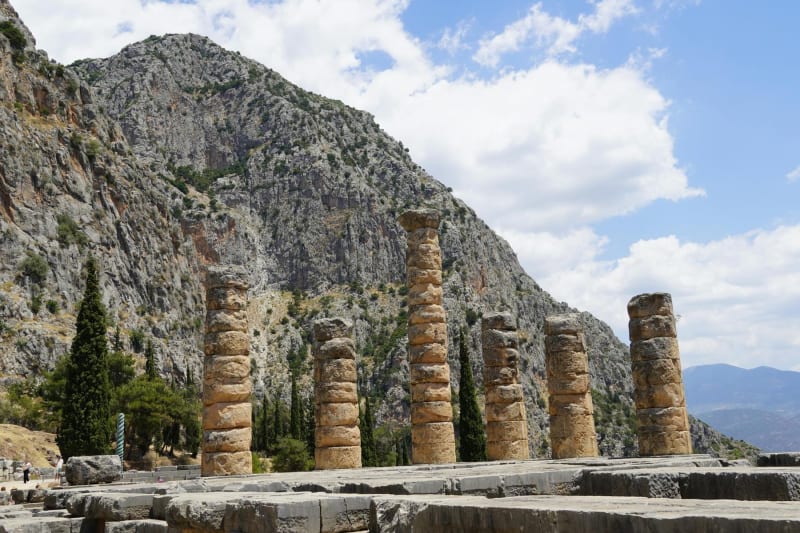
Delphi
The navel of the ancient world perches dramatically on the slopes of Mount Parnassus — its ruined oracle still commands a certain speechless reverence.
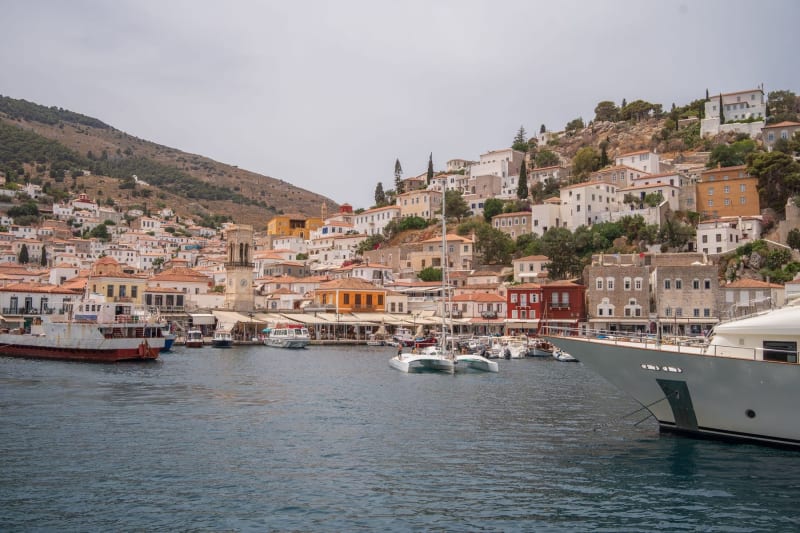
Hydra
An island with no cars, no mopeds, and no noise — only donkeys, water taxis, and a Saronic harbor that inspired Leonard Cohen to live and write here.

Kastellorizo
Greece's most isolated inhabited island, one kilometre from Turkey, with 500 residents and a Lycian rock-cut tomb on the waterfront.

Meteora
Monasteries balanced on impossible sandstone pillars, where monks chose the most dramatic real estate in Christendom.
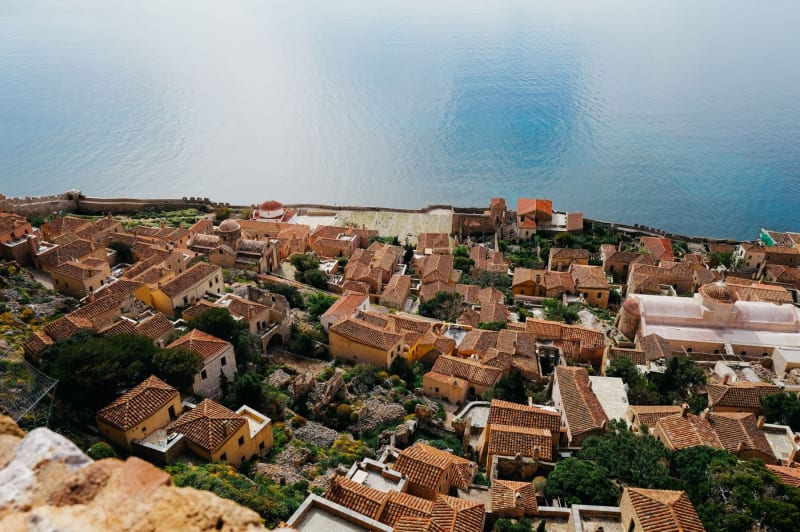
Monemvasia
The Gibraltar of Greece: a medieval Byzantine town clinging to a massive sea rock, accessible only by a single causeway and worth every step.
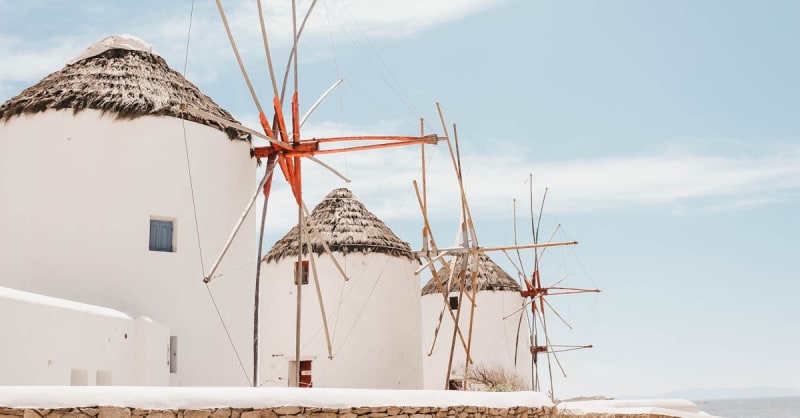
Mykonos
A windswept Cycladic jewel where whitewashed lanes lead to beach clubs, ancient ruins, and sunsets that demand celebration.
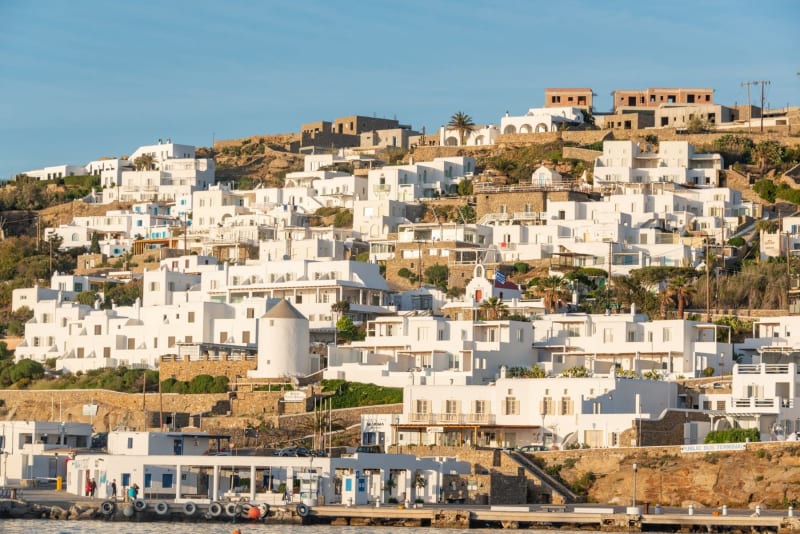
Mykonos Town
The labyrinthine whitewashed lanes of Chora were designed to confuse pirates — today they confuse visitors just as delightfully.
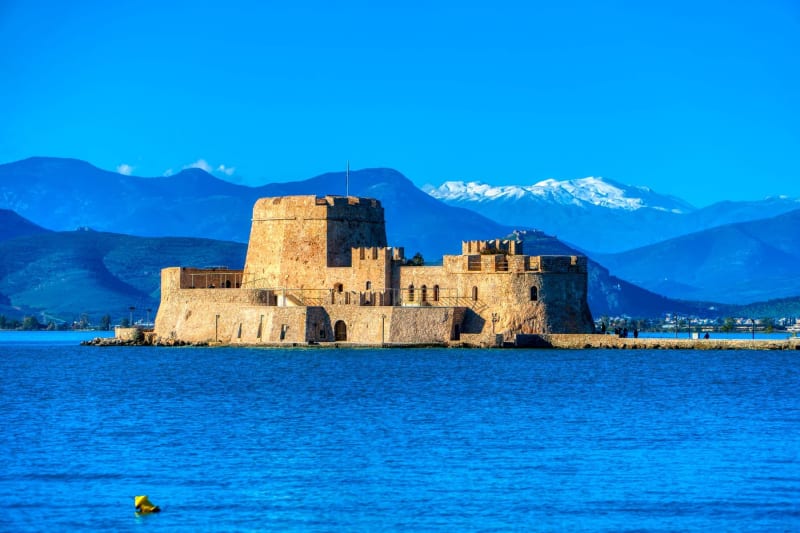
Nafplio
Greece's first modern capital retains its aristocratic charm — neoclassical mansions, a formidable fortress, and a harbor that glows at sunset.
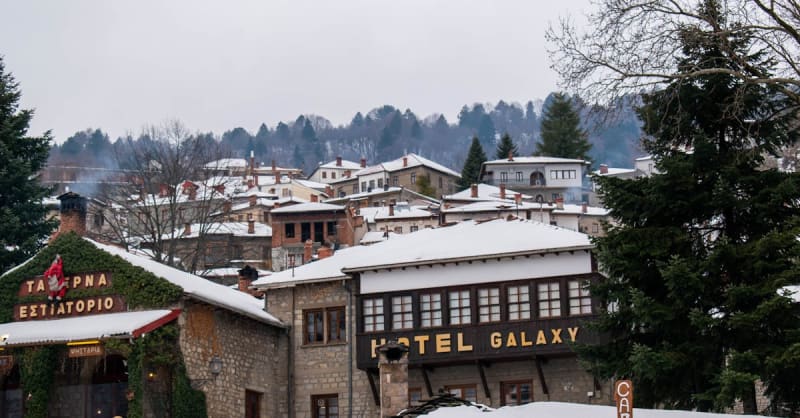
Naxos
The largest Cycladic island, where marble villages hide in green valleys and the beaches stretch longer than your ambition.
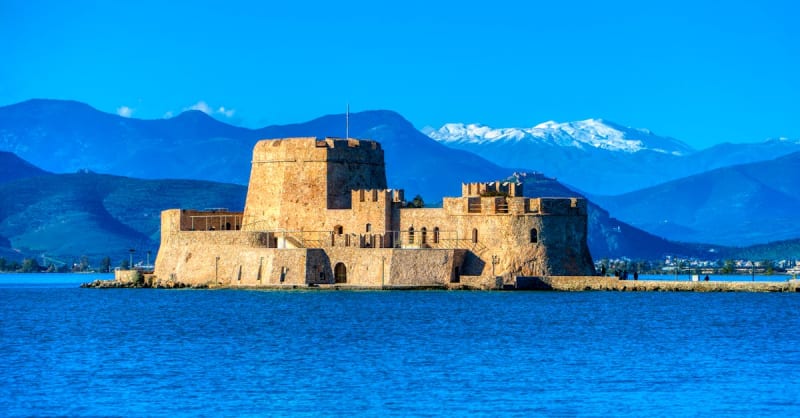
Peloponnese
The great peninsula where Sparta fought, Olympia competed, and the olive tree has been growing for four thousand years.
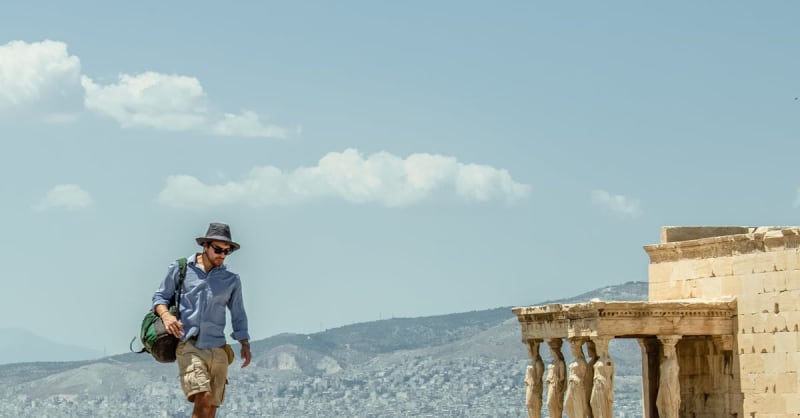
Rhodes
A medieval fortress island where crusader castles stand above beaches and ancient Greek ruins share space with Ottoman mosques.

Santorini
A volcanic crescent of white and blue that somehow lives up to every photograph ever taken of it.
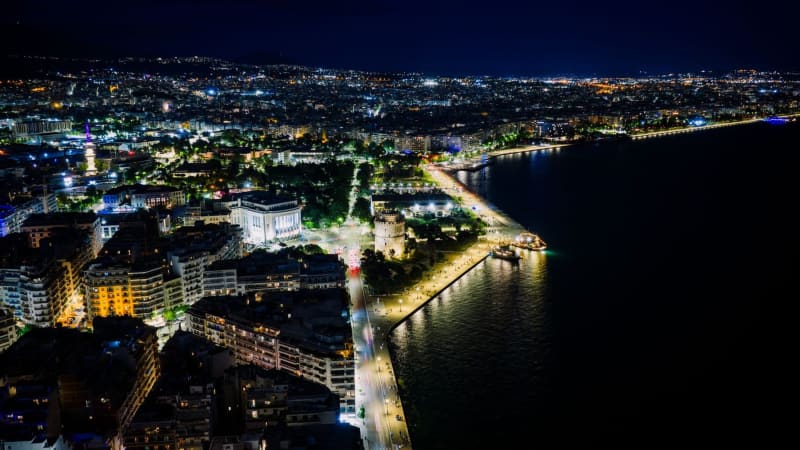
Thessaloniki
Greece's second city and gastronomic capital is a Byzantine palimpsest of walls, mosaics, and waterfront tavernas that outlast every guidebook.
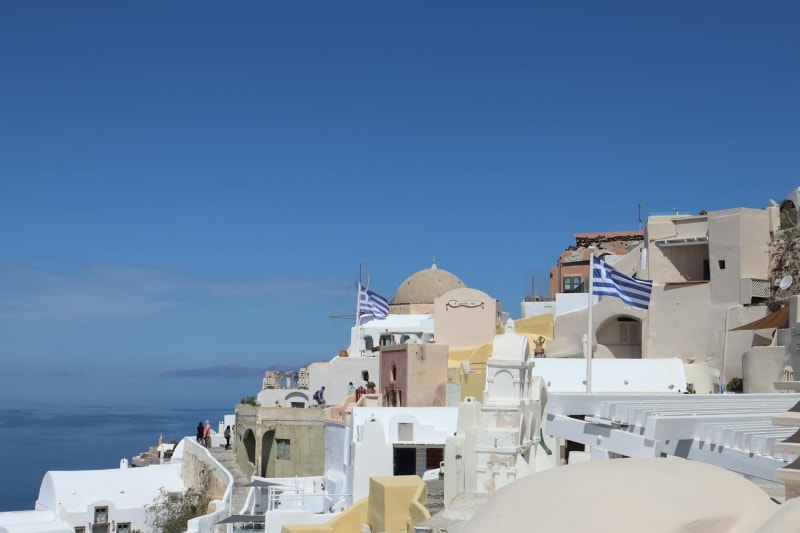
Oia Thirasia
Santorini's forgotten sister island across the caldera, with no hotels, one taverna, and a mule path down to a black-sand beach.

Zagori Villages
Forty-six stone villages connected by Ottoman arched bridges in the Pindus mountains of Epirus, above the Vikos Gorge.
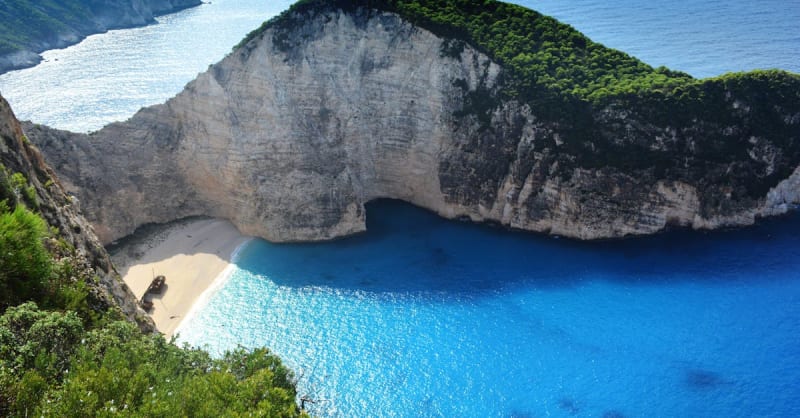
Zakynthos
An Ionian island of staggering sea caves, a shipwreck beach that broke the internet, and loggerhead turtles nesting in the sand.