
Tofta
"The water is warm, the sand is white, and the pines smell like summer — Tofta doesn't need to be more complicated than that."
A long sweep of white Baltic sand backed by pine forest on Gotland's west coast, where Swedish families return summer after summer with a loyalty that other beaches simply cannot explain.

I was not expecting to stay at Tofta as long as I did. I had come from Visby by bicycle intending to spend an hour at the beach before continuing south, and I stayed until the sun went low enough that I needed my jacket, which at midsummer on Gotland was nearly eleven o’clock. The beach is long in a way that takes you by surprise — two kilometers of white sand that curves gently with the coast, wide enough that even in high season you can find a strip of shore to yourself if you walk far enough from the parking areas. The sand is fine and pale. The water starts warm and stays warm through the shallows.
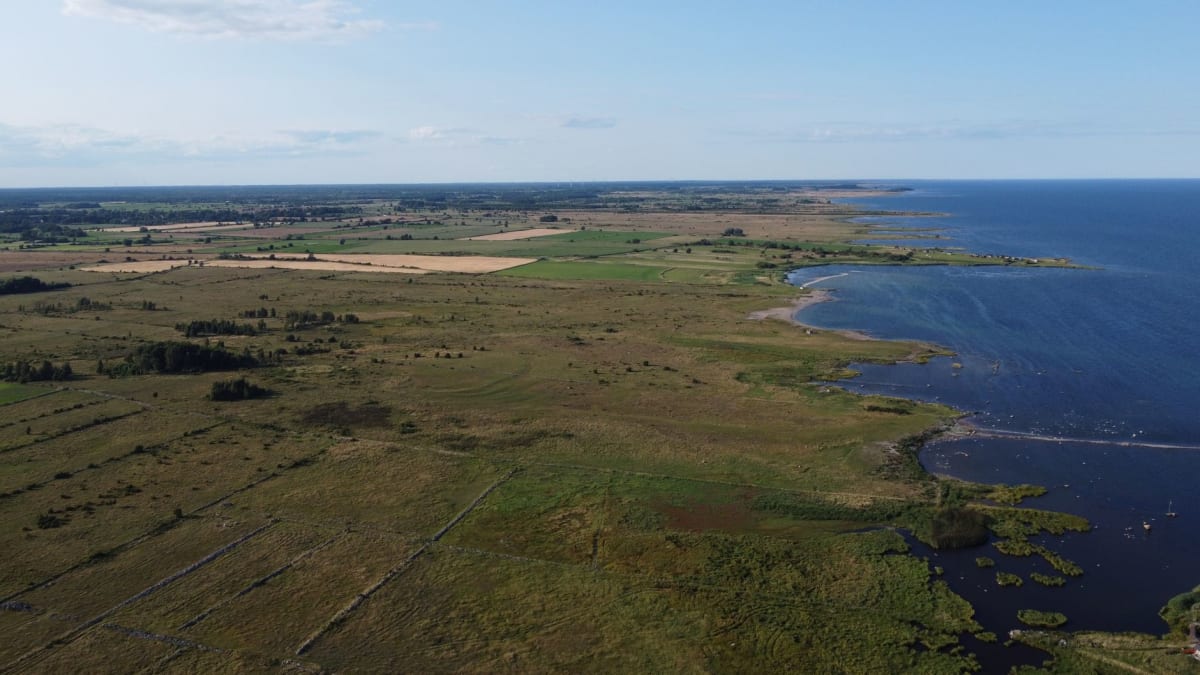
What makes Tofta specific is the relationship between the beach and the pine forest directly behind it. The trees grow to the edge of the dunes — Scots pines with orange-red trunks and a particular resinous smell that mixes with the Baltic salt air in a combination I have found nowhere else. In the late afternoon, when the west-facing shore catches the sun at its most horizontal, the sand turns almost white-orange and the pine trunks glow, and there is a quality to the light that explains why Swedish painters came to Gotland’s west coast in the nineteenth century and why some of them never quite left. I walked into the forest behind the beach at one point and found it full of families setting up camp among the trees, children constructing things from pine cones, smoke from a small fire drifting through the branches. The whole scene had the atmosphere of something practiced and understood, summer rituals performed by people who had been doing them for decades.
The water is the Baltic’s best argument for itself. It is not the Atlantic — there is no real surf, no cold shock, no drama in the waves. But it is genuinely warm from June through August, the visibility is good, and the seafloor is interesting: flat limestone alternating with patches of seagrass, the occasional crab moving sideways with purpose. I swam out to a sandbar and floated on my back for a long time looking at the sky, and the combination of warm water, the smell of pine, and the particular quality of a Gotland evening made it one of those experiences that is simply pleasant without any added dimension — which is rarer than it sounds.

There is a kiosk at the main beach access selling what all Scandinavian beach kiosks sell: ice cream, hot dogs, chips, coffee in paper cups. I had one of the ice creams and watched a small child construct an elaborate system of drainage channels in the wet sand near the water’s edge. Her engineering approach was sound but the Baltic was not cooperating with the drainage requirements. This absorbed a full forty-five minutes of her afternoon and the whole of mine.
When to go: July and early August for the warmest water and longest evenings. Tofta is deeply popular with Swedes who return year after year, so accommodation in the area fills well in advance — book early. The beach is accessible from Visby by bicycle (about 20 kilometers south on a well-maintained path) or by the island’s bus service. The morning light here is worth an early alarm.
Keep exploring
More from Gotland
 gotland
 Torsburgen
Sweden's largest Iron Age hill fort, its rampart walls swallowed by forest, still holding the quiet of a refuge nobody had to use for long.
Explore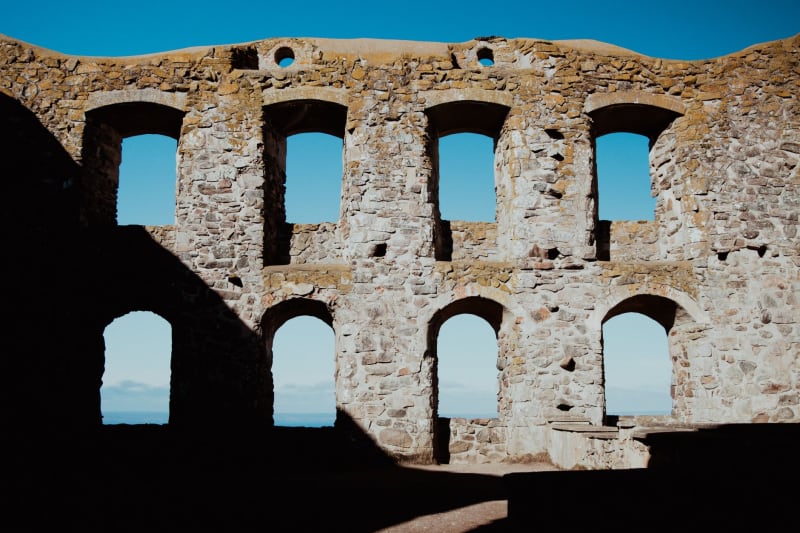 gotland
 Visby
The best-preserved medieval walled city in Scandinavia, where rose bushes grow over church ruins and the Baltic light makes everything glow amber at dusk.
Explore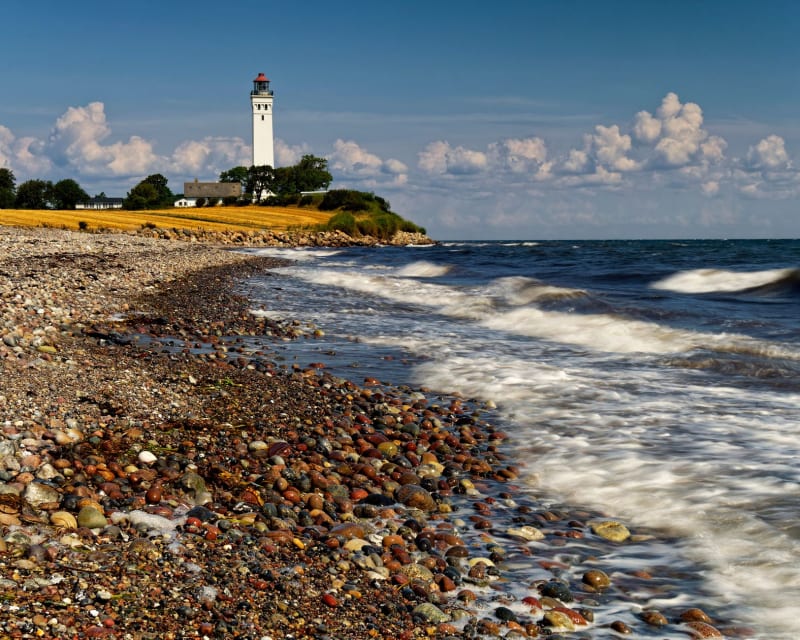 gotland
 Bunge
A quiet northern village with a thirteenth-century limestone church full of rediscovered medieval frescoes and an open-air museum of traditional Gotland farm buildings, where the island's long agricultural past is still legible in the landscape.
Explore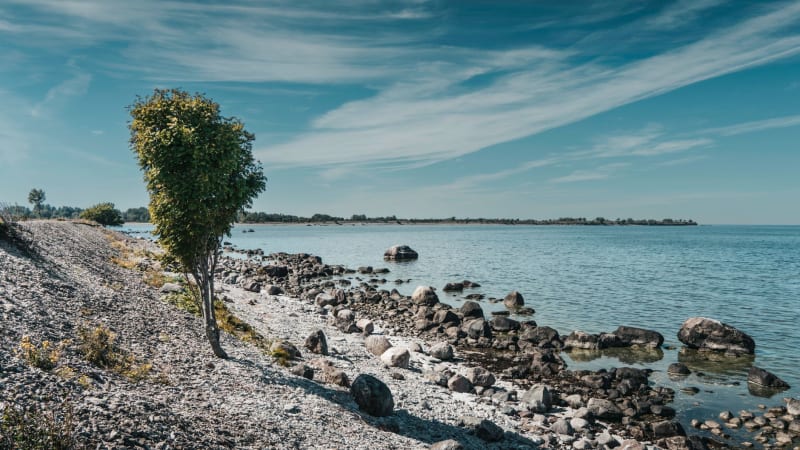 gotland
 Fårö
The spare, windswept island north of Gotland where Ingmar Bergman chose to live and die, and where the landscape strips everything down to stone, sky, and the sound of the Baltic.
Explore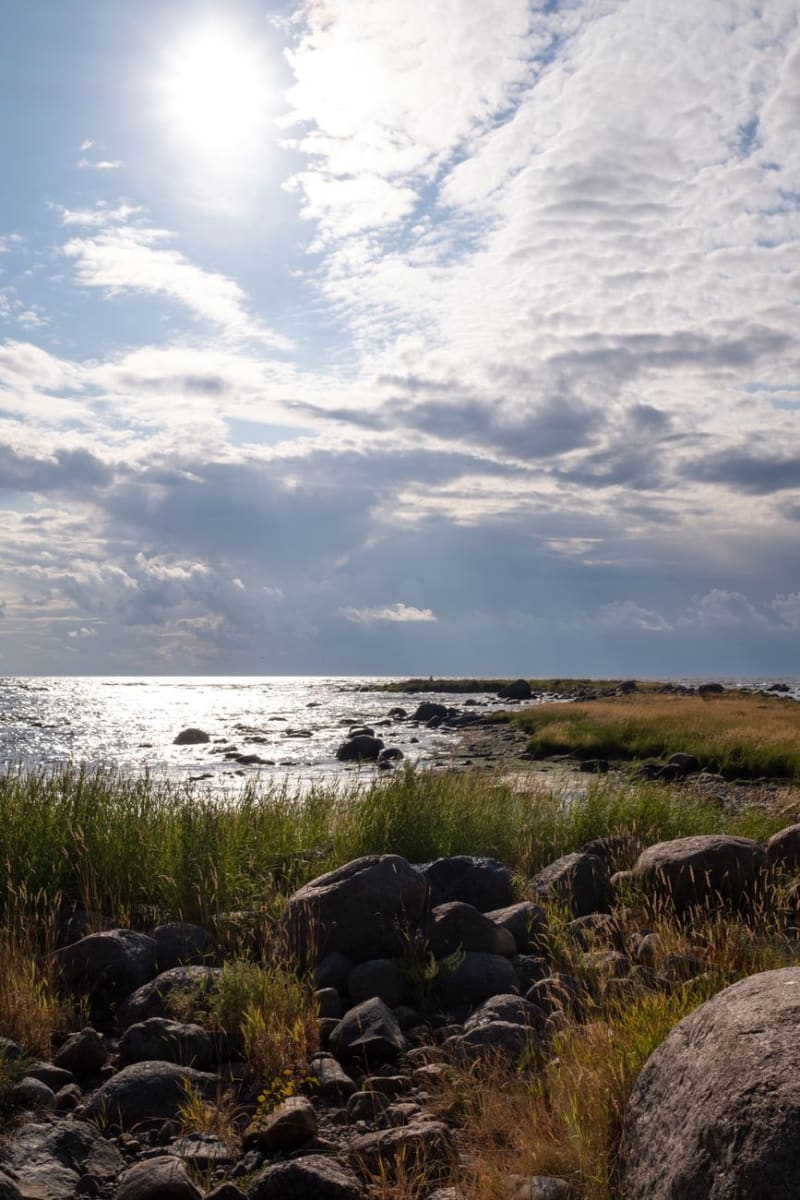 gotland
 Gotska Sandön
A remote sand-dune island national park far out in the Baltic, all pine forest and seal-haunted beaches, reachable only by a boat that does not care about your schedule.
Explore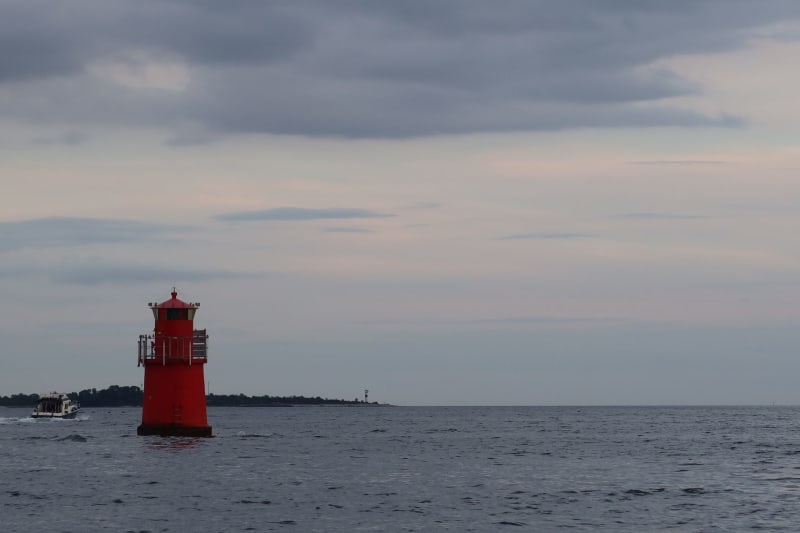 gotland
 Hoburgen
Gotland's southernmost point where limestone sea stacks rise from the Baltic like stone giants frozen mid-stride and the horizon stretches uninterrupted toward Poland.
Explore