
Fårö
"Bergman chose this place. When you arrive, you understand why it was not a difficult choice."
The spare, windswept island north of Gotland where Ingmar Bergman chose to live and die, and where the landscape strips everything down to stone, sky, and the sound of the Baltic.

The crossing from Fårösund to Fårö takes seven minutes. The ferry is small and free and runs whenever there are cars waiting, which in summer is constantly. I had cycled north from Visby over two days and arrived at the strait in the early afternoon, wheeled my bicycle onto the ramp, and stood at the prow as the island grew larger. Seven minutes is enough time to feel the shift. The island on the other side is quieter, more exposed, emptier in a way that has nothing to do with lack of people and everything to do with the quality of the light hitting a flat landscape of pine, juniper, and limestone.

Ingmar Bergman discovered Fårö while scouting locations for Through a Glass Darkly in 1960 and came back every summer for the rest of his life. He built a house here, then a second, and eventually died here in 2007. There is a small cinema at Bergman Center that screens his films on the island where many of them were made, and a collection of his personal effects displayed with the kind of careful reverence that only makes sense when the items belong to someone who understood that objects carry weight. I watched a clip of The Silence projected on a screen while rain came sideways against the windows and felt, not for the first time on Fårö, that the island was performing. Bergman was right about the light here — there is a quality to the northern Gotland sky that is neither Scandinavian grey nor summer warmth but something specific between the two, the kind of light that makes you want to photograph things you would normally ignore.
The raukar on Fårö’s northern coast at Langhammars are different from those at Hoburgen — not taller, but more densely clustered, rising from a beach of flat limestone slabs and pale pebbles. They are hunched, eroded forms, some rounded and smooth, some angular, and they stand in the shallow water and on the beach itself in configurations that look considered but obviously aren’t. I walked among them for the better part of an hour and kept finding new ones hidden behind others, small forests of limestone in the shallow Baltic.

The beaches on Fårö’s east coast — Sudersand especially — are among the finest in the Baltic: long, white-sand stretches backed by dunes and pine forest, with water that turns turquoise in shallow sections and stays swimmable through July and August. I camped one night behind the dunes at Sudersand and woke at four in the morning to find it already light enough to read outside and the sea flat and silver and completely still. There was no one anywhere. I brewed coffee on my small stove and sat watching the light change for an hour before going back to sleep, and that hour felt like something I would remember for a long time, which I have.
When to go: July and early August are the warmest months but also the busiest — Fårö’s small population swells enormously in high summer. Late June has the best light with fewer people. Bergman Week in early July transforms the island into a festival of film; book early or avoid if crowds are not your preference. The island is small enough to explore entirely by bicycle and the roads are flat.
Keep exploring
More from Gotland
 gotland
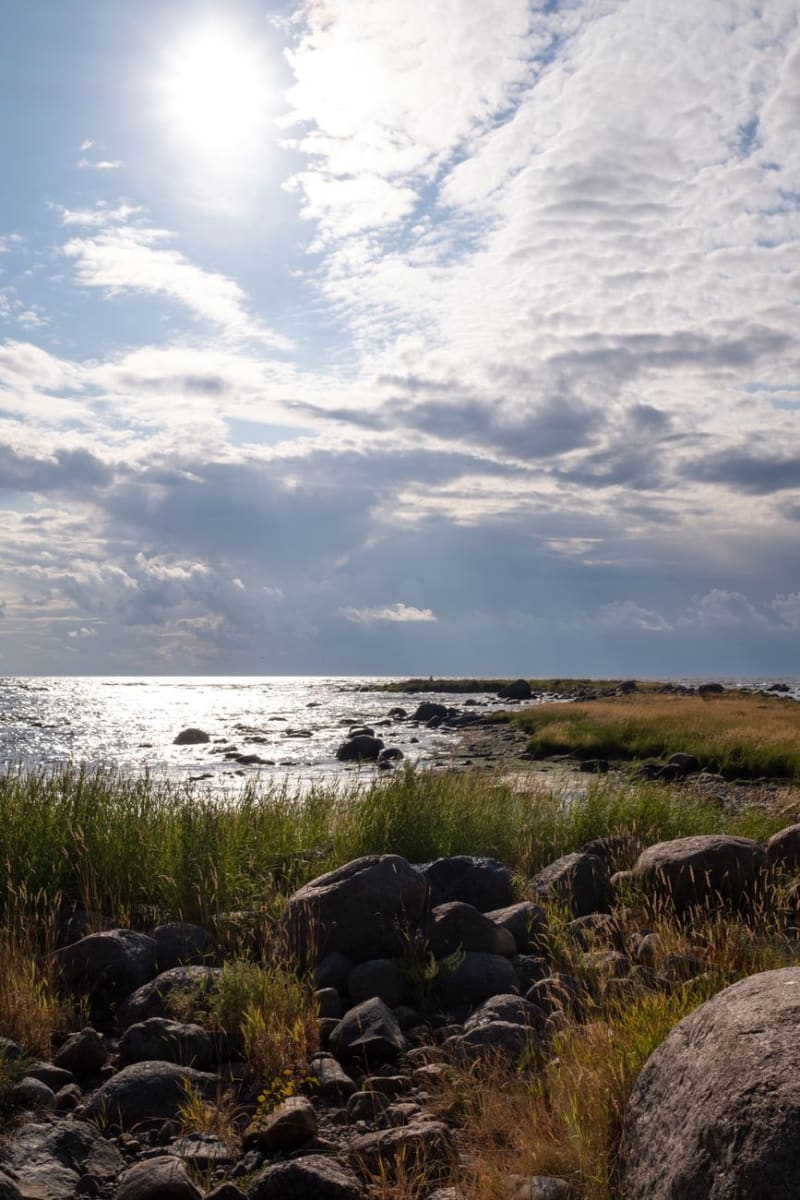
 Gotska Sandön
A remote sand-dune island national park far out in the Baltic, all pine forest and seal-haunted beaches, reachable only by a boat that does not care about your schedule.
Explore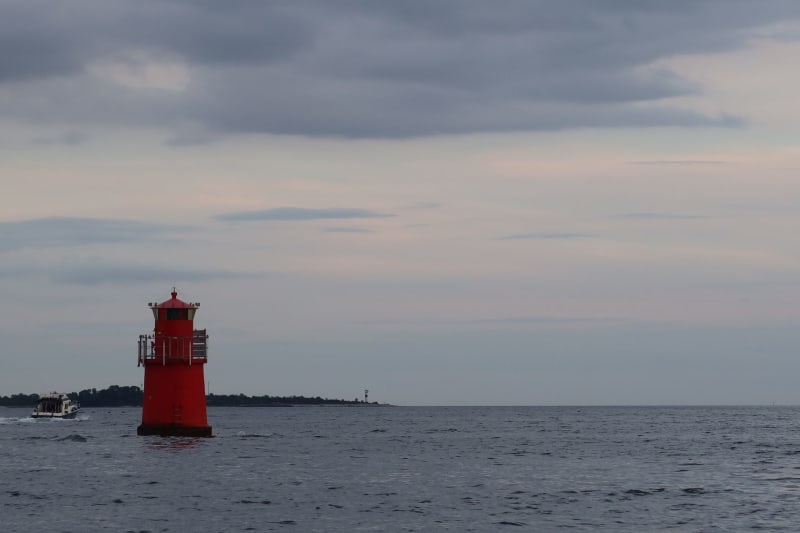 gotland
 Hoburgen
Gotland's southernmost point where limestone sea stacks rise from the Baltic like stone giants frozen mid-stride and the horizon stretches uninterrupted toward Poland.
Explore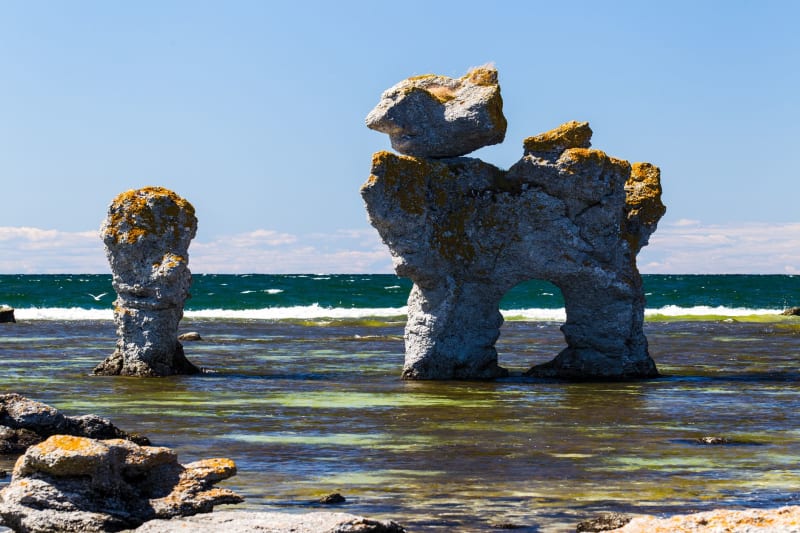 gotland
 Klintehamn
A small west coast harbour town that serves as the gateway to Stora Karlsö's seabird cliffs and has the quiet self-possession of places that know exactly what they are for.
Explore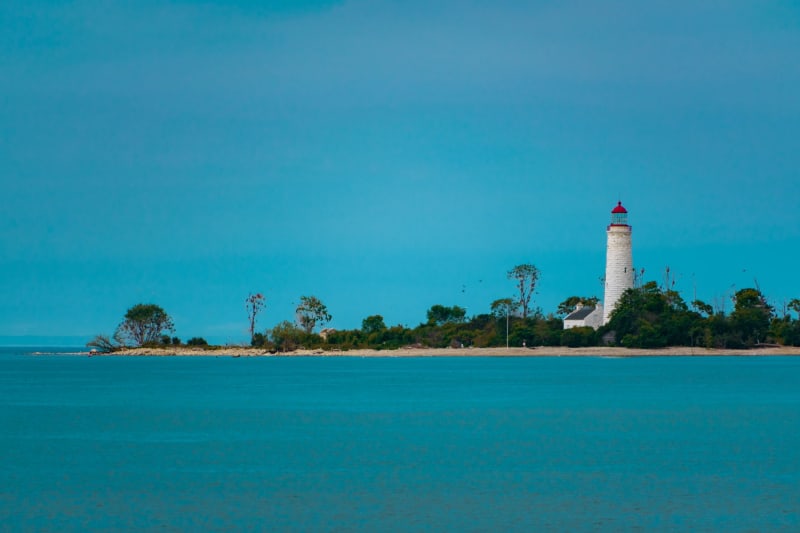 gotland
 Lickershamn
A tiny north coast harbour village dominated by Jungfrun — Gotland's tallest raukar — a twelve-meter limestone pillar standing in the sea with the serene authority of something that knows it will outlast everything around it.
Explore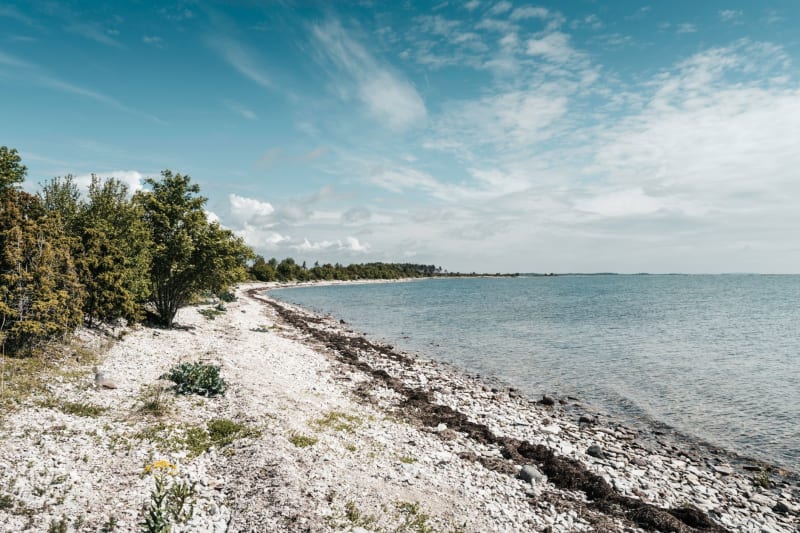 gotland
 Ljugarn
A small east coast fishing village where the Baltic runs warm and shallow between limestone shelves and raukar sea stacks stand in the water like the remnants of a drowned argument.
Explore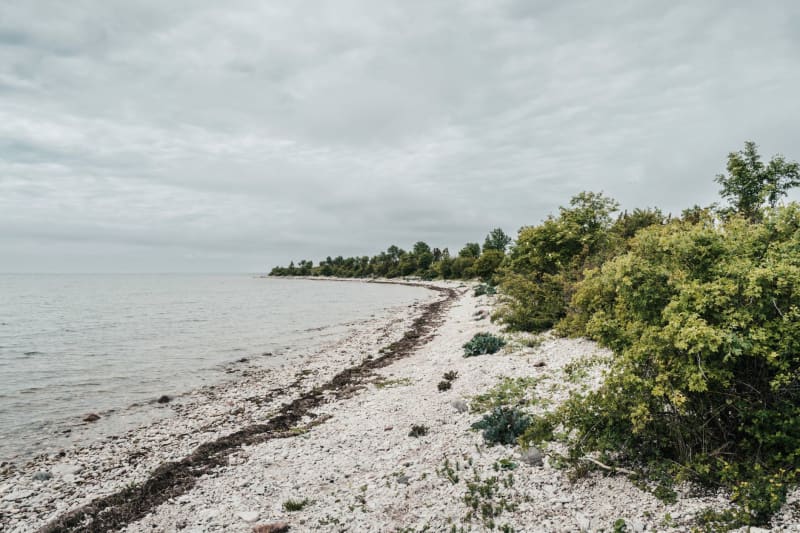 gotland
 Lummelundagrottan
A three-kilometer limestone cave network under the Gotland countryside, where stalactites have been forming in the dark since the last ice age and a river still runs through the deep chambers.
Explore