
Visby
"Every ruined church here is a garden. The Danes burned them and the roses moved in."
The best-preserved medieval walled city in Scandinavia, where rose bushes grow over church ruins and the Baltic light makes everything glow amber at dusk.

I arrived in Visby at seven in the evening in late June, when the sun had no intention of setting before ten. The ferry terminal is functional, unremarkable — and then you walk five minutes inland and the wall begins. Three and a half kilometers of twelfth-century limestone, still intact, running in a great irregular oval around the old city. I remember standing at the Norderport gate and tilting my head back to take in the full height of it: a wall that was not trying to impress anyone, because it had already done its job for nine hundred years without anyone’s approval.

Inside the wall, Visby is immediately specific and strange. The Swedish summer crowd is real — linen shirts, ice cream cones, children weaving between bicycles — but the city’s skeleton is something else entirely. There are fourteen ruined medieval churches inside the walls. Fourteen. The Danes sacked the city in 1361 and left most of them open to the sky, and over the following seven centuries, rose bushes and elderflower moved into the nave, ivy climbed over the apse, and someone long ago decided the ruins were better left standing than rebuilt. I spent a full hour in the ruins of St. Lars, sitting on a low stone wall with a bag of local strawberries, watching pigeons nest where the choir once was. The light coming through the open ceiling was the color of old honey.
Stortorget, the medieval main square, anchors the lower town. The butchers’ guildhall still stands at one end, and on summer evenings locals set up tables outside the restaurants that line the square and eat lamb — always lamb, Gotland’s animal — with pickled beet and cold beer. I ordered grilled lamb chops at a place with no menu in English and ate them with my hands because there was no other reasonable way. The chef came out and asked where I was from and, when I said France, said, entirely without irony, “Ah, so you understand meat.”

The Domkyrkan — the Cathedral of Saint Mary — is the only medieval church in Visby that still has its roof, which gives it a slightly miraculous quality among its ruined neighbors. Inside, it is cool and spare in the way that only Lutheran churches manage, the baroque altarpiece somehow coexisting with the twelfth-century bones of the building. I preferred the ruins. There is something more honest about a church that has made peace with the sky.
When to go: Midsommar through early August brings warmth and long evenings perfect for walking the wall at ten o’clock in light that feels borrowed from somewhere else. Medieval Week in early August is genuinely spectacular — jousting on cobblestones, fire-eaters, the whole apparatus of theatrical history. May and September offer quieter streets and the same extraordinary light. Book accommodation months in advance for July and Medieval Week.
Keep exploring
More from Gotland
 gotland
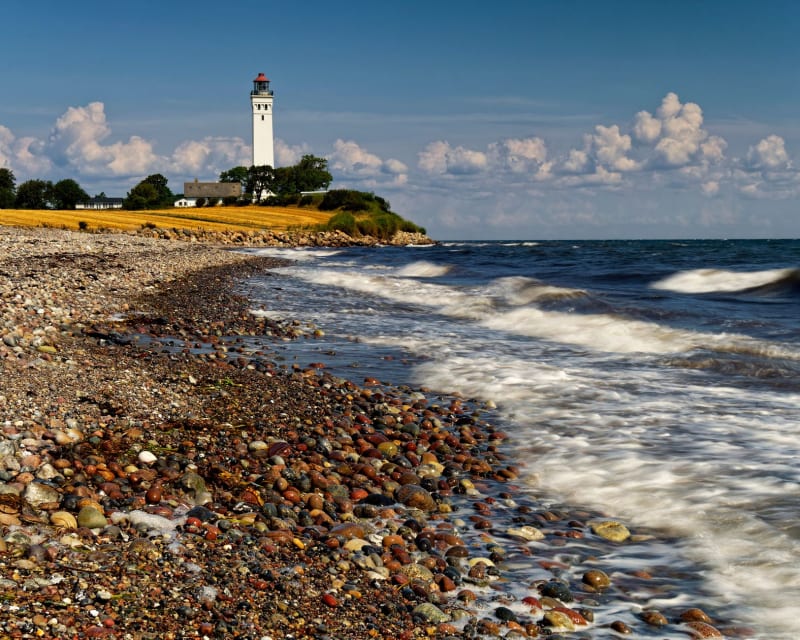
 Bunge
A quiet northern village with a thirteenth-century limestone church full of rediscovered medieval frescoes and an open-air museum of traditional Gotland farm buildings, where the island's long agricultural past is still legible in the landscape.
Explore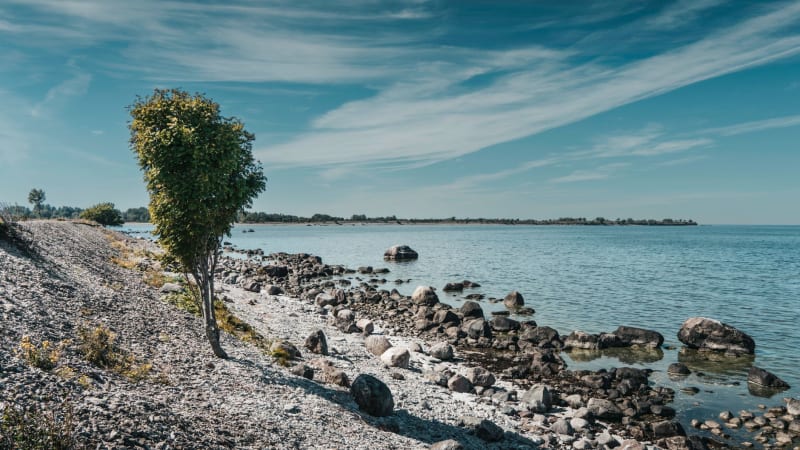 gotland
 Fårö
The spare, windswept island north of Gotland where Ingmar Bergman chose to live and die, and where the landscape strips everything down to stone, sky, and the sound of the Baltic.
Explore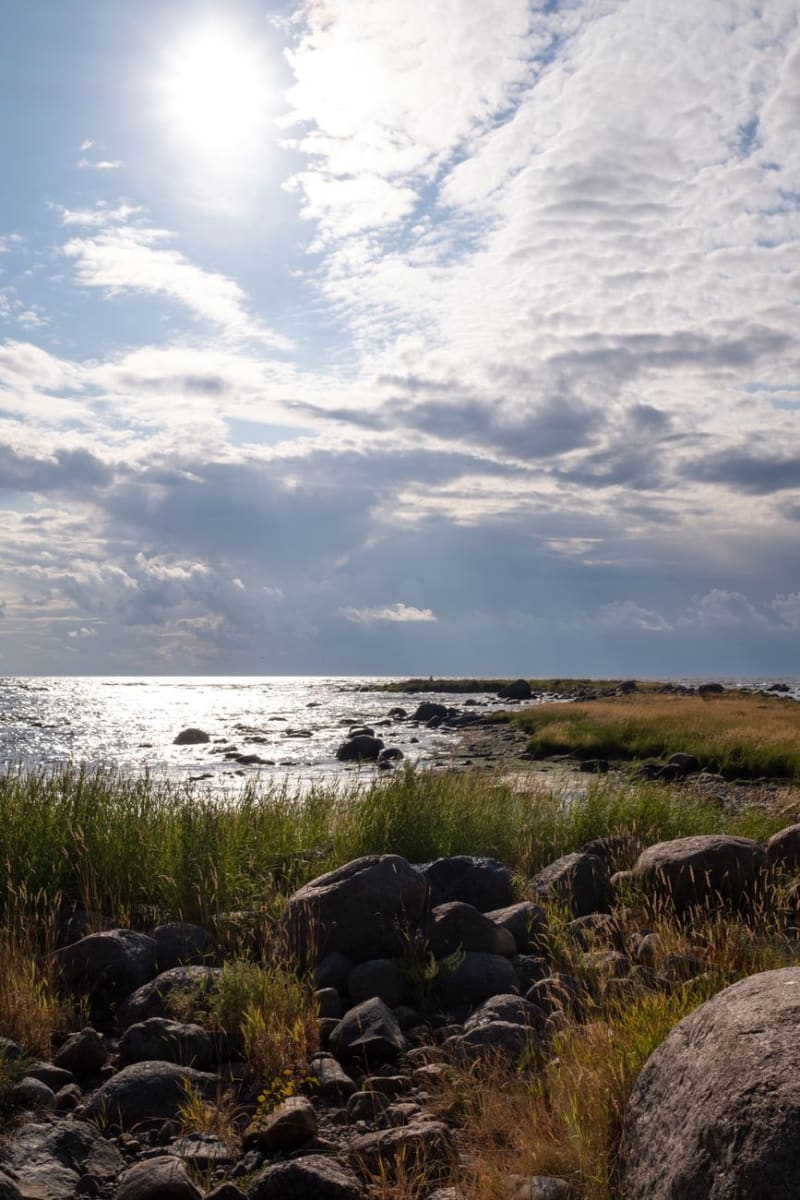 gotland
 Gotska Sandön
A remote sand-dune island national park far out in the Baltic, all pine forest and seal-haunted beaches, reachable only by a boat that does not care about your schedule.
Explore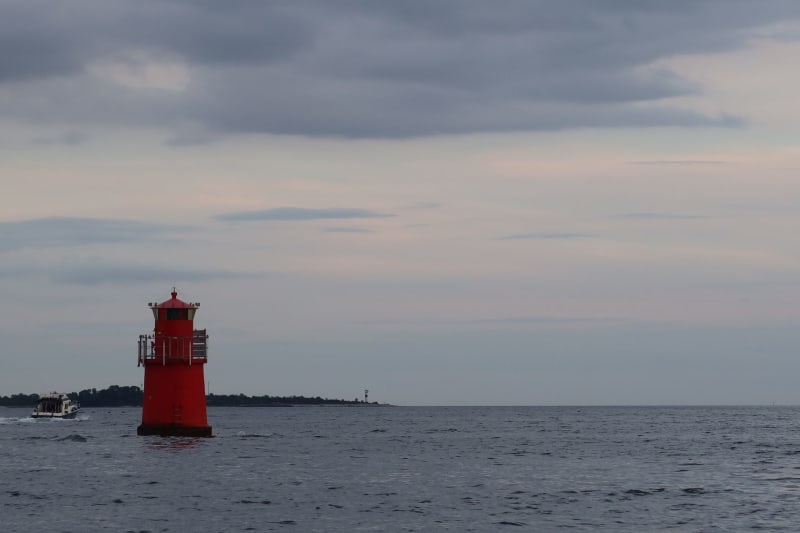 gotland
 Hoburgen
Gotland's southernmost point where limestone sea stacks rise from the Baltic like stone giants frozen mid-stride and the horizon stretches uninterrupted toward Poland.
Explore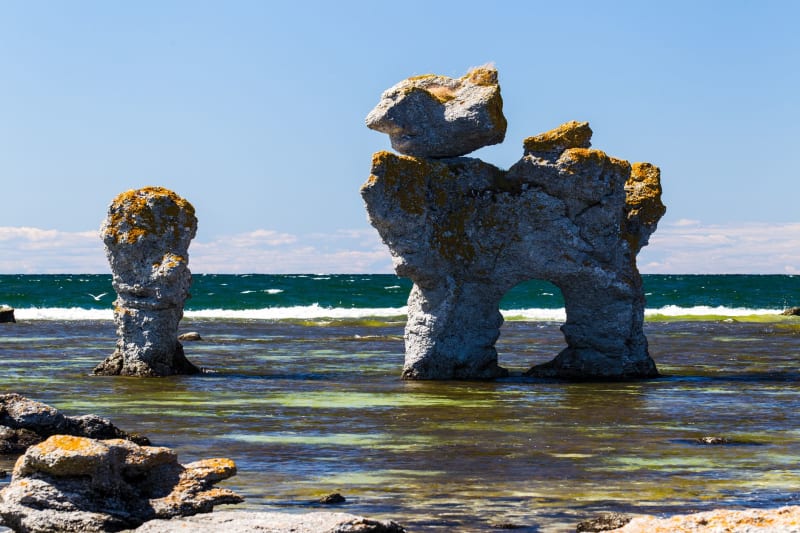 gotland
 Klintehamn
A small west coast harbour town that serves as the gateway to Stora Karlsö's seabird cliffs and has the quiet self-possession of places that know exactly what they are for.
Explore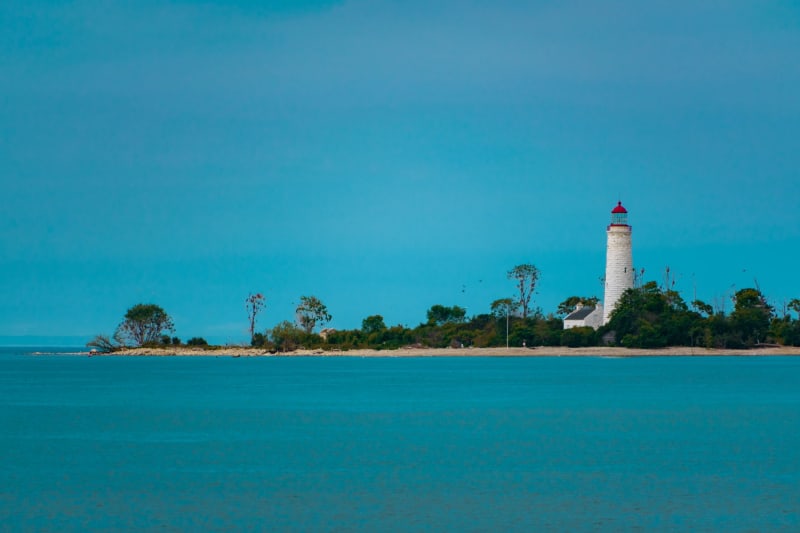 gotland
 Lickershamn
A tiny north coast harbour village dominated by Jungfrun — Gotland's tallest raukar — a twelve-meter limestone pillar standing in the sea with the serene authority of something that knows it will outlast everything around it.
Explore