Europe
Gotland
"The Middle Ages never left — they just started charging admission."
A Baltic island where Viking runestones stand in the same meadows as medieval church ruins and the scent of wild roses fills every cobblestone lane in Visby.

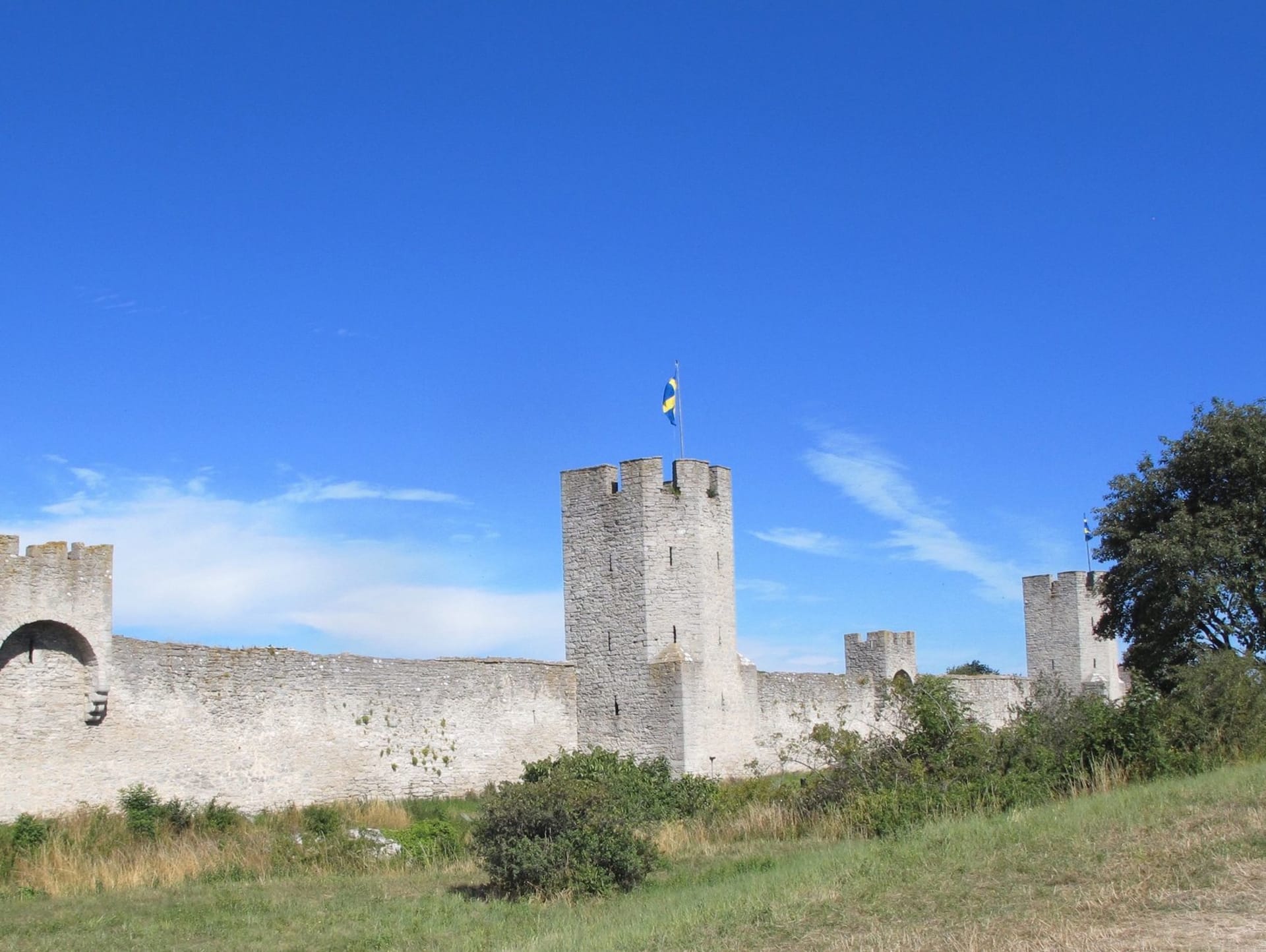
The ferry from Nynäshamn takes three and a half hours, and by the time Gotland appears on the horizon — a long, flat smudge of land edged in limestone cliffs — I already feel the pace changing. There is something about an island crossing that prepares you for arrival better than any airport. You come to Gotland by choice, and the island knows it. The first thing I noticed stepping off in Visby was the wall: three and a half kilometers of medieval limestone running around the old city, intact, unironic, absurdly well-preserved for something built in the twelfth century. I walked along the top of it at ten in the evening with the sun still warm enough to burn and thought: this is the most specifically medieval light I have ever seen.
Gotland is the largest island in the Baltic and operates with a quiet confidence that comes from knowing exactly what it is. Visby is the only walled city in Scandinavia and a UNESCO World Heritage Site, but the designation has not made it fussy — in summer the streets fill with Swedes eating lamb from outdoor grills, drinking local beer brewed with island hops, and weaving between crumbling church ruins that no one has bothered rebuilding since the Danish sack of 1361. Outside the walls, the island unfolds into a landscape unlike anywhere else in Sweden: flat limestone plains called alvar, covered in orchids in spring, dotted with windmills and raukar — the dramatic sea-stack formations carved by Baltic waves into shapes that look like petrified giants. I rented a bicycle in Visby and rode south through Klintehamn to the reserve at Hoburgen, where the southernmost raukar stand at the edge of the sea and the light at dusk turns everything amber and absolute.
When to go: Late June through mid-August is high summer — the island is warm, the wild roses are in bloom along every road, and Visby becomes a genuine open-air festival. Medieval Week in early August is spectacularly absurd in the best sense, with jousting and fire-eaters and siege weapons on cobblestones. May and September offer the same light with a fraction of the crowds, and Gotland’s geology means wildflowers peak in May. Avoid July without a booking made months in advance.
What most guides get wrong: They sell Gotland as a weekend trip from Stockholm. It is not. Three nights is the minimum to actually understand the place — one day to walk Visby properly, one day on bicycle through the alvar to the raukar, one day doing nothing in particular at a farmhouse guesthouse while eating pickled herring and cold butter on rye bread. The wall is impressive, yes, but the real Gotland is what happens when you leave the wall behind and find yourself alone in a meadow of limestone and orchids with no signal and no reason to hurry.
Explore
Places in Gotland
 gotland
 Bunge
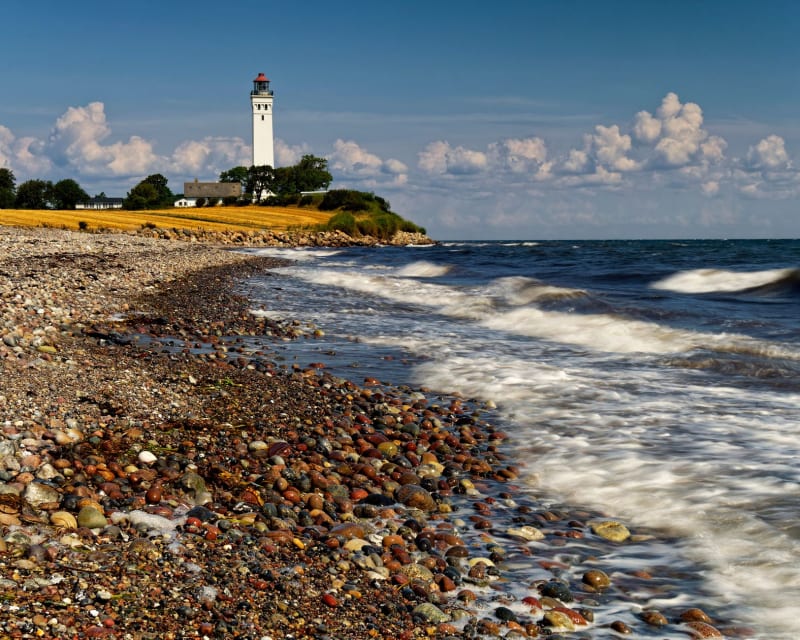
A quiet northern village with a thirteenth-century limestone church full of rediscovered medieval frescoes and an open-air museum of traditional Gotland farm buildings, where the island's long agricultural past is still legible in the landscape.
Explore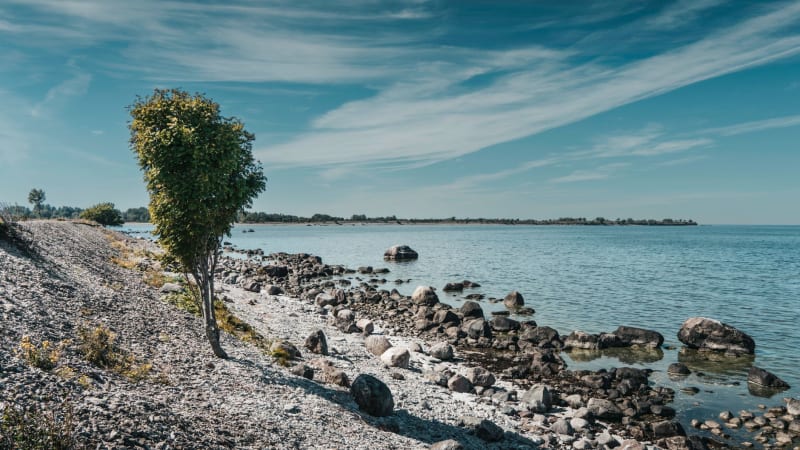 gotland
 Fårö
The spare, windswept island north of Gotland where Ingmar Bergman chose to live and die, and where the landscape strips everything down to stone, sky, and the sound of the Baltic.
Explore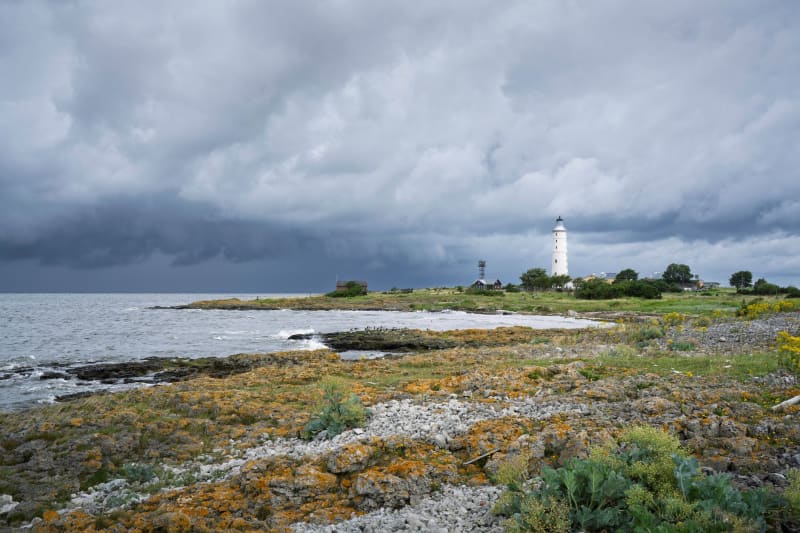 gotland
 Gotska Sandön
A remote sand-dune island national park far out in the Baltic, all pine forest and seal-haunted beaches, reachable only by a boat that does not care about your schedule.
Explore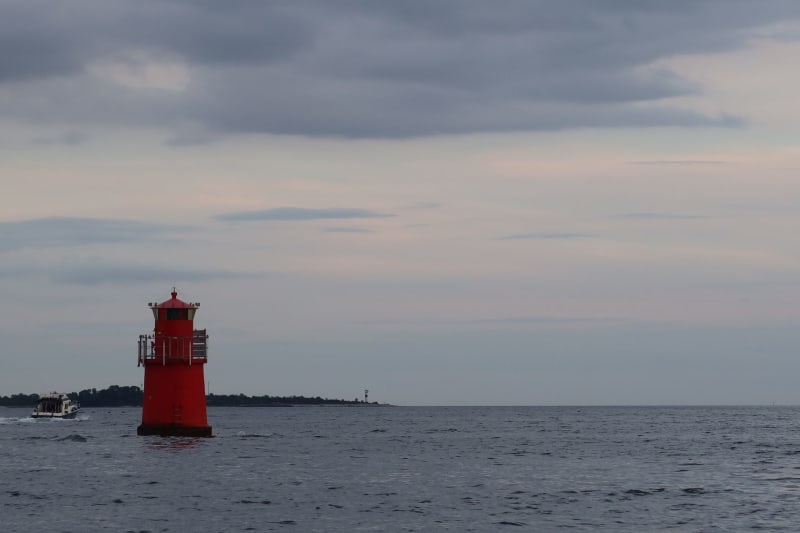 gotland
 Hoburgen
Gotland's southernmost point where limestone sea stacks rise from the Baltic like stone giants frozen mid-stride and the horizon stretches uninterrupted toward Poland.
Explore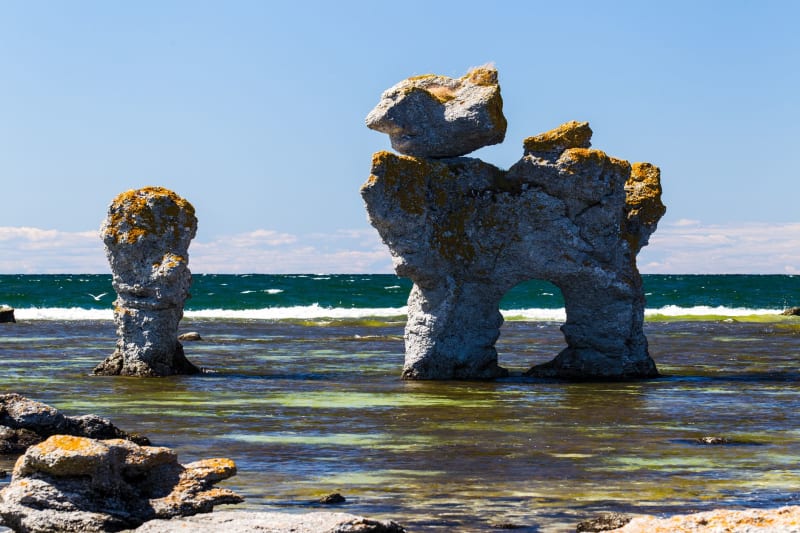 gotland
 Klintehamn
A small west coast harbour town that serves as the gateway to Stora Karlsö's seabird cliffs and has the quiet self-possession of places that know exactly what they are for.
Explore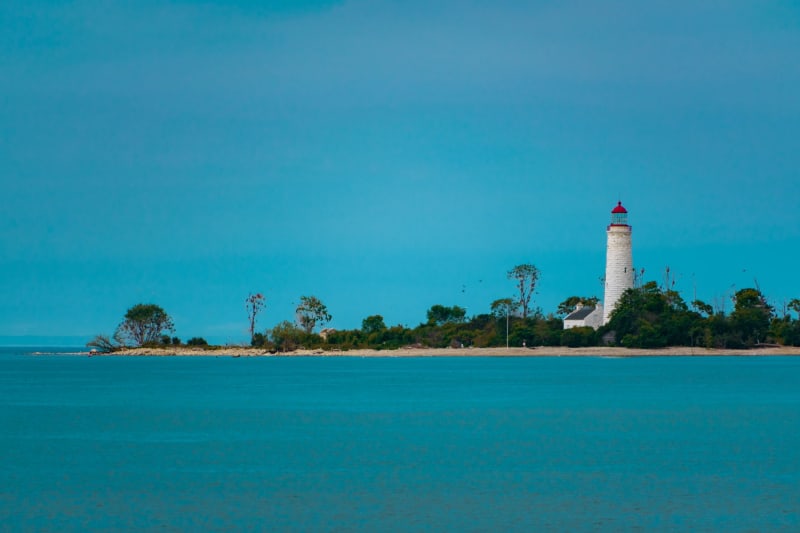 gotland
 Lickershamn
A tiny north coast harbour village dominated by Jungfrun — Gotland's tallest raukar — a twelve-meter limestone pillar standing in the sea with the serene authority of something that knows it will outlast everything around it.
Explore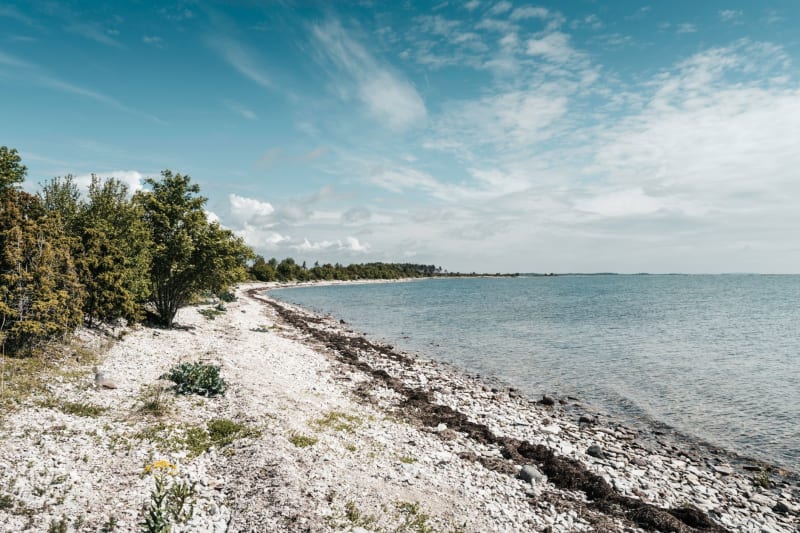 gotland
 Ljugarn
A small east coast fishing village where the Baltic runs warm and shallow between limestone shelves and raukar sea stacks stand in the water like the remnants of a drowned argument.
Explore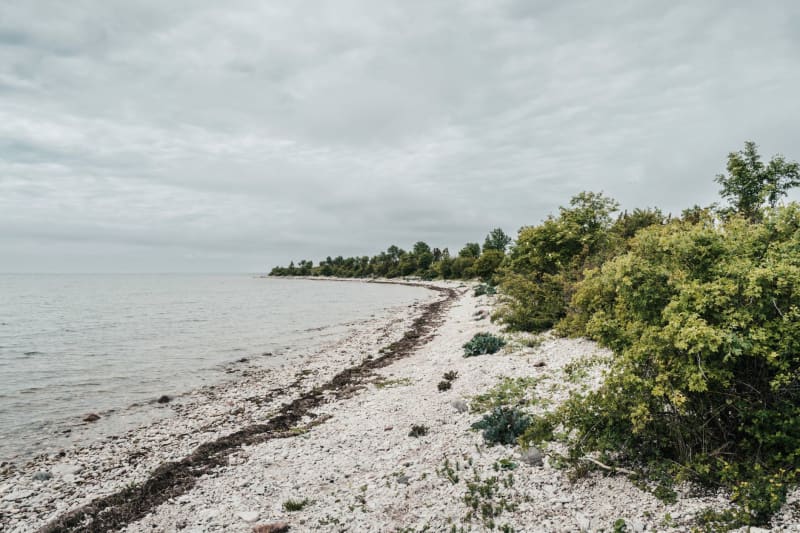 gotland
 Lummelundagrottan
A three-kilometer limestone cave network under the Gotland countryside, where stalactites have been forming in the dark since the last ice age and a river still runs through the deep chambers.
Explore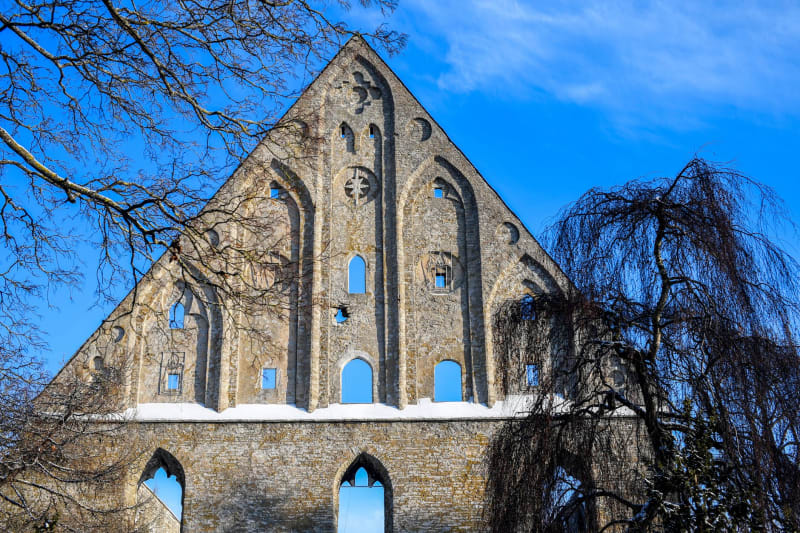 gotland
 Roma Monastery
The roofless ruins of a twelfth-century Cistercian monastery standing unguarded in a farm field at the island's geographical center, where silence is interrupted only by wind and the occasional outdoor theater performance.
Explore gotland
 Stora Karlsö
A wind-scoured limestone island off Gotland where guillemots crowd the cliffs and Stone Age hands once shaped bone tools in the caves.
Explore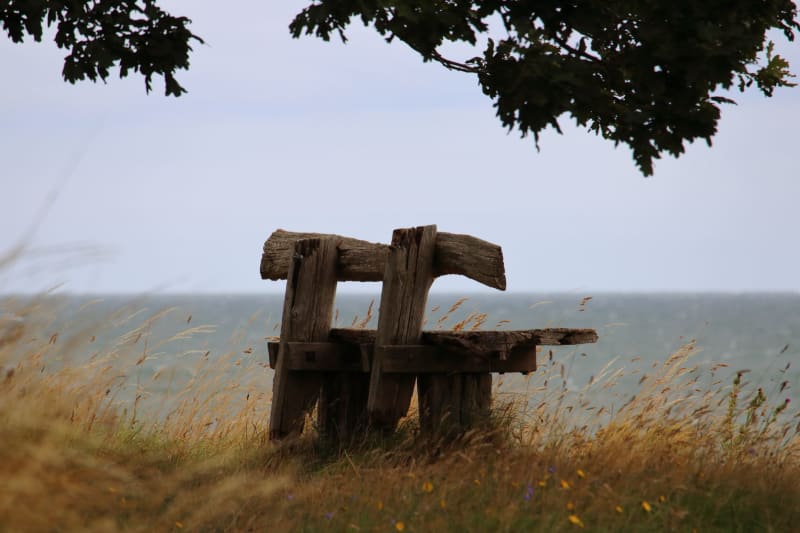 gotland
 Tofta
A long sweep of white Baltic sand backed by pine forest on Gotland's west coast, where Swedish families return summer after summer with a loyalty that other beaches simply cannot explain.
Explore gotland
 Torsburgen
Sweden's largest Iron Age hill fort, its rampart walls swallowed by forest, still holding the quiet of a refuge nobody had to use for long.
Explore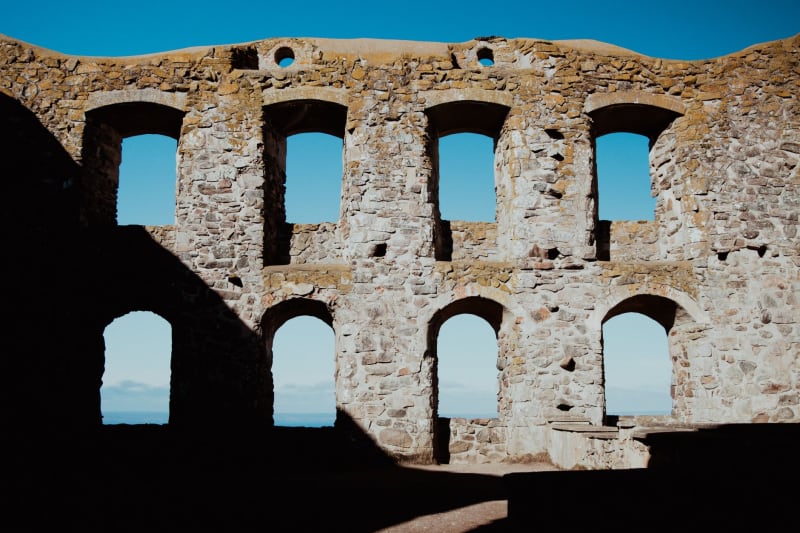 gotland
 Visby
The best-preserved medieval walled city in Scandinavia, where rose bushes grow over church ruins and the Baltic light makes everything glow amber at dusk.
Explore