Africa
Ghana
"Ghana was the first place in Africa where I felt genuinely welcomed, not just tolerated."
West Africa's most legible country — where Elmina's slave dungeons face the Atlantic, kente cloth blazes at every crossroads market, and nobody lets you stay a stranger for long.
The first thing I noticed landing in Accra at dusk was the smell — charcoal smoke, red soil dust, and something fried and sweet I couldn’t identify until the next morning when I found a roadside woman selling kelewele, chunks of spiced plantain blackened in palm oil. I ate standing up on a cracked pavement while yellow taxis blared past and a man beside me was watching English Premier League highlights on his phone. Ghana announces itself without ceremony.
I’d come expecting difficulty — the vague anxiety I carry into any country I don’t know. What I found instead was a country that seemed almost to go out of its way to make itself readable. English is everywhere and genuine, not the stilted, transactional English of countries where it’s a second language of obligation. People talk to you because they want to, not because they want something. In Kumasi I got lost trying to find the Kejetia Market and ended up being personally escorted there by a retired schoolteacher named Kwame who spent forty-five minutes walking me through fabric stalls he clearly had no interest in. He just wanted to help, and then he disappeared.
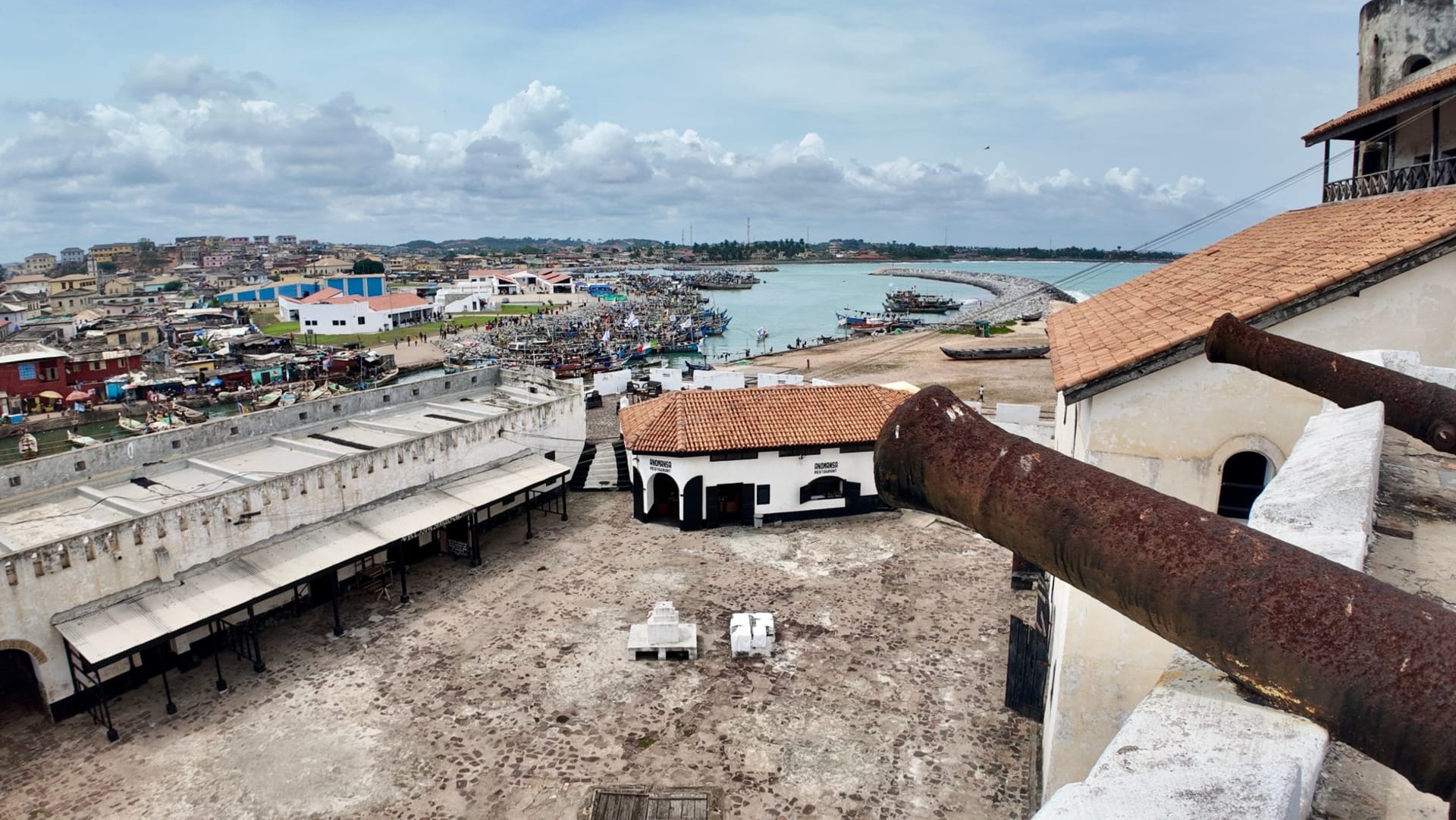
Cape Coast is the reason I came and the thing I was least prepared for. The castle sits directly on the water, its white walls incongruously lovely from a distance, and inside it there are the slave dungeons — low-ceilinged rooms where hundreds of people were packed in darkness before being loaded onto ships through the Door of No Return. I’ve been to difficult historical sites before, but this one landed differently. Maybe because the ocean was right there on the other side of the wall, visible through an opening cut specifically to torment. I sat outside on the ramparts afterward and watched fishing boats come in and couldn’t think of anything useful to say about it.
The north is another country entirely. Up past Tamale, toward Mole National Park, the landscape flattens into guinea-savanna — brittle dry-season gold, baobab trees that look like they’ve been planted upside down, elephants walking through dry riverbeds in the late afternoon like they have somewhere important to be. Most visitors to Ghana never get this far. Their loss is real.
When to go: November through March is the dry season across most of Ghana — cool enough in the north, manageable on the coast. Avoid April through July if you dislike humidity and heavy rain, especially in Accra and the south. The Harmattan wind blows from December into February, pushing Saharan dust south and dropping temperatures dramatically at night in the north.
What most guides get wrong: They frame Ghana as a diaspora pilgrimage destination and, while that’s true and important, it flattens everything else. The country has extraordinary food — fufu in groundnut soup, banku with tilapia, jollof rice that will ruin you for all other rice — a living textile culture in Kumasi’s Kente weaving villages, and wildlife that doesn’t require you to remortgage your house for a safari permit. Ghana is not a museum of the slave trade. It is a country that has not forgotten its history and is building something on top of it regardless.
Explore
Places in Ghana
 ghana
ghana Accra
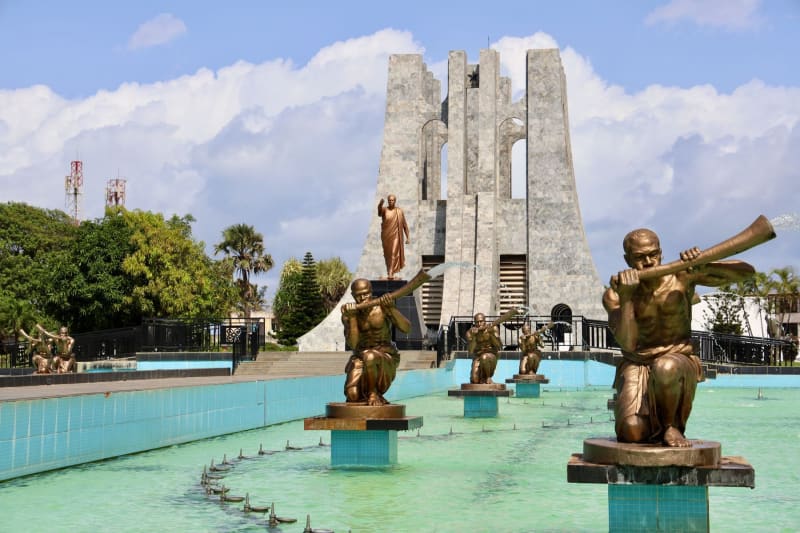
West Africa's most vibrant capital — Nkrumah's legacy, Labadi Beach, and jollof rice debated on every corner.
Explore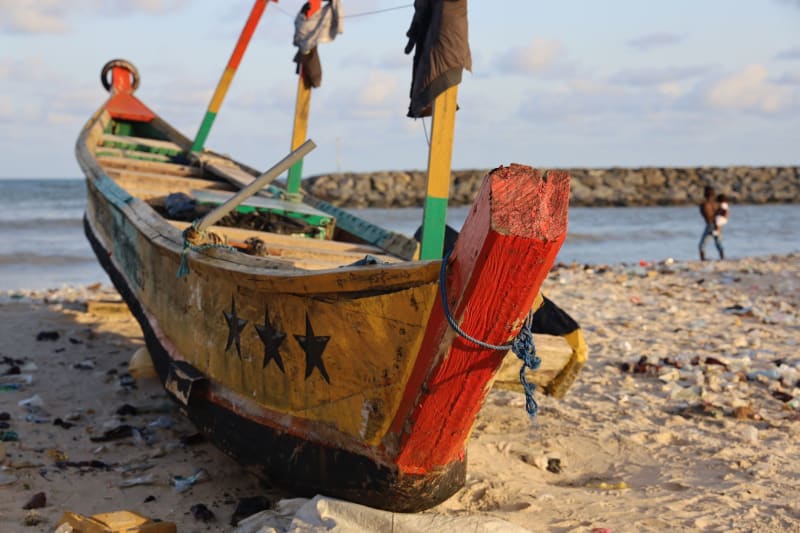 ghana
ghana Ada Foah
Where the Volta River finally meets the Atlantic in a tangle of lagoon, mangrove, and sandbar — the most geographically dramatic meeting point on Ghana's coast.
Explore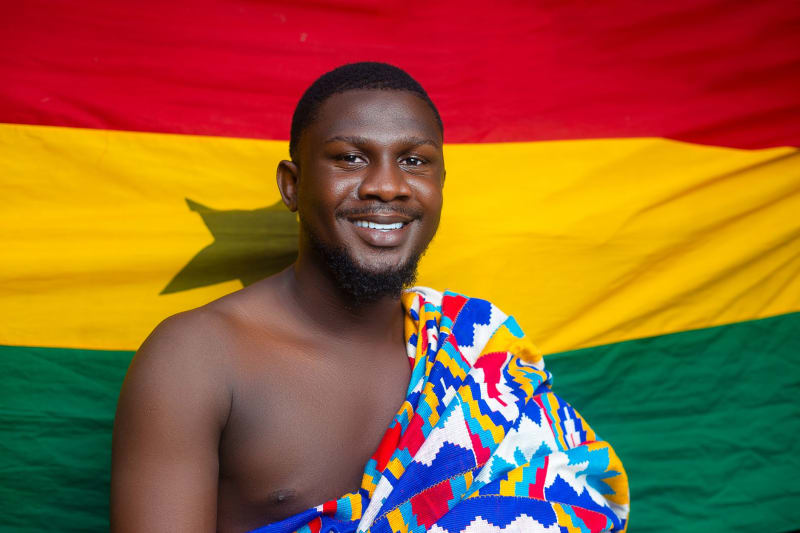 ghana
ghana Bolgatanga
In Ghana's Upper East corner, a market town famous for woven baskets and a crocodile pond that operates entirely on local faith.
Explore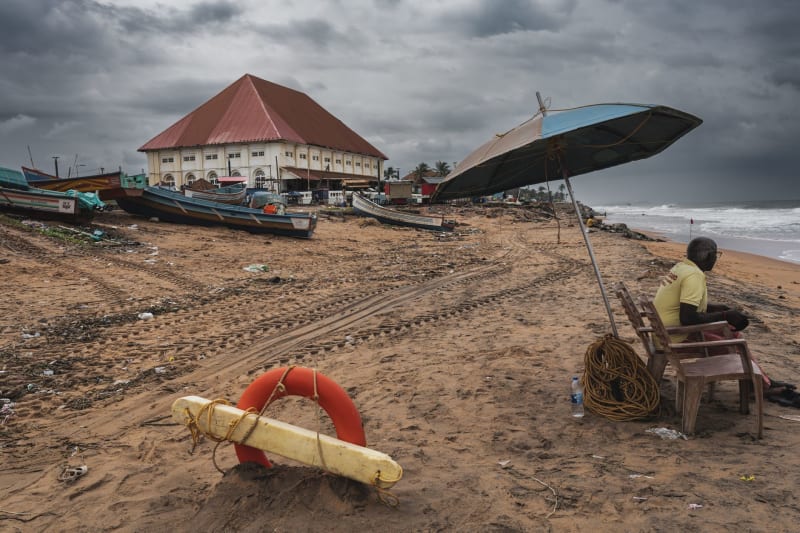 ghana
ghana Busua
A crescent of dark-gold sand on Ghana's Western Region coast where the surf actually breaks cleanly and nobody seems to be in a hurry.
Explore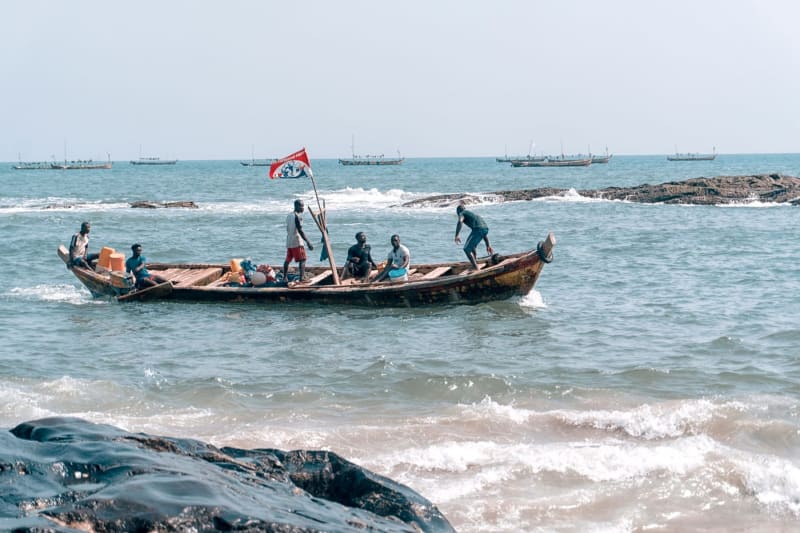 ghana
ghana Cape Coast
The castle that held millions before the Middle Passage — a site of reckoning and remembrance above the ocean.
Explore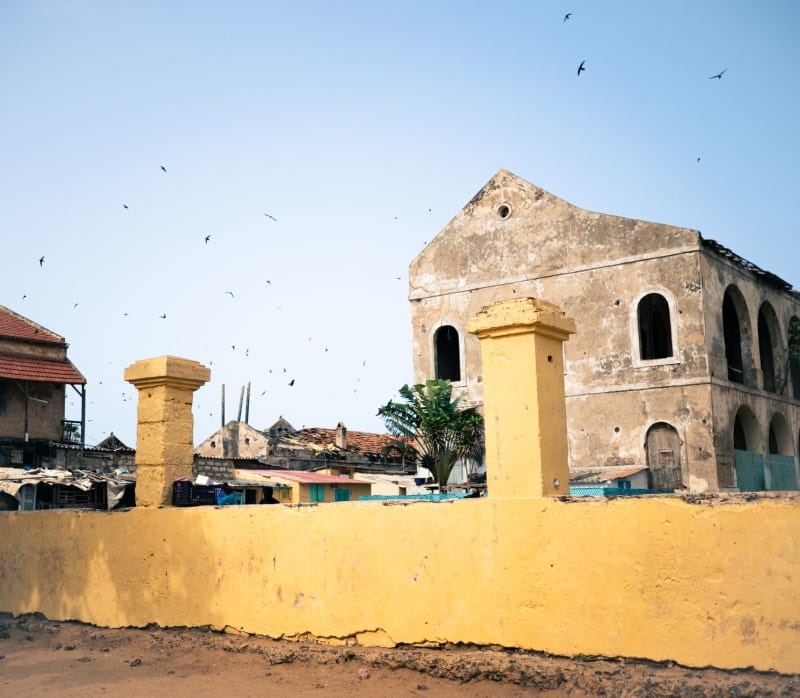 ghana
ghana Elmina
A working fishing town on Ghana's coast built around the oldest European castle in sub-Saharan Africa, where a brutal history sits beside a chaotic, vivid harbour.
Explore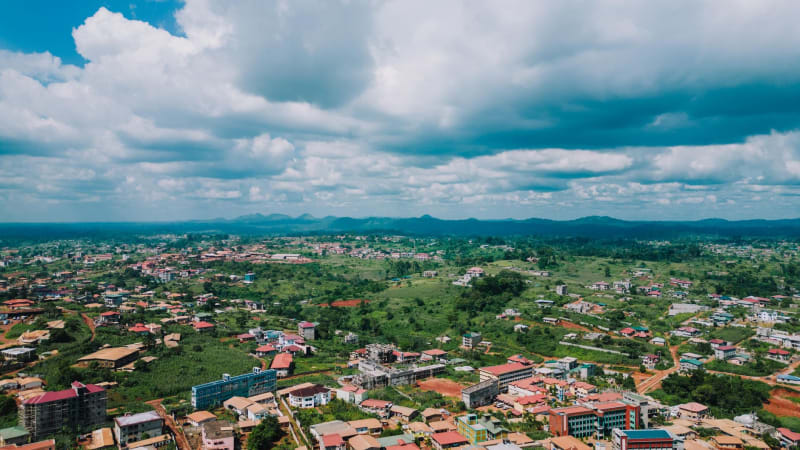 ghana
ghana Kumasi
The Ashanti capital smells of woodsmoke and fresh kente thread, a city that wears its royalty without ceremony.
Explore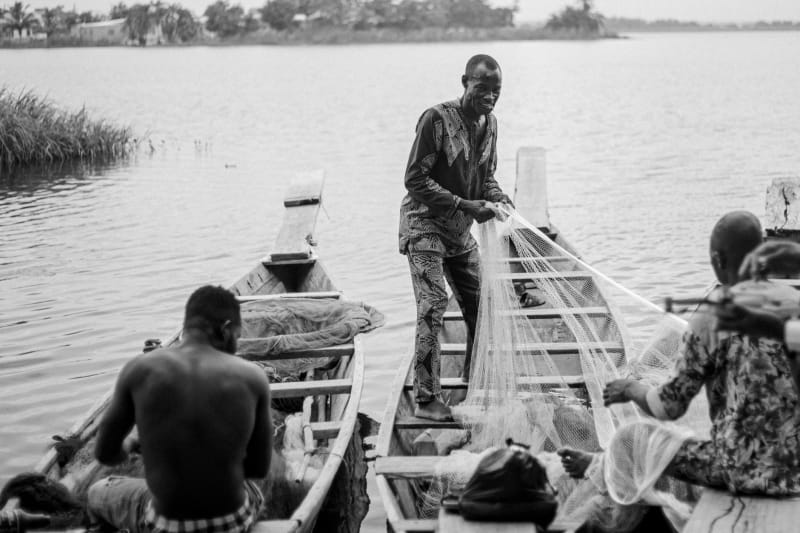 ghana
ghana Lake Volta
The world's largest reservoir by surface area sits in Ghana's east like a flooded map, dotted with fishing villages that exist nowhere on most tourists' itineraries.
Explore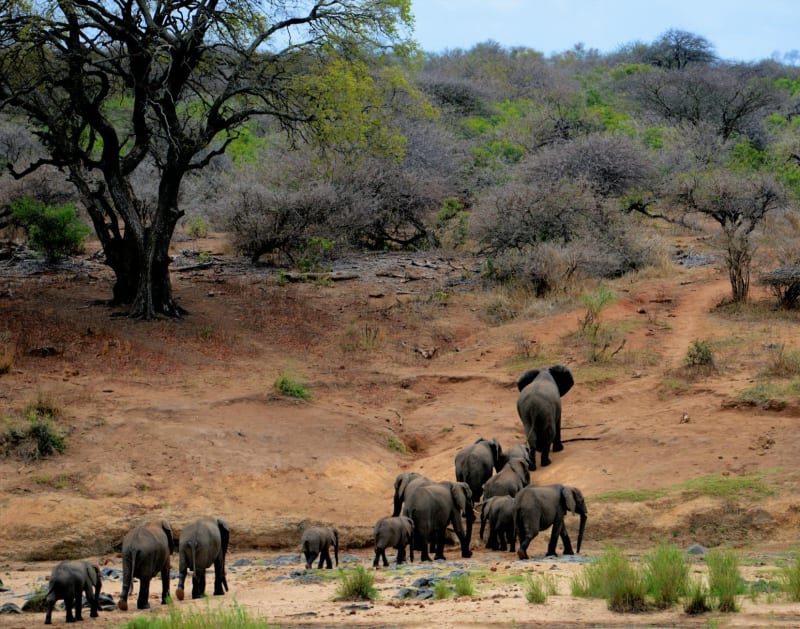 ghana
ghana Mole National Park
Ghana's largest wildlife refuge, where elephants drink at waterholes visible from your lodge balcony at dawn.
Explore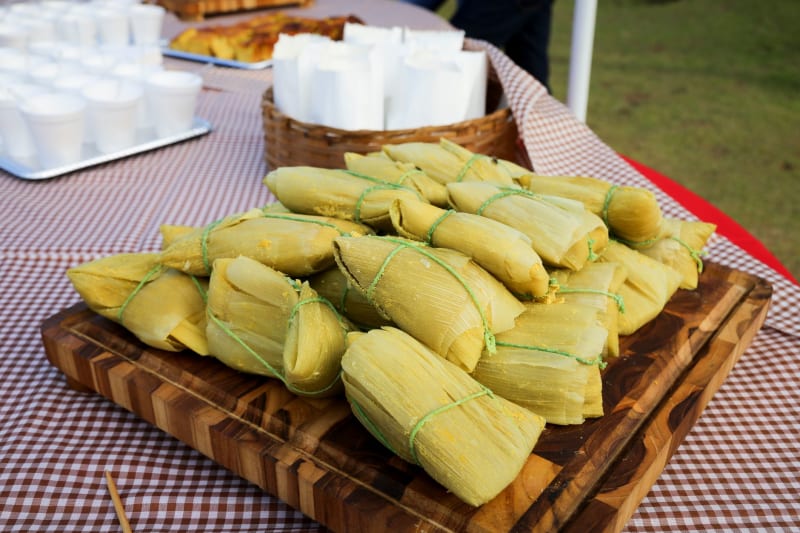 ghana
ghana Tamale
Ghana's northern capital moves at a different register — drier, quieter, Muslim in its rhythms — and rewards travelers willing to step outside the coastal circuit.
Explore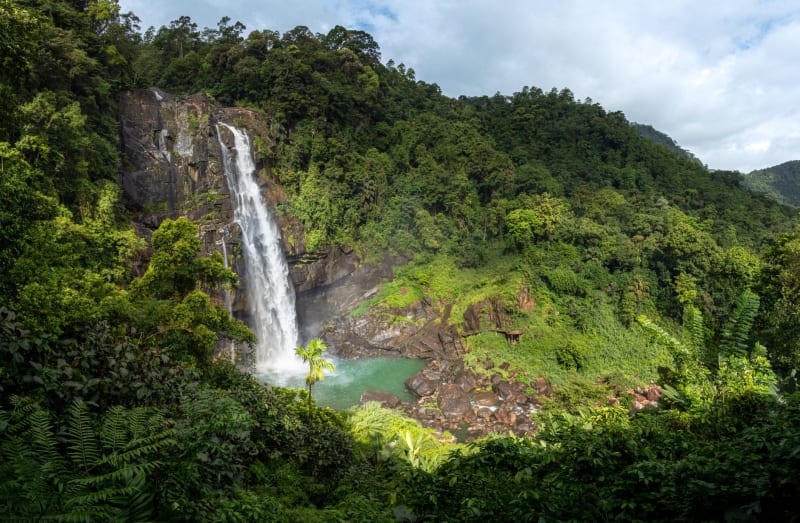 ghana
ghana Wli Falls
The highest waterfall in West Africa drops out of the Volta highlands into a pool full of fruit bats and cold mist, deep in Ghana's Volta Region.
Explore