Séguret
"I've seen a lot of hillside villages in Provence and Séguret is the one that made me stop pretending I wasn't a tourist for once."
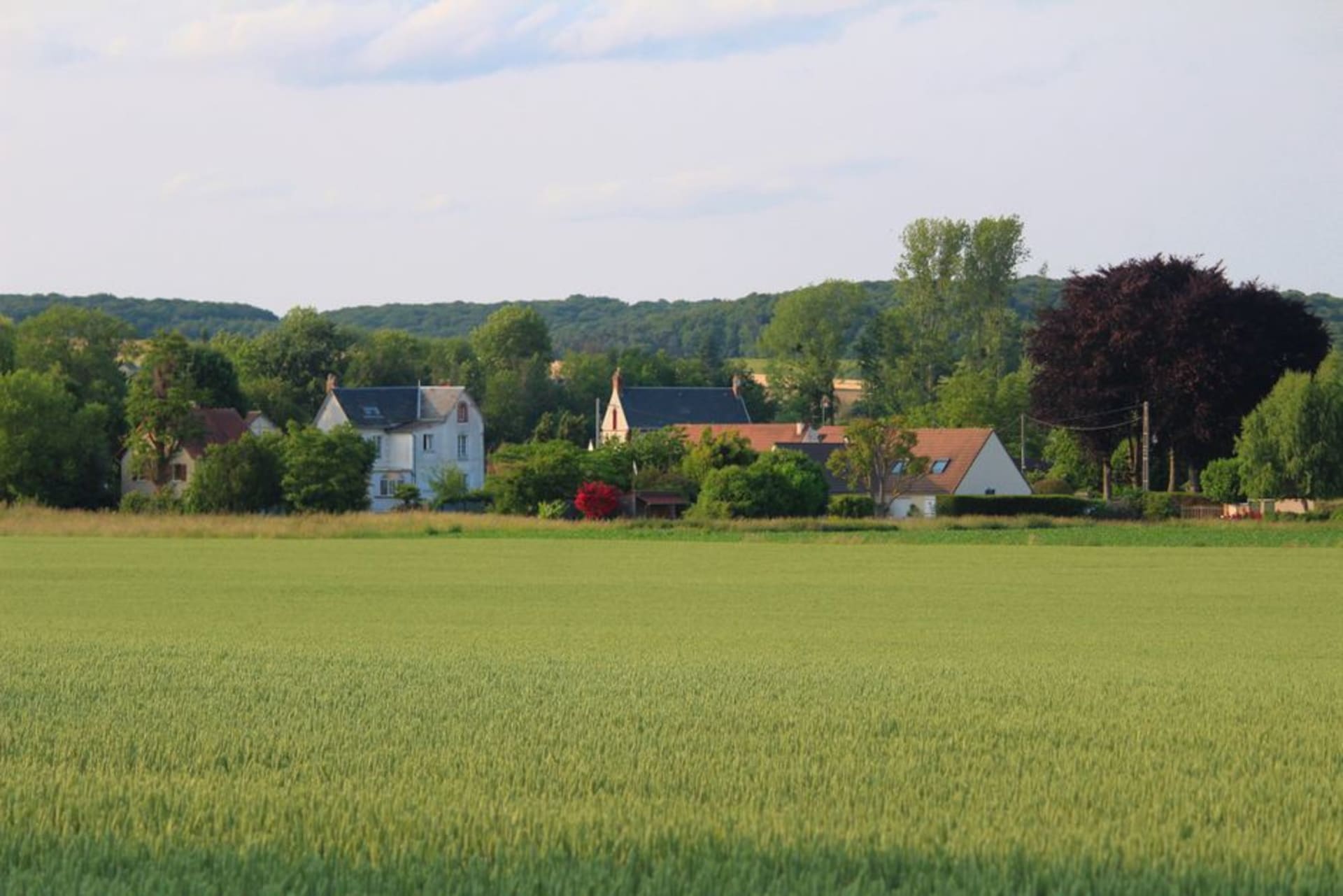
A village stacked into a hillside below the jagged Dentelles de Montmirail, small enough to see in twenty minutes and beautiful enough that we stayed for two hours anyway.

Séguret is one of those villages that appears on every list of France’s most beautiful and somehow still earns it, which is rarer than it sounds — by the time we drove up from the Côtes du Rhône plain below, I’d built up a healthy skepticism toward the label. It survived contact. The village clings to a fold of rock beneath the Dentelles de Montmirail, that improbable comb of jagged white limestone that looks like it belongs in the Dolomites rather than flat Provençal vineyard country, and the whole approach road gives you the postcard shot before you’ve even parked.
A village built for one long, slow lap
Séguret has no real streets in the normal sense, just a single winding lane and a scatter of stone stairways connecting it to a 14th-century belfry, a ruined feudal castle above, and a fountain square shaded by plane trees where we sat with an overpriced but genuinely good glass of the local Côtes du Rhône Villages. The whole village can be walked in twenty minutes. We took closer to two hours, mostly because every third turn produced a view worth standing still for — vines running out toward Vaison-la-Romaine in one direction, the Dentelles rearing straight up behind the rooftops in the other. Lia, usually the one rushing me along on these walks, was the one who kept stopping this time.

Vineyards you can taste without leaving the village
Séguret sits inside its own small Côtes du Rhône Villages appellation, and several producers pour tastings right in the village or at cellar doors a short drive into the surrounding vines — grenache-heavy reds built for the kind of grilled lamb we ate that night at a table set up outside a house that turned out to be someone’s actual dining room converted for the season. The Dentelles themselves are a serious hiking and climbing destination too; day-trippers from Vaison or Gigondas come just for the trails, though we were happy to admire the peaks from a fixed position with a glass in hand rather than a harness.

When to go: Late spring through early autumn for warm evenings on the terrace and active vineyards; September brings the grape harvest and a noticeably livelier village.
Keep exploring
More of Provence
Keep exploring
More from Provence
 france
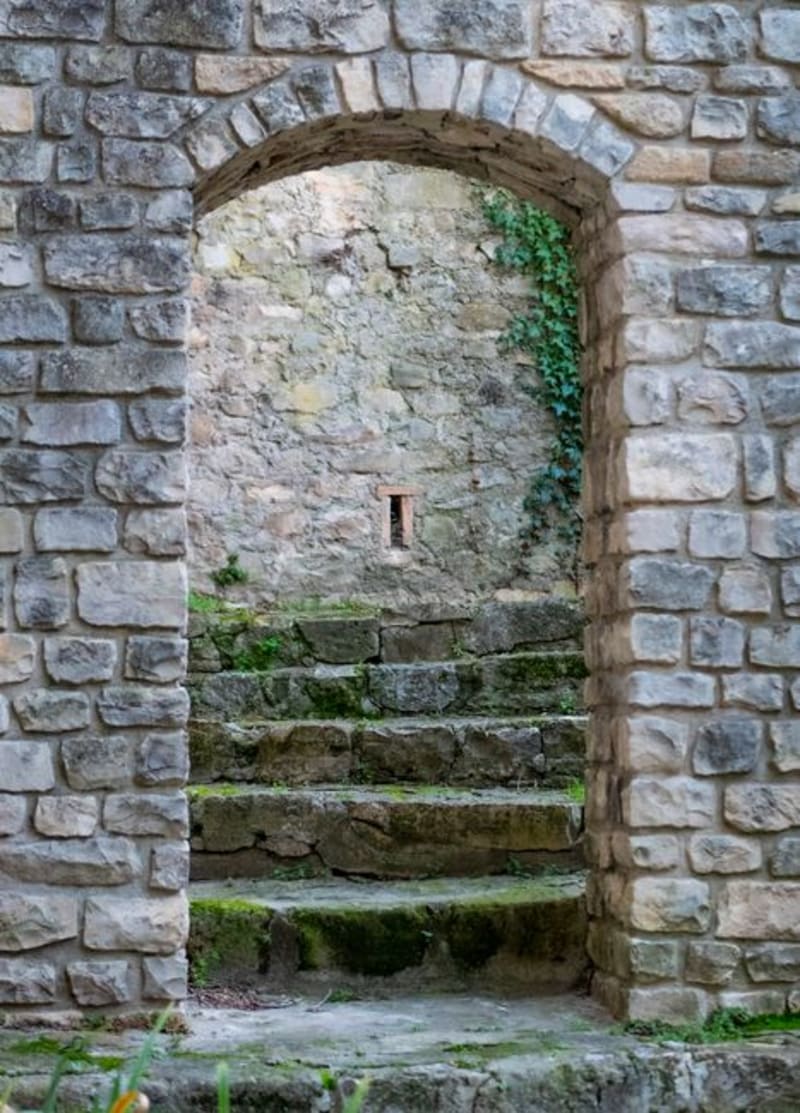
 Vaison-la-Romaine
A town split by the Ouvèze river into a Roman city of excavated ruins on one bank and a medieval hilltop citadel on the other, connected by a bridge the Romans built and the floods never quite took.
Explore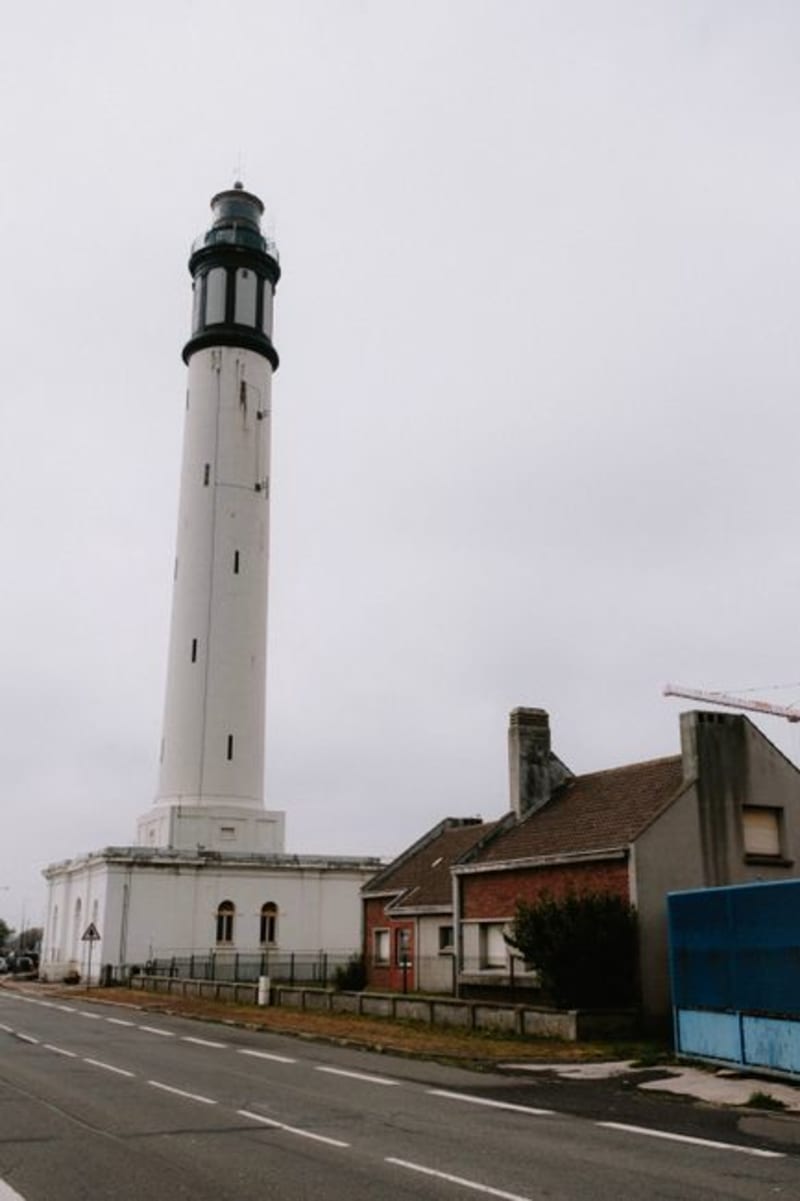 france
 Carpentras
A market town with the oldest synagogue still in use in France tucked behind an ordinary-looking door, and a Friday market smelling so strongly of truffle in winter that I followed my nose before I found the stall.
Explore france
 Orange
A workaday Rhône town wrapped around the best-preserved Roman theatre in Europe, where the wall still throws sound the way its engineers intended two thousand years later.
Explore france
 Isle-sur-la-Sorgue
A town split into channels by the clear, fast-running Sorgue river, its old waterwheels still turning beside one of the biggest antiques markets in France.
Explore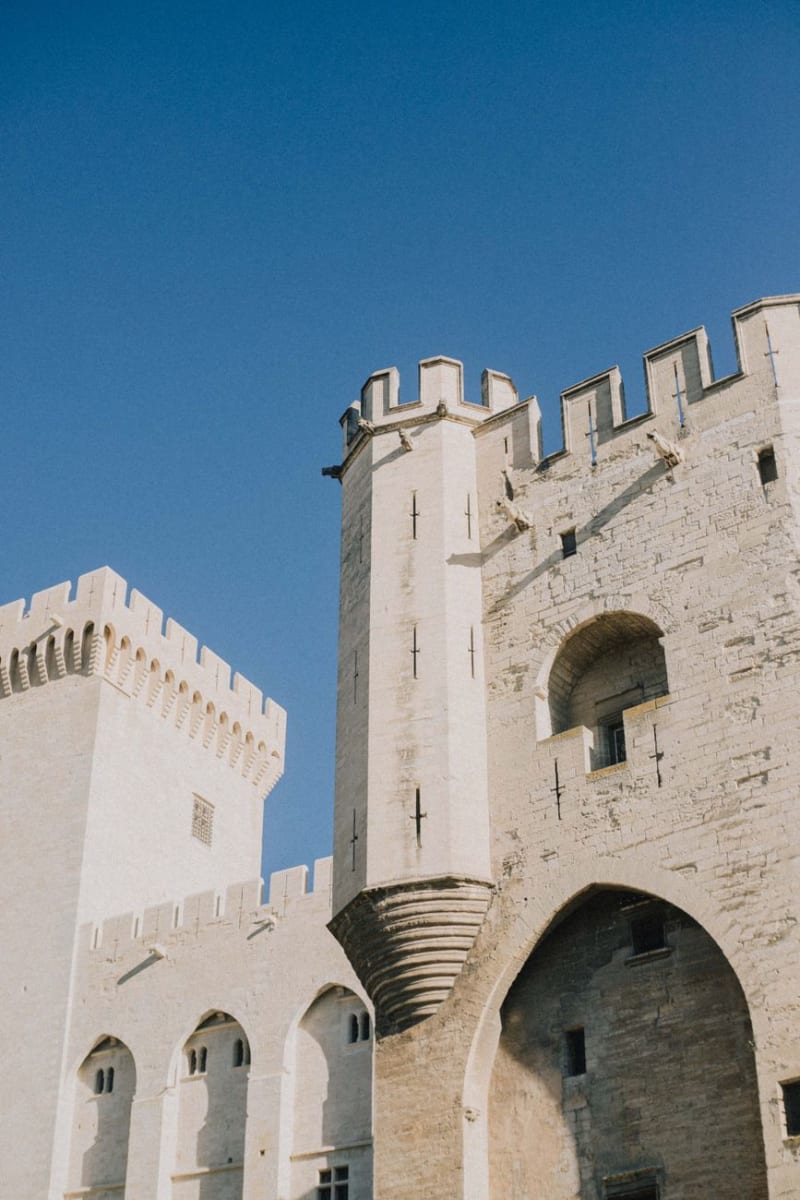 france
 Avignon
Once the seat of the Avignon Papacy, this walled Provençal city hosts Europe's largest performing arts festival each July around its immense palace.
Explore france
 Gordes
A village of pale stone stacked in tiers up a Luberon cliff face, visible from the valley floor for kilometres before you've worked out how to actually drive up to it.
Explore