
Normandy
"The light in Normandy is why the Impressionists stopped trying to paint anywhere else."
Chalk cliffs, cider orchards, D-Day beaches, and the most improbable abbey in Europe — the France that faces the sea.
Normandy is where France turns its face to the English Channel and becomes something quieter, greener, and more melancholy than the south. The light here is different — softer, filtered through clouds that roll in from the Atlantic, shifting minute by minute in ways that drove Monet to set up his easel at Étretat and Honfleur and paint the same scene forty times because it was never the same scene twice. I grew up close enough to visit on weekends, and Normandy was the first place that taught me that France is not one country but many.
The Côte d’Albâtre — the Alabaster Coast — is where the chalk cliffs drop vertically into the sea. Étretat, with its natural arches and its needle rock, is the postcard image, and it deserves every photograph ever taken of it. But walk the cliff path north toward Fécamp and you will find yourself alone with the seabirds and the wind and a landscape that makes you understand why the Normans built their boats and left. There is something about this coast that simultaneously invites you to stay and dares you to depart.

Mont-Saint-Michel is the most visited site in France outside Paris, and even the crowds cannot diminish it. The abbey sits on a granite island in a bay where the tides are among the most extreme in Europe — the sea retreats kilometers and returns at the speed of a galloping horse, or so the old claim goes. I have been three times. Each time, I climbed the narrow medieval streets to the abbey church at the summit and stood in the cloister looking out at the bay, and each time I found it impossible to believe that human beings built this. The engineering is medieval. The ambition is not.

The D-Day beaches — Omaha, Utah, Juno, Gold, Sword — are a different kind of experience entirely. I first visited with my grandfather, who had his own complicated feelings about what happened here in June 1944. The American Cemetery at Colleville-sur-Mer is 9,387 white crosses on a bluff above Omaha Beach, arranged with a geometric precision that makes the scale of the loss legible in a way that numbers alone cannot. It is quiet there. Visitors speak softly, or not at all. The beach below is wide and flat and looks ordinary, and the gap between what you see and what you know happened there is the entire point.
Honfleur is the prettiest harbor town in northern France, with a Vieux Bassin lined by tall, narrow houses that Boudin and Monet painted and that still look exactly as they painted them. The seafood restaurants along the quay serve moules-frites and sole meunière. The Côte Fleurie stretches east toward Deauville and Trouville — twin resort towns separated by a river and a class distinction that the French find endlessly amusing.
When to go: May to September for the best weather, though Normandy is beautiful in the rain. The D-Day anniversary on June 6 brings ceremonies and crowds. September has the apple harvest and the beginning of cider season.
Explore
Places in Normandy
 france
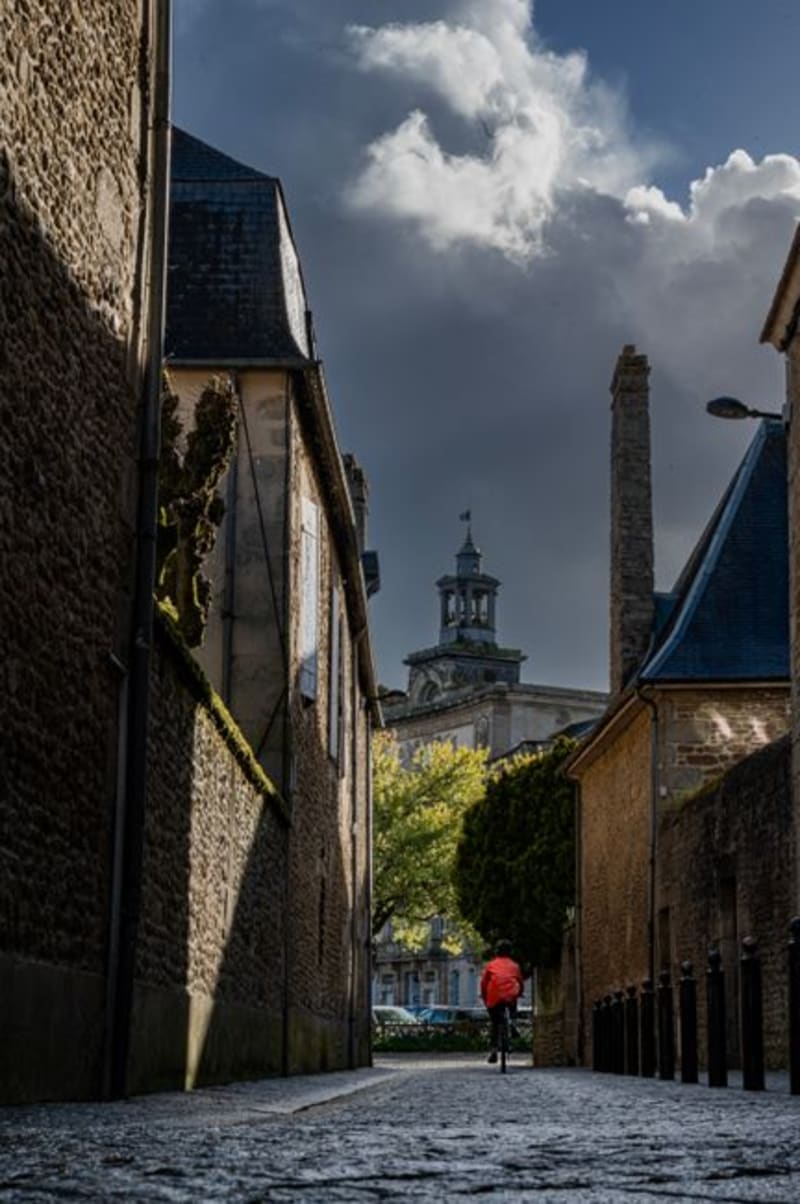
 Alençon
The lace town on Normandy's southern edge, where a stitch so fine it takes months to make a few centimeters is still, somehow, being kept alive by a handful of women.
Explore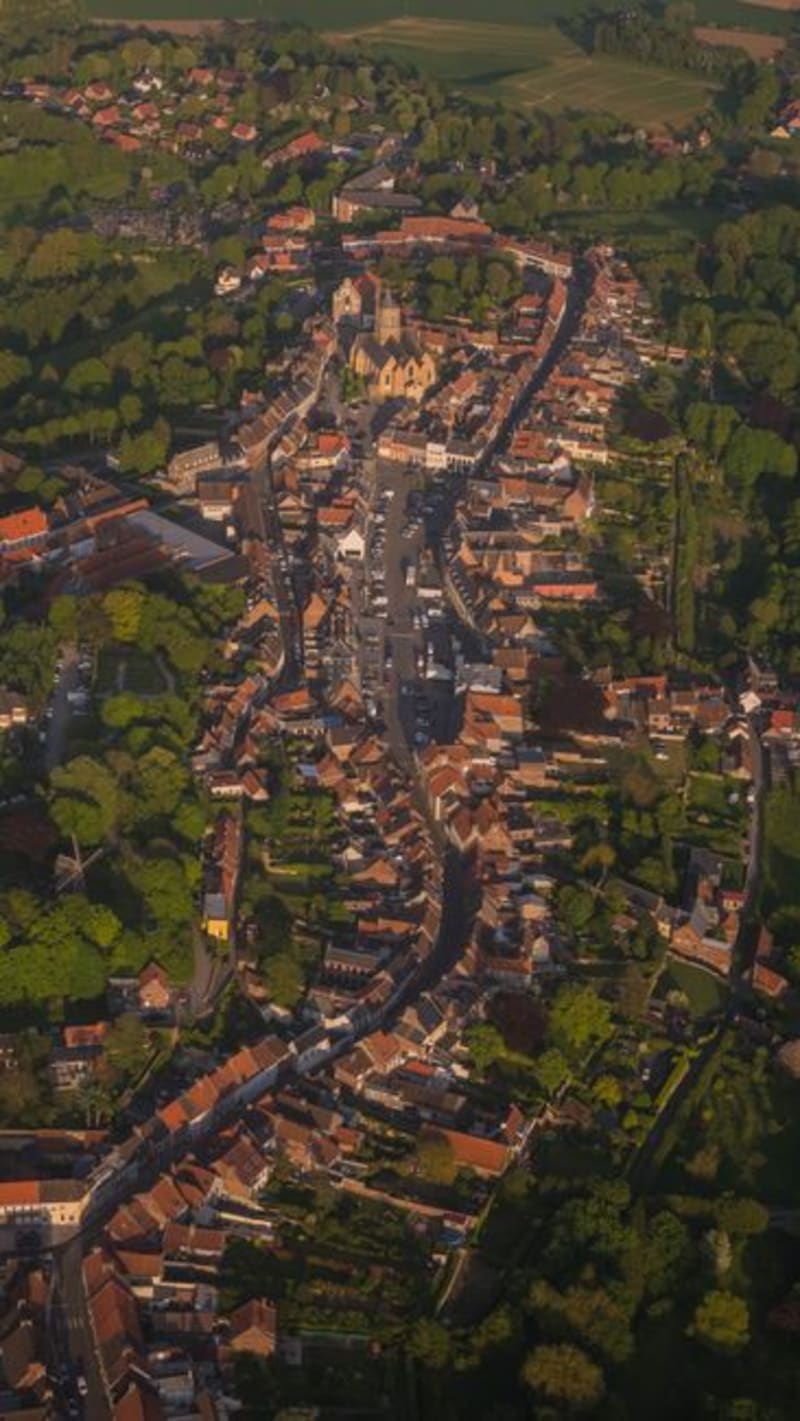 france
 Avranches
The clifftop town where I finally understood why Mont-Saint-Michel looks the way it does — you need to see it small and distant, floating in its bay, before it makes any sense.
Explore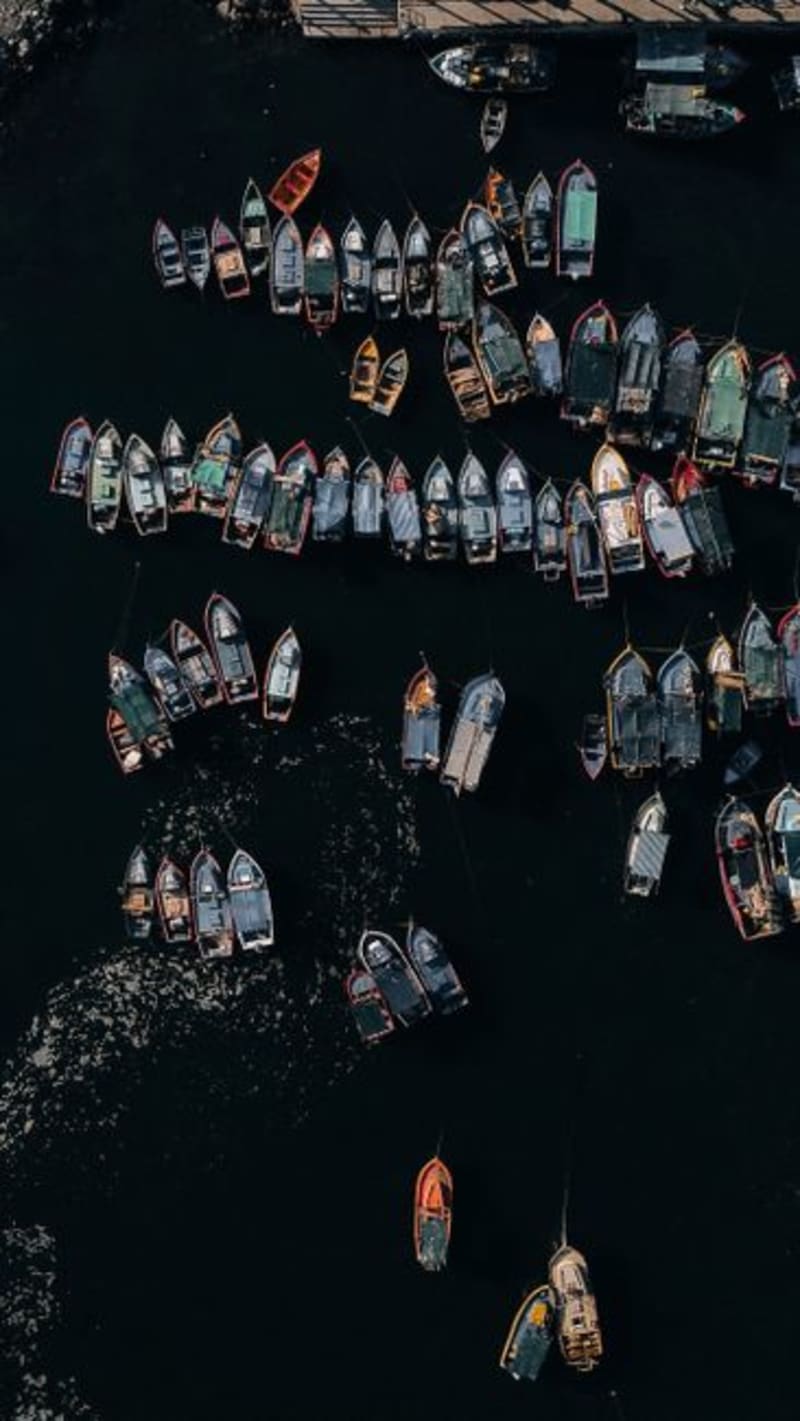 france
 Barfleur
A small granite fishing village on the tip of the Cotentin peninsula, officially one of France's most beautiful villages, where the biggest attraction is simply how little has changed.
Explore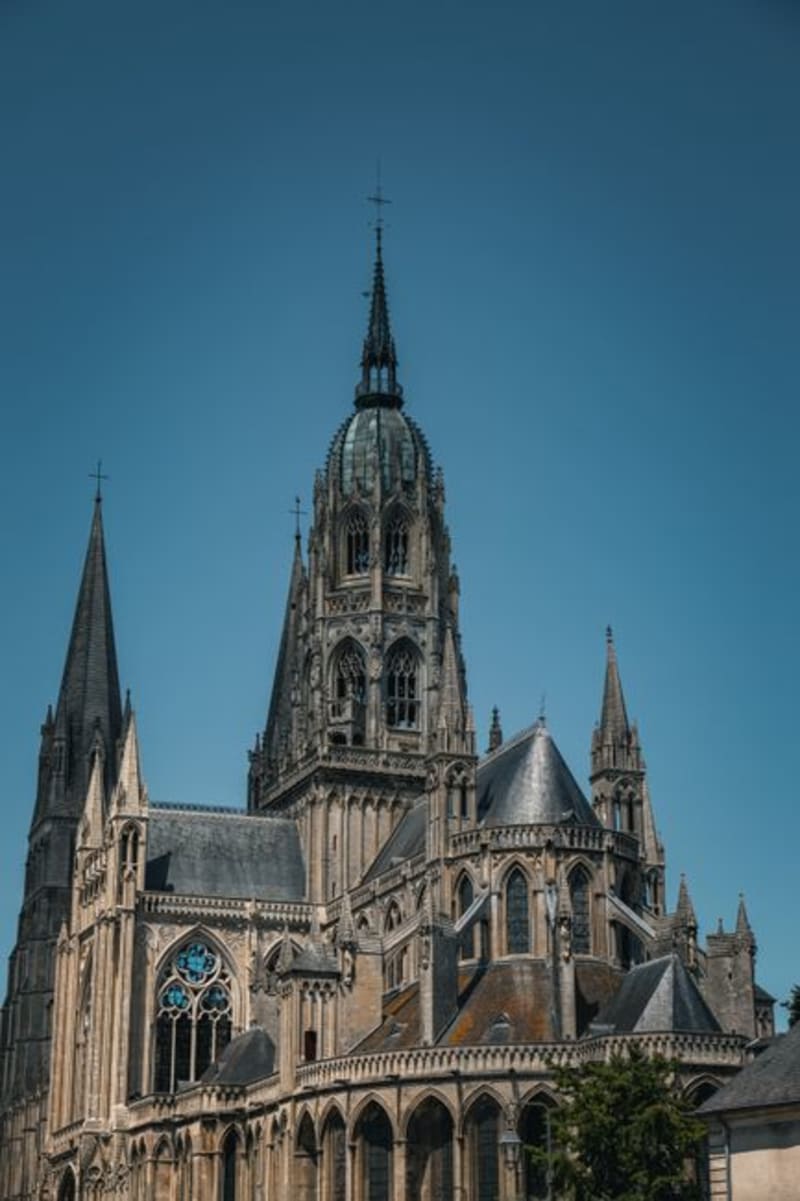 france
 Bayeux
A cathedral town that survived World War Two almost untouched and holds, in a single darkened room, a nearly thousand-year-old embroidered account of the Norman conquest of England.
Explore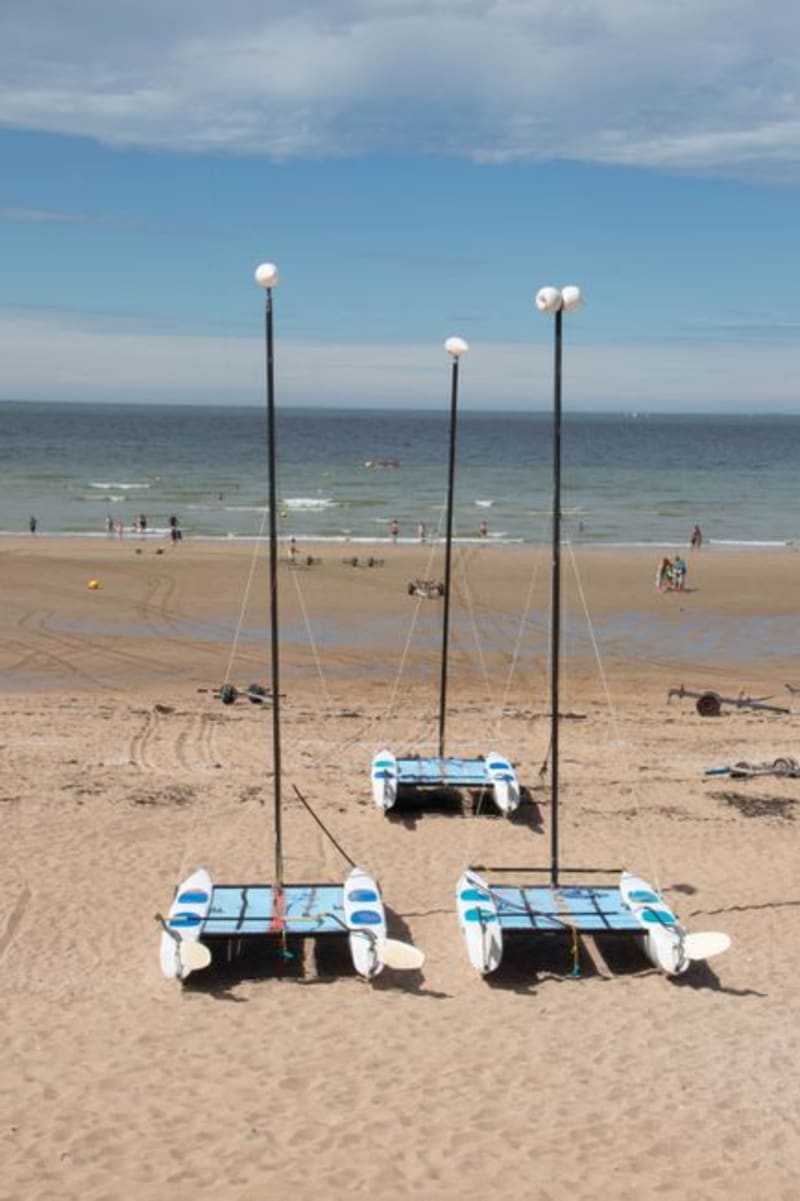 france
 Cabourg
A genteel Belle Époque seaside town on the Côte Fleurie where Marcel Proust holidayed so often that the boardwalk is now named after him and one of his characters.
Explore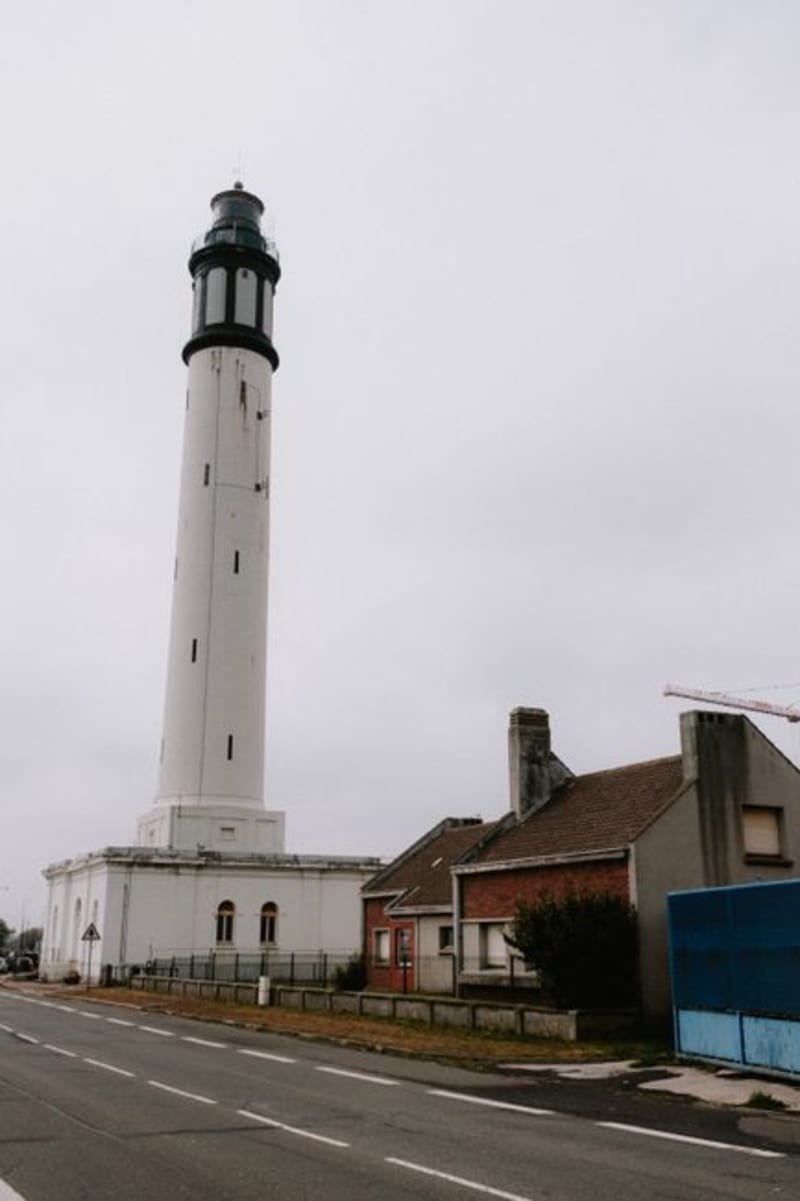 france
 Coutances
A hilltop cathedral town in the middle of the Cotentin that I drove to on a whim and ended up circling on foot for an hour just to see its twin towers from every angle.
Explore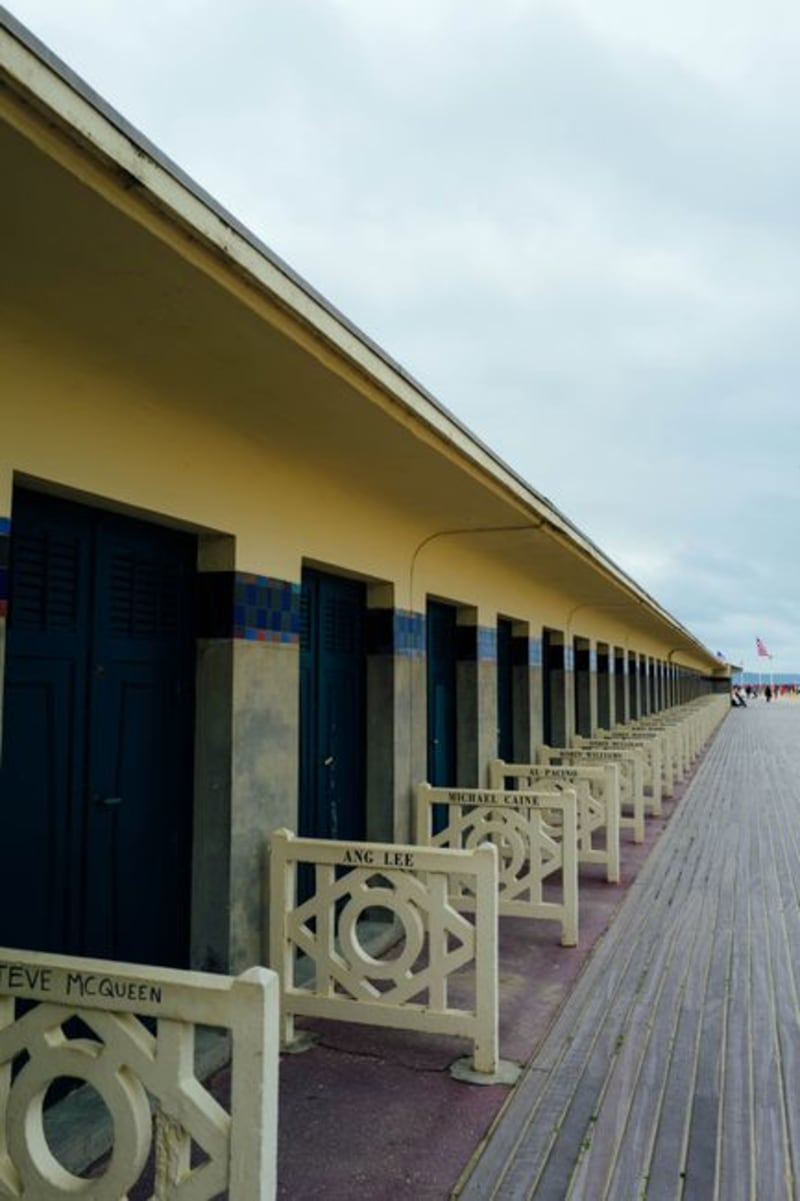 france
 Deauville
A polished Norman beach resort where the boardwalk is lined with wooden beach huts named after film stars and everyone seems to be dressed slightly better than the occasion requires.
Explore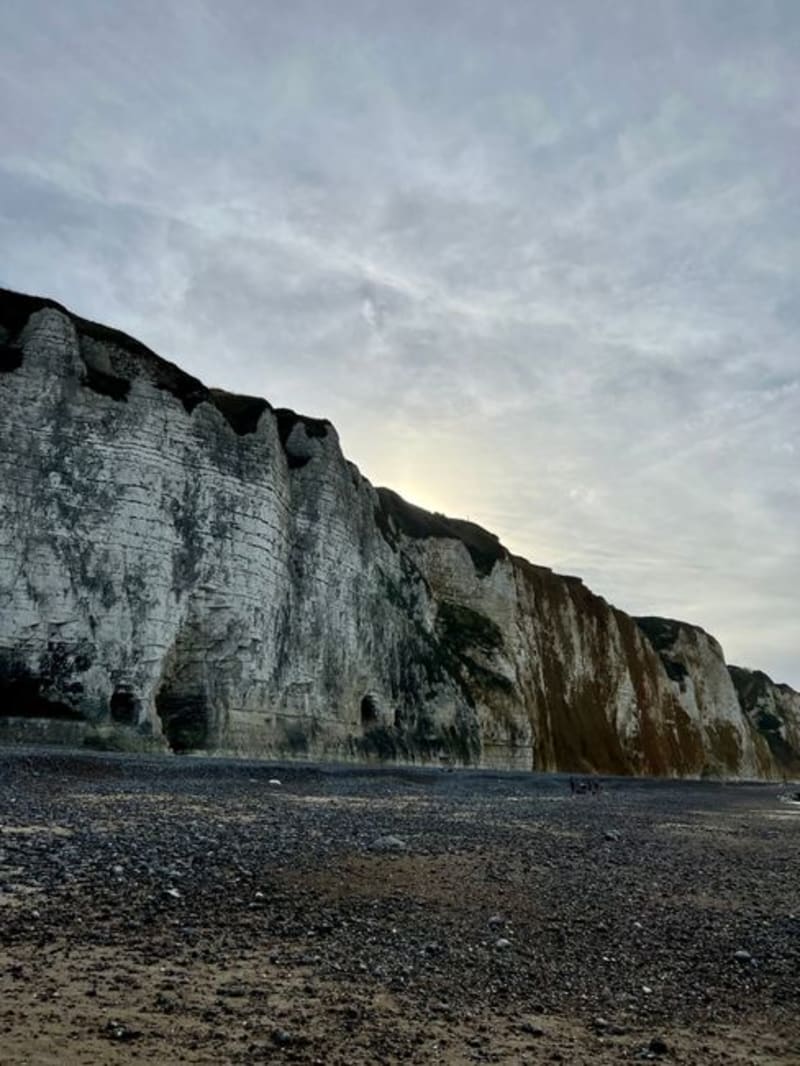 france
 Dieppe
Normandy's oldest seaside resort, a working Channel port, and the scarred site of a 1942 raid that cost more lives in one morning than almost anywhere else on this coast.
Explore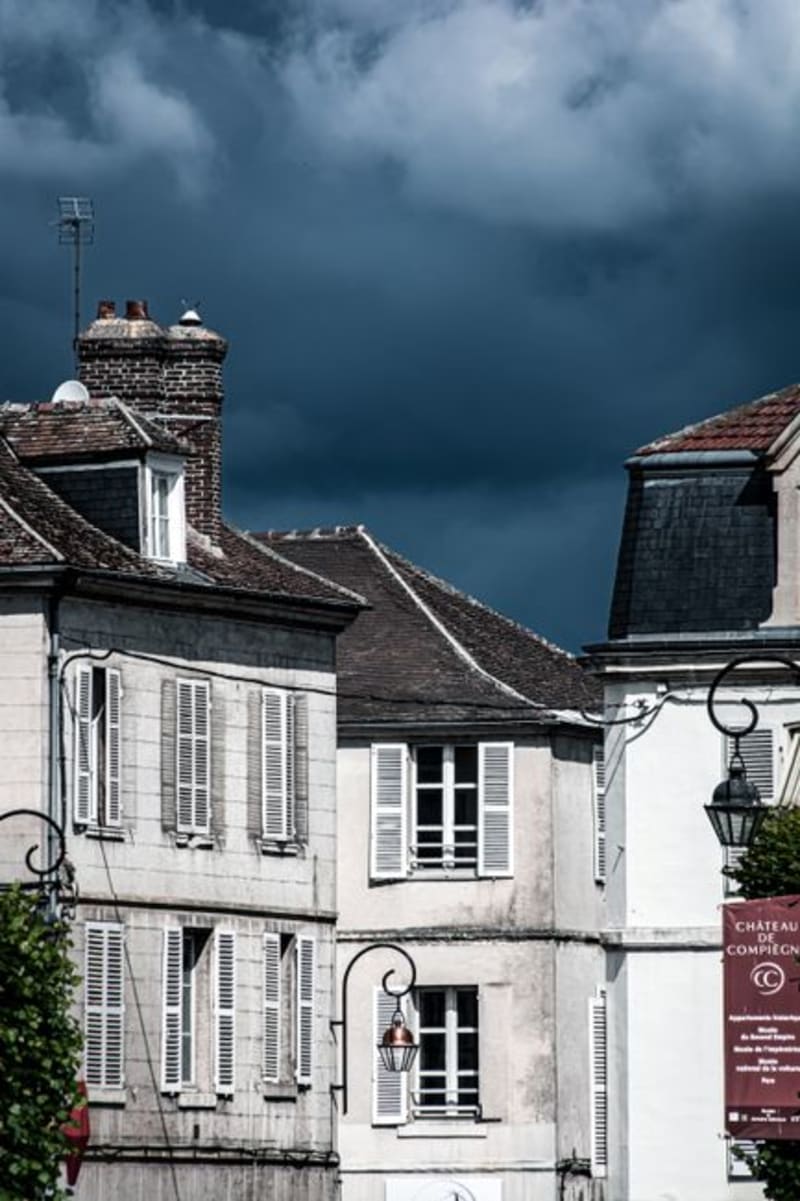 france
 Domfront
A ruined castle above a gorge, a half-timbered old town, and the best glass of pear cider I've had in Normandy — Domfront did more with less fanfare than almost anywhere else we visited.
Explore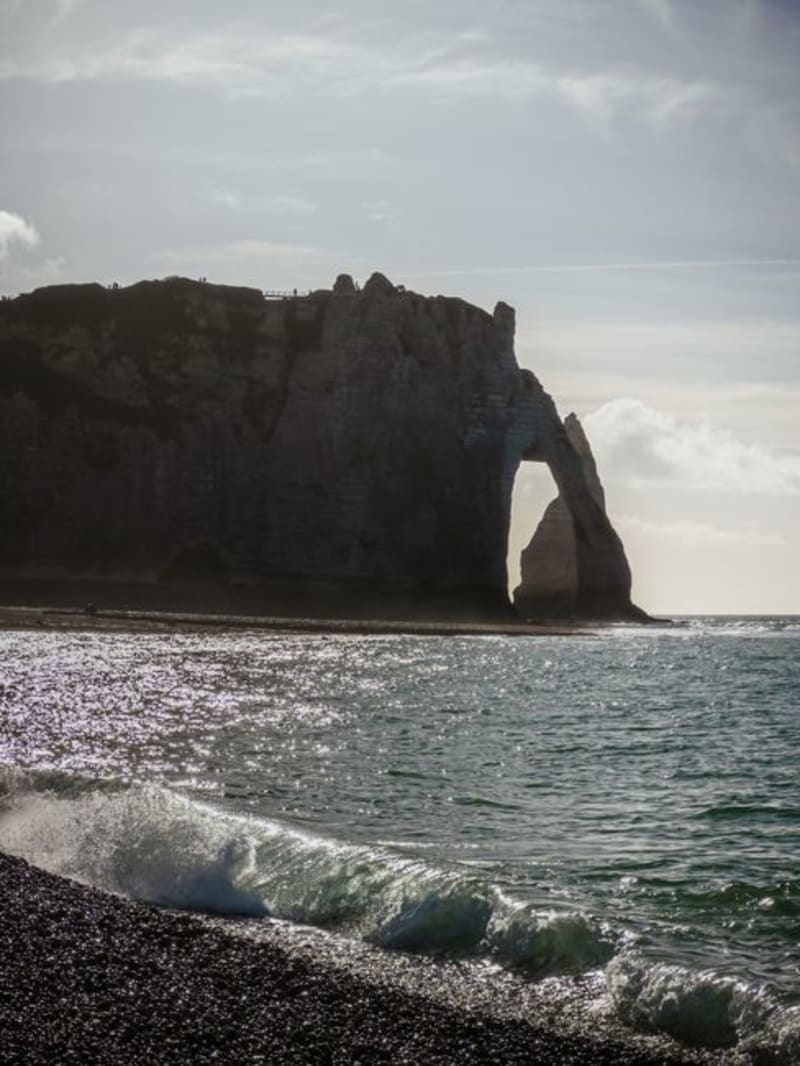 france
 Étretat
A stretch of white chalk cliffs on the Alabaster Coast carved into arches and needles dramatic enough that Monet painted them obsessively and Maupassant used them as a murder scene.
Explore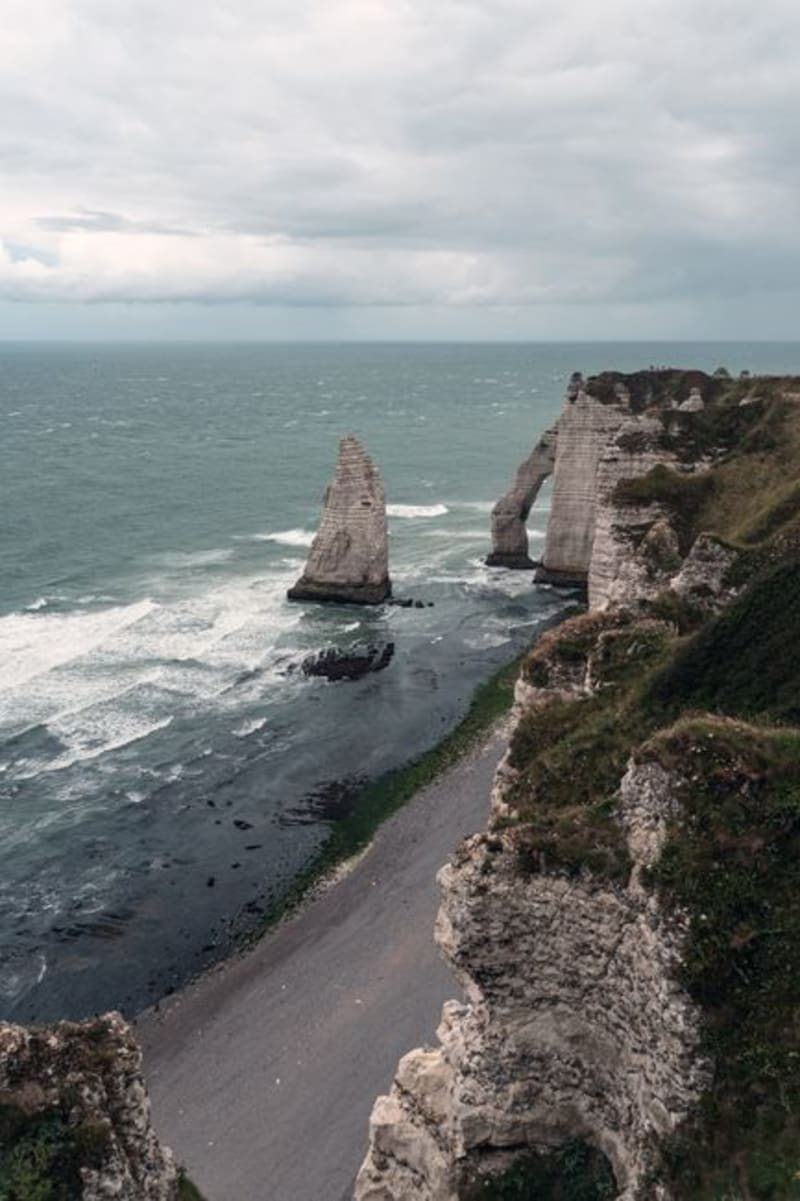 france
 Falaise
The fortress town where William the Conqueror was born a duke's illegitimate son and where, nine centuries later, one of the war's bloodiest battles closed around it like a trap.
Explore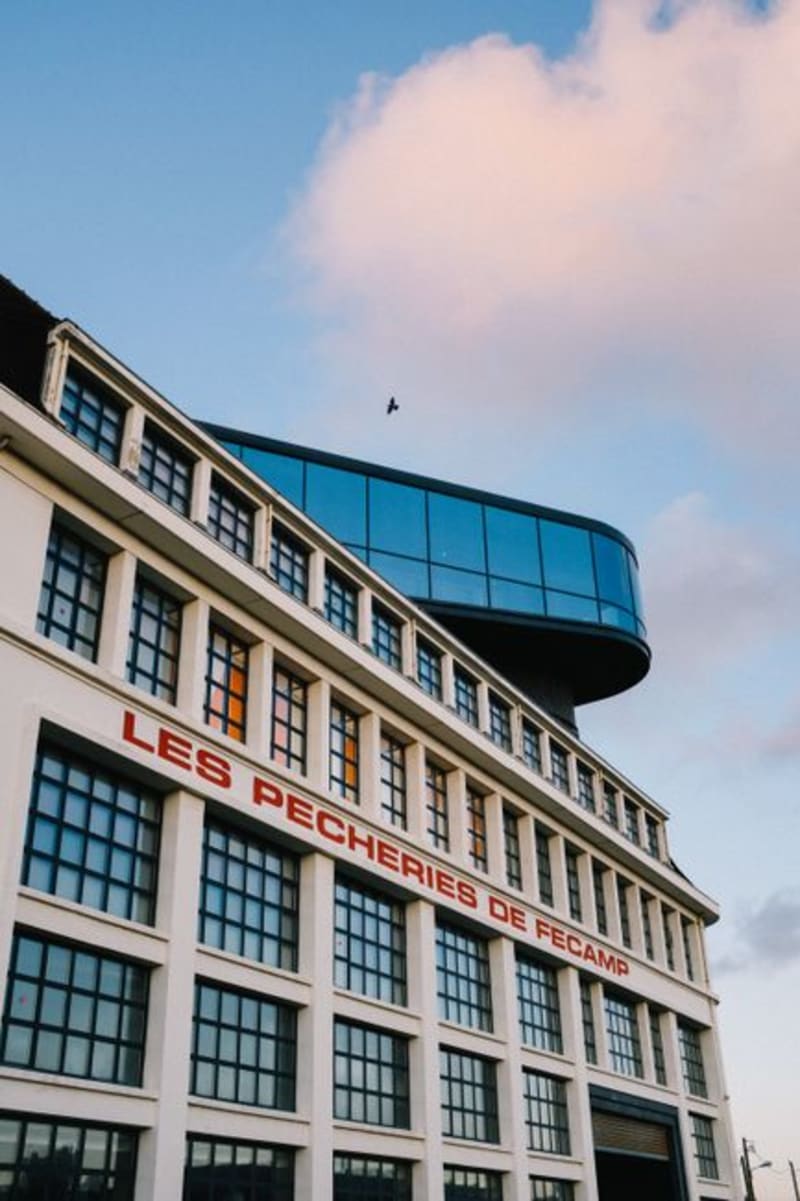 france
 Fécamp
A working fishing port on the Alabaster Coast that quietly hides a Renaissance-revival palace built entirely to store the recipe for a herbal liqueur.
Explore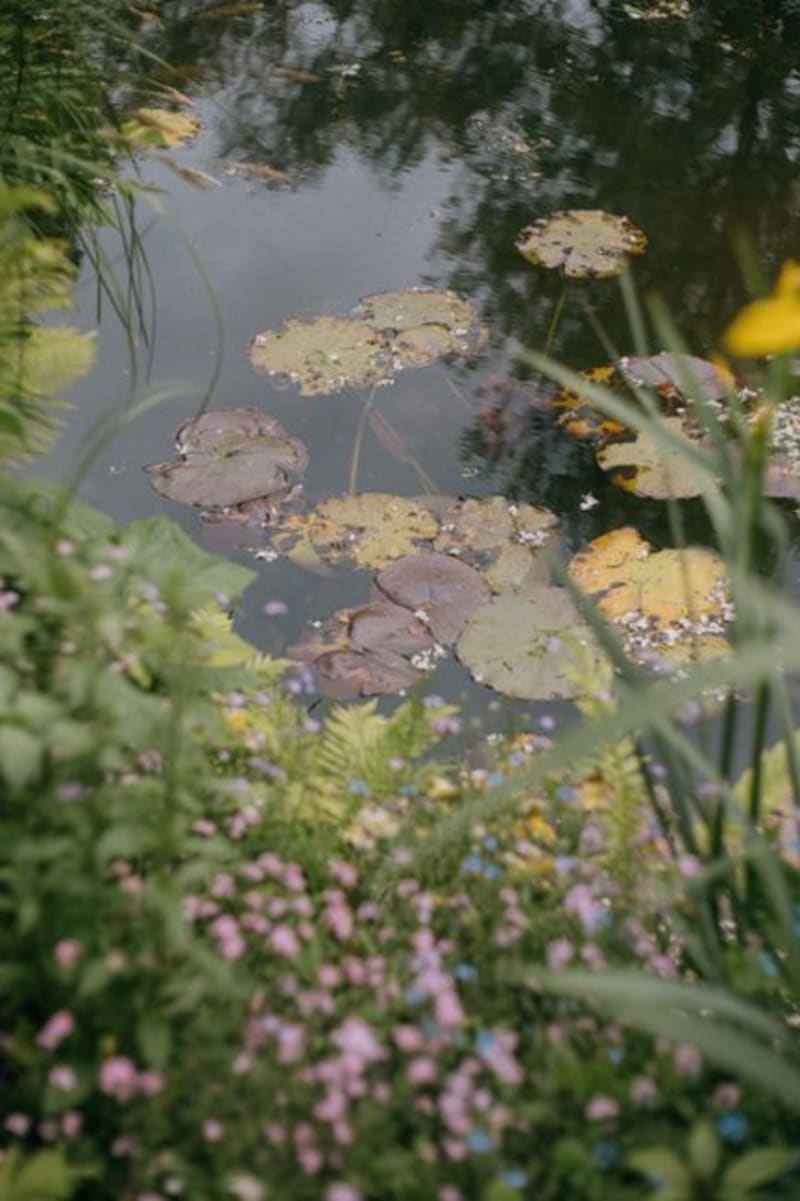 france
 Giverny
The village where Monet built his own garden to paint, and where the water lily pond still looks so much like the canvases that Lia kept checking the water for brushstrokes.
Explore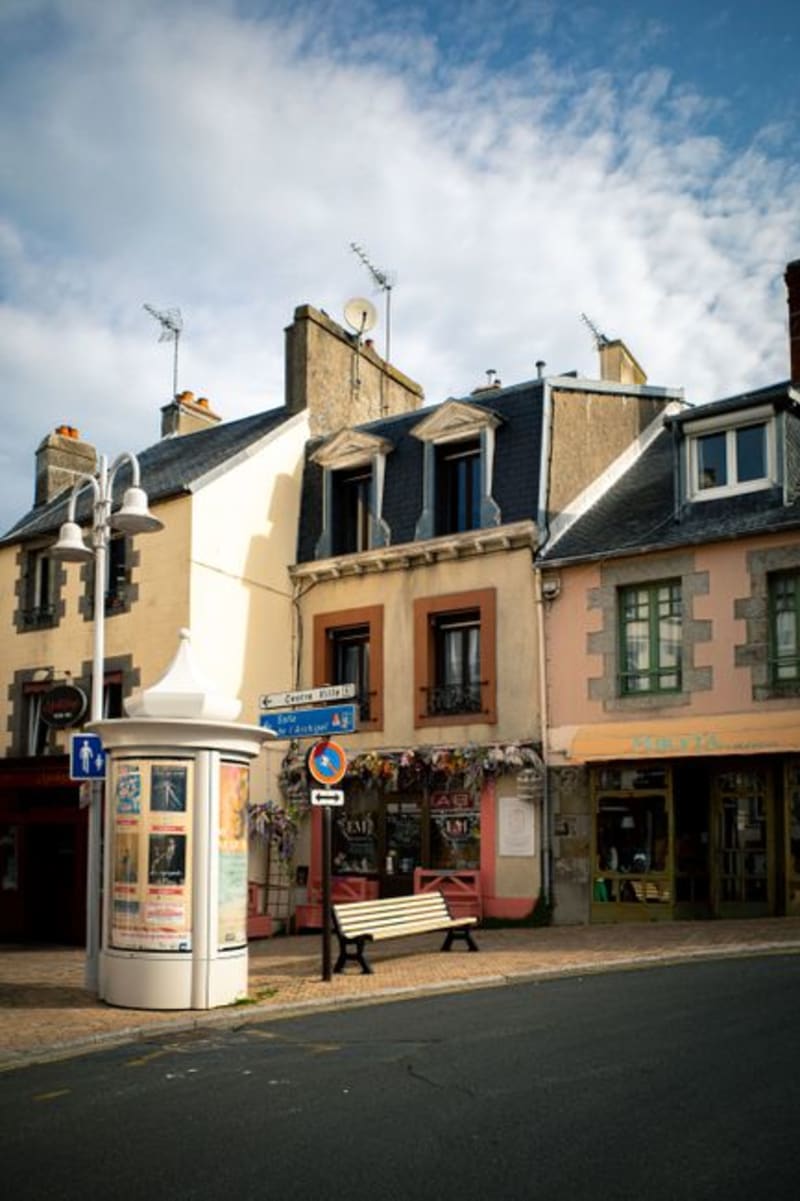 france
 Granville
A fortified granite town perched on its own cliff, where Christian Dior grew up looking at the sea before he ever designed a dress, and where the Chausey ferry still leaves every morning like clockwork.
Explore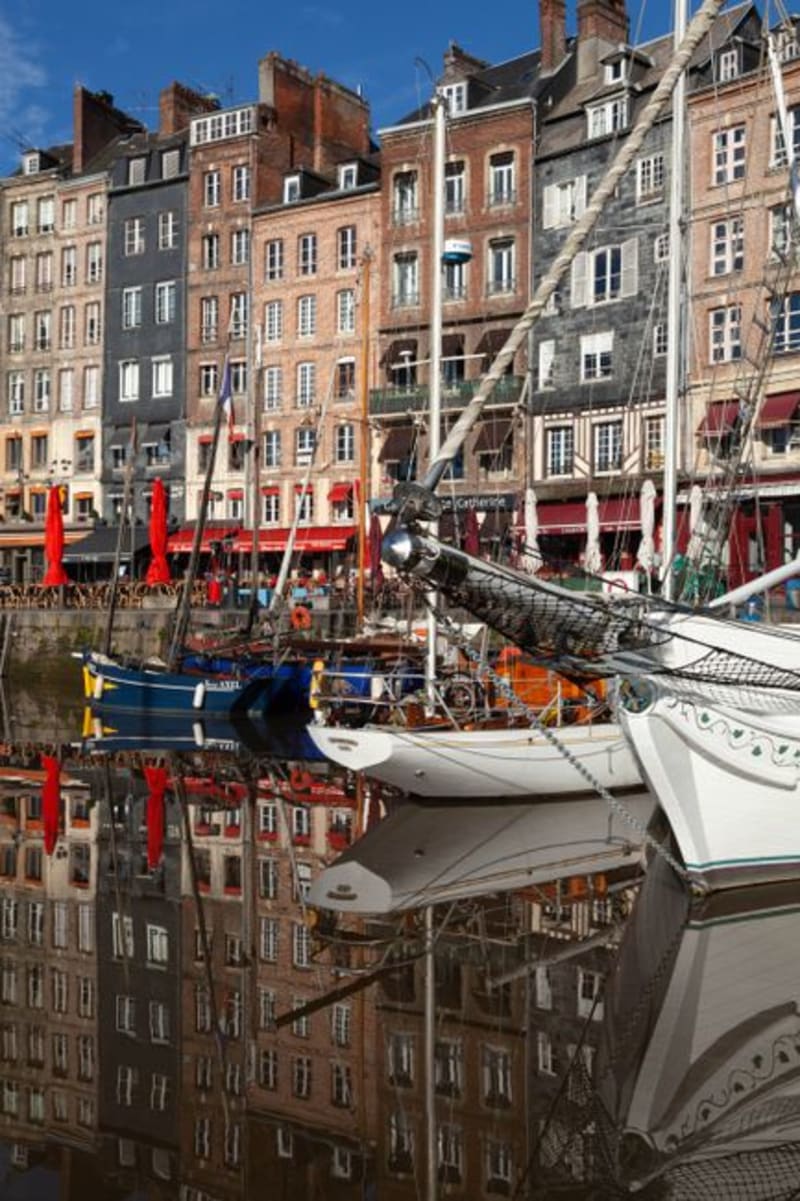 france
 Honfleur
A harbour town at the mouth of the Seine where tall, narrow houses crowd the old dock and every painter who ever visited seems to have painted the exact same view.
Explore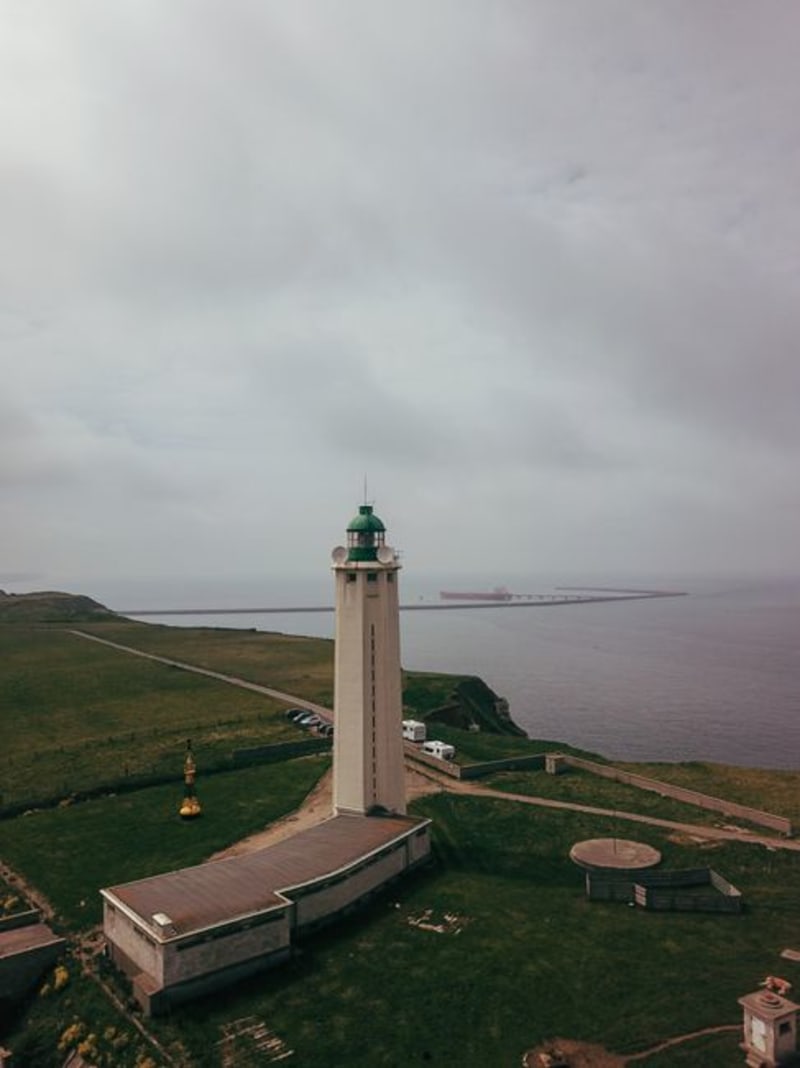 france
 Le Havre
The city Monet painted at sunrise and the Allies flattened in 1944, rebuilt in raw concrete by Auguste Perret into something Lia and I found ourselves oddly moved by, against every expectation.
Explore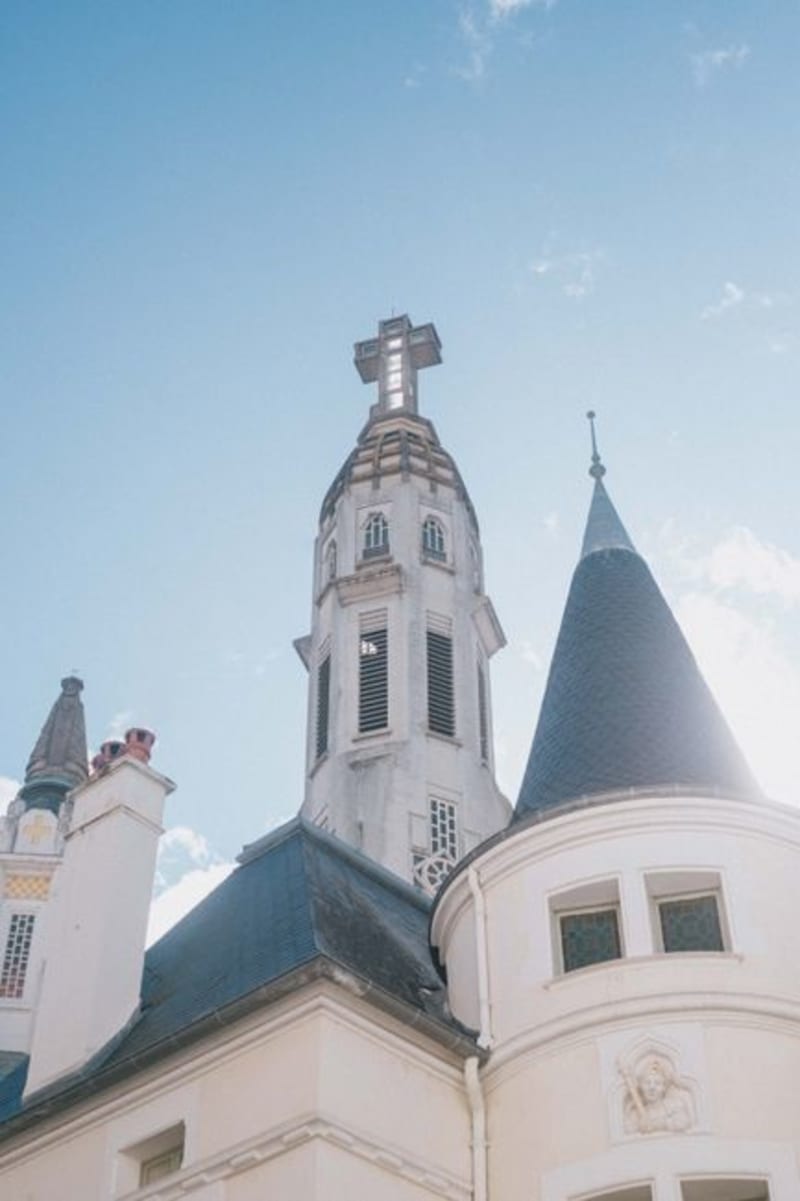 france
 Lisieux
A pilgrimage town built almost entirely around one young nun, sitting at the edge of cheese-and-cider country that made the drive there far more enjoyable than I expected.
Explore france
 Mont Saint-Michel
A tidal island abbey that rises from the Normandy sands like a mirage — medieval, magnetic, and wholly unlike anything else in Europe.
Explore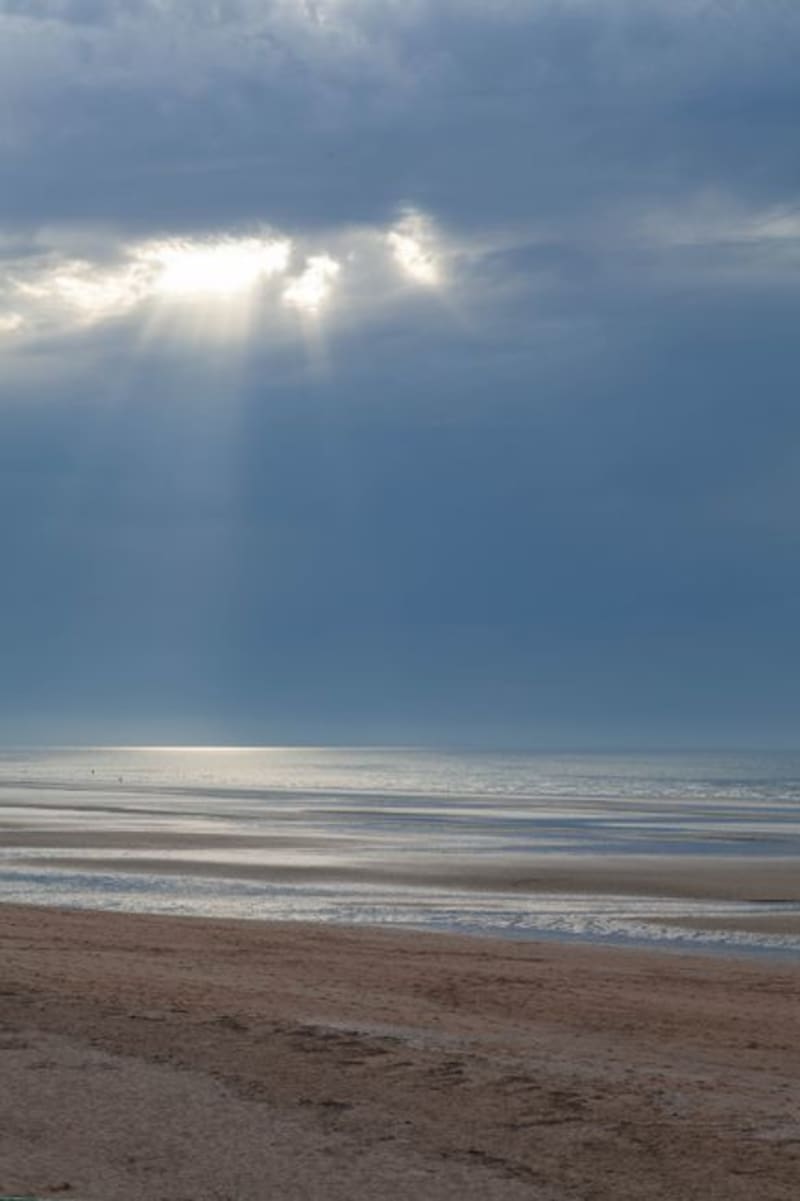 france
 Omaha Beach
A wide, quiet stretch of Normandy sand above a bluff of white crosses, where the ordinary beauty of the place sits uneasily and permanently next to what happened there in June 1944.
Explore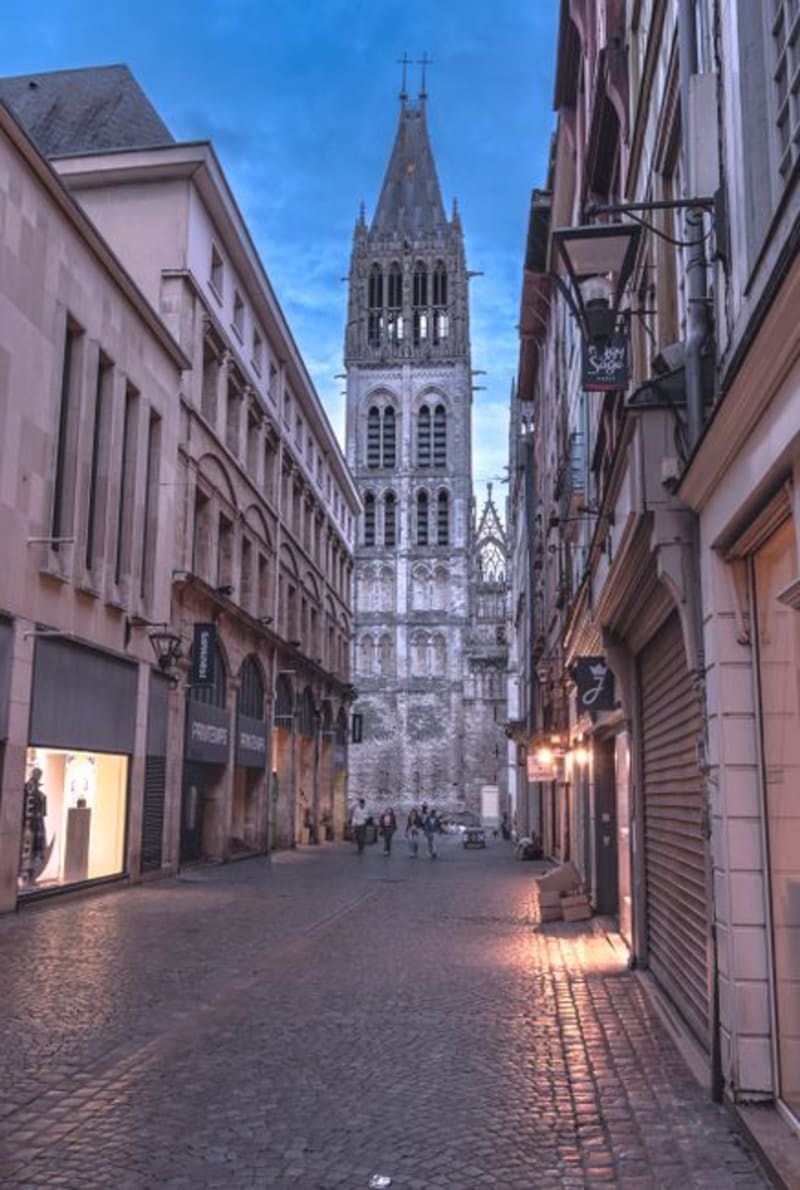 france
 Rouen
A Seine-side city of half-timbered streets and a cathedral spire that was, for a few years, the tallest building in the world, all built over the spot where Joan of Arc was burned.
Explore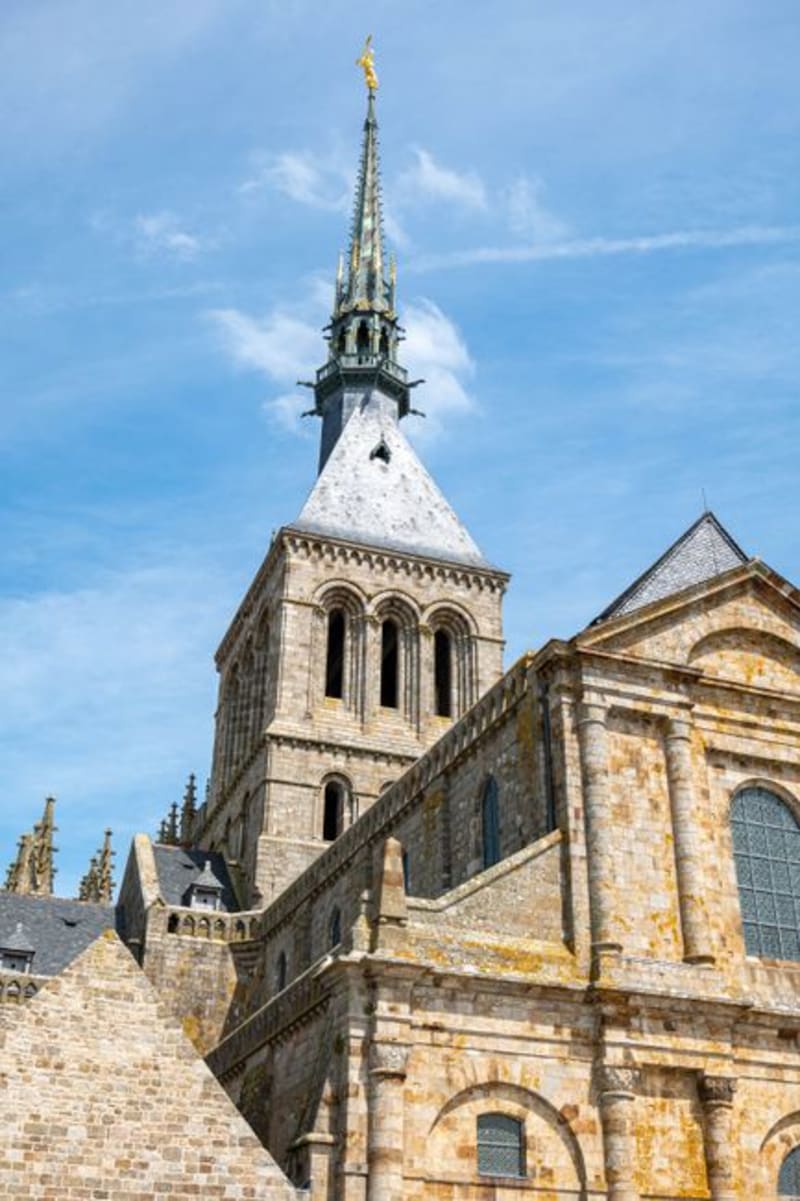 france
 Saint-Lô
The town they called the Capital of the Ruins after 1944, rebuilt almost entirely from scratch, and now home to one of the most respected stud farms in France.
Explore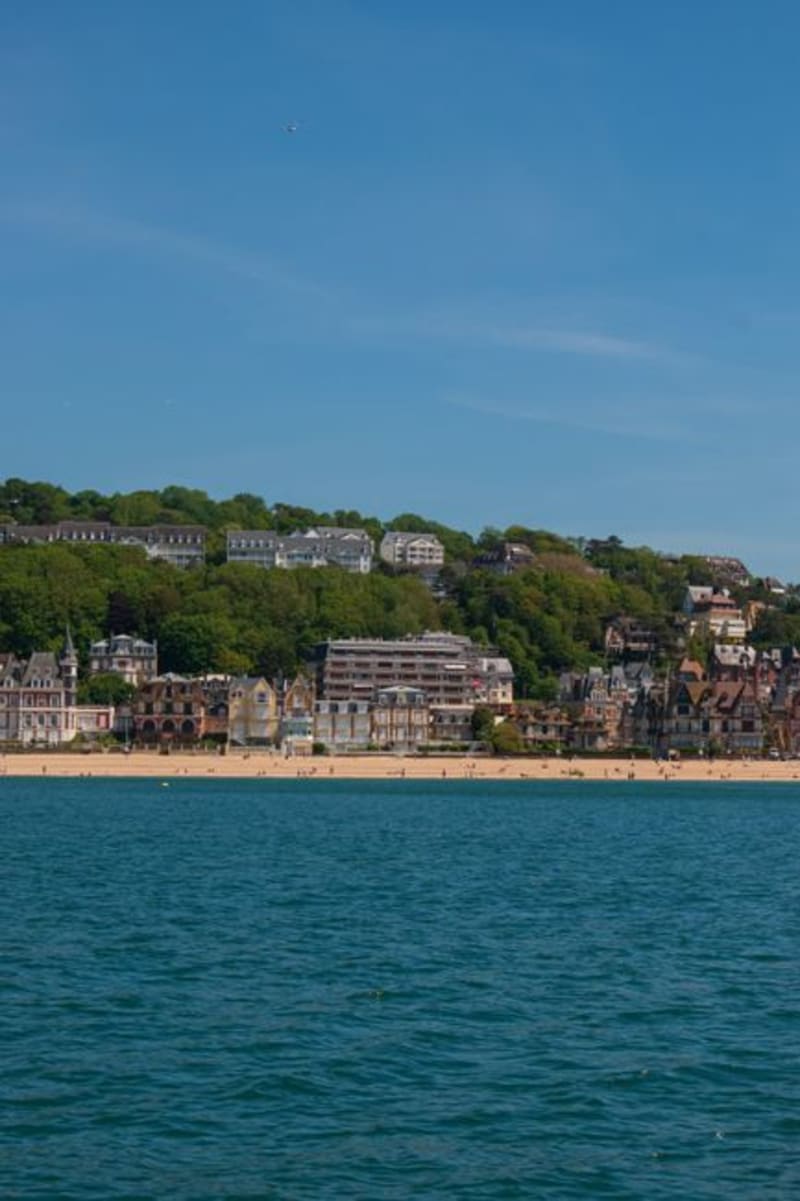 france
 Trouville-sur-Mer
Deauville's older, scruffier twin across the river, where the fish market is louder than the boutiques and I actually felt comfortable in my beach clothes.
Explore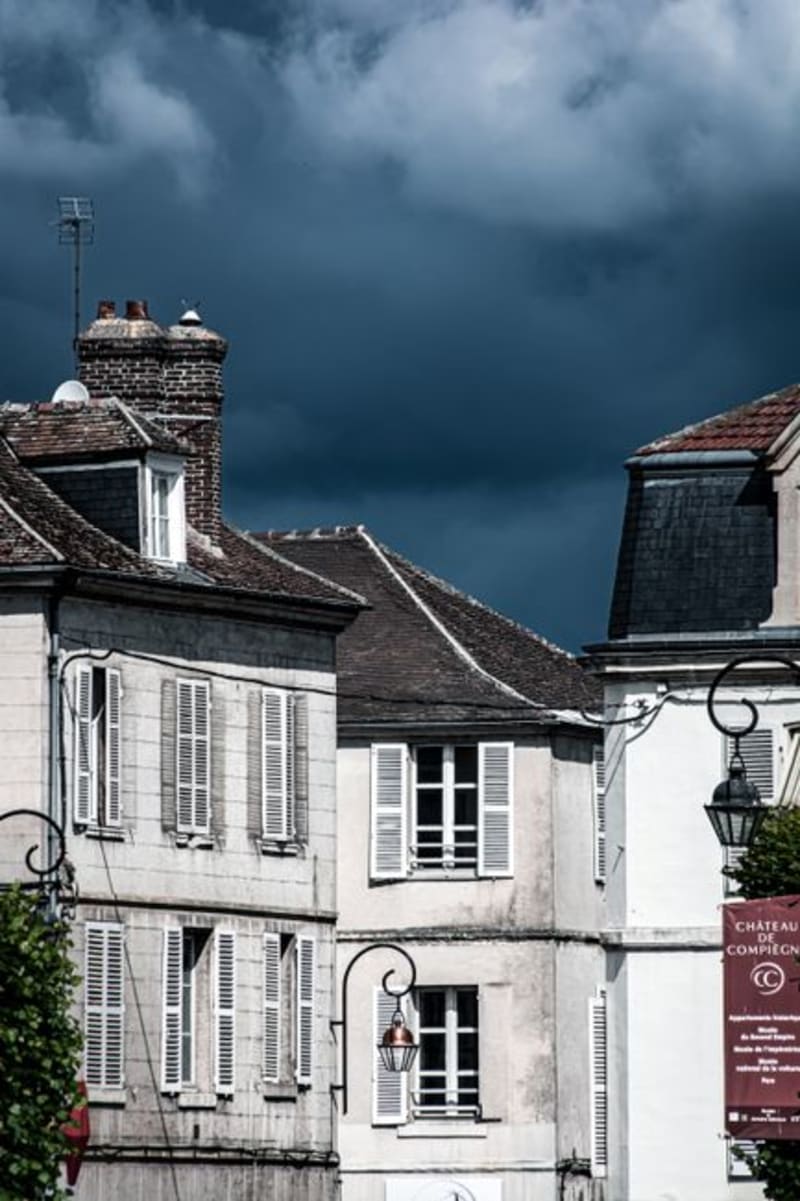 france
 Vernon
The unglamorous riverside town everyone drives through on the way to Giverny, where a ruined medieval bridge and a half-timbered old quarter made me wish we'd stopped on purpose instead.
Explore