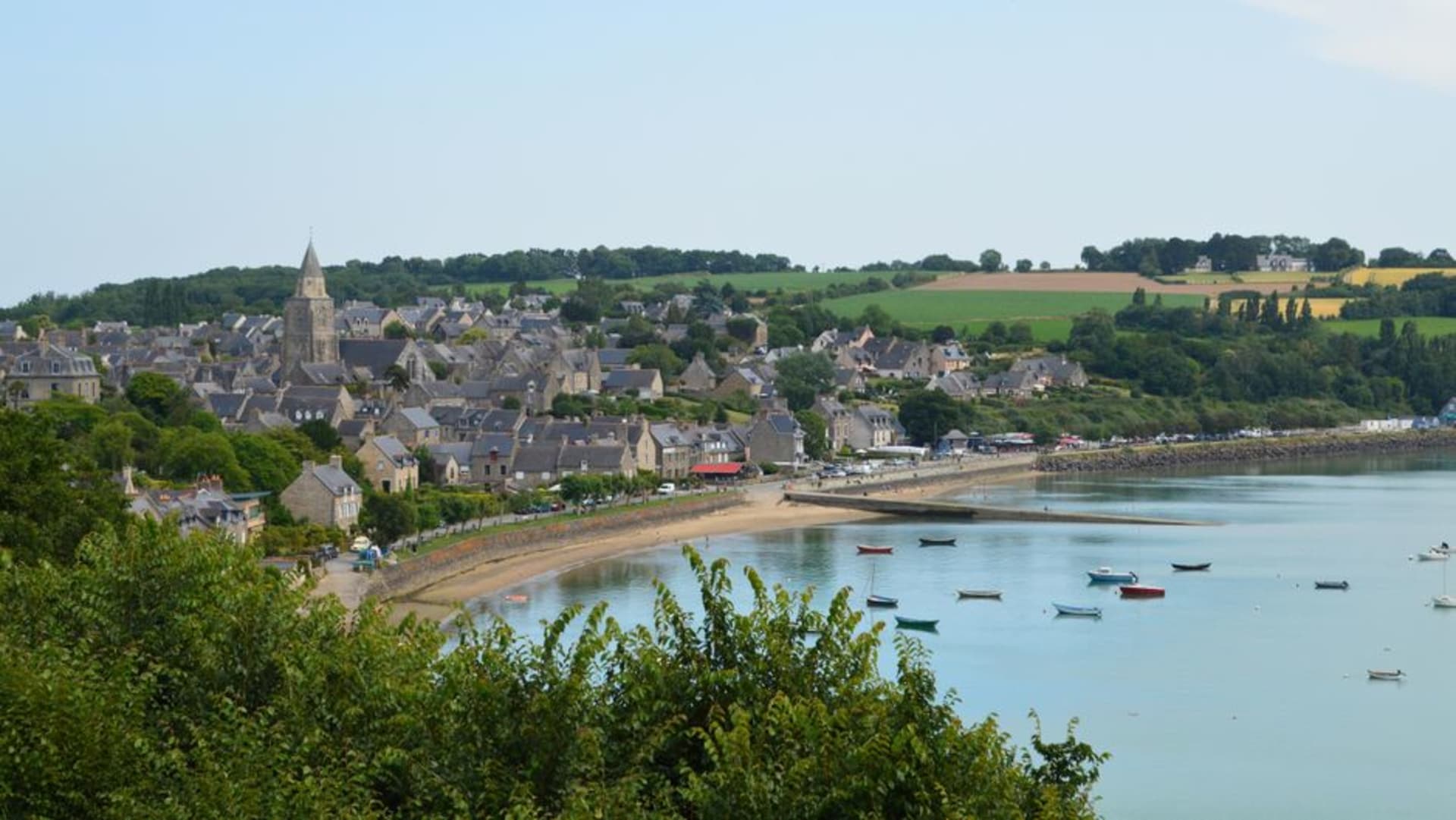
Saint-Lô
"They kept one broken tower standing on purpose, so nobody would forget what happened here."
The town they called the Capital of the Ruins after 1944, rebuilt almost entirely from scratch, and now home to one of the most respected stud farms in France.
Nobody warned me about Saint-Lô before we drove in, and I think that was the right way to see it. We were headed toward the Cotentin and stopped for lunch, and it took walking around the cathedral for maybe five minutes before I understood that this whole town had essentially been rebuilt from a pile of rubble within living memory, and that the rebuilding itself was the story.
The town rebuilt on purpose to remember why
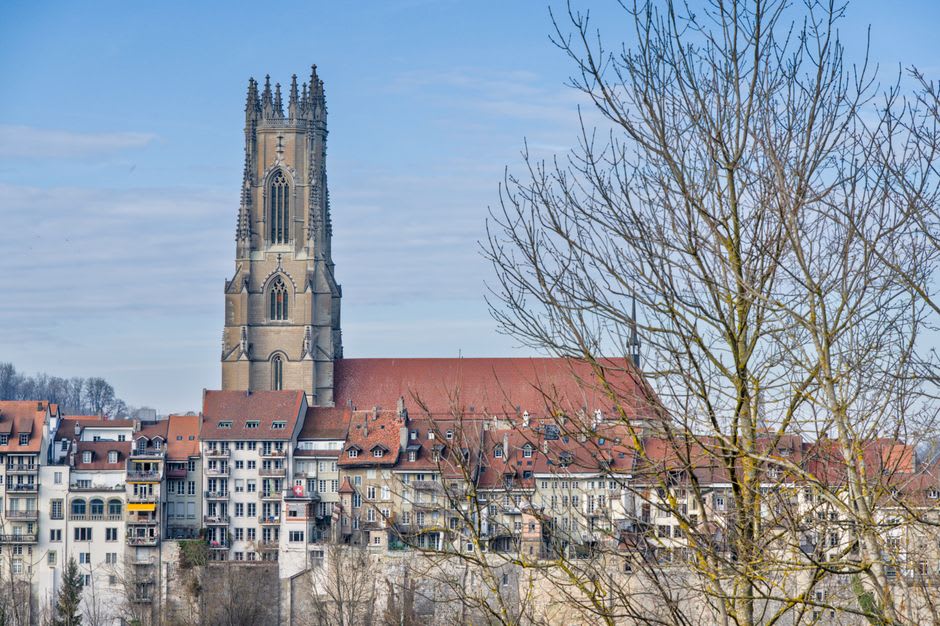
Saint-Lô sat directly in the path of the Battle of Normandy in the summer of 1944, and Allied bombing meant to cut off German reinforcement reduced something like 95 percent of the town to rubble before the fighting was even over — the writer Samuel Beckett, who worked for the Irish Red Cross here after the war, is the one credited with calling it the “Capital of the Ruins,” a name that stuck. Rather than erase the damage entirely, the postwar reconstruction of Notre-Dame cathedral left one bombed, jagged medieval tower standing unrepaired beside the newly rebuilt nave, a deliberate scar kept visible on purpose. Walking around to see both halves together — one intact and modern, one still broken mid-collapse — is a stranger, more honest kind of memorial than most war museums manage.
A stud farm that outlasted the bombs
What I didn’t expect was how much of Saint-Lô’s identity now runs through horses rather than history. The Haras National du Pin’s sister institution, the Haras de Saint-Lô, was founded under Napoleon in 1806 and has bred and stood stallions here for over two centuries, becoming one of the most important national studs in France for both riding horses and the Norman Cob, a sturdy regional breed still used for driving and light draft work. The stud’s grand stone stable blocks were themselves damaged in 1944 and rebuilt alongside the rest of the town, and public visits let you walk through the courtyards and stables and watch the horses out on the grounds — a quiet, orderly counterpoint to the town’s much louder wartime history, and one most visitors passing through on the way to the D-Day beaches never think to stop for.
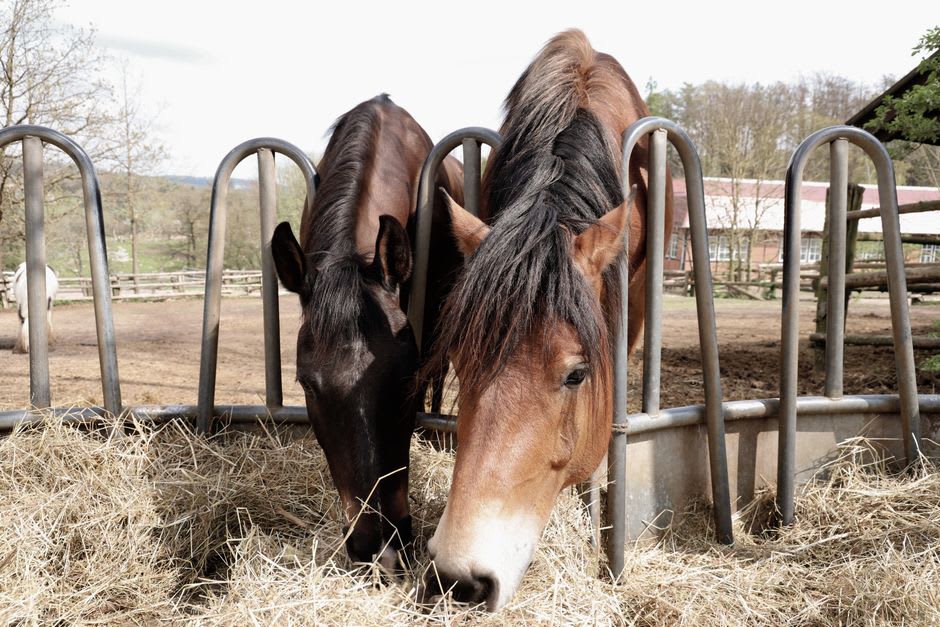
When to go: Visit in spring or early summer when the stud farm’s paddocks are busiest and open days let you see the horses up close.
Keep exploring
More of Normandy