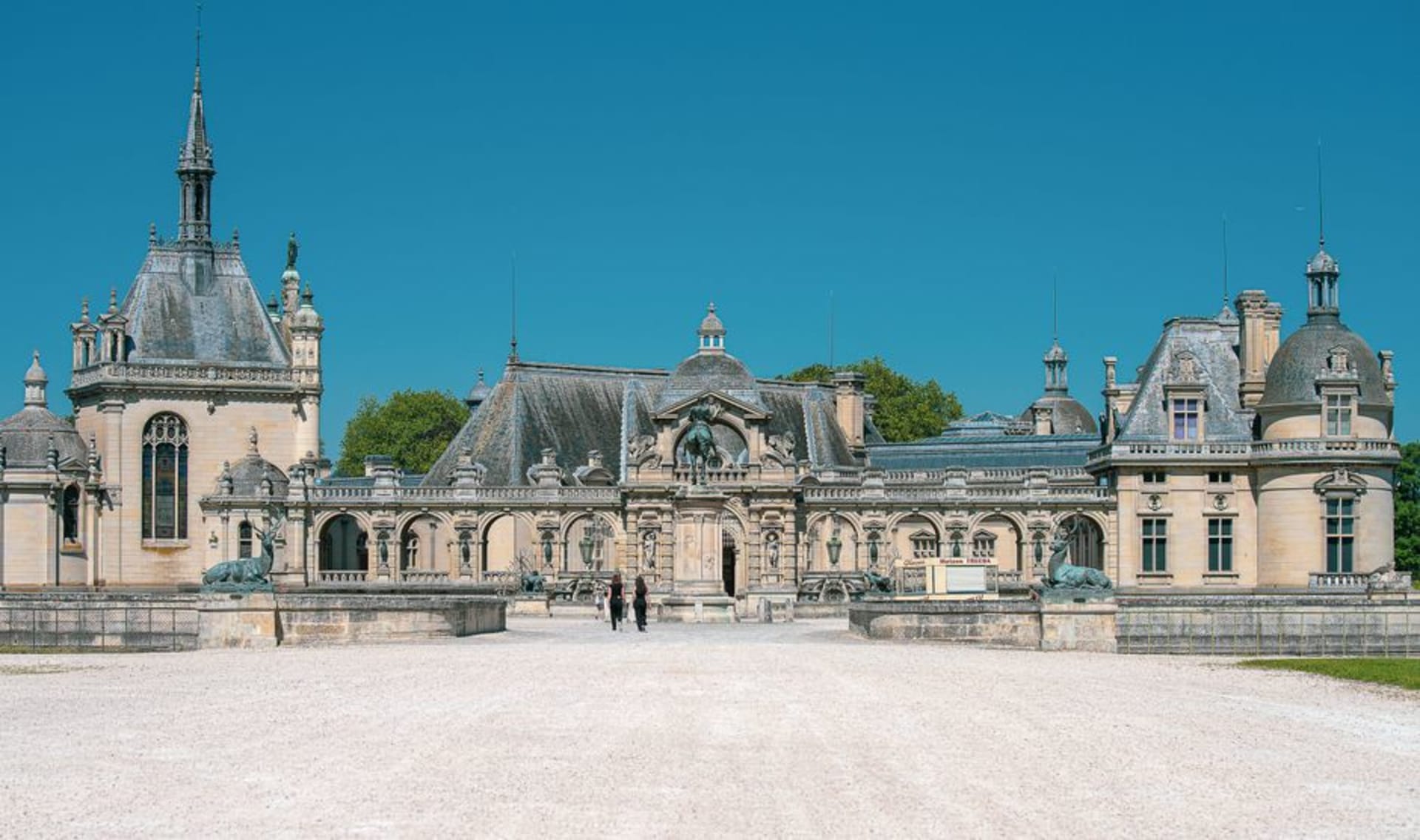
A pilgrimage town built almost entirely around one young nun, sitting at the edge of cheese-and-cider country that made the drive there far more enjoyable than I expected.
I’ll admit Lisieux wasn’t on our list for religious reasons. We were driving the Route du Cidre through the Pays d’Auge, stopping at every farm with a tasting sign out front, and Lisieux happened to be the town at the end of the road where we needed a proper meal and a bed. What I hadn’t accounted for was the basilica, which is impossible to miss and, once you’re standing under its dome, hard to be entirely unmoved by, whatever you believe.
The town that grew around Saint Thérèse
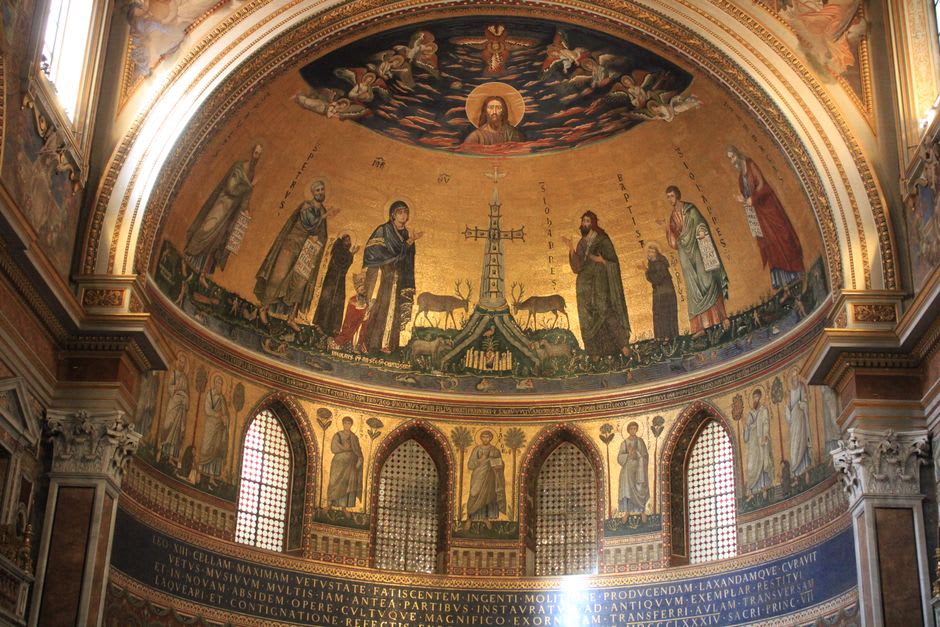
Lisieux is inseparable from Thérèse Martin, a local girl who entered the Carmelite convent here at fifteen, died of tuberculosis at twenty-four in 1897, and became, through a slim memoir of her “Little Way” of spiritual devotion published after her death, one of the most popular saints in the modern Catholic Church — canonized in 1925 and later named a Doctor of the Church, one of only a handful of women given that title. The Basilica of Saint Thérèse, built between the world wars, is enormous for a town this size, its interior covered floor to ceiling in mosaics depicting scenes from her short life, and it draws pilgrims from across the world even now, in numbers that felt genuinely surprising for a town otherwise built around dairy farms and half-timbered houses. We walked through during a weekday afternoon and found ourselves the only visitors not clearly there on pilgrimage, which made the quiet devotion in the room land harder than I expected.
The gateway to cider and cheese country
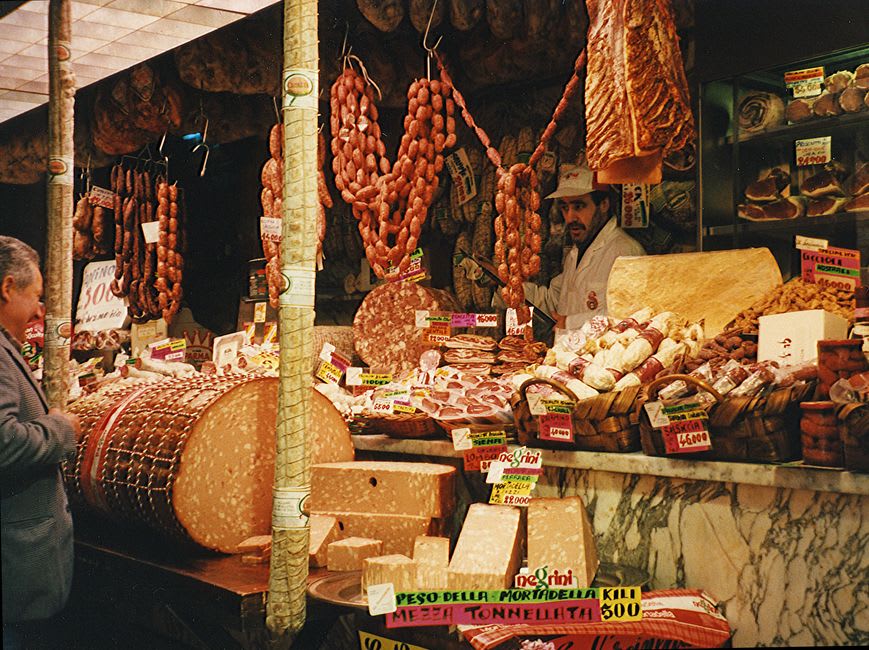
Set that aside, though, and Lisieux earns its keep as the practical hub for the Pays d’Auge, the rolling, hedgerow-lined dairy country that produces Livarot, Pont-l’Évêque, and a good share of Camembert, alongside the region’s cider and calvados. The old town itself is modest — much of it, like so much of Normandy, was rebuilt after 1944 — but the Saturday market fills the center with producers from the surrounding farms, wheels of pungent washed-rind cheese, jars of local honey, and bottles of cider from villages we’d never find again if we tried. We ate a lunch of Pont-l’Évêque so ripe it left the whole car smelling of it for two days afterward, which Lia still brings up whenever cheese comes up in conversation.
When to go: Come on a Saturday for the market, and pair the visit with a slow drive along the signposted Route du Cidre through the surrounding Pays d’Auge villages.
Keep exploring
More of Normandy