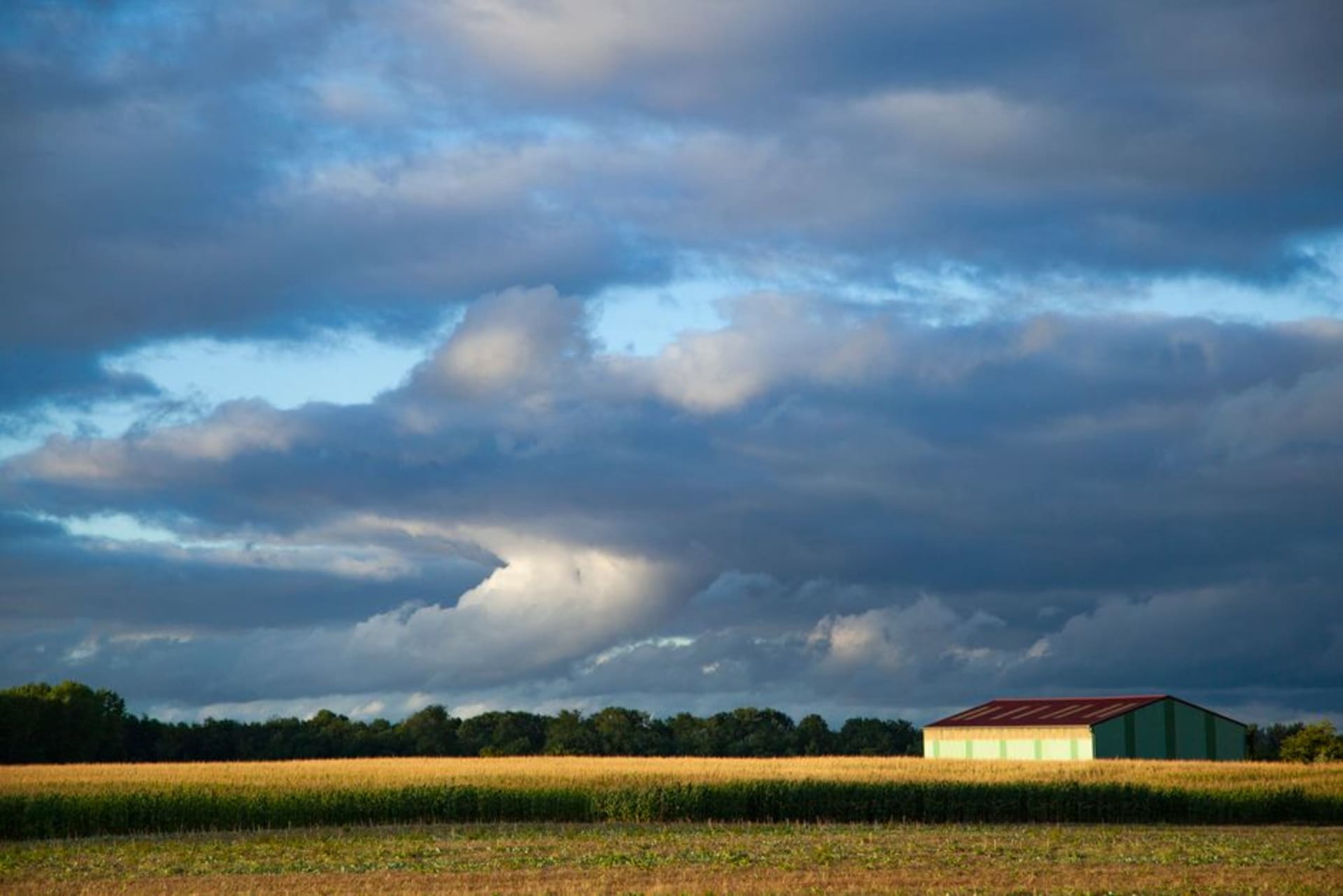
Flavigny-sur-Ozerain
"Every doorway in this village looked familiar, and it took me an embarrassingly long time to place why."
A walled hilltop village that's been making the same aniseed sweet in the same abbey for over a thousand years, and where I kept recognising doorways from a film before I remembered why.

Flavigny-sur-Ozerain sits on a rocky spur above the Ozerain valley, walled and gated almost entirely as it was in the Middle Ages, with a population small enough that the whole place feels less like a village and more like a single, very old building complex you’re allowed to walk through. I went initially for the anise, and left thinking mostly about doorways.
Anis de Flavigny, made where the monks made it
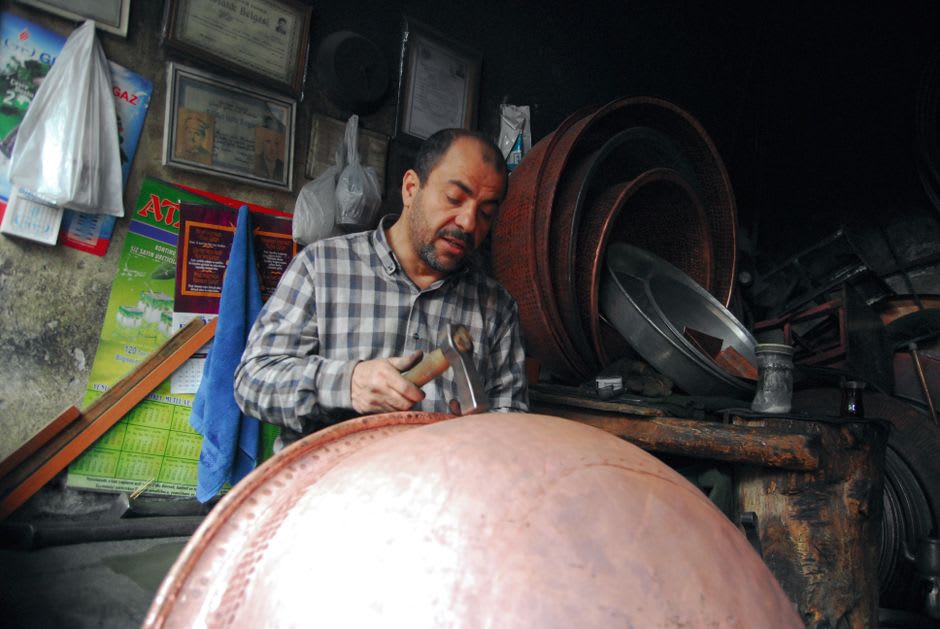
The reason most people have actually heard of Flavigny, even without knowing the name, is the little oval tin of Anis de Flavigny, the aniseed sweets that have been produced here — first by Benedictine monks, later by the family business that took over the abbey buildings — since at least the 9th century, making it one of the oldest confectioneries still operating anywhere in France. The production still happens inside the old Abbaye Saint-Pierre, and you can tour the workshop and watch small aniseed cores being rolled in sugar syrup in enormous copper basins, a process that takes fifteen days per batch because each layer has to dry before the next is added. I bought more tins than I needed, gave most away, and kept one in the car for months afterward, mostly out of guilt at how good they were.
The village Chocolat borrowed for a season
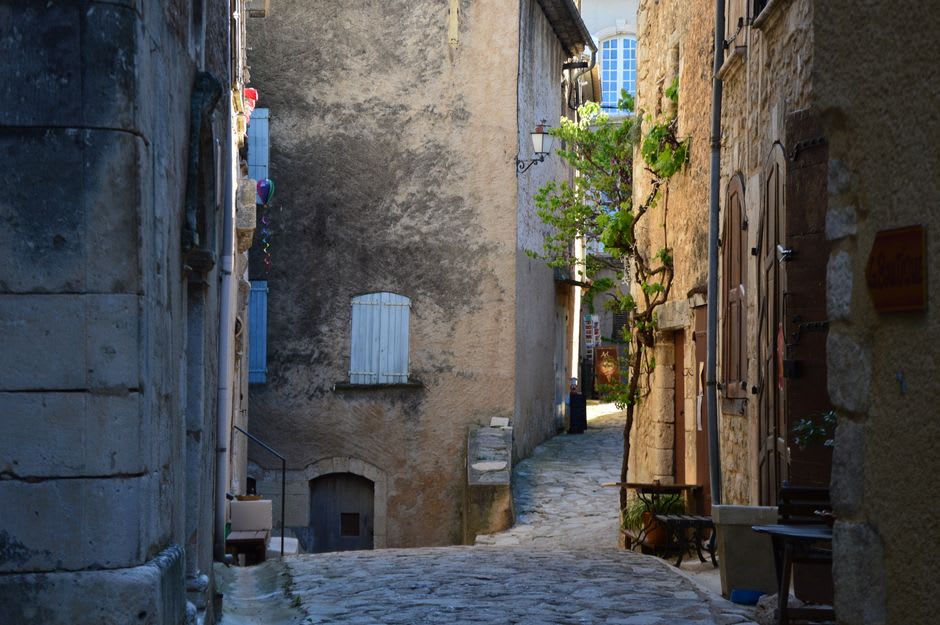
It wasn’t until I was halfway down the main street, past the Romanesque doorway of the old collegiate church, that I placed why the whole village felt so specifically familiar: Flavigny was used as the primary filming location for the 2000 film Chocolat, its cobbled streets and stone facades standing in for the fictional village where Juliette Binoche’s character opens her chocolaterie. Very little was changed for the shoot, which is part of why it still reads exactly as it did on screen — the same crooked lanes, the same weathered stone, none of the touristy overlay you sometimes get in “famous film location” villages. Lia, who’d seen the film years before we met, spent the walk quietly pointing at corners and murmuring “that’s the one” to herself.
When to go: Spring through autumn works well, though the village is quiet and worth visiting almost any time of year since it’s never truly crowded. Check the abbey’s tour schedule ahead if the anise workshop is the main draw — it isn’t open continuously through the day.
Keep exploring
More of Burgundy
Keep exploring
More from Burgundy
 france
 Semur-en-Auxois
A fortress town wrapped around a granite outcrop, where the river does a full loop just to avoid leaving, and where I finally understood what people mean by 'defensible terrain.'
Explore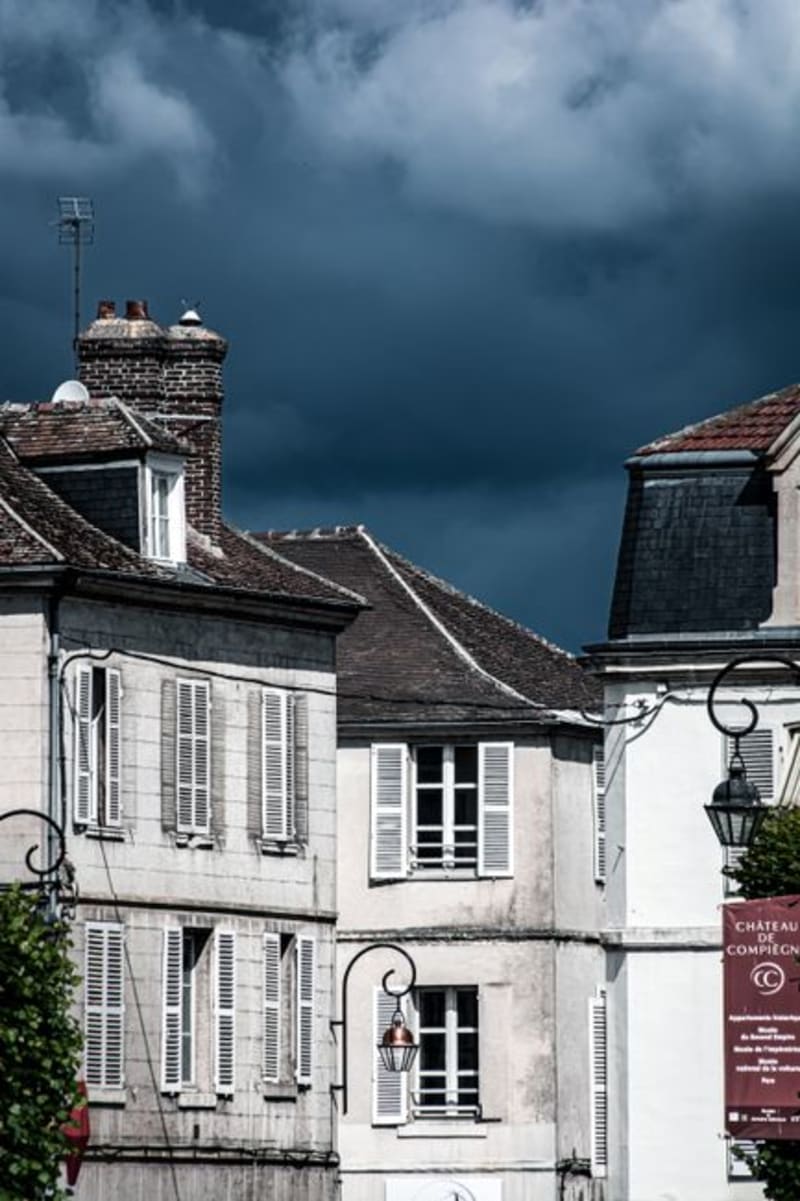 france
 Montbard
A workaday canal town that happened to produce the naturalist Buffon and sits a short drive from one of the best-preserved Cistercian abbeys in Europe, which between the two of them made it a far better stop than its plain train-station approach suggested.
Explore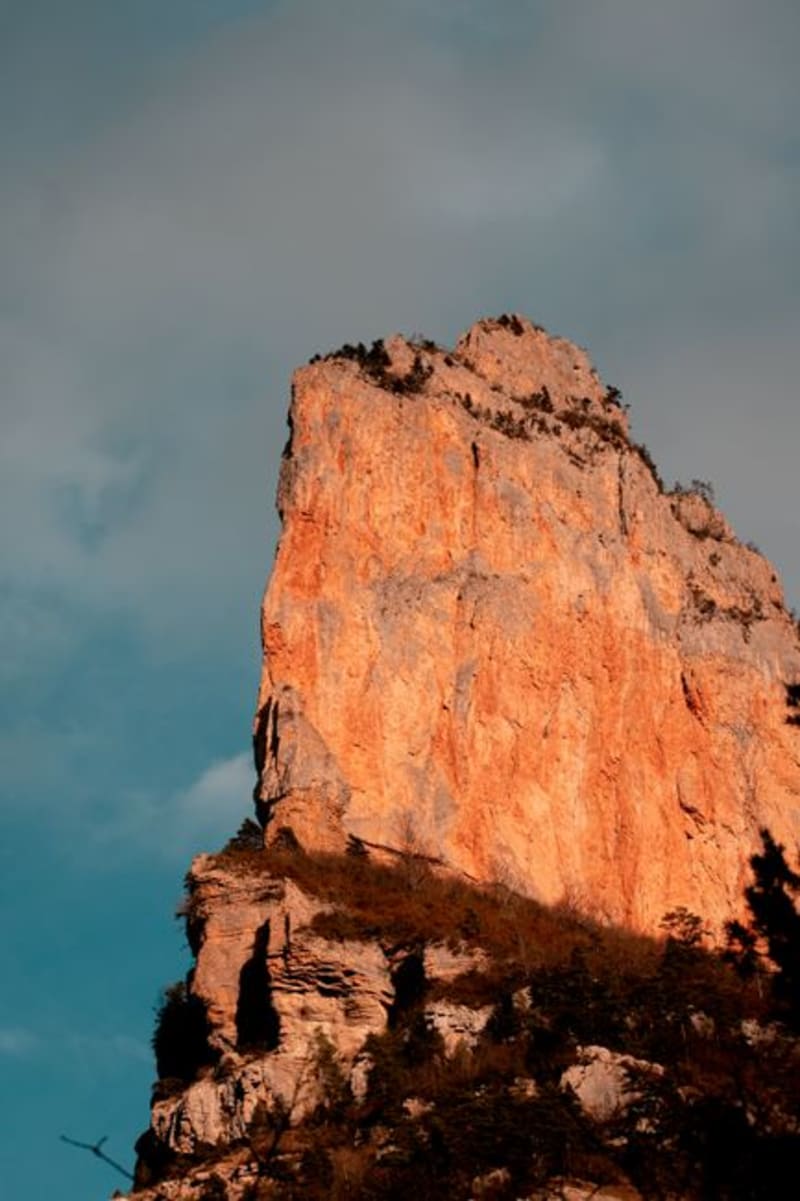 france
 Châtillon-sur-Seine
The town nearest where the Seine actually begins, home to a 2,500-year-old bronze vessel taller than I am, dug out of a burial mound by farmers who had no idea what they'd found.
Explore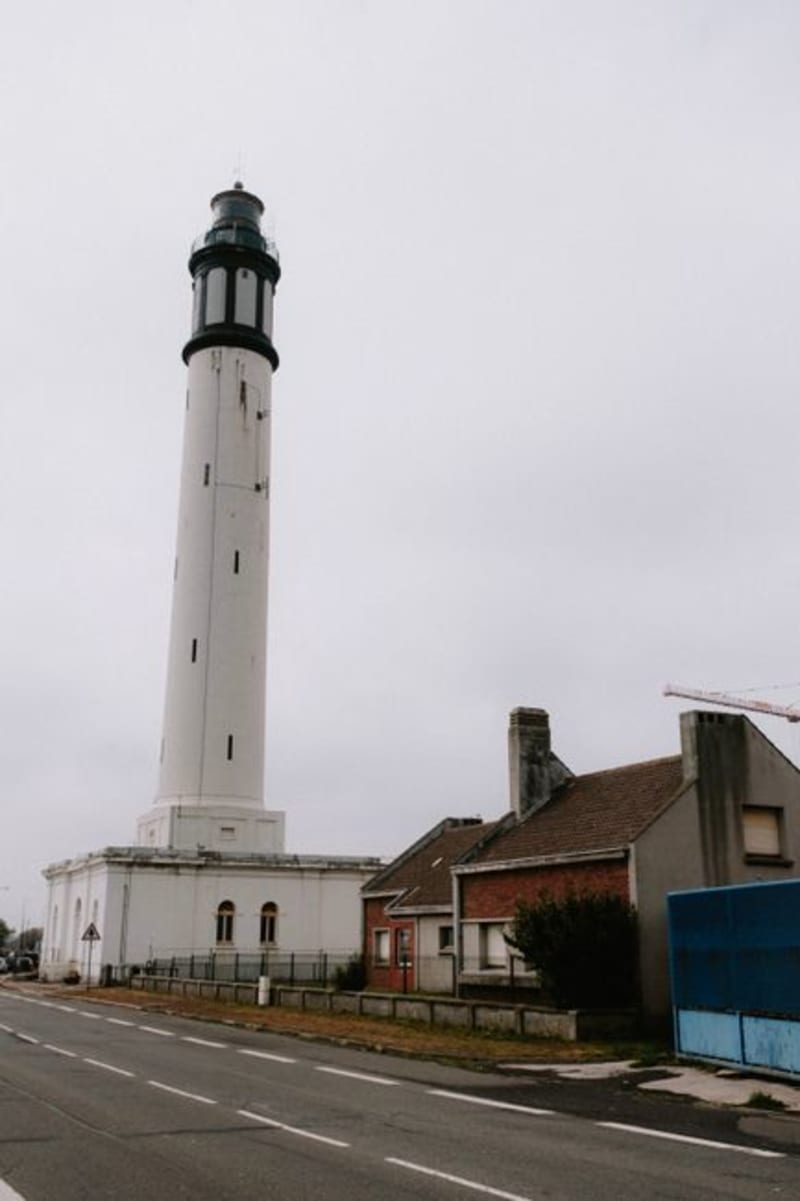 france
 Saulieu
A small town on the old Paris-Lyon road that's been feeding travelers seriously well for over three centuries, sitting right at the edge of the Morvan, where a basilica full of carved capitals surprised us more than the famous restaurant did.
Explore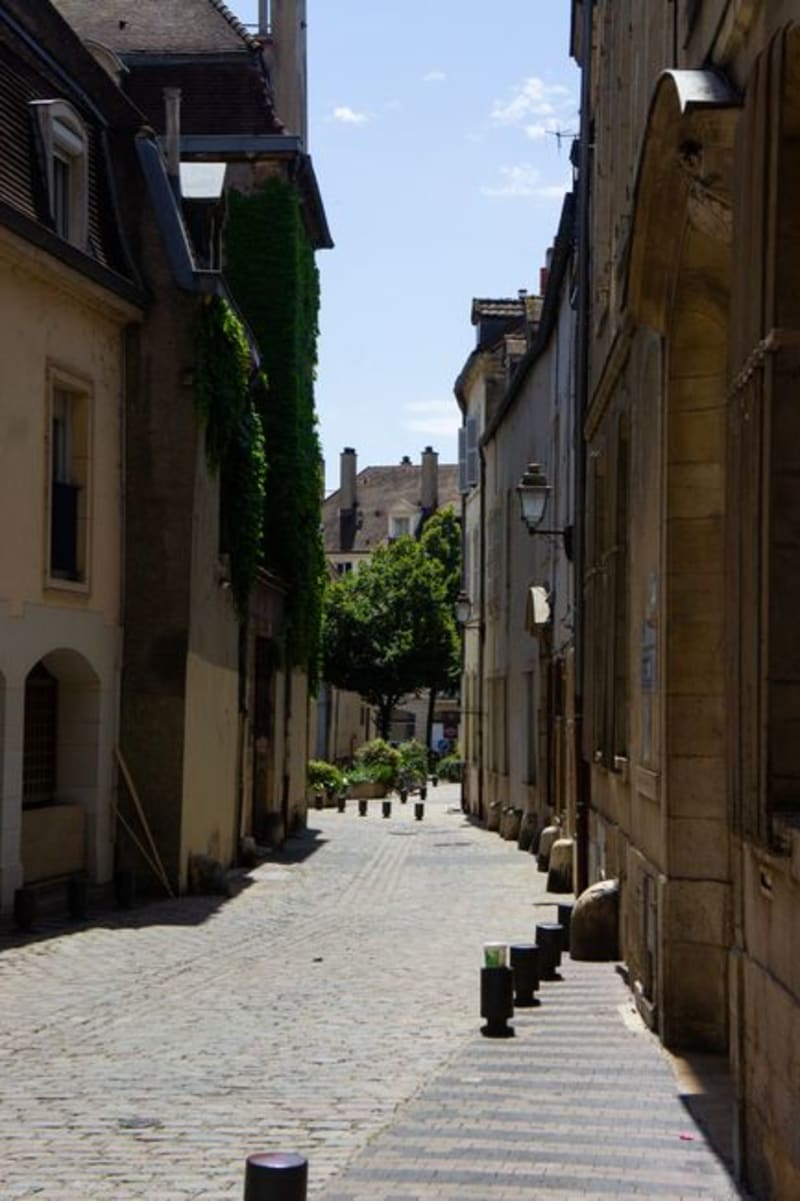 france
 Dijon
The old ducal capital of Burgundy, better known abroad for mustard than for the Renaissance dukes' palace at its centre, and one of the best-value food cities I've eaten my way through in France.
Explore france
 Nuits-Saint-Georges
The town that gives the Côte de Nuits its name, where I learned that ordering wine by village here is basically ordering it by hillside, and got mildly scolded for saying so at the wrong table.
Explore