
Montbard
"We stopped in Montbard for the abbey down the road and left having learned more about an 18th-century naturalist than either of us expected to want to know."
A workaday canal town that happened to produce the naturalist Buffon and sits a short drive from one of the best-preserved Cistercian abbeys in Europe, which between the two of them made it a far better stop than its plain train-station approach suggested.

Montbard doesn’t try to sell itself the way Beaune or Dijon do, and honestly the approach from the train station, past light industry and the unglamorous stretch of the Burgundy Canal that runs through town, doesn’t do it any favors. We came for one reason — the abbey a few kilometres outside town — and stayed a full day longer than planned once we realized Montbard itself had its own quietly interesting story to tell.
Buffon’s town
Georges-Louis Leclerc, Comte de Buffon, one of the most important naturalists of the eighteenth century and the author of the vast Histoire Naturelle, was born and largely worked in Montbard, and the town has preserved the park and tower where he did much of his research and writing. The Parc Buffon, laid out around the surviving medieval Tour de l’Aubespin and the round Tour Saint-Louis, gives a strange, pleasant sense of walking through the actual grounds where a man catalogued the natural world before Darwin, before evolution as a concept existed, working from observation and correspondence rather than any of the tools we’d take for granted now. Lia, who studied biology before switching to photography, found the small Buffon museum more absorbing than either of us expected, reading display cases about eighteenth-century taxonomy debates for far longer than I did.

The abbey that justified the whole trip
The Abbaye de Fontenay, a few kilometres from Montbard, is one of the oldest and best-preserved Cistercian abbeys in Europe, founded in 1118 by a companion of Saint Bernard and never significantly altered after it was converted into a paper mill in the nineteenth century, which paradoxically saved its bones from the kind of aggressive restoration that reshapes a lot of medieval sites. It’s a UNESCO World Heritage Site now, and walking through its stark dormitory, its cloister, and its unheated church, you get an unusually direct sense of the discipline and quiet the Cistercian order built into their architecture — no color, no ornament, just proportion and light doing all the work. We spent nearly three hours there and could have stayed longer, especially in the gardens, which still use the abbey’s original spring-fed water system.

When to go: Late spring, when the gardens at Fontenay are at their best and the canal towpaths around Montbard make for a good easy walk before or after the abbey visit.
Keep exploring
More of Burgundy
Keep exploring
More from Burgundy
 france
 Semur-en-Auxois
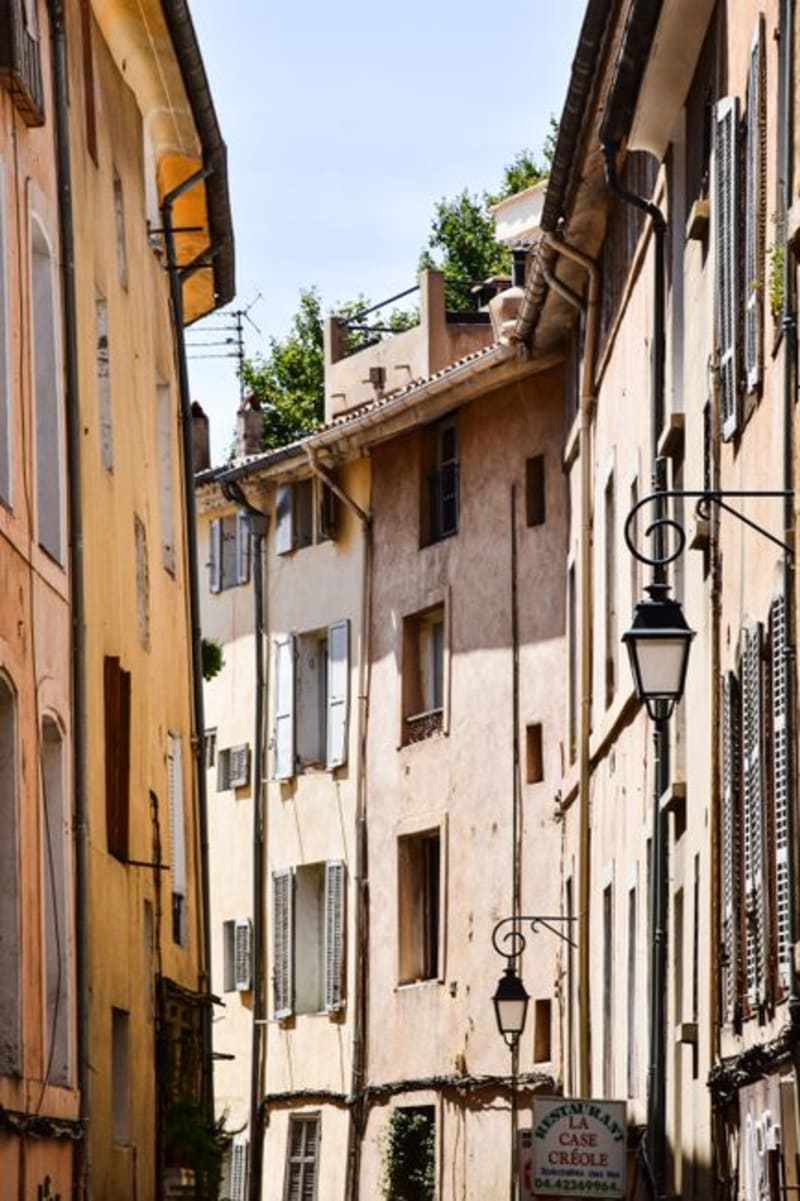
A fortress town wrapped around a granite outcrop, where the river does a full loop just to avoid leaving, and where I finally understood what people mean by 'defensible terrain.'
Explore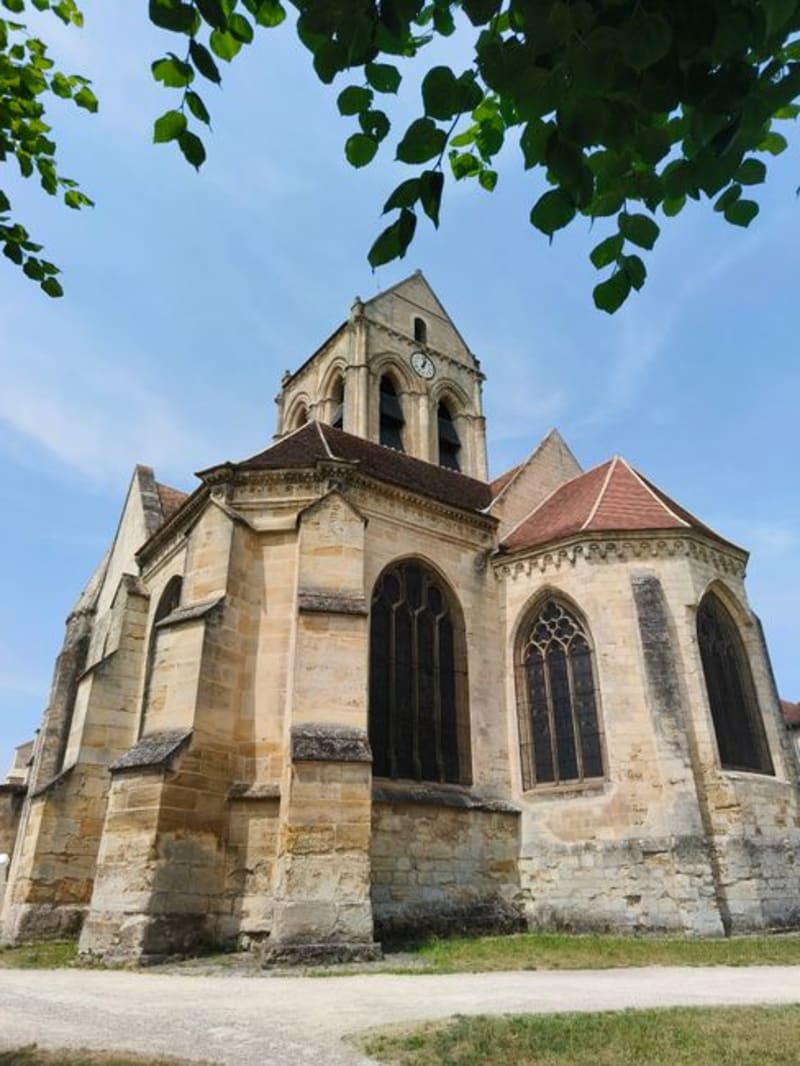 france
 Flavigny-sur-Ozerain
A walled hilltop village that's been making the same aniseed sweet in the same abbey for over a thousand years, and where I kept recognising doorways from a film before I remembered why.
Explore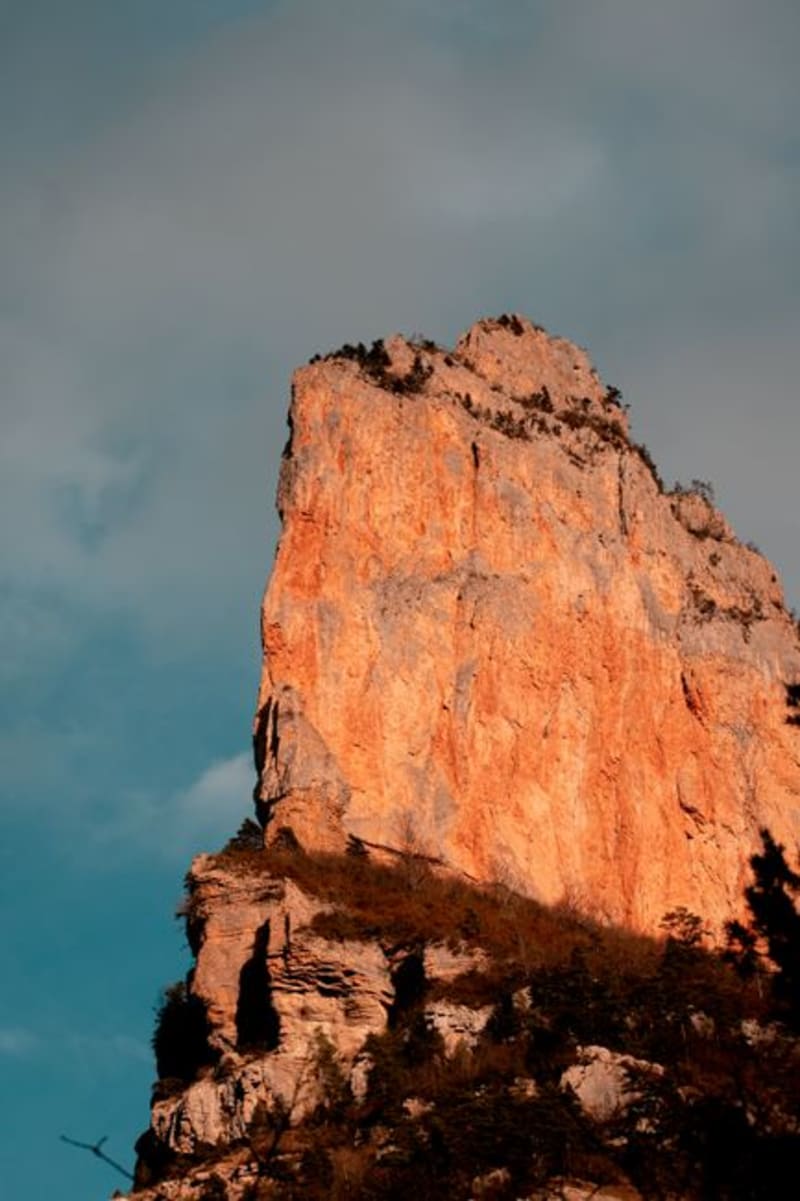 france
 Châtillon-sur-Seine
The town nearest where the Seine actually begins, home to a 2,500-year-old bronze vessel taller than I am, dug out of a burial mound by farmers who had no idea what they'd found.
Explore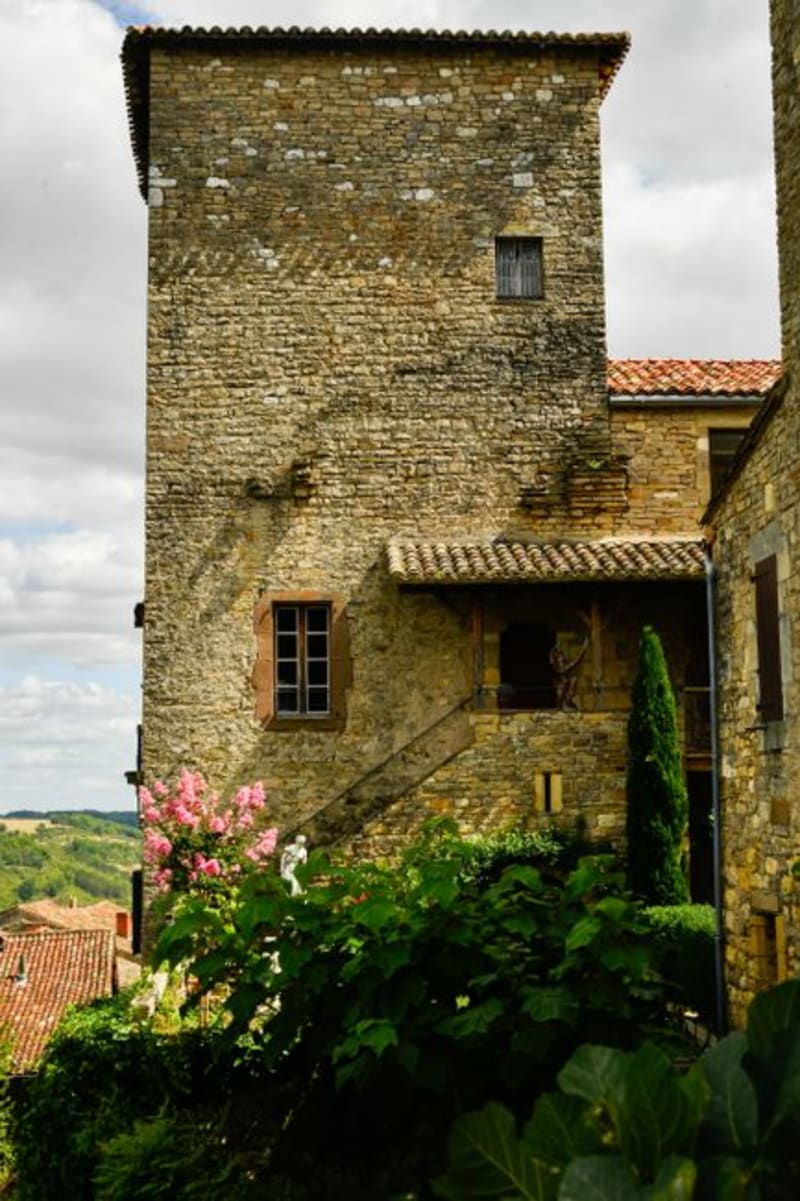 france
 Noyers-sur-Serein
A half-timbered village folded almost entirely inside a loop of the Serein river, official 'most beautiful village of France,' where I spent an hour just looking up at carved beams.
Explore france
 Saulieu
A small town on the old Paris-Lyon road that's been feeding travelers seriously well for over three centuries, sitting right at the edge of the Morvan, where a basilica full of carved capitals surprised us more than the famous restaurant did.
Explore france
 Tonnerre
A Yonne wine town with a spring so improbably blue it looks photoshopped, and a medieval hospital hall bigger than most cathedrals I've been in.
Explore