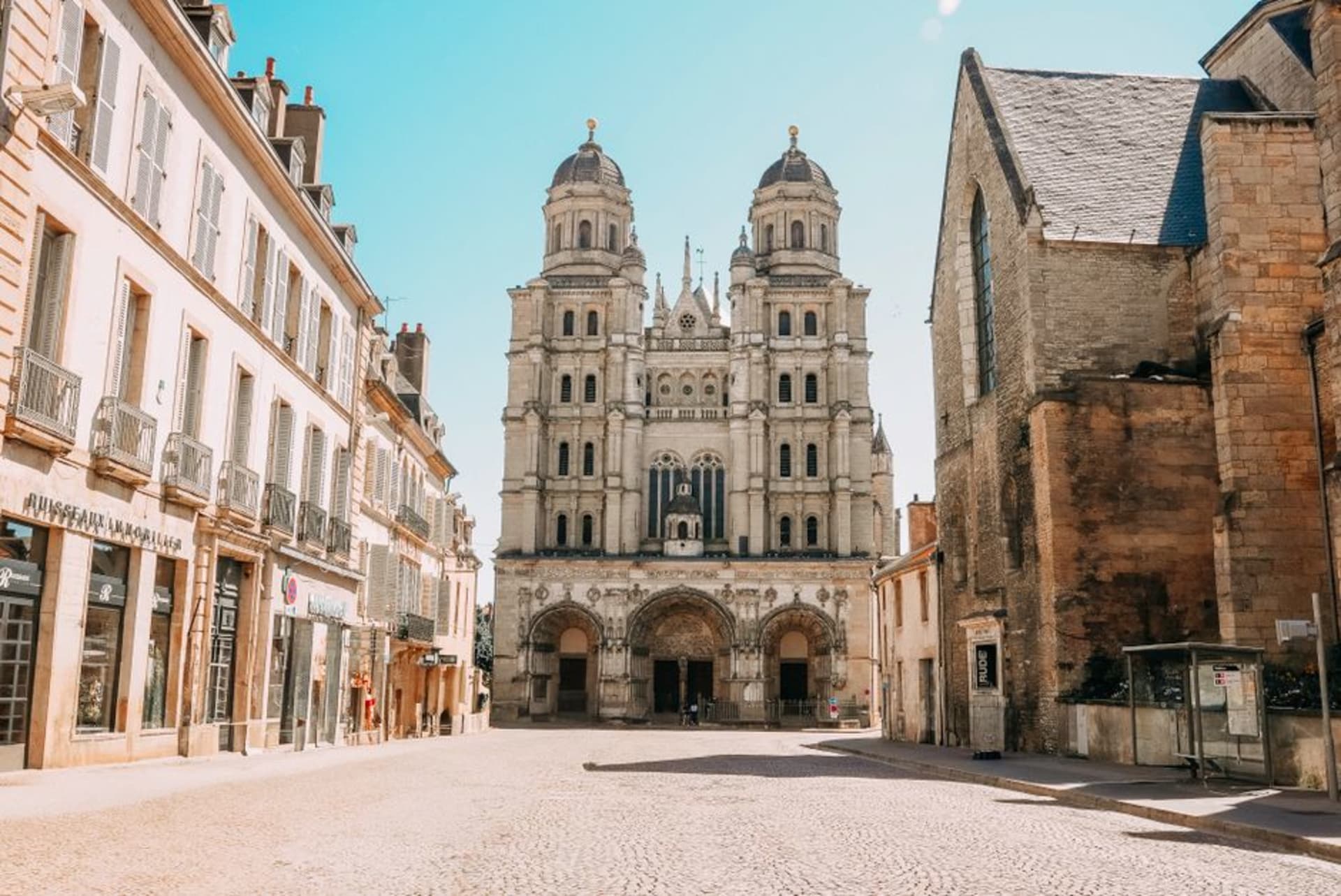
Dijon
"Everyone abroad thinks of Dijon as a jar of mustard. It's a duchy that briefly rivalled kings."
The old ducal capital of Burgundy, better known abroad for mustard than for the Renaissance dukes' palace at its centre, and one of the best-value food cities I've eaten my way through in France.

Say Dijon to most people outside France and you get the same word back: mustard. It took me being there for about an hour to realize how badly that undersells the place. From the fourteenth to the fifteenth century, the Dukes of Burgundy ruled a territory that stretched from here to the Netherlands, rivalling the kings of France in wealth and ambition, and Dijon’s old town — a dense, well-preserved core of Gothic and Renaissance buildings — still carries that weight of former importance in a way that surprised me.
A palace, a duchy, and thirty-six chimneys
The Palais des Ducs de Bourgogne sits at the heart of the old town, its Tour Philippe le Bon rising over the semicircular Place de la Libération, itself an elegant eighteenth-century remodel by the same architect who designed parts of Versailles. Inside, the Salle des Gardes holds the elaborate tomb sculptures of two of the dukes, carved in painstaking detail with rows of mourning figures around the base, a level of craftsmanship that made clear these were men who saw themselves as equals to royalty. We climbed the tower’s three hundred and some steps for a view over the old town’s roofscape, and our guide pointed out that Dijon’s Gothic mansions are famous for their elaborately patterned, multicoloured glazed tile roofs — a Burgundian signature you also see at Beaune’s Hôtel-Dieu, just on a domestic scale here rather than a hospital’s.
Eating our way down the Rue de la Chouette
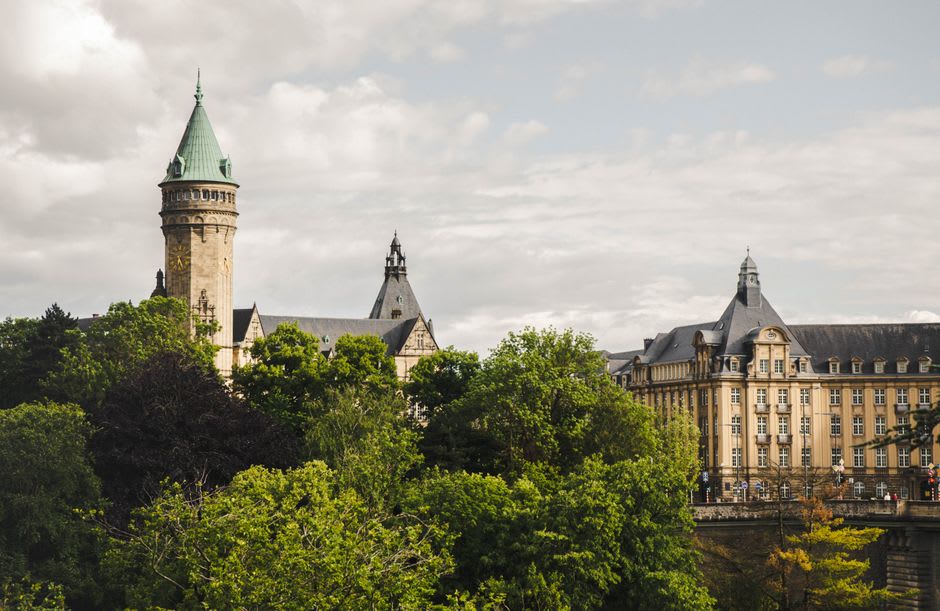
Dijon’s food scene turned out to be one of the better surprises of our whole Burgundy trip — not just mustard, though we did buy far more of it than we needed, but a genuinely excellent, unpretentious range of bouchons and wine bars around the covered market, Les Halles, a nineteenth-century iron-and-glass structure designed by an engineer from Gustave Eiffel’s studio. We followed the small owl carved into a corner of Notre-Dame church, the parcours de la chouette, a self-guided trail of about twenty historic sites that locals rub for luck on their way past, and it gave our wandering a loose structure without ever feeling like a checklist. Dinner both nights was coq au vin and escargots at a small place near the market that a stallholder recommended, and both times cost noticeably less than the same quality would have in Paris.
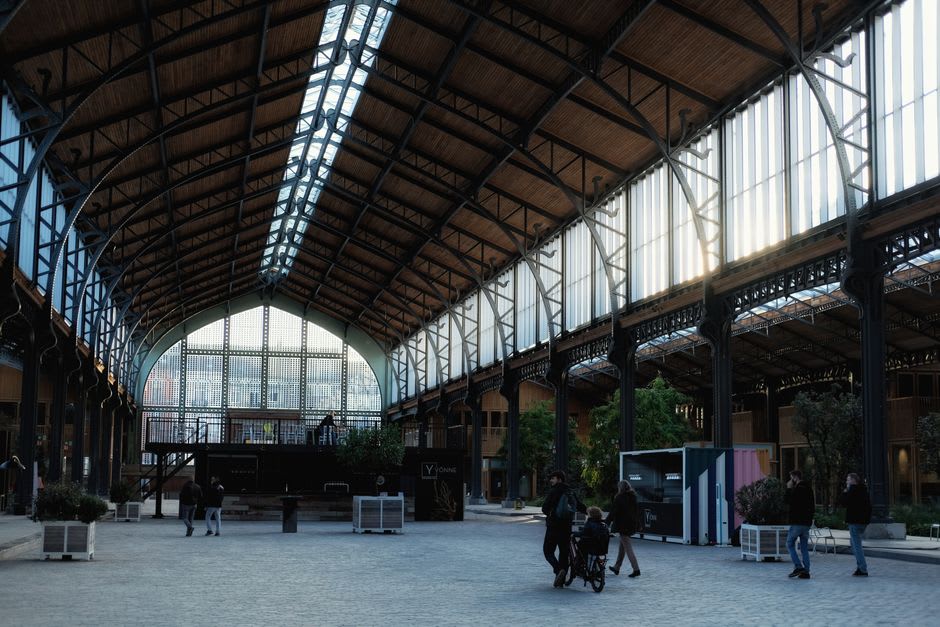
When to go: Autumn, when the region’s mustard and wine harvests overlap and the covered market is at its best, though Dijon’s compact old town rewards a visit any time of year.
Keep exploring
More of Burgundy
Keep exploring
More from Burgundy
 france
 Nuits-Saint-Georges
The town that gives the Côte de Nuits its name, where I learned that ordering wine by village here is basically ordering it by hillside, and got mildly scolded for saying so at the wrong table.
Explore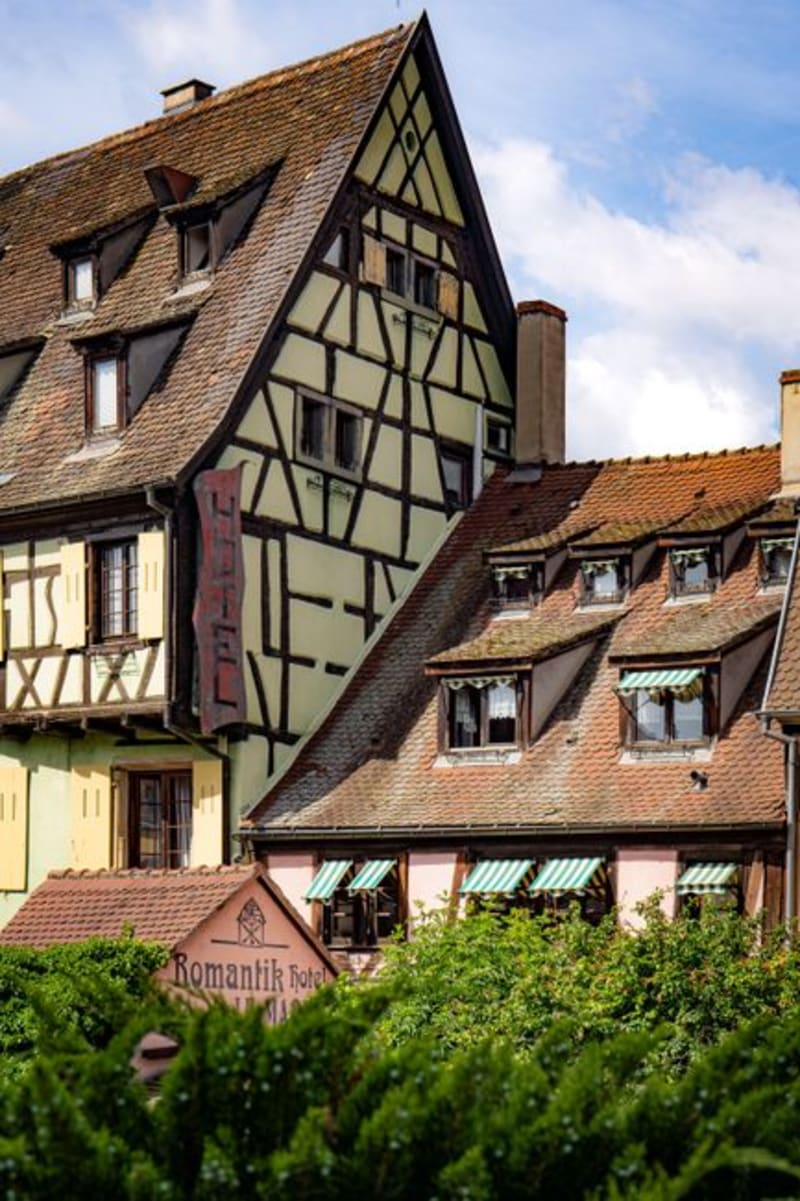 france
 Beaune
The wine capital of Burgundy, encircled by ramparts and vineyards, where a fifteenth-century charity hospital with a glazed tile roof turned out to be more moving than any of the wine tastings.
Explore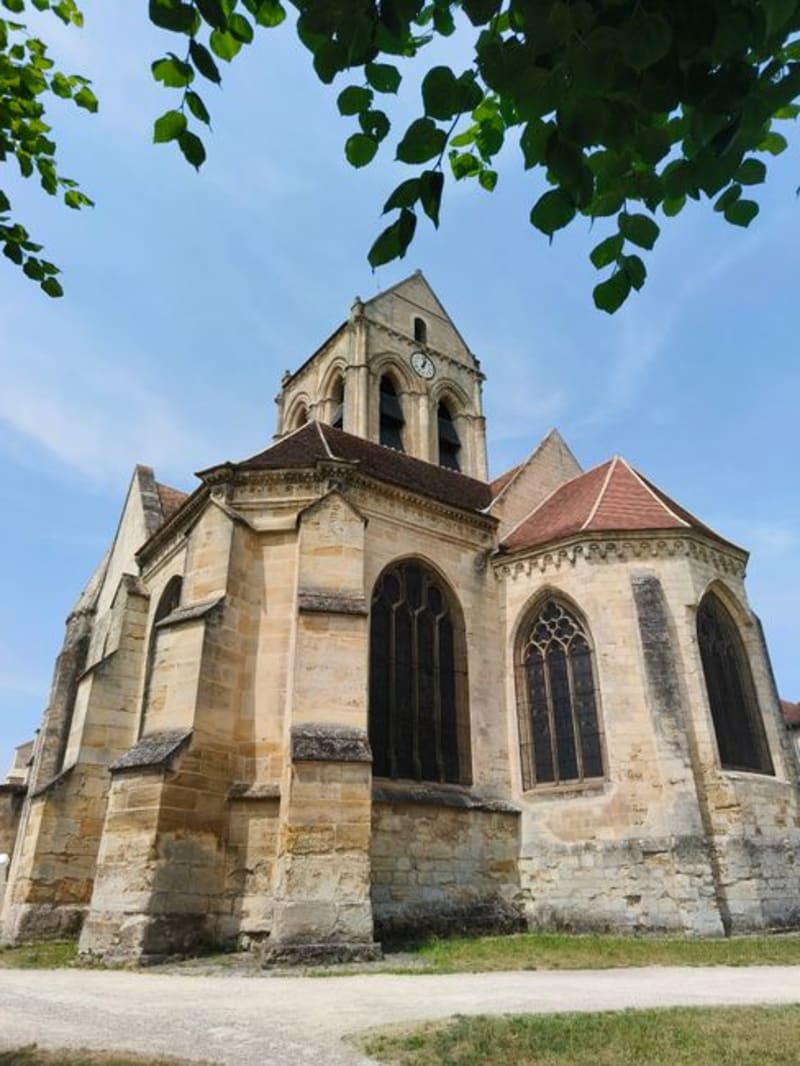 france
 Flavigny-sur-Ozerain
A walled hilltop village that's been making the same aniseed sweet in the same abbey for over a thousand years, and where I kept recognising doorways from a film before I remembered why.
Explore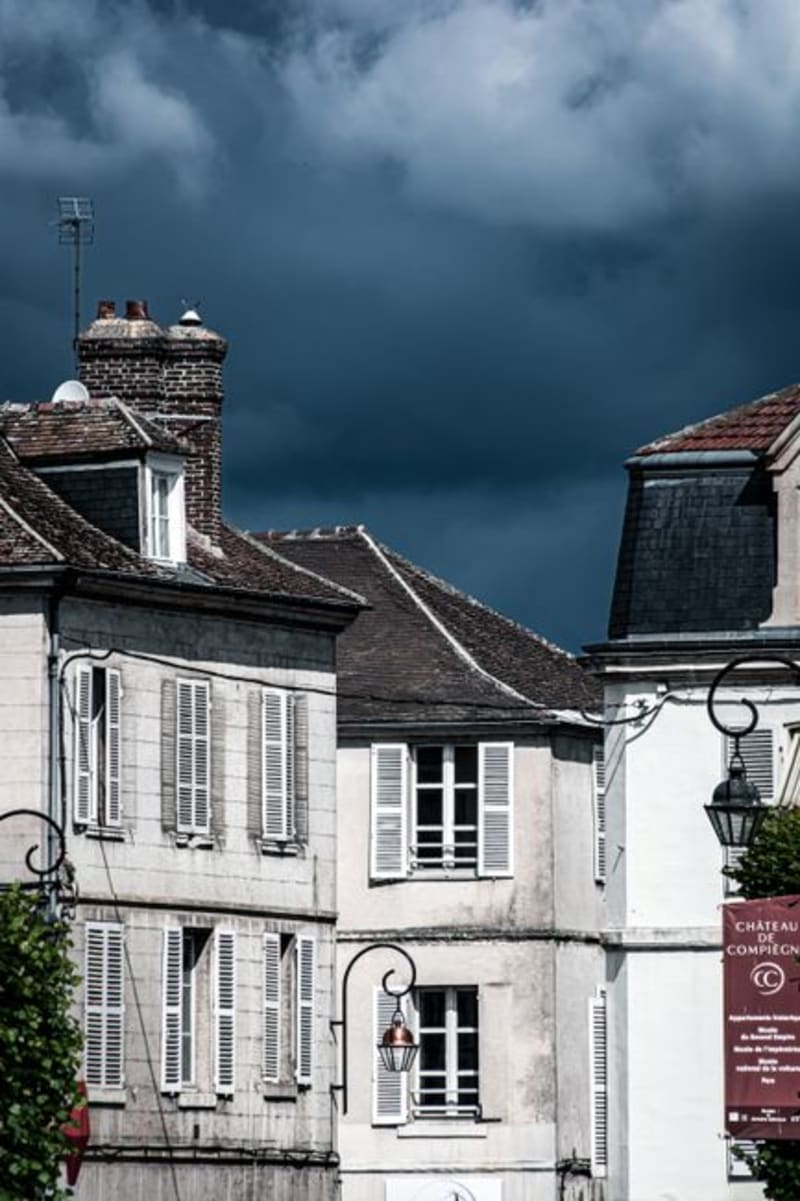 france
 Langres
A fortress town on a limestone plateau where you can walk the full ring of the ramparts in about an hour, looking out over Champagne and Burgundy at once, and where Diderot grew up before he went off to argue with half of Europe.
Explore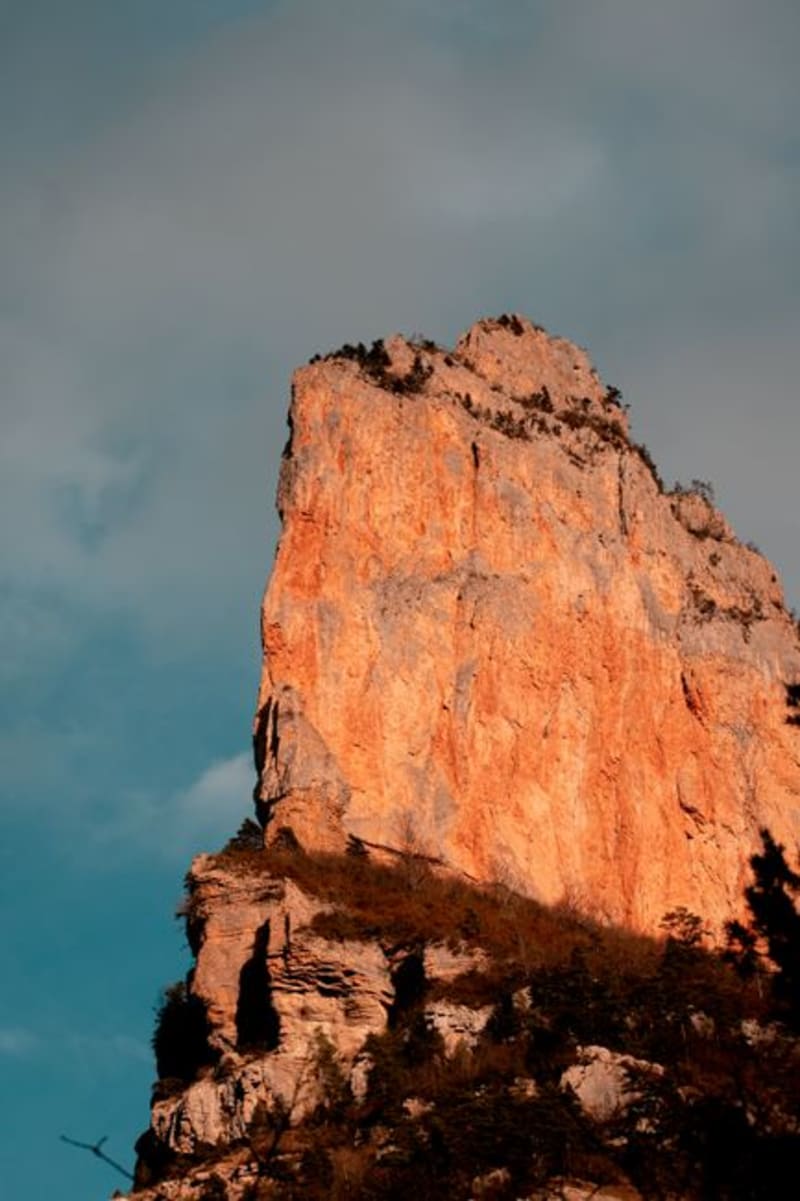 france
 Châtillon-sur-Seine
The town nearest where the Seine actually begins, home to a 2,500-year-old bronze vessel taller than I am, dug out of a burial mound by farmers who had no idea what they'd found.
Explore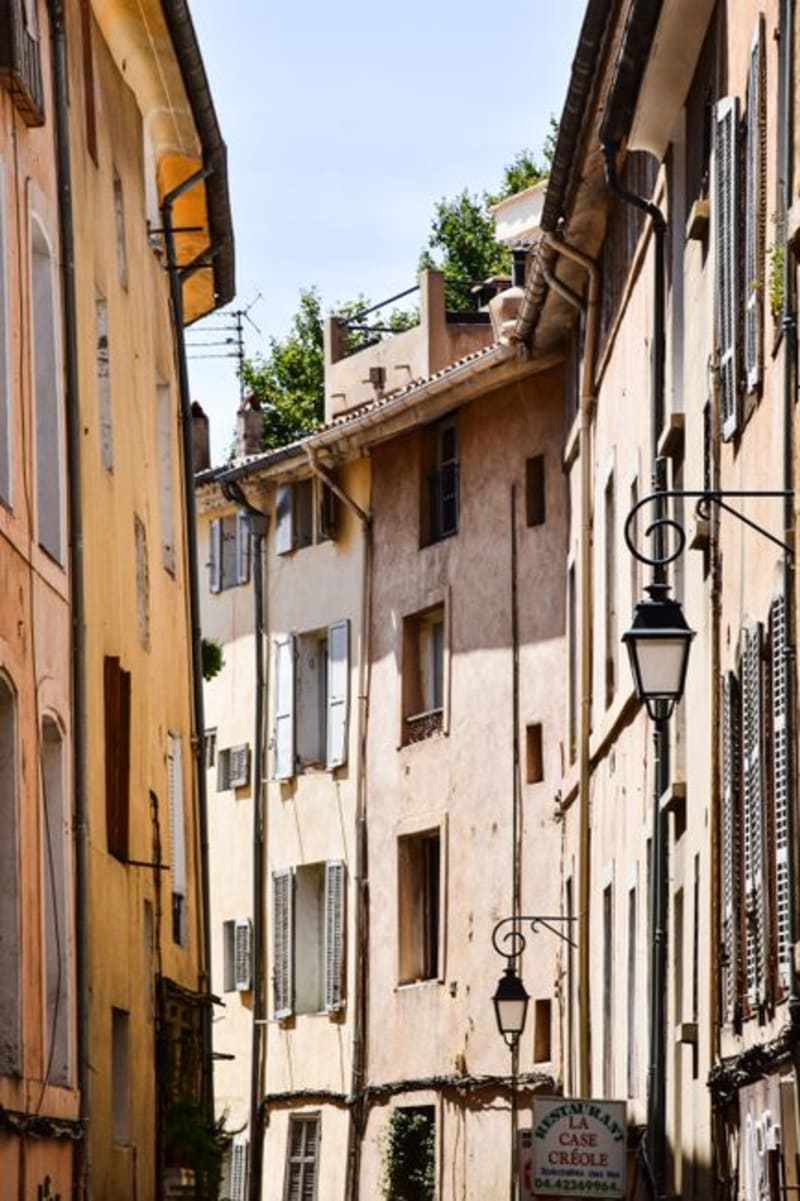 france
 Semur-en-Auxois
A fortress town wrapped around a granite outcrop, where the river does a full loop just to avoid leaving, and where I finally understood what people mean by 'defensible terrain.'
Explore