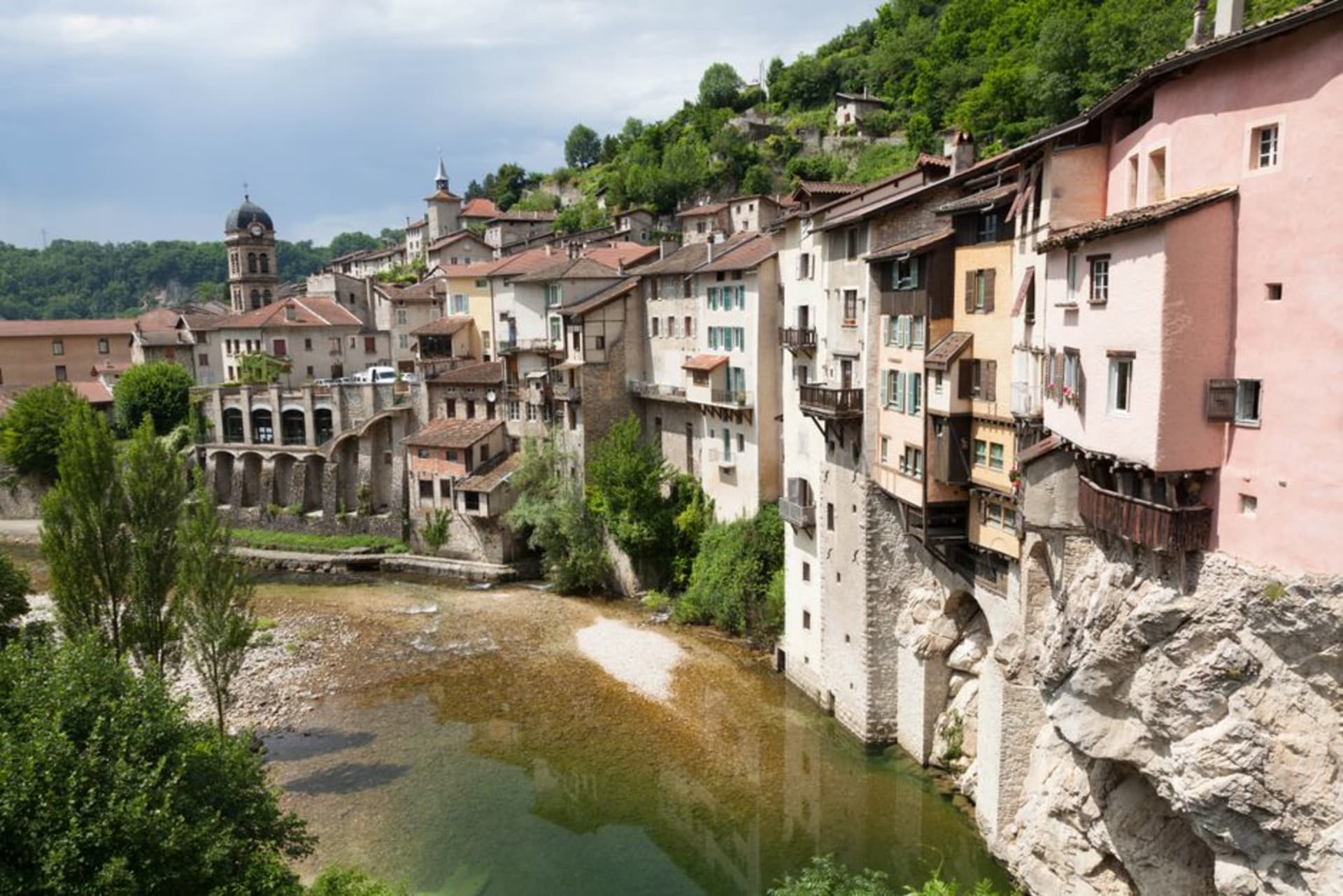
Semur-en-Auxois
"The river almost turns back on itself trying to get around this town, and honestly, I get it."
A fortress town wrapped around a granite outcrop, where the river does a full loop just to avoid leaving, and where I finally understood what people mean by 'defensible terrain.'

Semur-en-Auxois is one of those places where the geography does half the storytelling before you’ve read a single plaque. The town sits on a spur of pink granite, and the Armançon river, rather than flowing past it in a straight line, bends around three sides of the rock in a tight horseshoe, as if it changed its mind about leaving. Medieval builders clearly noticed the same thing I did on my first approach from the Auxerre road — that this was about as naturally fortified a site as Burgundy has to offer — and built accordingly, ringing the spur with ramparts and four massive round towers, one of which, the Tour de l’Orle d’Or, still cracked clean down one side from a 16th-century siege, stands taller than anything else in town.
Walking the ramparts above the river bend
The best way to understand Semur is to walk the promenade des remparts, the path that traces the old fortifications along the cliff edge above the Armançon. From up there you can watch the river curl around beneath you in that improbable loop, with the huddled rooftops of the lower town and the old stone bridge, the Pont Joly, holding everything together at the pinch point where the loop nearly closes. I came in late afternoon, when the granite genuinely does turn a warm rose-pink in the light, and stood at the viewpoint by the towers for longer than I’d planned, mostly just working out the river’s route with my eyes like a puzzle.
A collegiate church and a very small dragon
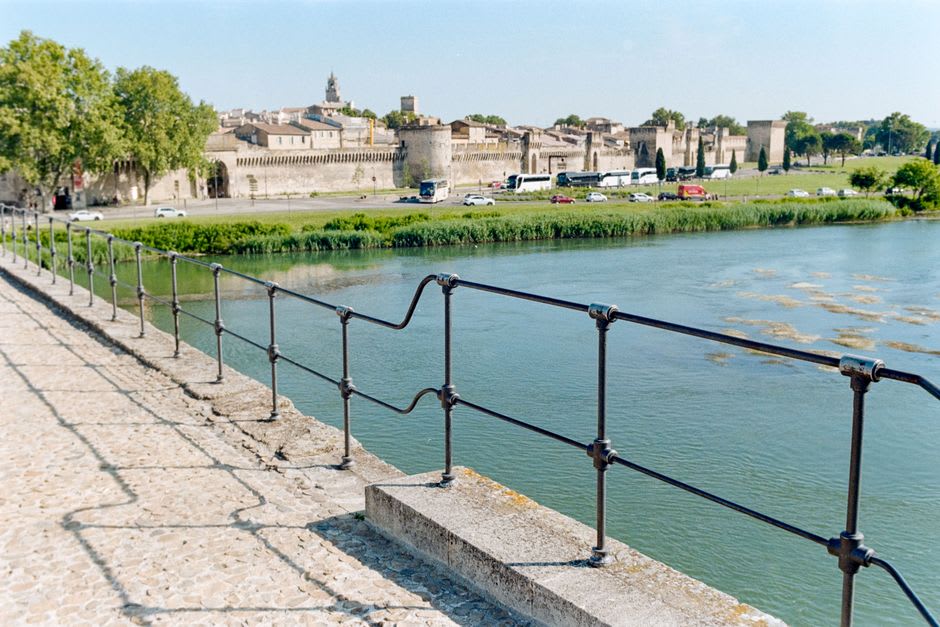
Inside the walls, the Collégiale Notre-Dame dominates the old town with a facade that’s been patched together across several centuries, Gothic doorways next to later repairs, and inside, oddly wonderful stained glass donated in the 19th century by local guilds — including a window paid for by grocers that depicts, among biblical scenes, a small carved dragon tucked into the church’s south doorway, said locally to be the Crémot, a beast supposedly slain in the marshes nearby. Lia spent a good ten minutes trying to find it before I pointed it out, half-hidden above the arch, and it’s the kind of small local legend that tells you more about a town’s self-image than any grand monument does.
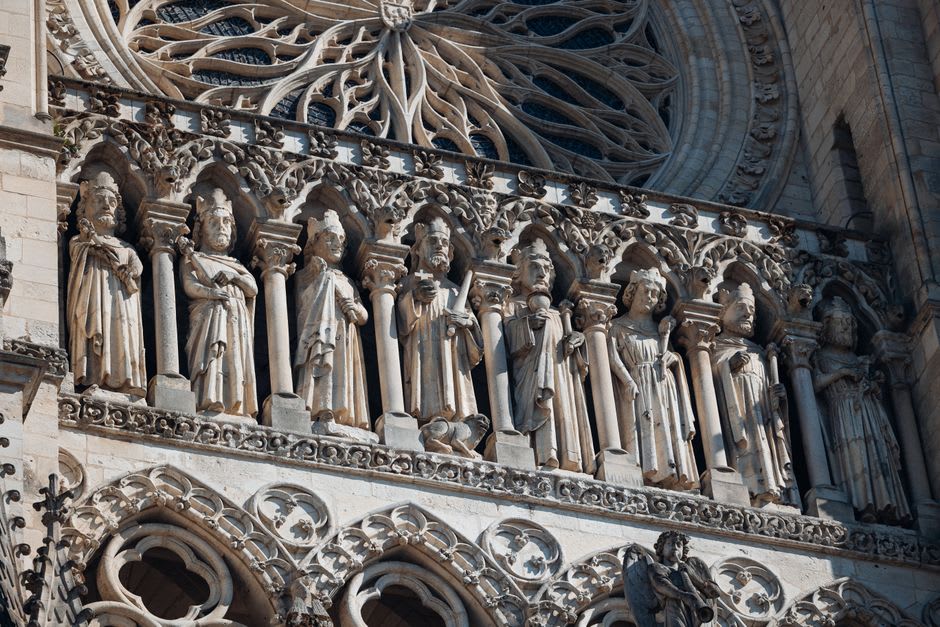
When to go: Late spring through early autumn gives you the best light on the granite and lets you properly walk the ramparts without mud or cold wind off the river. It’s an easy, uncrowded stop if you’re already tracing the Auxois countryside between Dijon and the Morvan.
Keep exploring
More of Burgundy
Keep exploring
More from Burgundy
 france
 Montbard
A workaday canal town that happened to produce the naturalist Buffon and sits a short drive from one of the best-preserved Cistercian abbeys in Europe, which between the two of them made it a far better stop than its plain train-station approach suggested.
Explore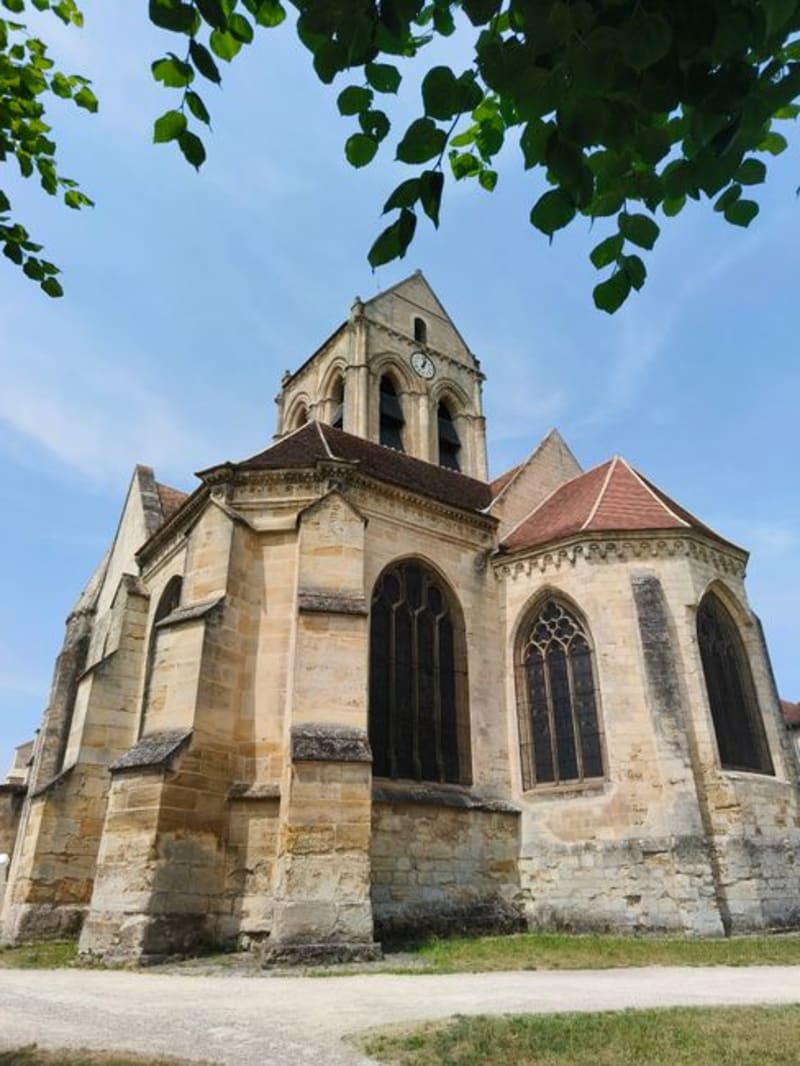 france
 Flavigny-sur-Ozerain
A walled hilltop village that's been making the same aniseed sweet in the same abbey for over a thousand years, and where I kept recognising doorways from a film before I remembered why.
Explore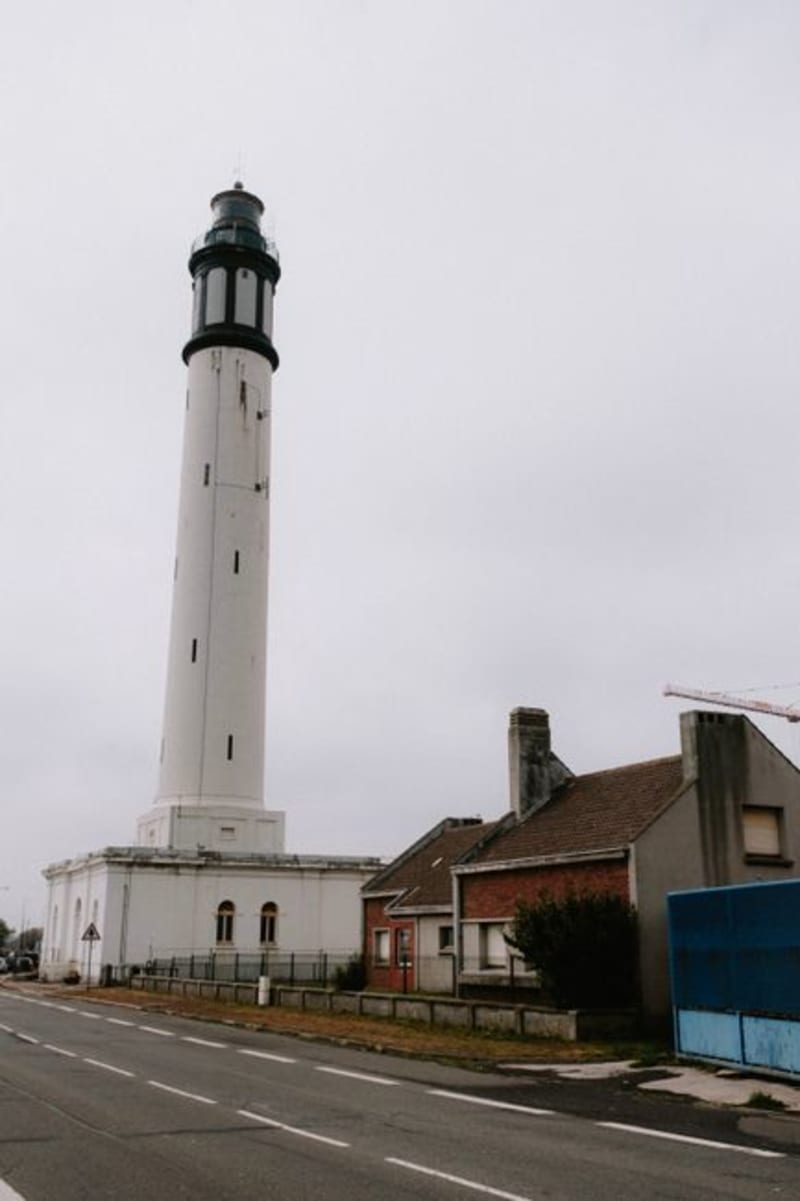 france
 Saulieu
A small town on the old Paris-Lyon road that's been feeding travelers seriously well for over three centuries, sitting right at the edge of the Morvan, where a basilica full of carved capitals surprised us more than the famous restaurant did.
Explore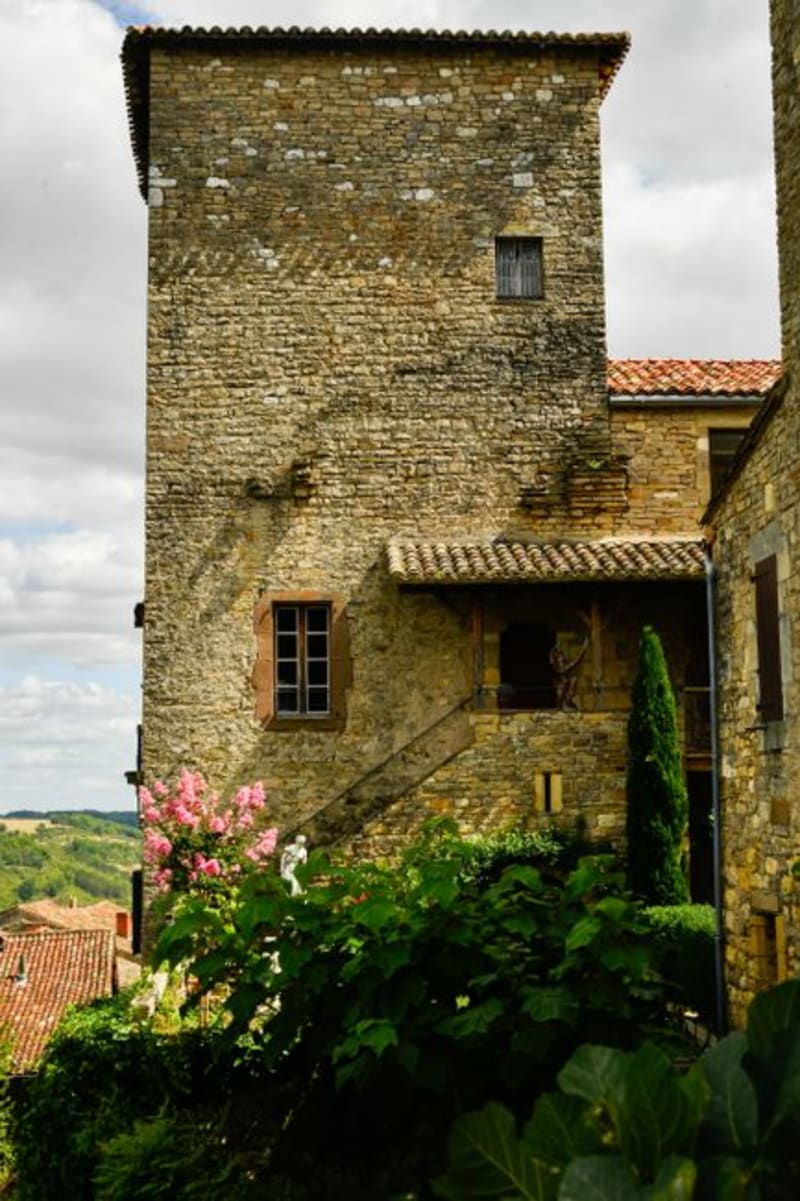 france
 Noyers-sur-Serein
A half-timbered village folded almost entirely inside a loop of the Serein river, official 'most beautiful village of France,' where I spent an hour just looking up at carved beams.
Explore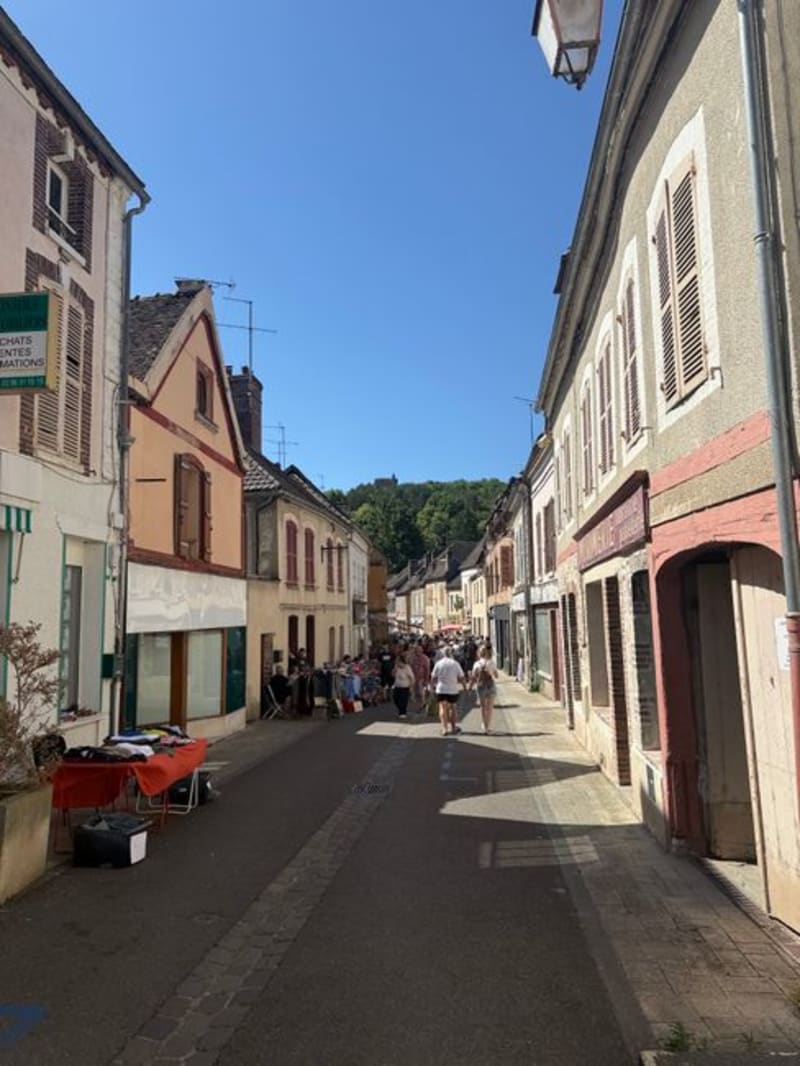 france
 Avallon
A fortified town perched on a rocky spur above its own ravine, guarding the road into the Morvan, with a Romanesque church front carved so densely we spent twenty minutes just finding all the figures.
Explore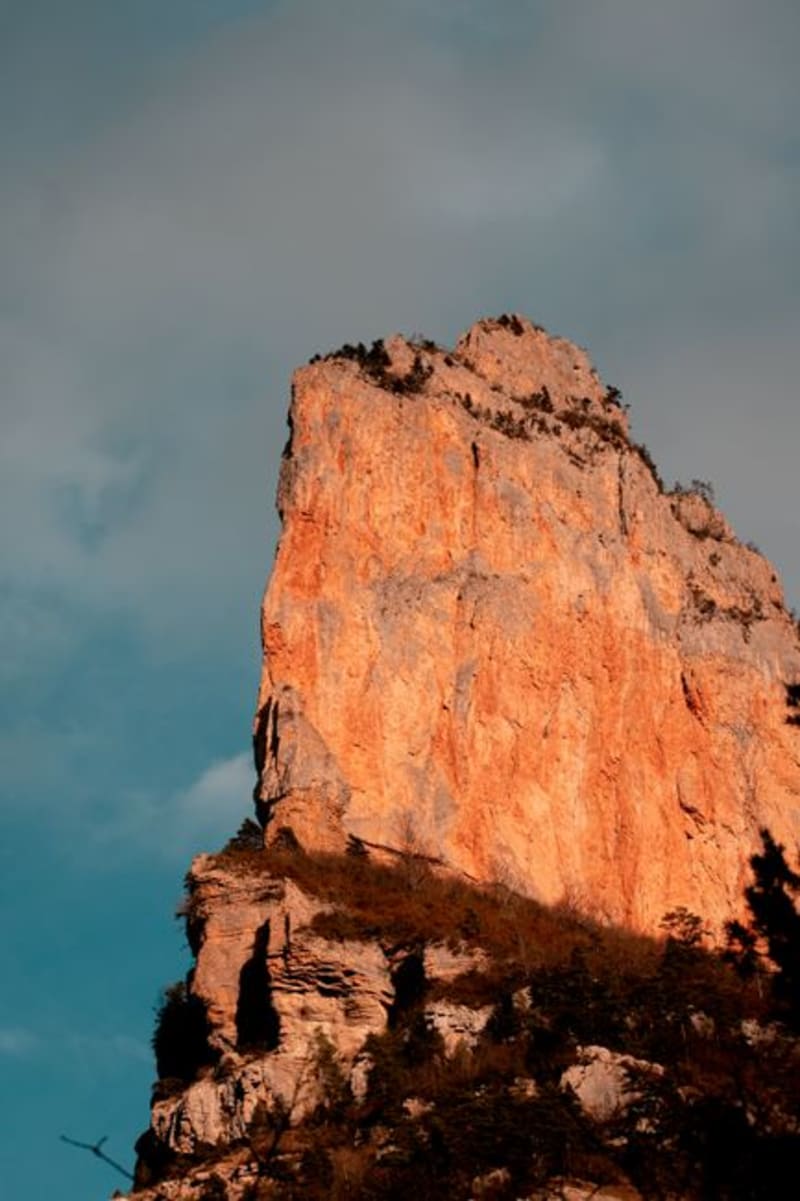 france
 Châtillon-sur-Seine
The town nearest where the Seine actually begins, home to a 2,500-year-old bronze vessel taller than I am, dug out of a burial mound by farmers who had no idea what they'd found.
Explore