Cluny
"Until 1506, this was the biggest church on earth. Now most of it fits in a scale model in the visitor centre."
A small Burgundy town built around the ruins of what was once the largest church in the world, whose scale I only truly understood by comparing what's left to what's gone.

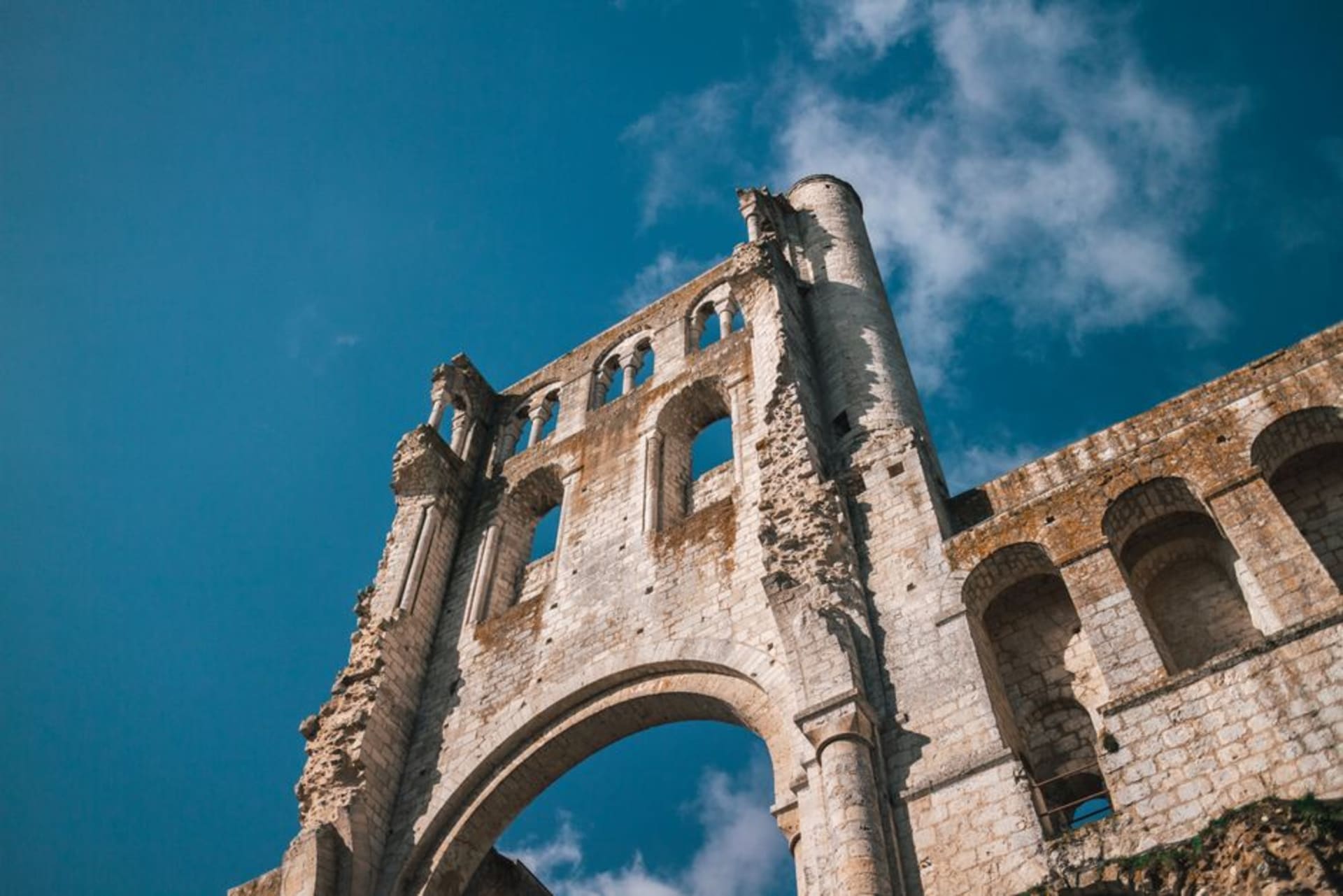
Cluny is a small, unremarkable-looking Burgundy town from the outside, and it takes actual effort to reconstruct in your head what used to stand there: from its completion around 1130 until Saint Peter’s Basilica in Rome surpassed it in the sixteenth century, the Abbey of Cluny was the largest church in the world, the mother house of a monastic order that at its peak controlled over a thousand dependent priories across Europe. Almost none of that original building survives. Walking around what’s left, and understanding just how much is missing, ended up being the most memorable part of the visit.
What the Revolution left behind
After the French Revolution, the abbey was sold off and largely demolished for building stone over the following decades, an act of destruction that local guides still describe with a kind of lingering regret, as if it happened last year rather than two centuries ago. What survives is genuinely striking even in fragments: the Clocher de l’Eau Bénite, a Romanesque tower rising over the remaining transept, and a scattering of arches and column stumps scattered across what is now largely open ground, run through by later buildings including, oddly, part of a nineteenth-century engineering school. We used the small scale model in the visitor centre, showing the abbey’s original full footprint against the town’s current layout, to understand where we were actually standing, and the sheer difference between the model and the ruins was more affecting than a fully intact building would have been.

A town still shaped by its missing church
Cluny’s medieval street layout still radiates outward from where the abbey once stood, and a scattering of surviving Romanesque houses on Rue de la République and Rue d’Avril — some of the oldest civil, non-religious medieval housing in France — hint at how prosperous the town became simply by servicing the abbey’s pilgrims and monks for centuries. We had lunch at a small café built into what had once been part of the abbey’s outer walls, the owner mentioning almost casually that her building’s foundations were nine hundred years old, and spent the afternoon wandering streets that all, in one way or another, still pointed back toward the ruin at the centre of town.

When to go: Spring through early autumn, when the visitor centre’s guided tours run most frequently and the open ruins are pleasant to walk without needing shelter from rain.
Keep exploring
More of Burgundy
Keep exploring
More from Burgundy
 france
 Beaune
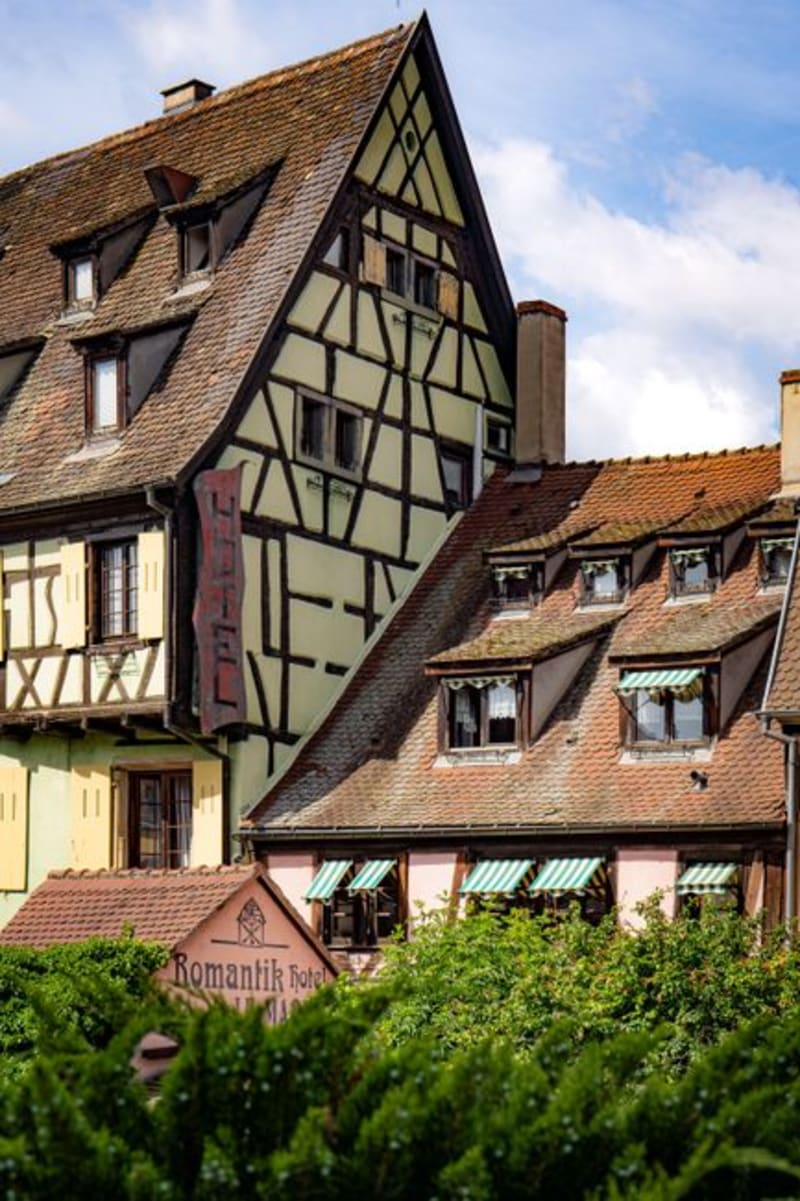
The wine capital of Burgundy, encircled by ramparts and vineyards, where a fifteenth-century charity hospital with a glazed tile roof turned out to be more moving than any of the wine tastings.
Explore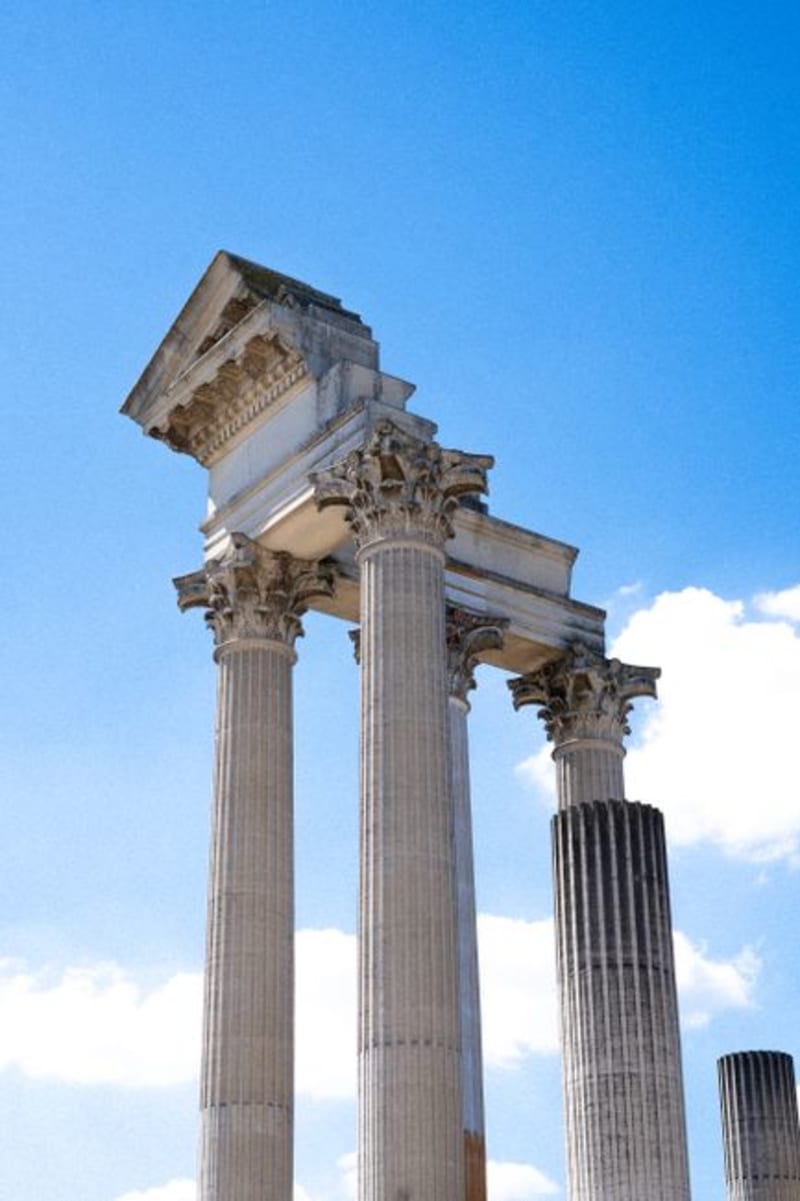 france
 Autun
A former Roman capital in southern Burgundy with a Roman theatre bigger than the one in Arles and a cathedral carved with one of the strangest, most vivid Last Judgments I've ever stood under.
Explore france
 Nuits-Saint-Georges
The town that gives the Côte de Nuits its name, where I learned that ordering wine by village here is basically ordering it by hillside, and got mildly scolded for saying so at the wrong table.
Explore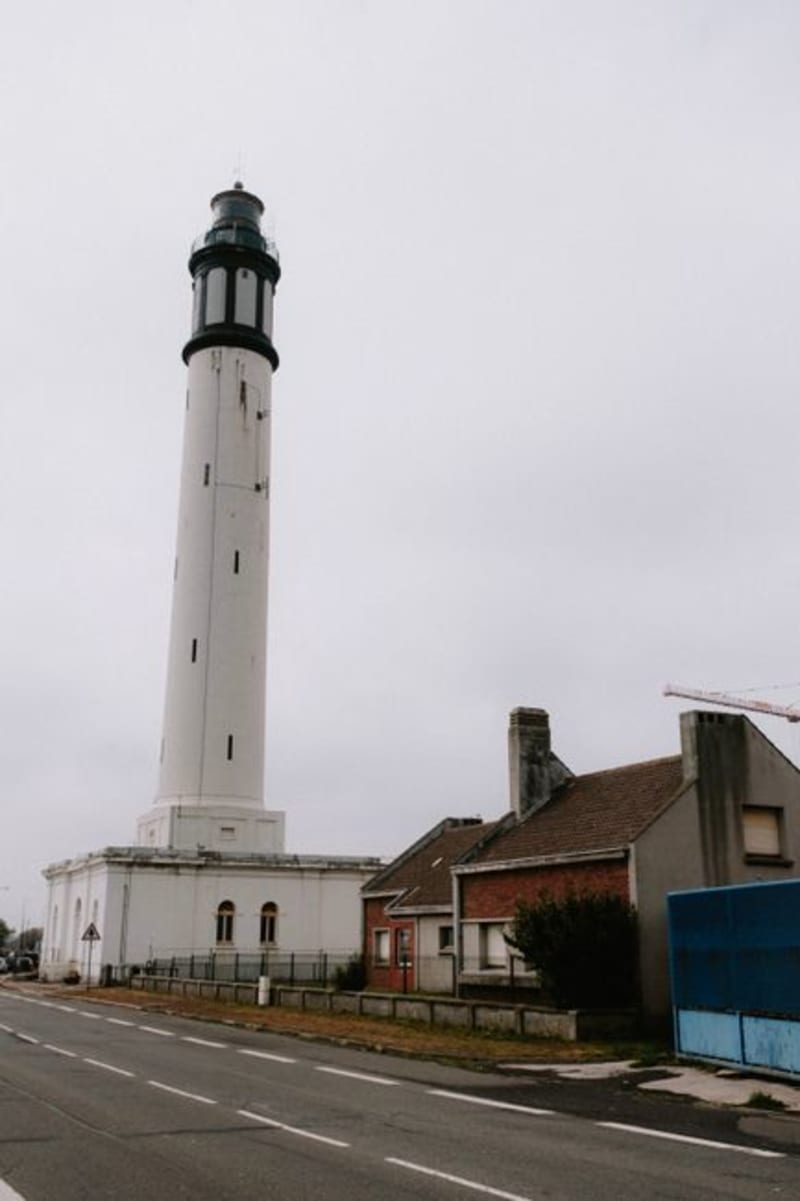 france
 Saulieu
A small town on the old Paris-Lyon road that's been feeding travelers seriously well for over three centuries, sitting right at the edge of the Morvan, where a basilica full of carved capitals surprised us more than the famous restaurant did.
Explore france
 Dijon
The old ducal capital of Burgundy, better known abroad for mustard than for the Renaissance dukes' palace at its centre, and one of the best-value food cities I've eaten my way through in France.
Explore france
 Flavigny-sur-Ozerain
A walled hilltop village that's been making the same aniseed sweet in the same abbey for over a thousand years, and where I kept recognising doorways from a film before I remembered why.
Explore