Autun
"The Romans called it the sister and rival of Rome. Almost nobody visits it now, which is exactly why we did."
A former Roman capital in southern Burgundy with a Roman theatre bigger than the one in Arles and a cathedral carved with one of the strangest, most vivid Last Judgments I've ever stood under.

Autun likes to remind visitors, on plaques and in the tourist office pamphlet, that Emperor Augustus’s own propaganda once called it “sister and rival of Rome,” and that boast is not entirely empty — Autun, then Augustodunum, was a major Roman administrative and educational centre, and it still holds more visible Roman infrastructure than almost anywhere else in Burgundy. Almost nobody outside France seems to know it exists, which after two days there felt more like a gift than an oversight.
Rome, still standing
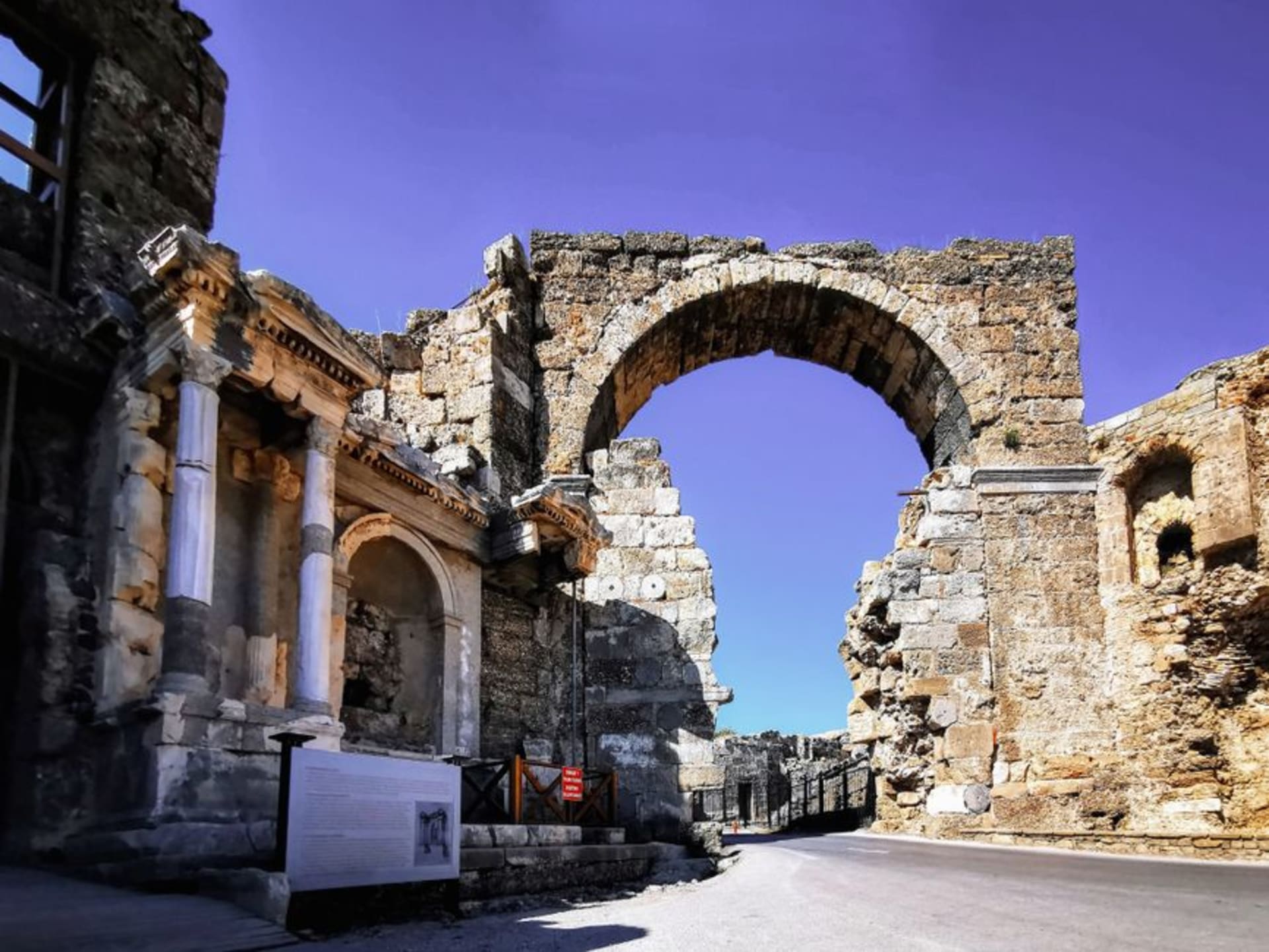
The Théâtre Romain d’Autun, built in the first century AD, could once seat around twenty thousand people, making it larger than the famous amphitheatre in Arles, though what survives now is mostly the shape of the tiered seating cut into the hillside rather than intact stone walls. We walked its curve in the early morning with nobody else around, then crossed town to the Porte Saint-André, a genuinely well-preserved Roman gate with its arched openings still standing after nearly two thousand years, cars now driving straight through the same passage Roman traffic once used. It’s a strange thing, driving through a gate that old on the way to lunch.

A cathedral’s very literal warning
The Cathédrale Saint-Lazare holds what I think is one of the most striking pieces of medieval sculpture I’ve seen anywhere in France: a tympanum by the sculptor Gislebertus, carved around 1130, depicting the Last Judgment in almost cartoonish, unsettling detail — elongated souls being weighed, demons with clawed hands dragging the damned by their hair, an inscription warning sinners that this fate awaits them. It was plastered over during the eighteenth century, considered too crude for contemporary taste, and only rediscovered and restored in the nineteenth, which somehow makes it feel more startling now, as though it had been kept hidden on purpose. We stood beneath it far longer than we’d planned, working out each grim vignette one by one.

When to go: Spring or autumn for mild walking weather across the town’s spread-out Roman sites, most of which sit outdoors with little shade.
Keep exploring
More of Burgundy
Keep exploring
More from Burgundy
 france
 Saulieu
A small town on the old Paris-Lyon road that's been feeding travelers seriously well for over three centuries, sitting right at the edge of the Morvan, where a basilica full of carved capitals surprised us more than the famous restaurant did.
Explore france
 Semur-en-Auxois
A fortress town wrapped around a granite outcrop, where the river does a full loop just to avoid leaving, and where I finally understood what people mean by 'defensible terrain.'
Explore france
 Beaune
The wine capital of Burgundy, encircled by ramparts and vineyards, where a fifteenth-century charity hospital with a glazed tile roof turned out to be more moving than any of the wine tastings.
Explore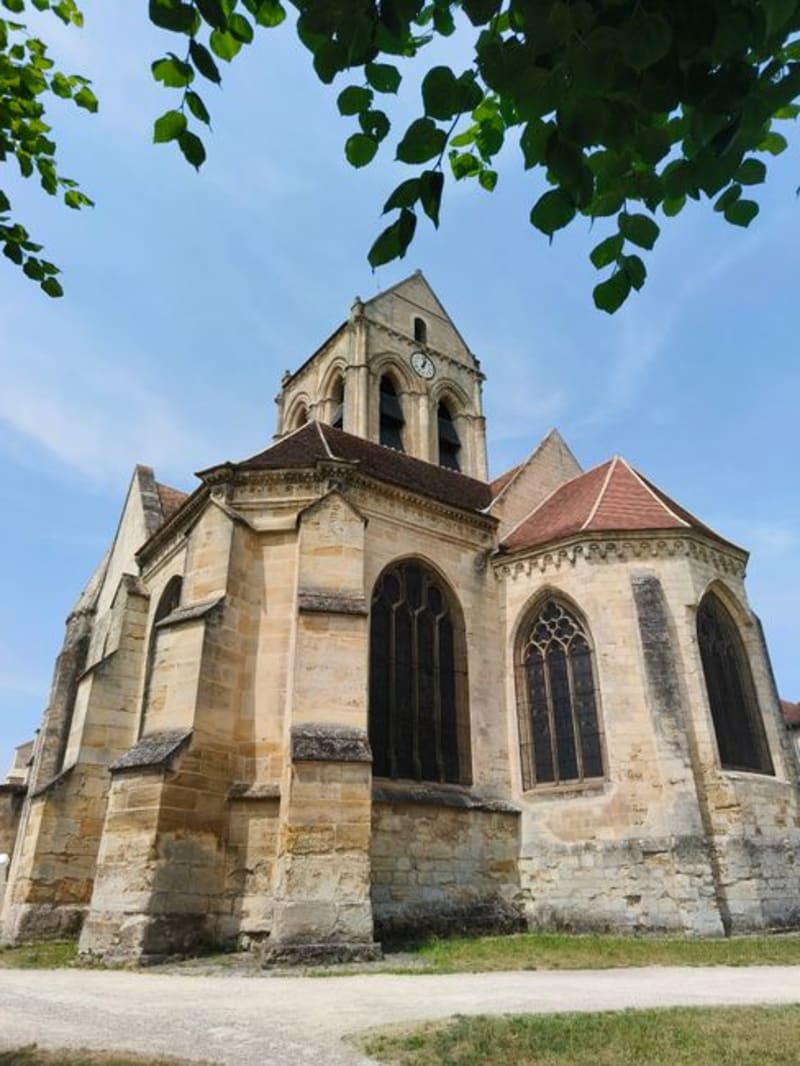 france
 Flavigny-sur-Ozerain
A walled hilltop village that's been making the same aniseed sweet in the same abbey for over a thousand years, and where I kept recognising doorways from a film before I remembered why.
Explore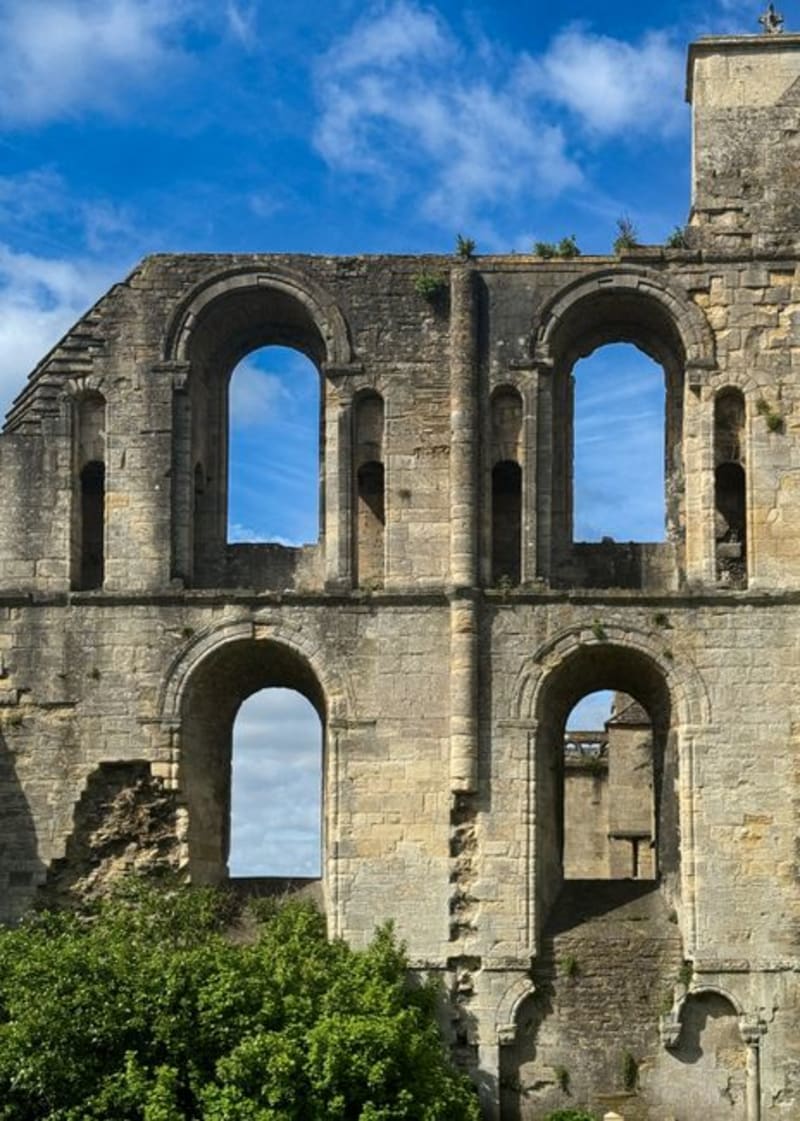 france
 Cluny
A small Burgundy town built around the ruins of what was once the largest church in the world, whose scale I only truly understood by comparing what's left to what's gone.
Explore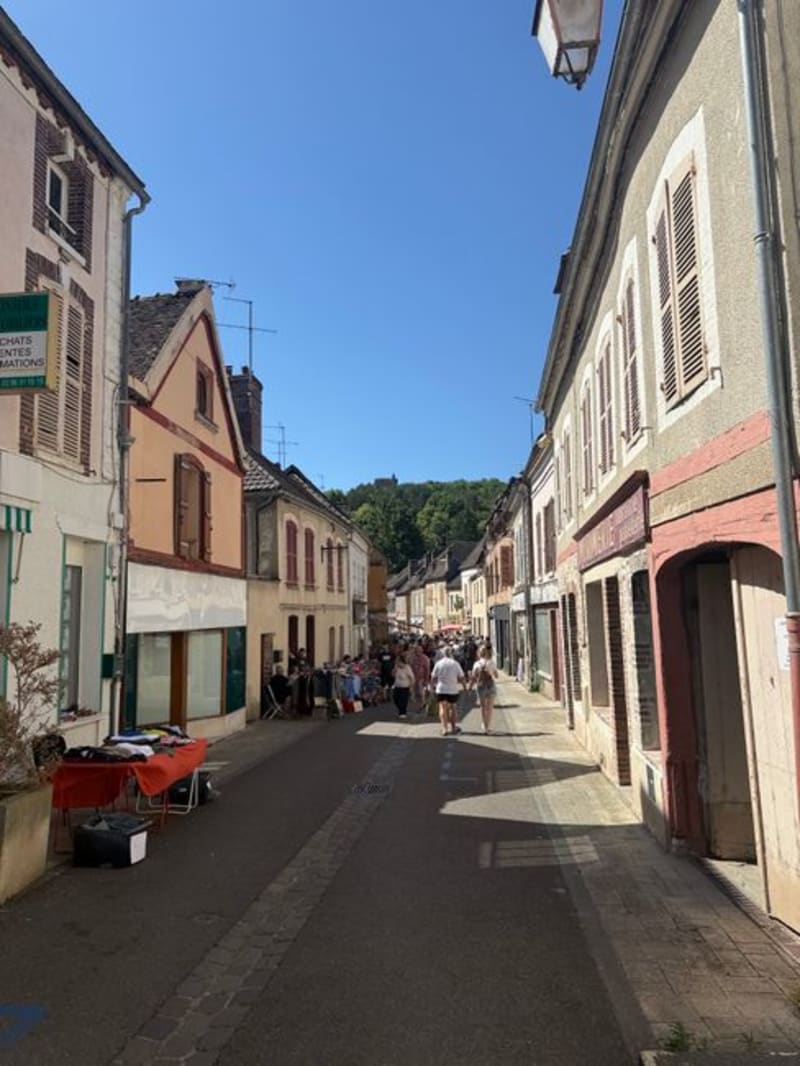 france
 Avallon
A fortified town perched on a rocky spur above its own ravine, guarding the road into the Morvan, with a Romanesque church front carved so densely we spent twenty minutes just finding all the figures.
Explore