Belle-Île-en-Mer
"We rented bikes for a day and I'm still not sure we saw the whole thing."
An island off the Quiberon peninsula with jagged cliffs on one coast and calm sandy coves on the other, and a name that undersells nothing.

We took the ferry out from Quiberon on a whim, mostly because a woman at our hotel in Vannes said we’d regret it if we didn’t, and forty-five minutes later stepped off into a place that felt like an entirely different coastline stitched onto Brittany. Belle-Île-en-Mer earns its name without apology — it’s the largest of the Breton islands, and it packs cliffs, hidden coves, a citadel, and a couple of proper villages into a landmass you can cross by bike in a day, though we didn’t manage to see all of it in the one we had.
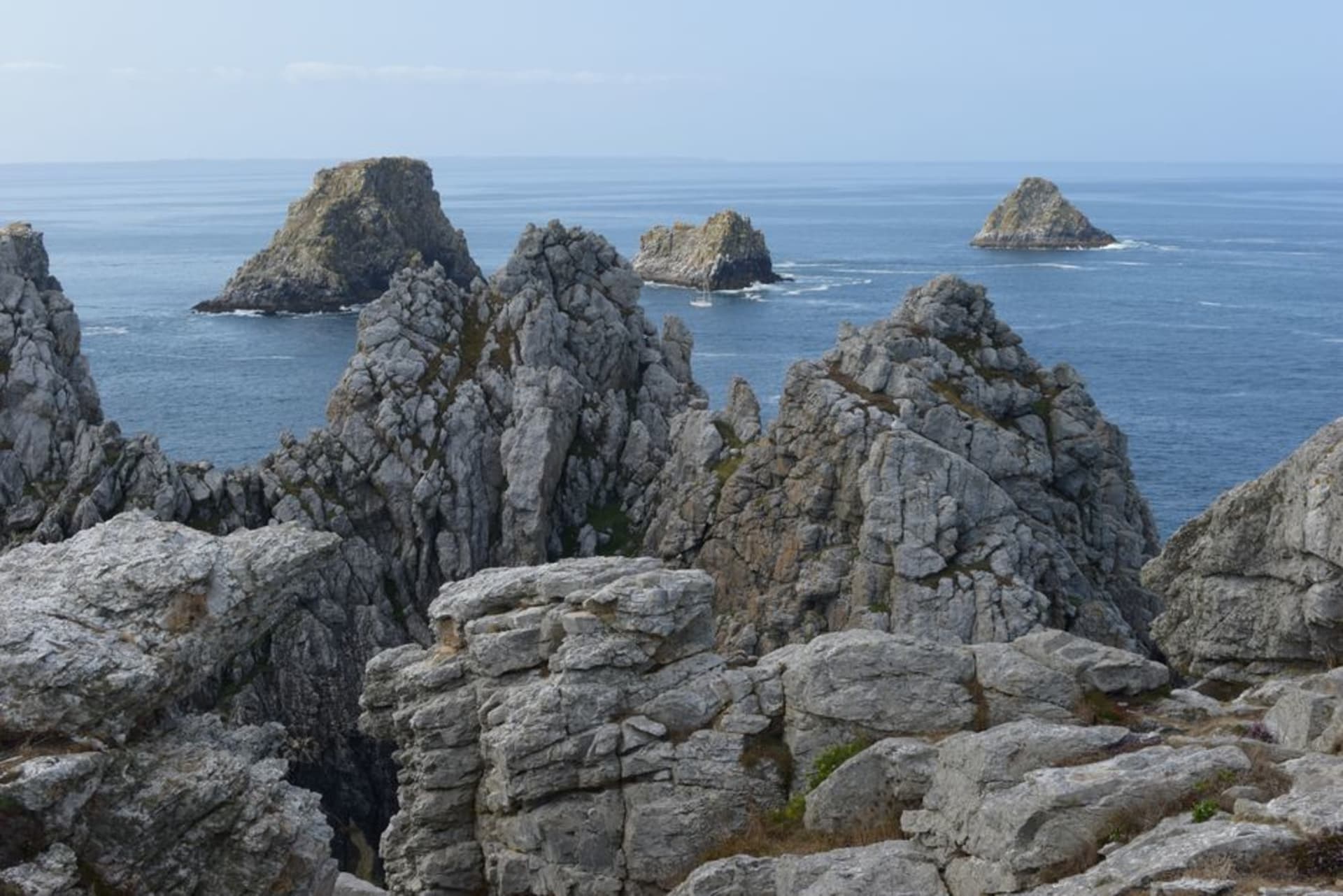
The needles of Port-Coton
The island’s wild side faces the open Atlantic on its western coast, and the standout stop there is the Aiguilles de Port-Coton, a cluster of jagged rock spires rising out of a cove where the waves break constantly into white foam — the “cotton” in the name. Claude Monet spent several weeks painting this exact spot in 1886, producing a series of canvases of the rocks under shifting weather, and standing at the viewpoint above the cove it’s easy to see why he kept coming back: the light and the sea state seemed to change every few minutes while we stood there. We scrambled partway down the cliff path for a closer look and got soaked by spray for our trouble, which felt like the correct outcome.

Le Palais and a citadel built by Vauban
The island’s main town, Le Palais, curls around a harbour dominated by the Citadelle Vauban, a star-shaped fortress the military engineer Sébastien Le Prestre de Vauban expanded in the 17th century to guard against English raids, this stretch of coast having been fought over repeatedly enough that the island changed hands more than once. We cycled from there down to Sauzon, a smaller, quieter harbour village of pastel-painted houses that several people told us was the prettiest port on the island, and I’m inclined to agree. On the way back we stopped at a beach on the calmer eastern side, swam in water noticeably warmer than the Atlantic side, and ate langoustines bought straight off a boat in Le Palais that evening.

When to go: Come between May and September when the ferry schedule from Quiberon is at its most frequent and the weather cooperates for cycling the island’s back roads. Book bikes ahead in July and August — the island’s popularity outpaces its rental fleet.
Keep exploring
More of Brittany
Keep exploring
More from Brittany
 france
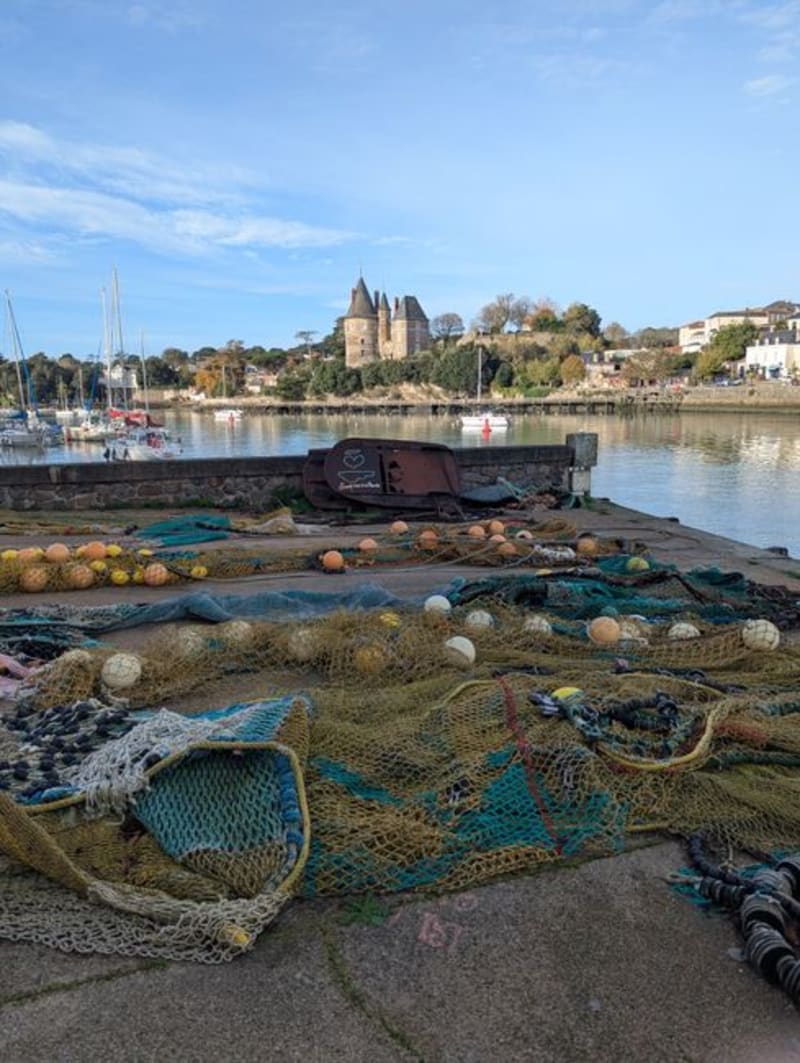
 Auray
A steep little port quarter below the main town where the boats, the wine bars, and the smell of low tide mud make it hard to leave before dark.
Explore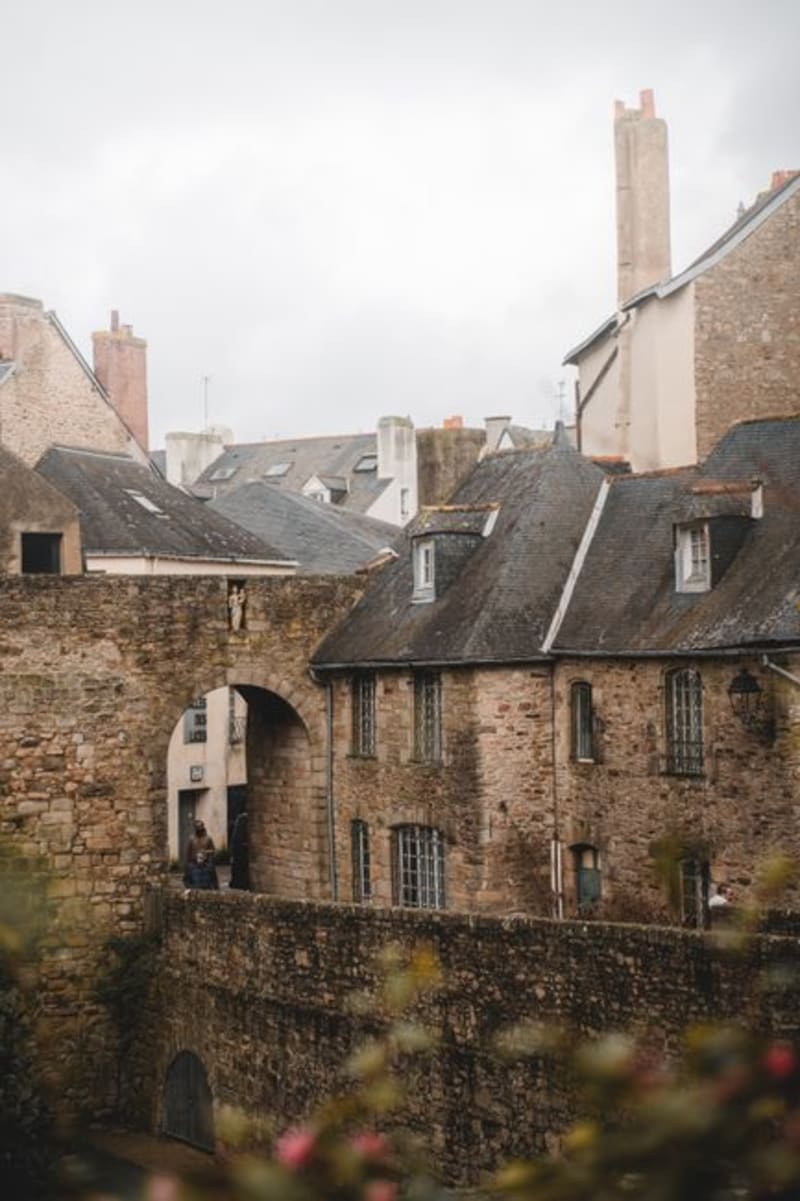 france
 Vannes
A half-timbered old town at the head of the Gulf of Morbihan where stone washhouses still line the ramparts and the tide brings the sea almost to the cathedral doorstep.
Explore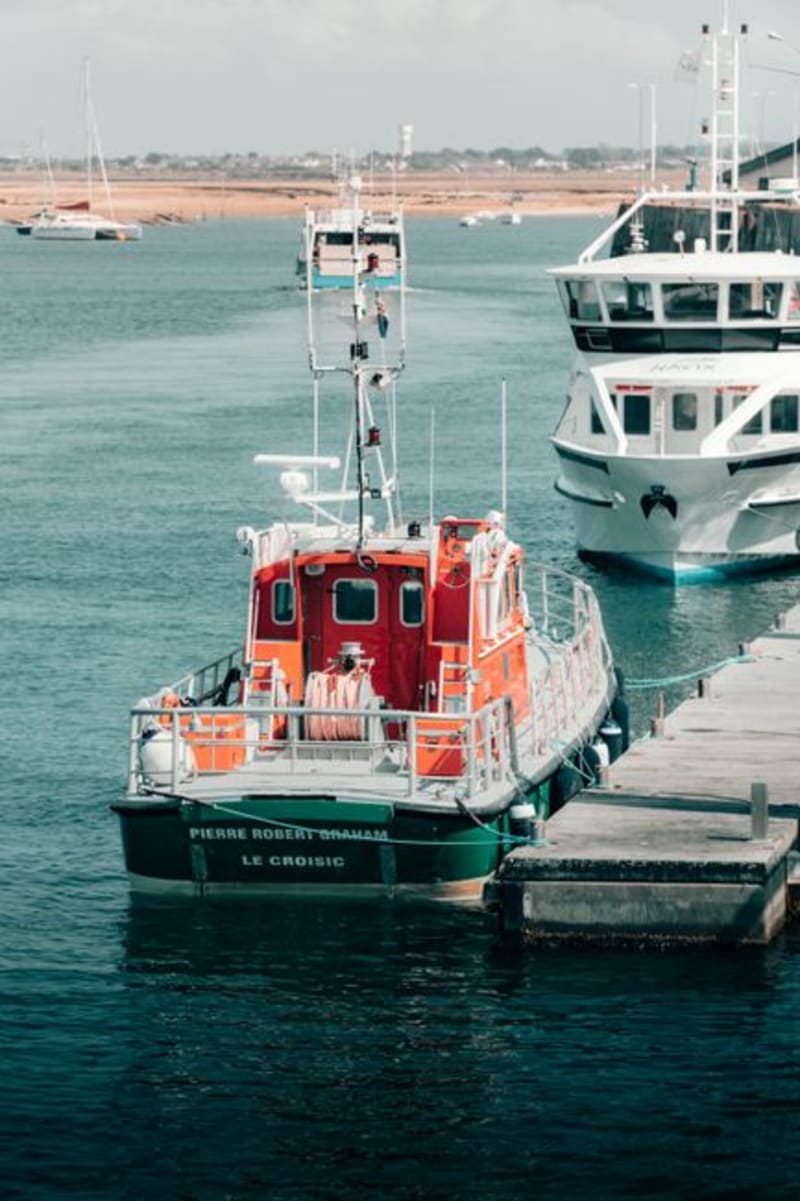 france
 Le Croisic
A working fishing port at the tip of the Guérande peninsula where the trawlers still come in every morning and the ocean museum next to the harbor made Lia late for lunch twice.
Explore france
 Pont-Aven
A small mill town on the Aven river that Gauguin and a whole school of painters made famous, and where the light on the water still looks like it's trying to be painted.
Explore france
 Guérande
A fully walled medieval town ringed by salt pans where I watched a paludier rake fleur de sel off the water by hand and understood why the stuff costs what it does.
Explore france
 La Baule
A nine-kilometer crescent of sand backed by Belle Époque villas where I finally understood why French families have been arguing over the same beach chairs for a hundred years.
Explore