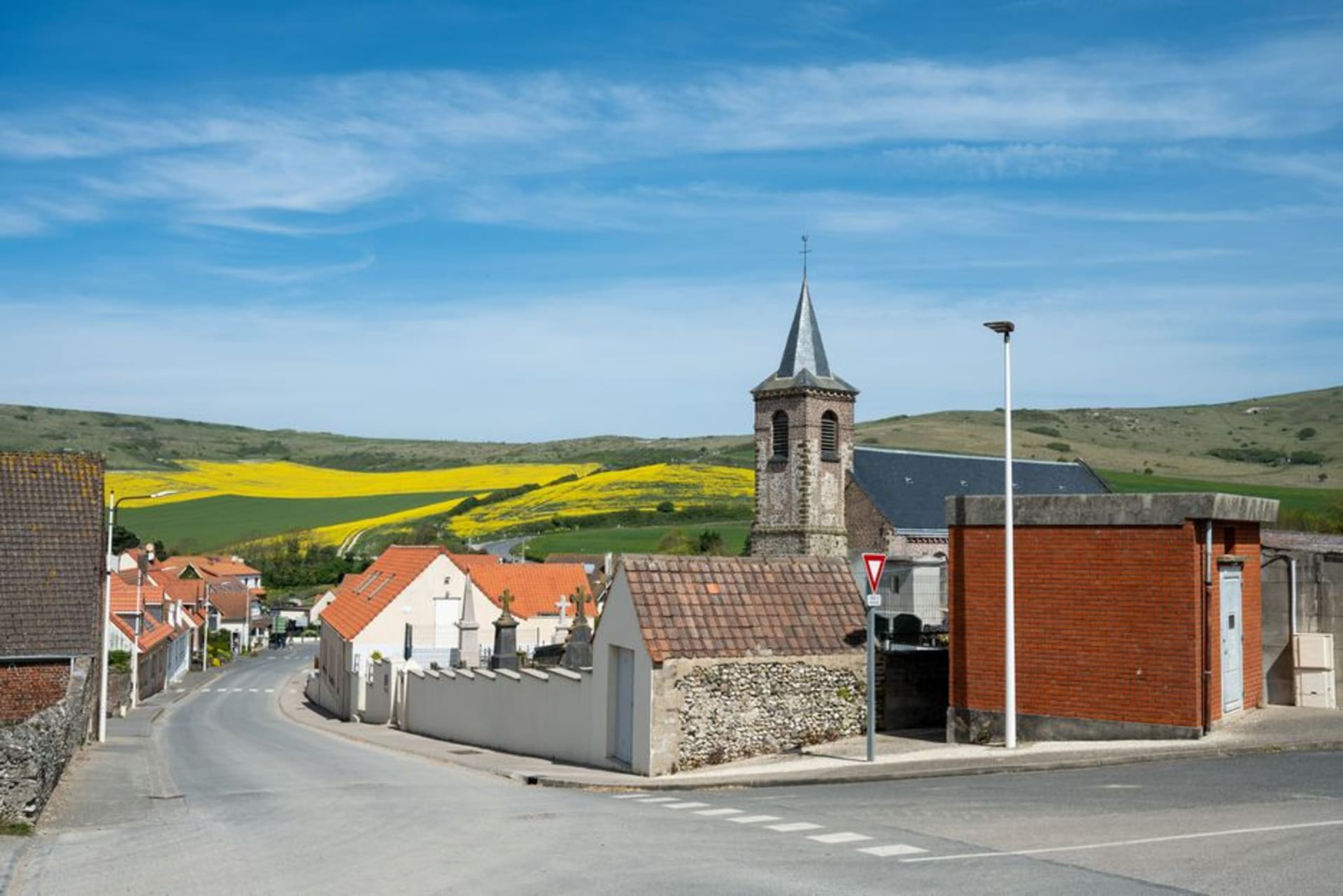
Guérande
"A whole medieval town, intact, standing guard over a marsh that makes salt by hand. Brittany doesn't do subtle."
A fully walled medieval town ringed by salt pans where I watched a paludier rake fleur de sel off the water by hand and understood why the stuff costs what it does.

Guérande is one of the few towns in France where you can walk a complete circuit of medieval ramparts without a single gap or modern intrusion breaking the loop — nearly a mile and a half of 15th-century granite walls, four gates, and a scatter of round towers, all still standing because the town simply grew slowly enough, and stayed poor enough for long enough, that nobody ever needed to tear the walls down to expand. We did the full circuit on our first evening there, walking the dry moat that rings the outside of the walls while swallows cut low over the grass, and it’s one of those places where the postcard version and the real thing are, unusually, exactly the same.
Inside the walls
Step through Saint-Michel gate and the town inside is compact and almost absurdly picturesque — half-timbered houses, a granite collegiate church with a rose window, narrow streets that funnel you toward the central square whether you mean to go there or not. It’s touristy in summer, no question, full of shops selling the local salt in every packaging imaginable, but it earns the attention rather than faking it, and slipping away from the main street into the quieter lanes behind the church gets you back to something closer to how the town actually lives.

The marsh that gives the town its name
But the real reason to come to Guérande is what surrounds it: nearly two thousand hectares of salt marshes, the Marais Salants, a geometric patchwork of shallow basins connected by narrow channels where paludiers have been harvesting salt by hand since Roman times, using methods that have barely changed since. We booked a short walking tour with a working paludier who showed us how seawater is walked, pan by pan, across the marsh under the sun and wind until it concentrates enough to crystallize, and how fleur de sel — the delicate top layer that forms on calm, hot afternoons — has to be raked off by hand within hours or it dissolves back into the water below. He let us taste salt straight off the rake, still faintly damp, and it tasted nothing like anything from a shaker, mineral and almost sweet. Watching him work the wooden lousse across the water in the flat evening light, herons picking through the shallower pans nearby, made the price of a small bag of fleur de sel back home suddenly make a lot more sense.

When to go: Visit between June and September, when the salt harvest is actually happening and the marshes are at their most active — the paludiers only work the pans in dry, sunny, breezy conditions, so a hot spell is your best bet for seeing fleur de sel gathered by hand. Outside those months the marshes flood for winter and the harvest stops entirely.
Keep exploring
More of Brittany
Keep exploring
More from Brittany
 france
 La Baule
A nine-kilometer crescent of sand backed by Belle Époque villas where I finally understood why French families have been arguing over the same beach chairs for a hundred years.
Explore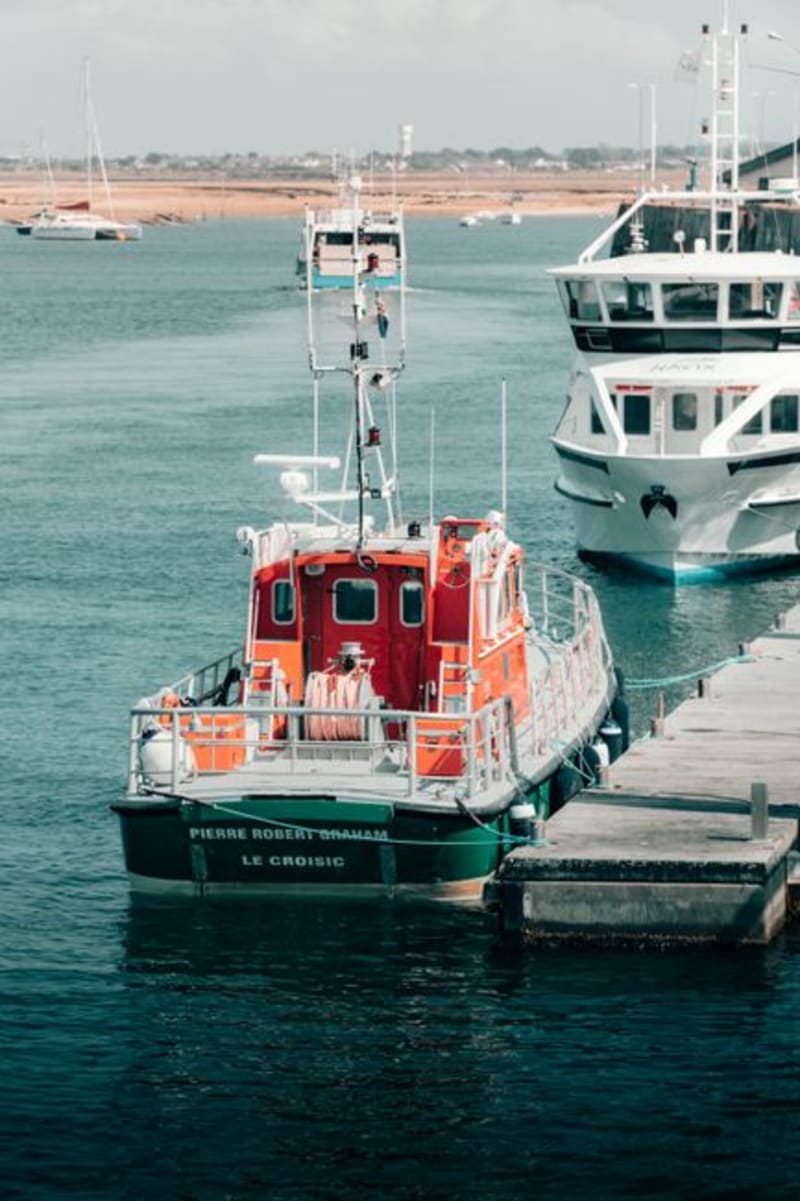 france
 Le Croisic
A working fishing port at the tip of the Guérande peninsula where the trawlers still come in every morning and the ocean museum next to the harbor made Lia late for lunch twice.
Explore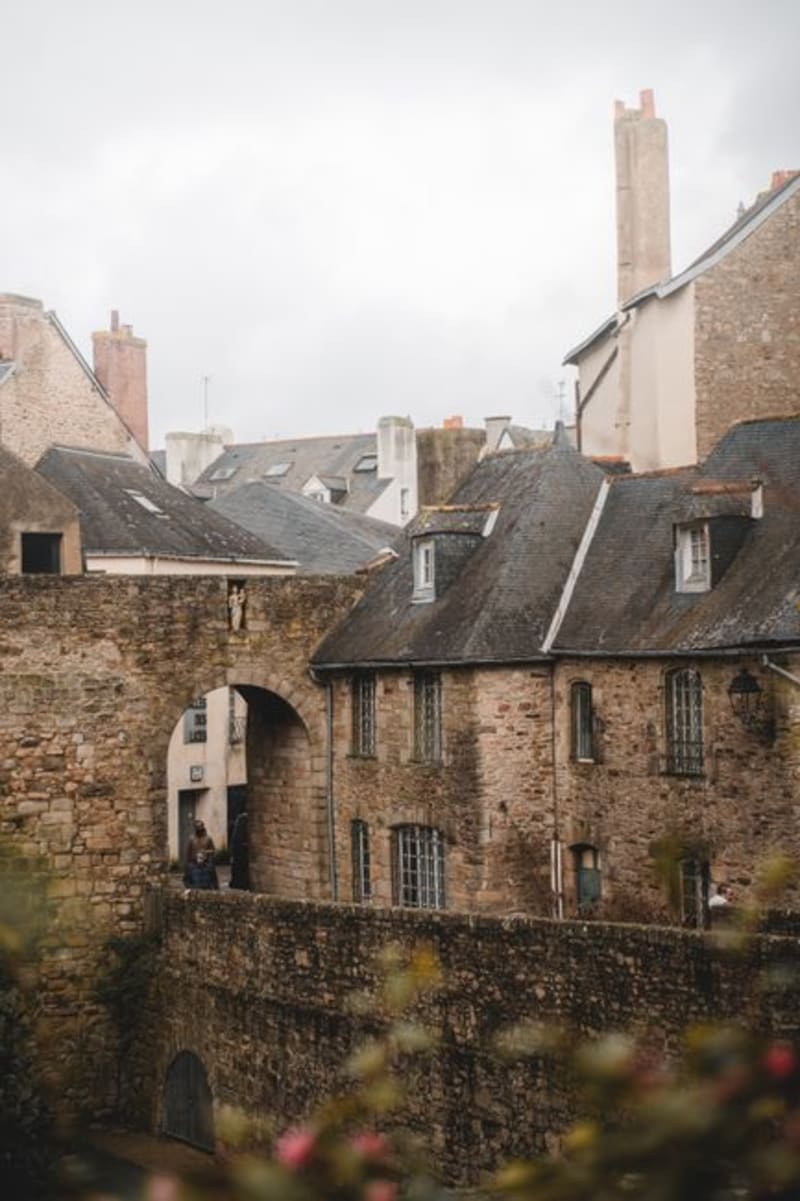 france
 Vannes
A half-timbered old town at the head of the Gulf of Morbihan where stone washhouses still line the ramparts and the tide brings the sea almost to the cathedral doorstep.
Explore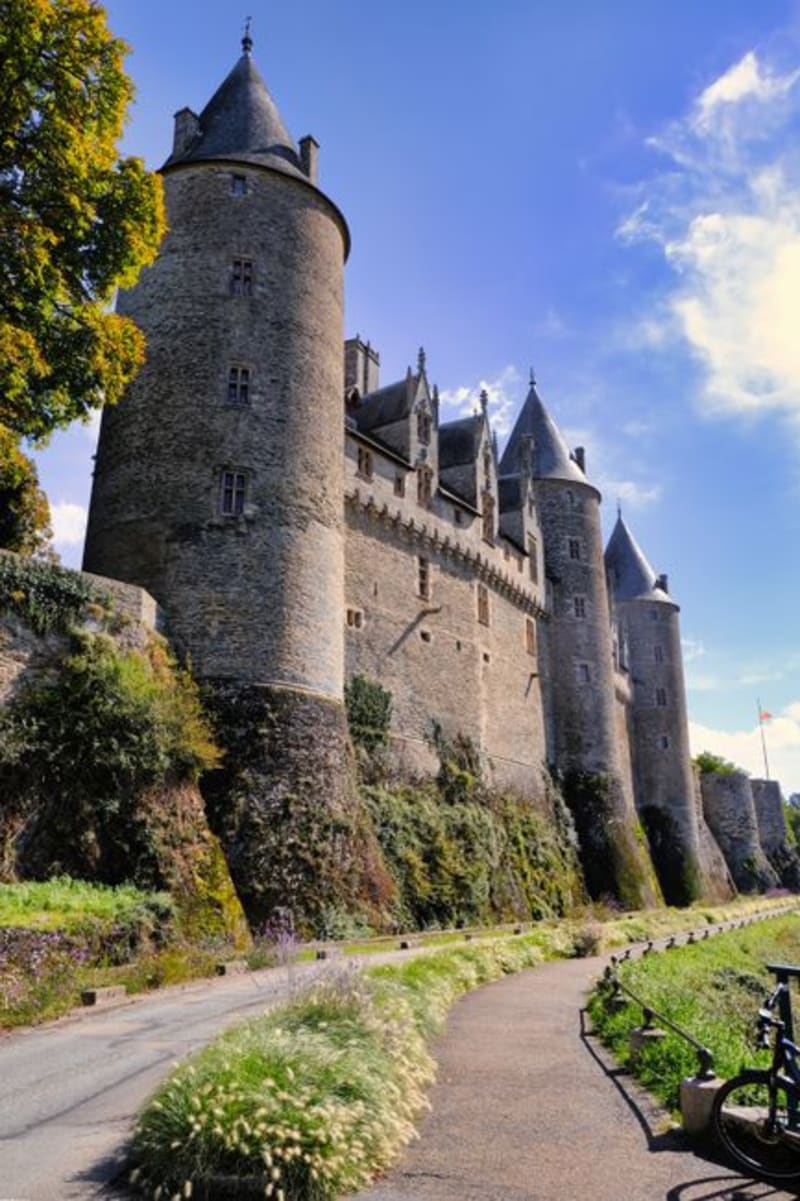 france
 Josselin
A château so improbably fairy-tale that I assumed it was a reconstruction until someone told me the same family has lived there since the 12th century.
Explore france
 Auray
A steep little port quarter below the main town where the boats, the wine bars, and the smell of low tide mud make it hard to leave before dark.
Explore france
 Belle-Île-en-Mer
An island off the Quiberon peninsula with jagged cliffs on one coast and calm sandy coves on the other, and a name that undersells nothing.
Explore