Vannes
"I didn't expect a city of this size to still feel like a village that got lucky with its architecture."
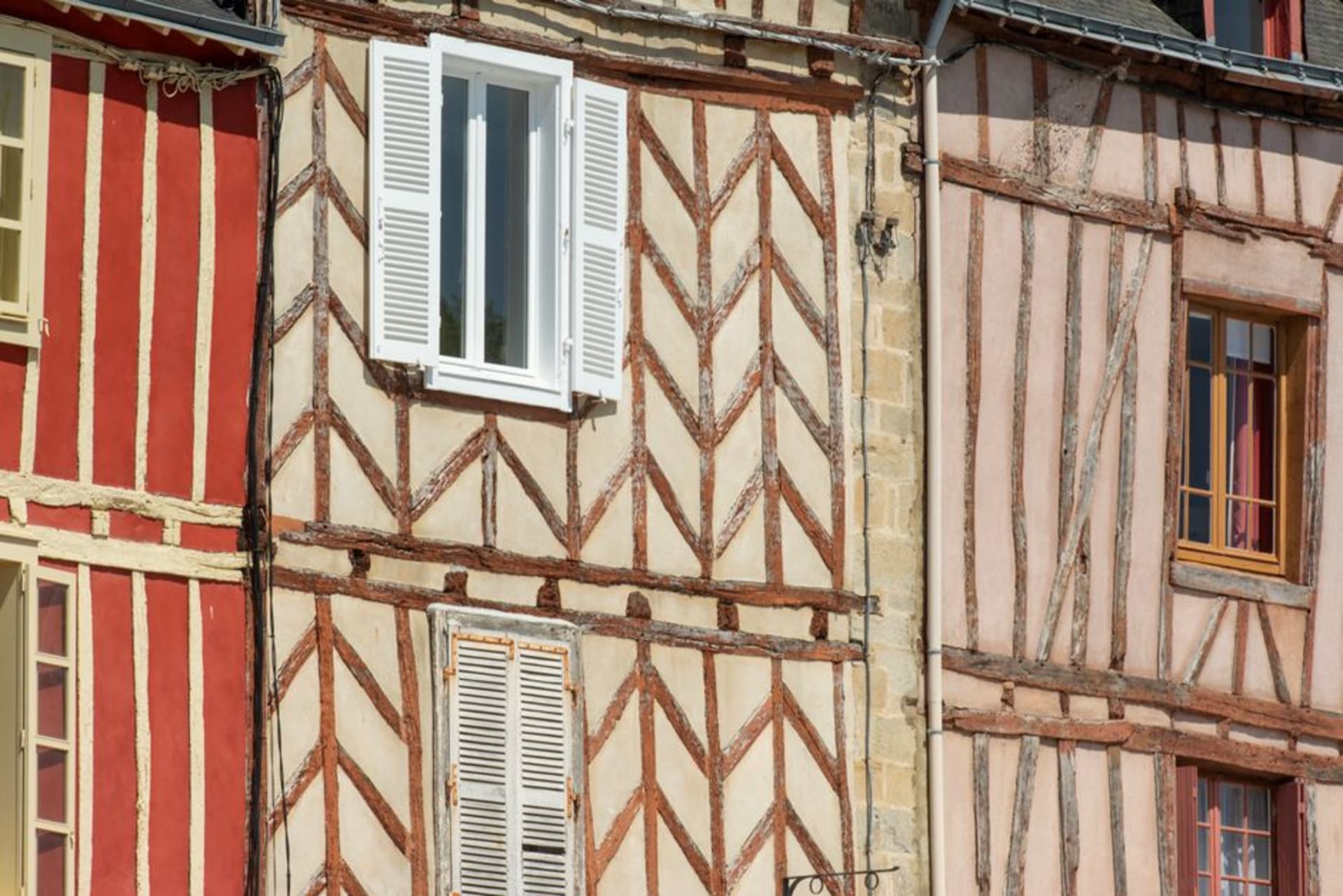
A half-timbered old town at the head of the Gulf of Morbihan where stone washhouses still line the ramparts and the tide brings the sea almost to the cathedral doorstep.

Vannes was the base we picked for exploring the Gulf of Morbihan, and it ended up being the thing we came back to talk about more than the boat trips out to the islands. It’s a real city — an administrative capital with a university and a proper commercial centre — but the old town inside the ramparts has kept a scale so intimate that Lia kept forgetting we weren’t in a village.
The washhouses below the walls
The best view in Vannes is a strange one: standing on the ramparts near Porte Prison and looking down at the Lavoirs de la Garenne, a row of stone washhouses with slate roofs lined up along the old moat like a little terrace of houses in miniature, flower boxes and all. Women scrubbed laundry here into the 20th century, kneeling at the stone basins with the half-timbered houses of the old town rising behind them, and the picture is so complete that it’s hard to believe it isn’t staged for visitors. It isn’t — the lavoirs are simply still there, restored rather than rebuilt, and locals still walk the ramparts path above them on an evening stroll the way we did, twice, because the light was doing something different each time.

Where the tide comes up to meet the town
Vannes sits at the northern tip of the Gulf of Morbihan, a near-enclosed sea dotted with dozens of small islands, and at high tide the water pushes right up a narrow channel into the old port, small sailboats tying up almost within sight of the cathedral spire. We took a morning boat out from the marina toward the gulf’s islands — Île-aux-Moines and Île-d’Arz — through currents strong enough that our guide throttled down and explained the tides here run so fast in the narrow straits between islands that the water can seem to flow uphill. Back in town that evening we ate galettes at a half-timbered corner near the Cathédrale Saint-Pierre, its mismatched façade the result of centuries of additions nobody bothered to unify.

When to go: Late spring gets you good weather for the gulf boat trips without peak-summer crowding, and the tides are worth checking in advance if you want the port channel at its most photogenic.
Keep exploring
More of Brittany
Keep exploring
More from Brittany
 france
 Auray
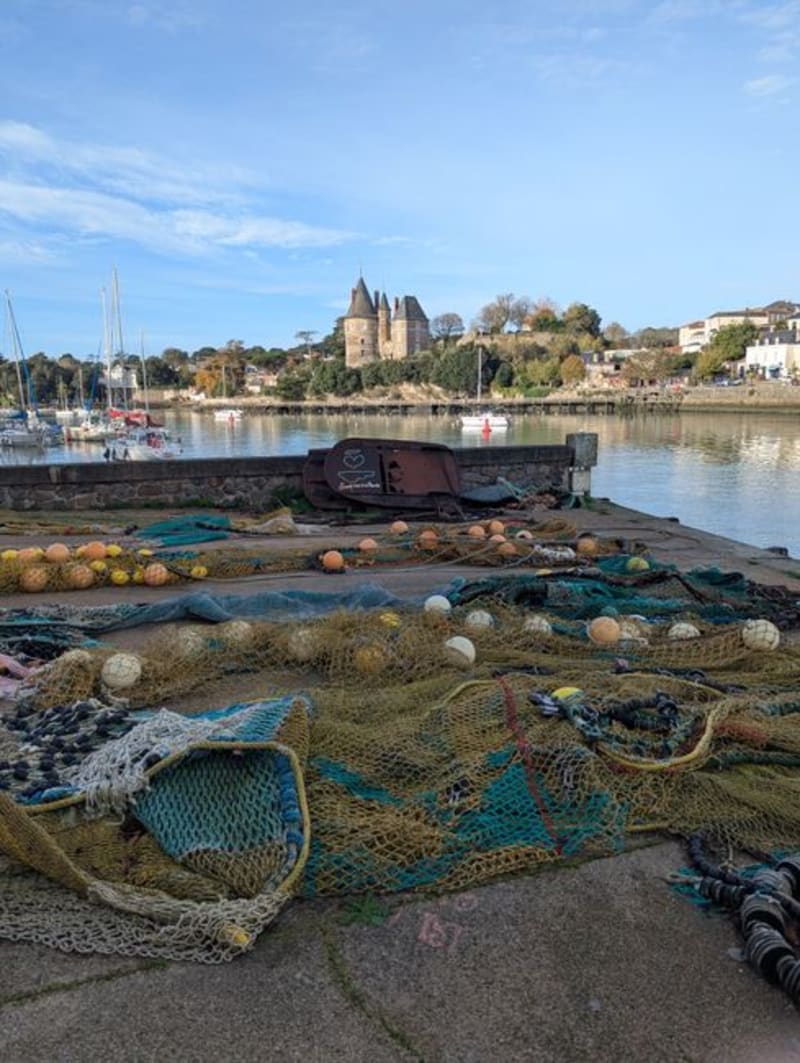
A steep little port quarter below the main town where the boats, the wine bars, and the smell of low tide mud make it hard to leave before dark.
Explore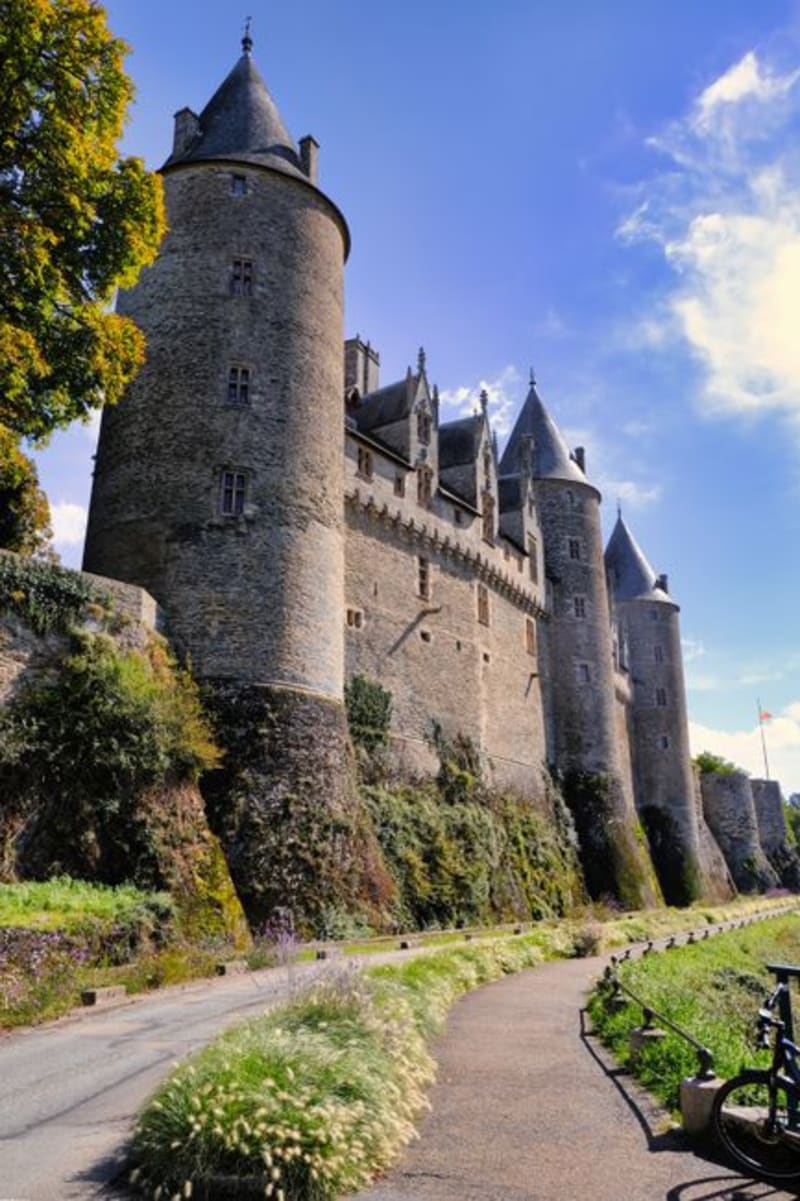 france
 Josselin
A château so improbably fairy-tale that I assumed it was a reconstruction until someone told me the same family has lived there since the 12th century.
Explore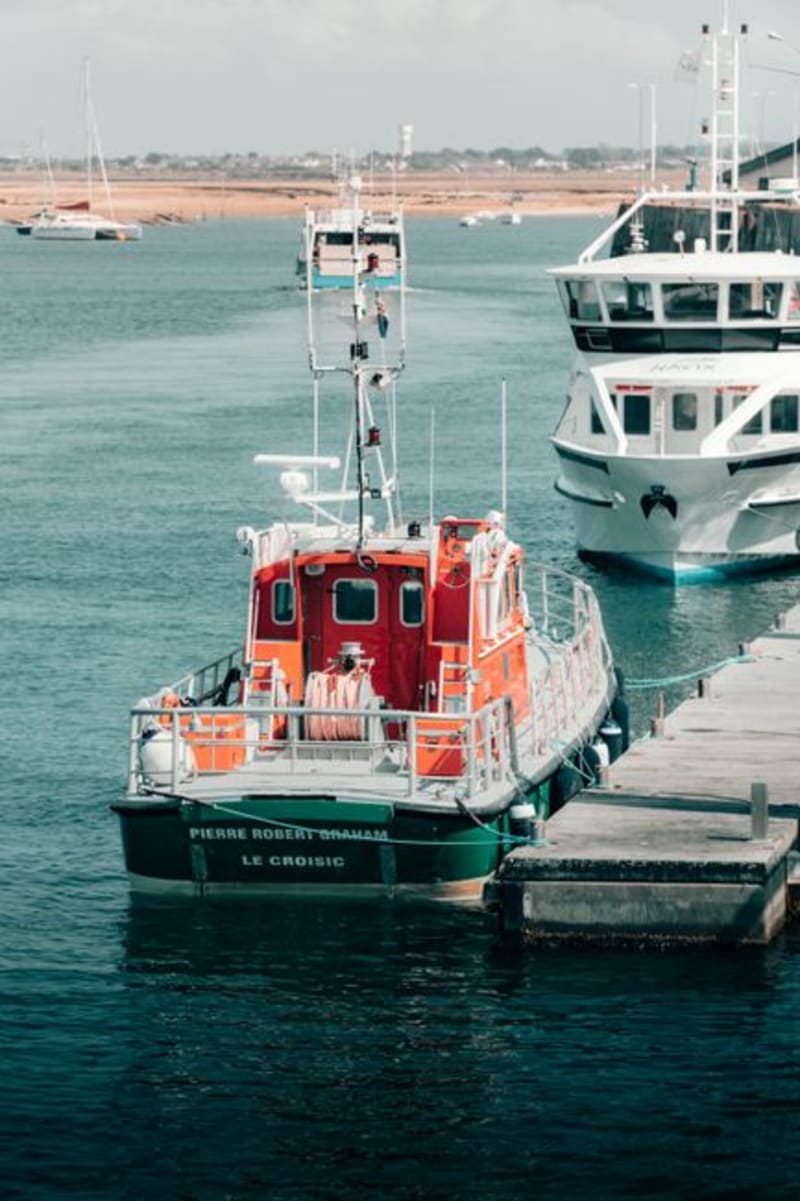 france
 Le Croisic
A working fishing port at the tip of the Guérande peninsula where the trawlers still come in every morning and the ocean museum next to the harbor made Lia late for lunch twice.
Explore france
 Guérande
A fully walled medieval town ringed by salt pans where I watched a paludier rake fleur de sel off the water by hand and understood why the stuff costs what it does.
Explore france
 La Baule
A nine-kilometer crescent of sand backed by Belle Époque villas where I finally understood why French families have been arguing over the same beach chairs for a hundred years.
Explore france
 Belle-Île-en-Mer
An island off the Quiberon peninsula with jagged cliffs on one coast and calm sandy coves on the other, and a name that undersells nothing.
Explore