Pont-Aven
"I understood, for the first time, why an entire art movement got named after somewhere this small."
A small mill town on the Aven river that Gauguin and a whole school of painters made famous, and where the light on the water still looks like it's trying to be painted.

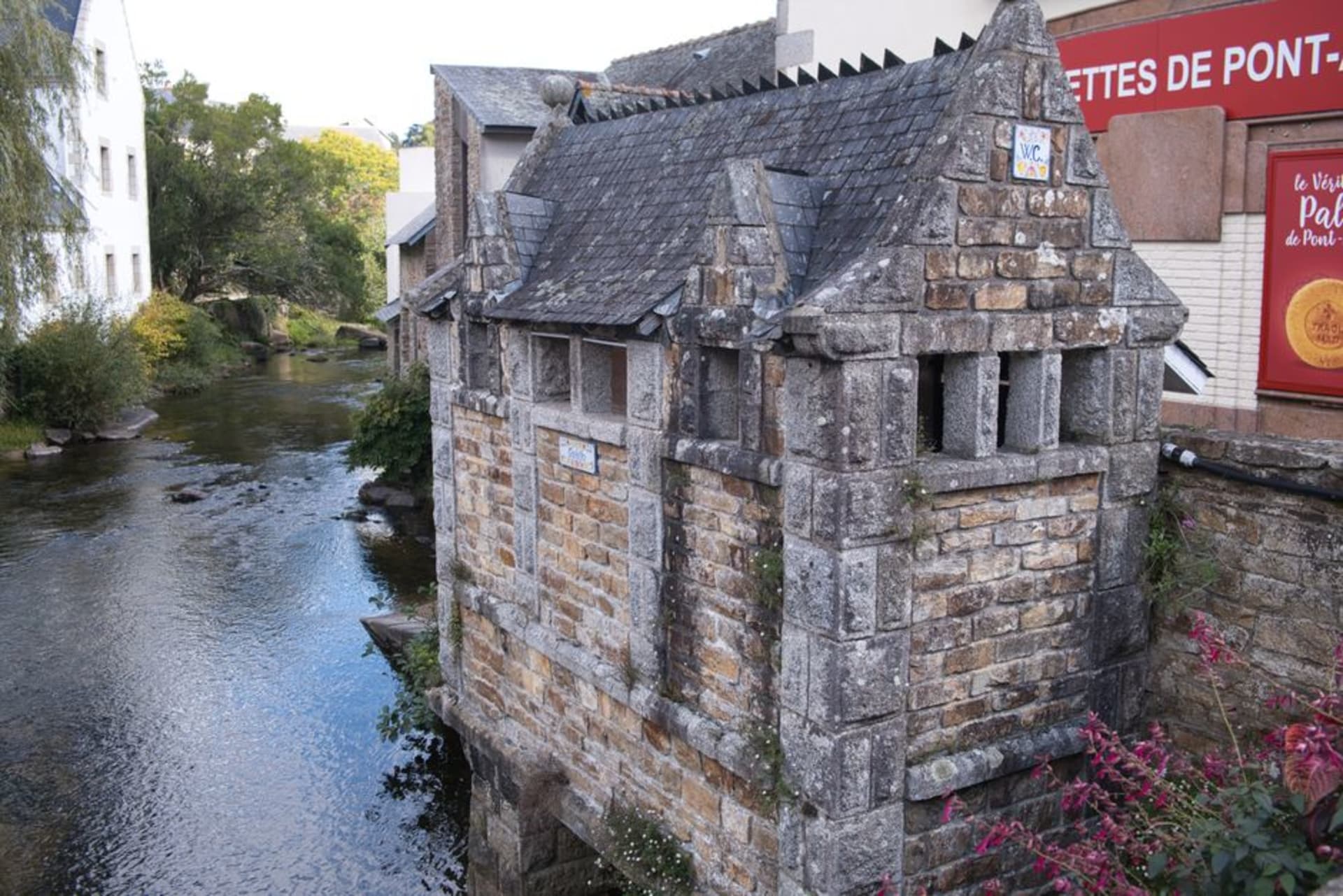
Pont-Aven has fewer than three thousand people and once had, by some counts, as many as fourteen working watermills along its short stretch of the Aven river, grinding grain for the surrounding countryside and giving the town its old motto about being a town of mills. Only a handful of the mills survive, but the river still does the work of holding the whole place together, and Lia and I spent a slow afternoon just following it from one end of town to the other.
The town that gave a movement its name
In the late 1880s, Paul Gauguin and a loose circle of painters — Émile Bernard, Paul Sérusier, and others — began gathering in Pont-Aven, drawn by cheap lodging, good light, and a landscape of granite, gorse, and wooded riverbanks that hadn’t yet been picked over by every artist in France. What they developed here, a style using flat areas of bold colour and simplified forms rather than realistic detail, came to be called Synthetism, and art historians now just call the whole loose group the Pont-Aven School. The Musée de Pont-Aven, in the centre of town, holds a solid collection of their work alongside the older postcards and photographs that show how little the physical town has changed. We spent an hour there and then went looking for the actual spots the paintings were made from, matching river bends to canvases with the kind of stubbornness that only makes sense on holiday.

The Bois d’Amour and a river full of mills
The Bois d’Amour, a wooded path following the river just outside the town centre, is where Sérusier painted The Talisman in 1888, a small, almost abstract landscape now credited as one of the founding works of modern art, painted under Gauguin’s direct instruction to simplify what he saw into pure colour. Walking the same path today, past moss-covered rocks and the same dappled river light, it’s genuinely easy to understand the impulse. Back in town we watched the water turn one of the last working mill wheels near the old stone bridge, ate galettes at a riverside table, and bought a couple of small watercolours from a gallery that still, in a town this size, felt like a natural thing to do.

When to go: Late spring and early autumn give you the softest light along the river, which is really the whole point of coming. The town gets busy but never overwhelming even in August, thanks to its small scale.
Keep exploring
More of Brittany
Keep exploring
More from Brittany
 france
 Concarneau
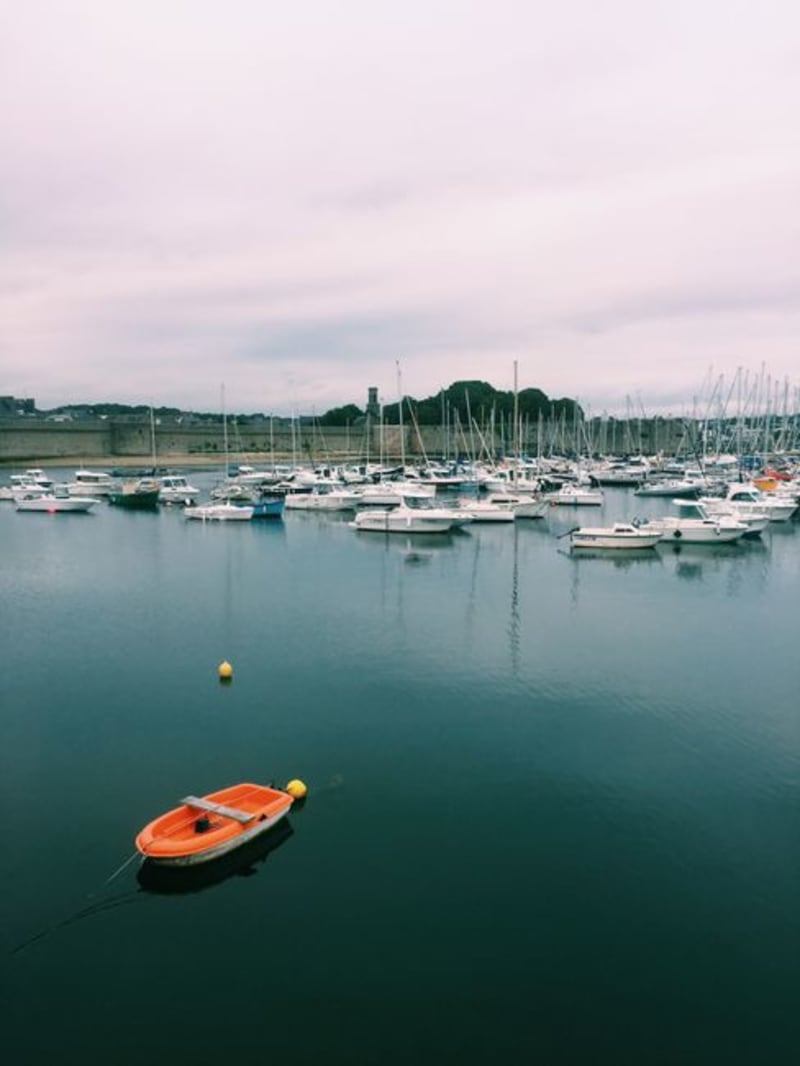
A working fishing port in southern Brittany where a fortified island town sits in the middle of the harbour and the nets drying on the quay are still blue for a reason nobody could fully explain to us.
Explore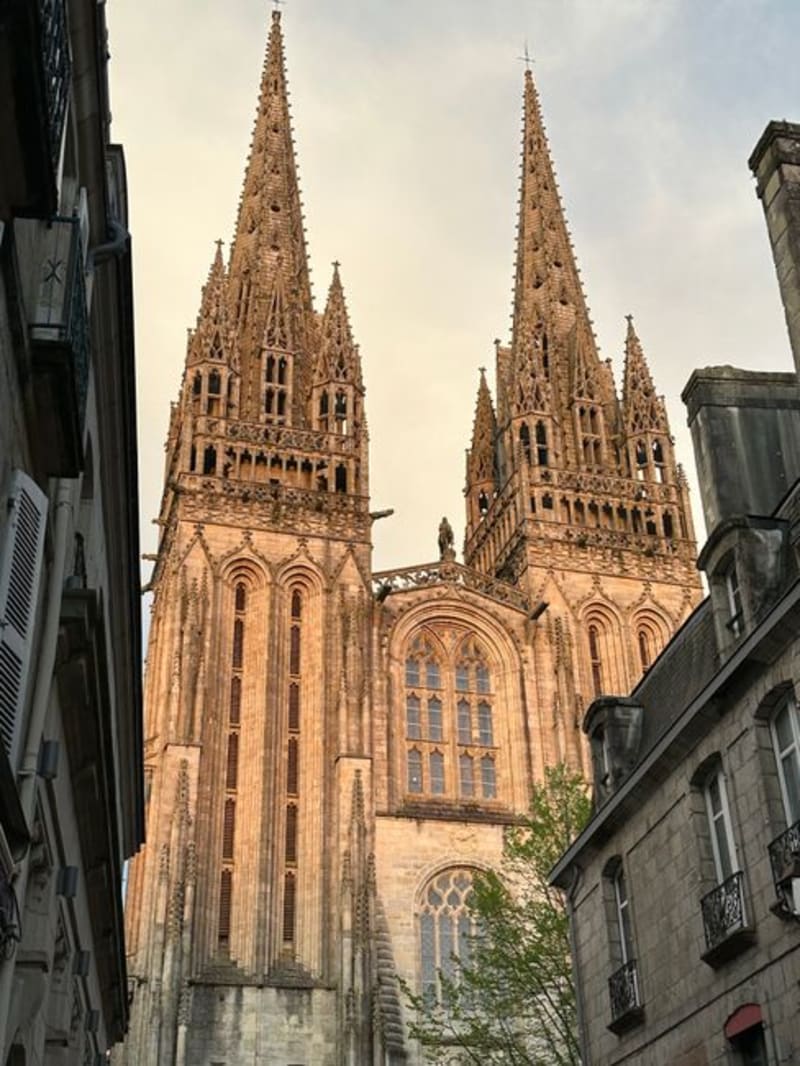 france
 Quimper
The old capital of Cornouaille where two rivers meet under a cathedral with a crooked spire, and where I bought more hand-painted Breton pottery than we had room for in the car.
Explore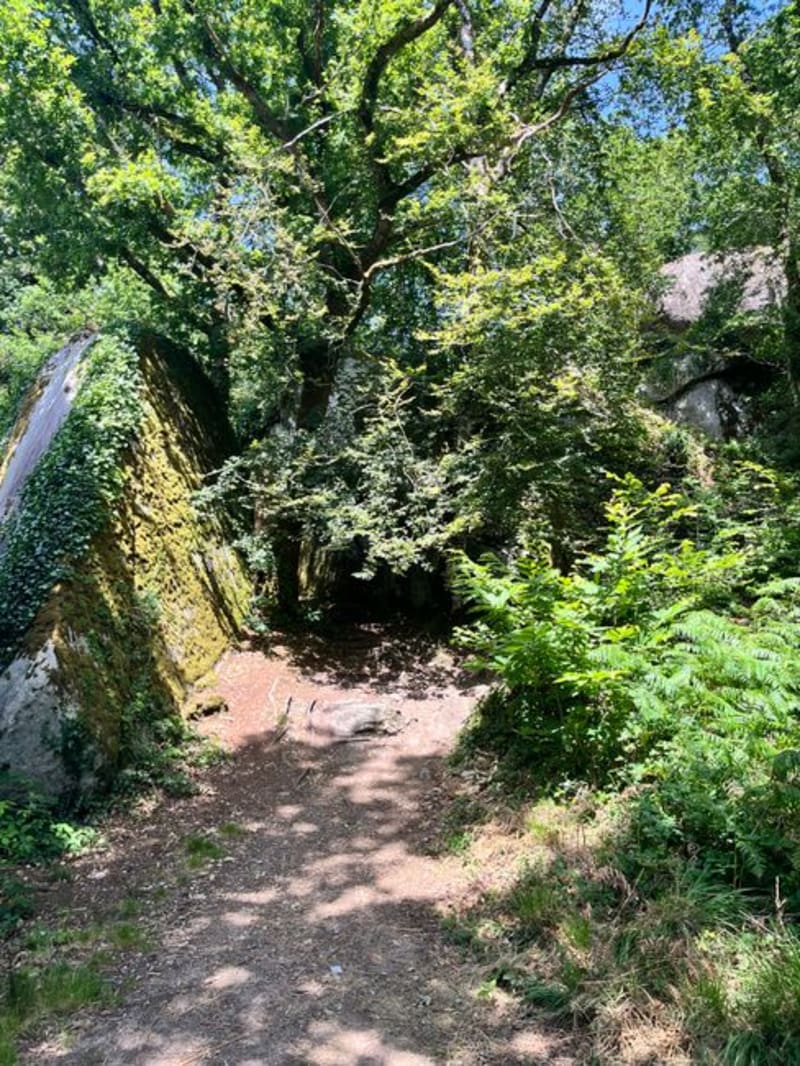 france
 Huelgoat
A forest of house-sized granite boulders in Brittany's forgotten interior where local legend insists the devil himself is trapped under a slab, and where I genuinely lost the trail for twenty minutes.
Explore france
 Locronan
A tiny granite village in Finistère so uniformly beautiful that it's been used as a film set a dozen times, and where we spent an entire afternoon without covering more than three streets.
Explore france
 Belle-Île-en-Mer
An island off the Quiberon peninsula with jagged cliffs on one coast and calm sandy coves on the other, and a name that undersells nothing.
Explore france
 Auray
A steep little port quarter below the main town where the boats, the wine bars, and the smell of low tide mud make it hard to leave before dark.
Explore