
Caribbean
Cuba
"The place that proves a country's soul has nothing to do with its GDP."
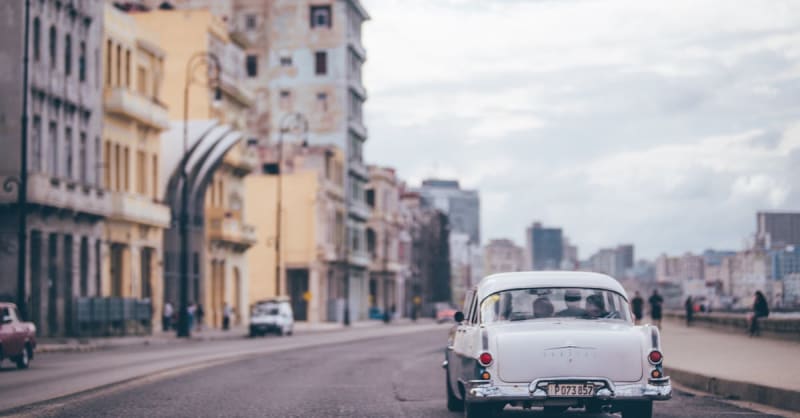
Havana hits you with all of it at once. The crumbling colonial facades painted in pastels that the Caribbean sun has aged into something more beautiful than any restoration could achieve. The 1950s Chevrolets and Buicks, still running because necessity is the most creative mechanic. The music — always the music — drifting from open doorways, from rooftop bars, from a man sitting on a plastic chair with a guitar and a voice that makes the street stop. Havana is not a museum. It is a living city that happens to be frozen at an intersection of history that nowhere else on earth occupies.
Beyond the capital, Cuba unfolds into a landscape of tobacco valleys, colonial towns, and coastline that mass tourism has never reached. Vinales, in Pinar del Rio, is a valley of mogote limestone hills and red-earth tobacco fields that looks like a painting someone decided was too idyllic to be realistic. Trinidad is a UNESCO-listed colonial town where the cobblestones lead to a salsa club in a cave. The southern coast — the Bay of Pigs, the Jardines de la Reina archipelago — holds some of the best-preserved coral reefs in the Caribbean, precisely because decades of isolation kept the dive boats away.
The practical realities are real and should not be romanticized. Infrastructure is strained, internet is limited, and the dual economy creates contradictions that are visible on every block. But these frictions are part of what makes Cuba irreplaceable as a travel experience. It demands engagement rather than consumption.
When to go: November to April for dry season. Hurricane season runs June through November, with the highest risk in September and October. December through February offers the most comfortable temperatures.
What most guides get wrong: They oversell the vintage car fantasy and undersell the complexity. Cuba is not a theme park of mid-century nostalgia — it is a country with real tensions, real creativity, and real warmth. Stay in casas particulares, eat in paladares, talk to people. The Cuba worth experiencing lives in conversation, not in a photo of a turquoise Chevrolet.
Explore
Places in Cuba

Baracoa
Cuba's oldest and most isolated town, a lush eastern outpost where mountains meet the sea and cacao replaces sugar as the local currency of flavor.
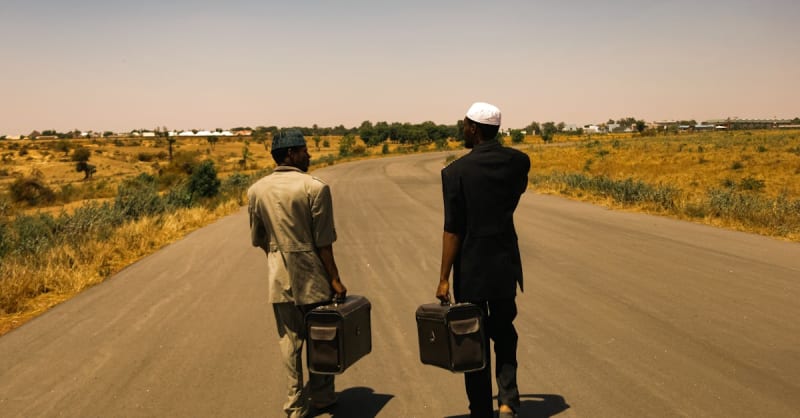
Camaguey
Cuba's labyrinthine third city, where an intentionally confusing street plan and giant clay pots define a fiercely independent cultural identity.
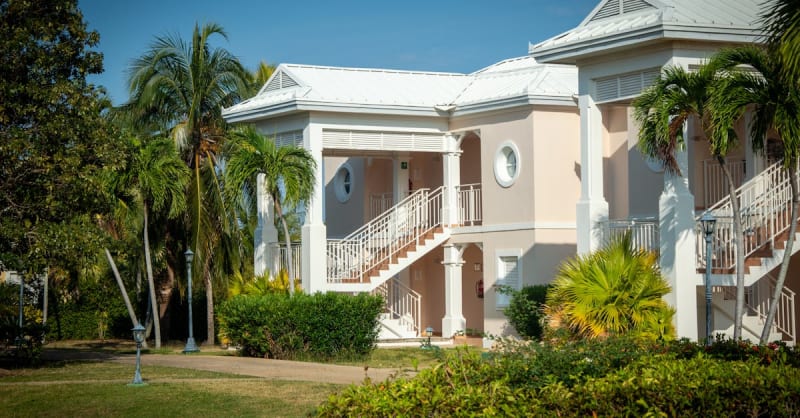
Cayo Coco
A mangrove-fringed island off Cuba's north coast, connected by causeway, where flamingo colonies and white-sand beaches define a Caribbean escape.
Cienfuegos
The Pearl of the South, a neoclassical port city on a sheltered Caribbean bay founded by French settlers and unlike anywhere else in Cuba.
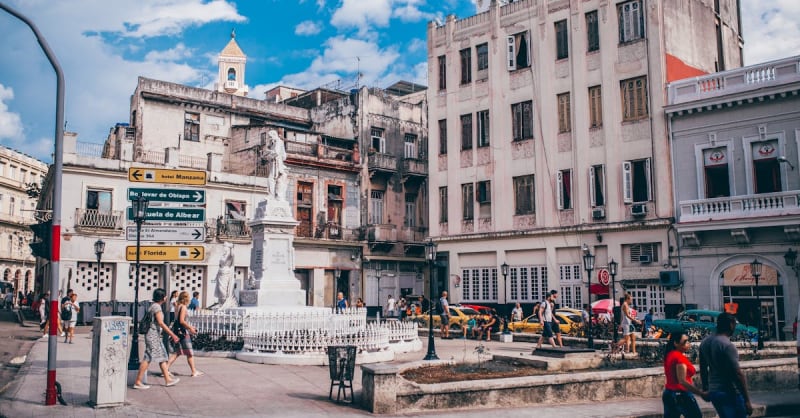
Havana
A time-capsule capital where crumbling colonial grandeur, vintage American cars, and irrepressible music create the most photogenic city in the Americas.
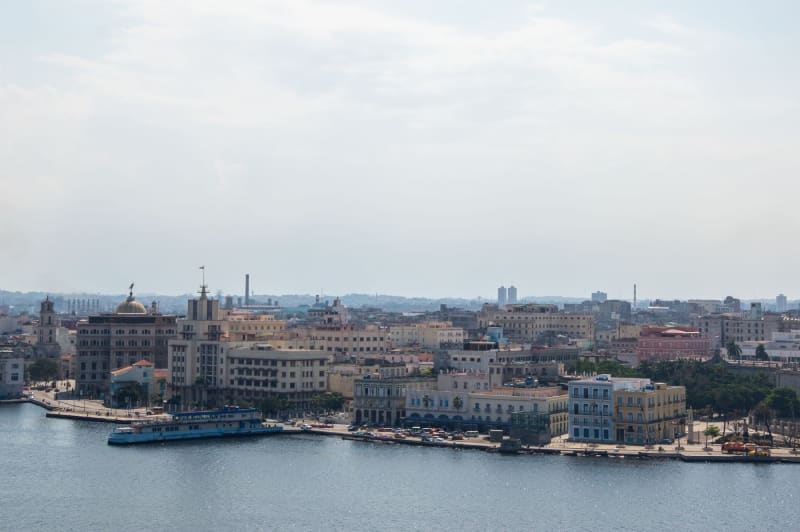
Havana Malecón
The five-kilometer sea wall where Habaneros gather at dusk with rum, guitars, and everything they can't say anywhere else.
Remedios
A sleepy colonial town that erupts each December in the Parrandas, Cuba's oldest and most spectacular fireworks festival.
Santa Clara
The university city where Che Guevara derailed an armored train and won the battle that broke Batista, now half shrine and half student town.
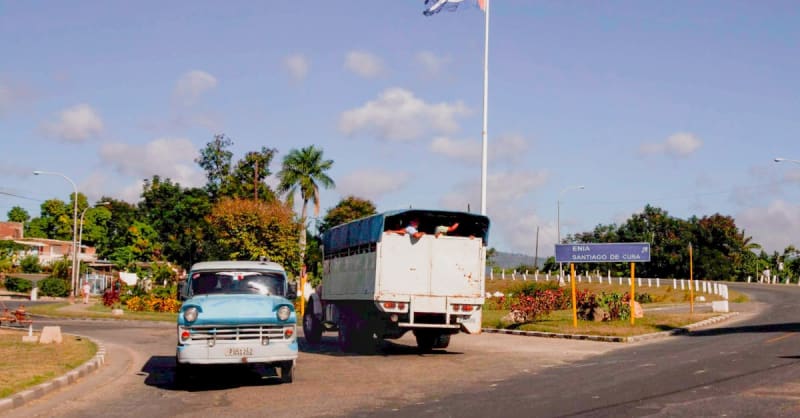
Santiago de Cuba
Cuba's second city and its most Caribbean, a hilly port town where Afro-Cuban culture, revolutionary history, and son music are inseparable.
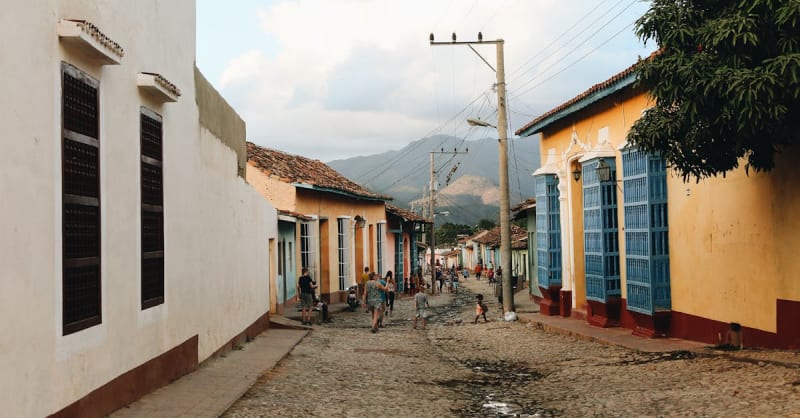
Trinidad
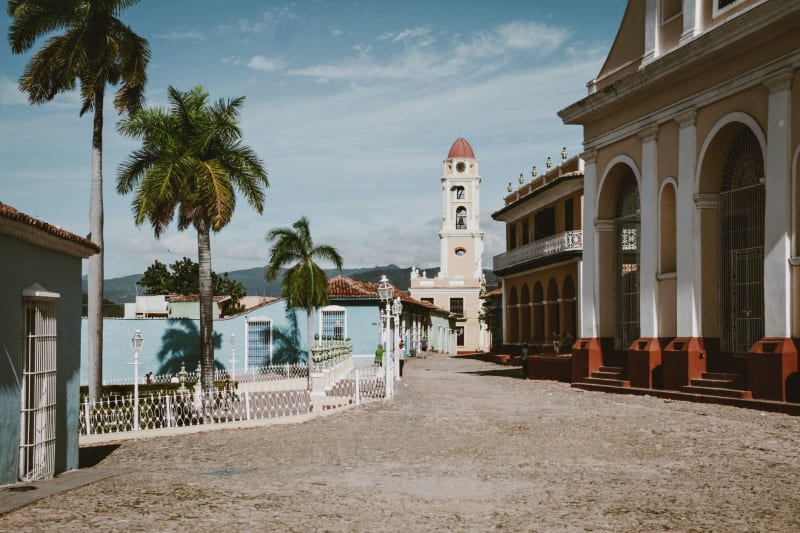
A perfectly preserved colonial town frozen in the sugar-boom era, where cobblestone streets climb toward the Escambray Mountains.
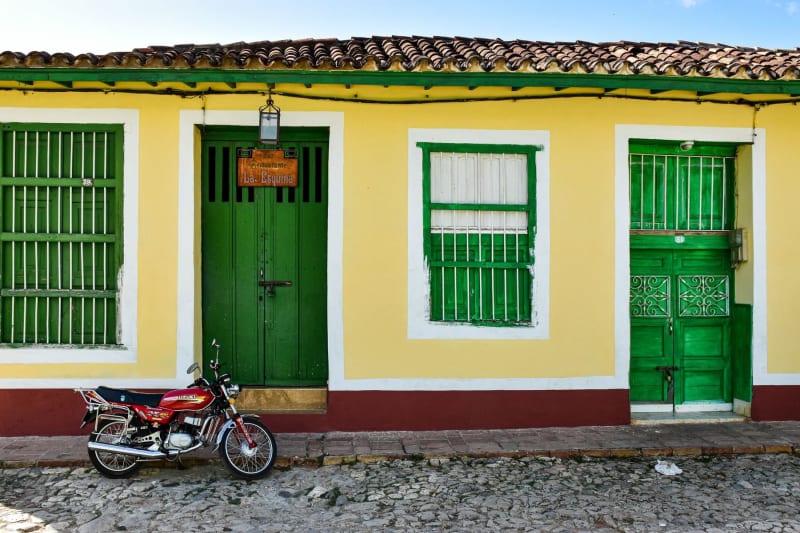
Trinidad Cuba
A UNESCO time capsule where the cobblestones are original and the 18th-century sugar wealth is still visible.
Varadero
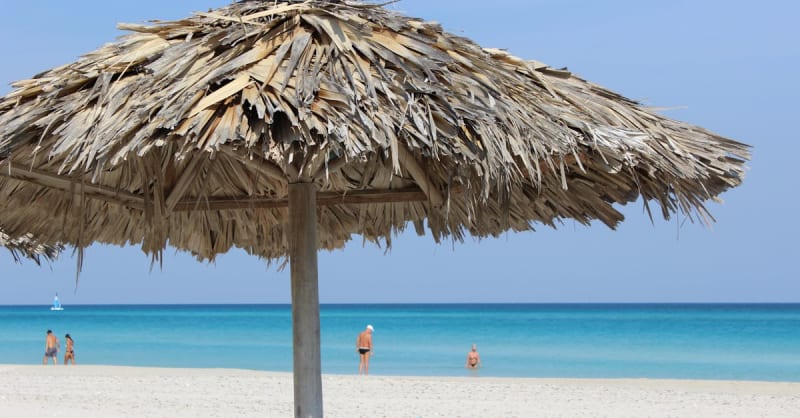
Cuba's premier beach resort, a twenty-kilometer peninsula of white sand and turquoise water that draws sun-seekers from across the world.
Vinales
A lush valley of limestone mogotes and tobacco fields in western Cuba, where farmers still cure leaves in traditional thatched barns.
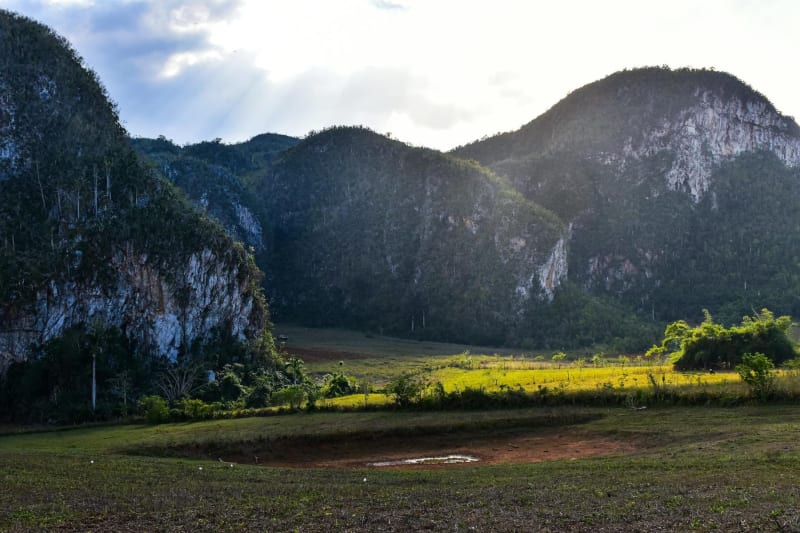
Vinales Valley
Limestone mogotes rise from tobacco fields in Cuba's most painterly valley, where time moves at ox-cart speed.
Free download
Get the Cuba Guide
A curated PDF itinerary with honest picks, real restaurants, and the details that matter — the kind you'd actually print and bring.
Download the guide