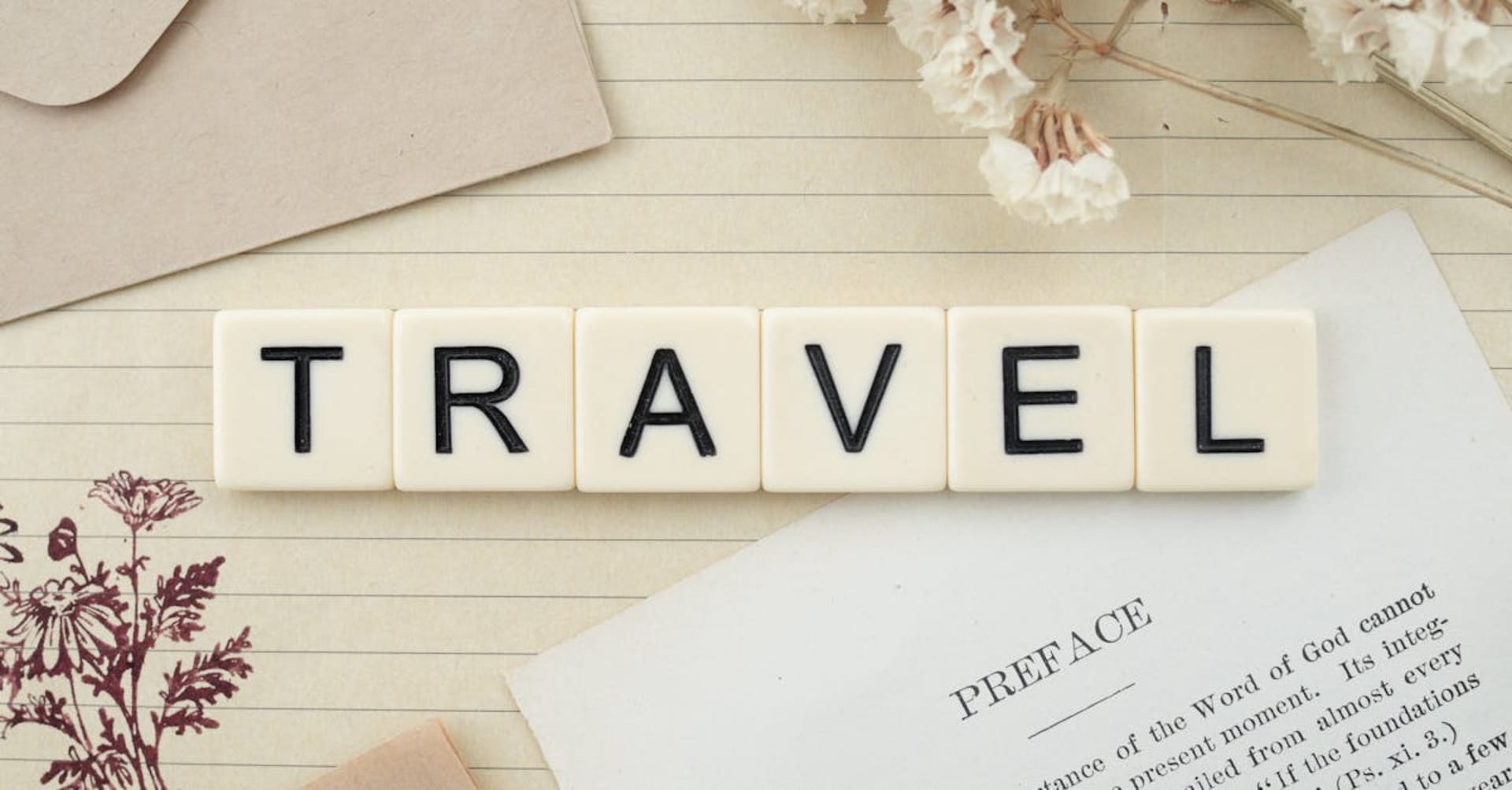
Baracoa is Cuba’s beginning — the first city founded by the Spanish in 1511, and still the most isolated, accessible only by a dramatic mountain road carved through the Sierra del Purial in the 1960s. The town wraps around a bay overlooked by the flat-topped El Yunque mountain, a landmark that Columbus reportedly noted in his logbook. The isolation has preserved something special: a pace of life, a cuisine, and a relationship with the surrounding rainforest that exists nowhere else on the island.
Getting to Baracoa is part of the experience. The road from Santiago de Cuba, known as La Farola, was one of the revolution’s early engineering projects — a serpentine highway that clings to mountain ridges and crosses river valleys on bridges that feel like acts of faith. The views are extraordinary, and the arrival, after hours of curves and green slopes, feels earned in a way that few destinations manage.
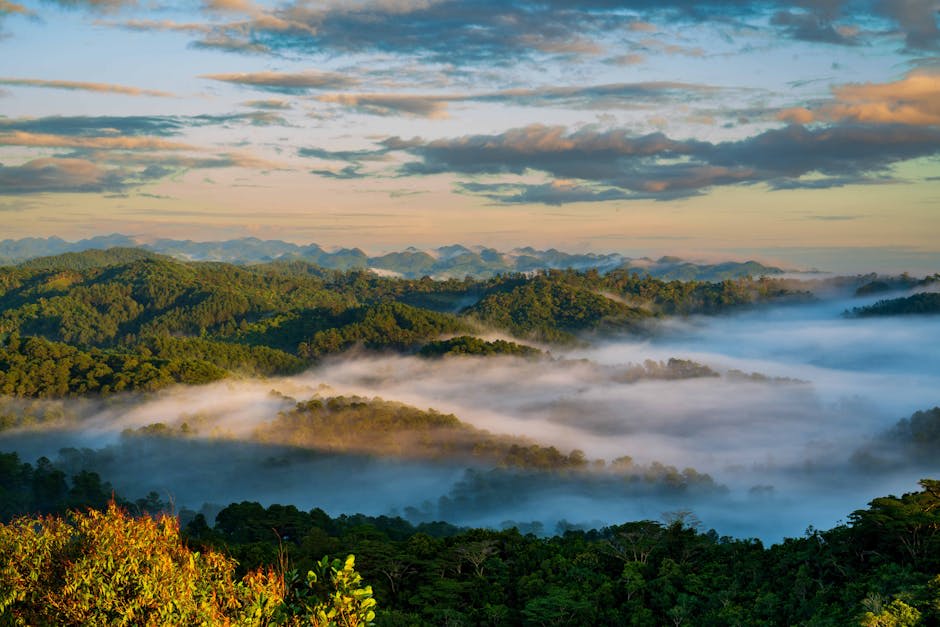
Cacao is Baracoa’s signature — the chocolate is made locally and appears in everything from drinks to sauces. The cucurucho, a sweet confection of coconut, honey, and fruit wrapped in a palm leaf cone, is the town’s iconic snack. I bought one from a woman selling them at the roadside and it was so good I went back for three more. The cacao culture here predates the tourist interest by centuries — families have been growing and processing it in the hills above town since the colonial era, and the local Che Guevara chocolate factory produces bars that are rustic, intense, and utterly unlike anything you will find in European confections.
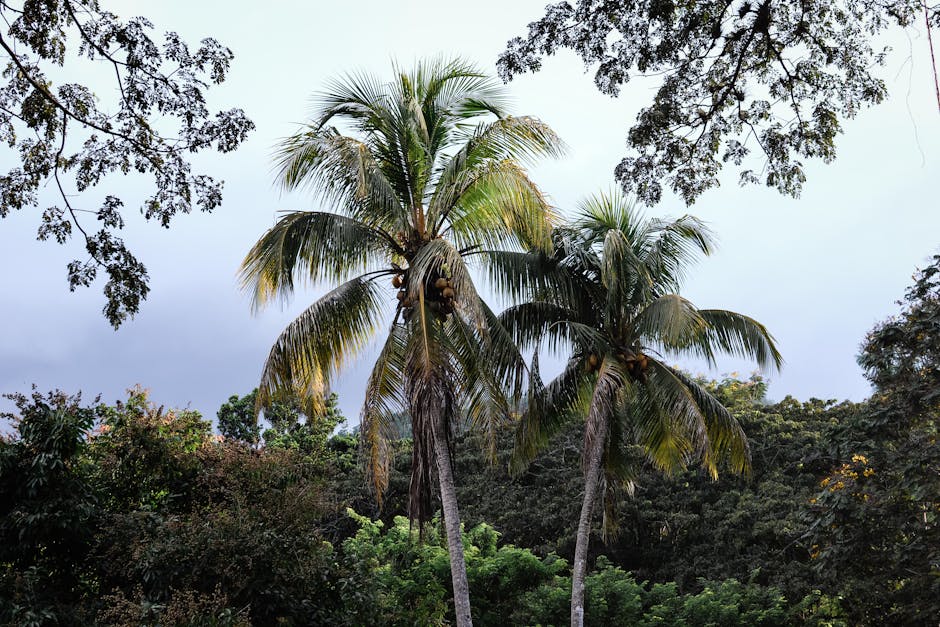
The surrounding rivers — the Toa, Cuba’s largest — offer kayaking through pristine rainforest, and the Parque Nacional Alejandro de Humboldt, a UNESCO site, protects some of the most biodiverse forest in the Caribbean. I hiked with a local guide named Yusniel who knew every bird by sound and every medicinal plant by touch. The polymita snails — their shells painted in spirals of yellow, red, and black — are endemic to this region and protected, though you will see them on every bush along the trail.
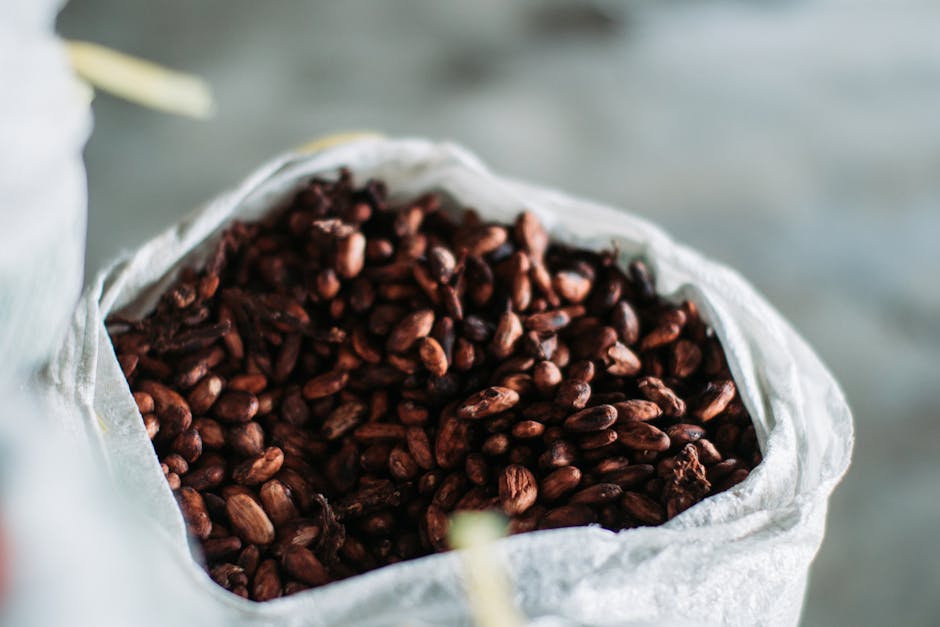
The town itself is small enough to walk in an hour, but rich enough to fill days. The Malecon here is shorter and quieter than Havana’s — a curved seawall where fishermen cast lines at sunset and teenagers jump into the bay. The Catedral de Nuestra Senora de la Asuncion houses what locals claim is the Cruz de la Parra, the cross Columbus planted upon landing. The food is distinct from the rest of Cuba — coconut replaces pork fat, cacao appears in savory dishes, and the seafood is as fresh as geography demands.
The nightlife is one bar, one sound system, and the entire town. It was the best night out I had in Cuba.
When to go: December to April for driest weather, though Baracoa is Cuba’s wettest town and rain is possible anytime. The isolation means fewer tourists year-round.