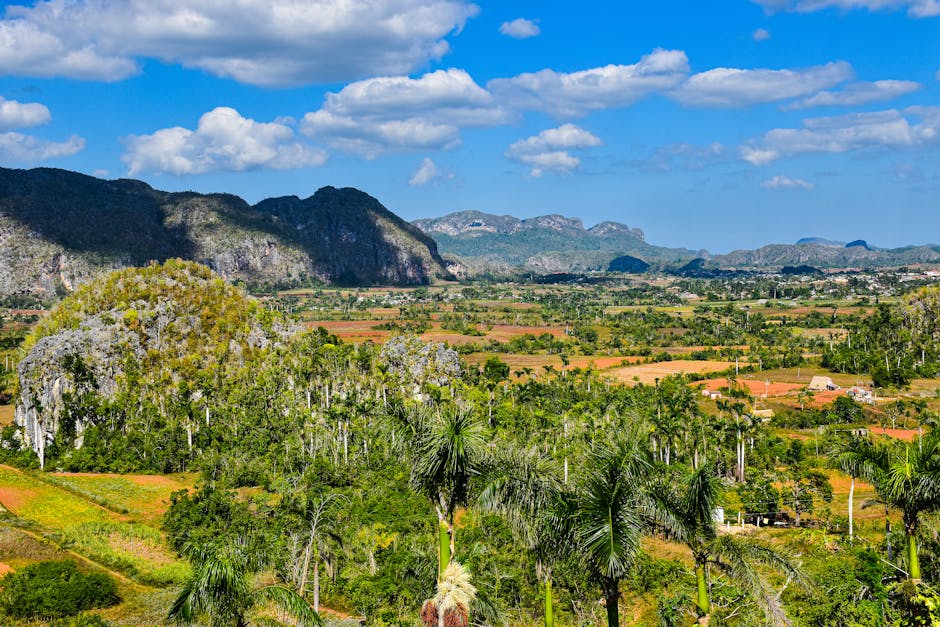
Vinales is Cuba’s most beautiful landscape — a UNESCO-listed valley where flat-topped mogotes (limestone formations) rise dramatically from a patchwork of red-earth tobacco fields, royal palms, and thatched drying barns. The tobacco farms are the essential visit, where farmers demonstrate the process from plant to hand-rolled cigar with a pride and expertise that no factory tour can match. A puro smoked on a farmer’s porch, overlooking the valley at sunset, is Cuba at its most essential.
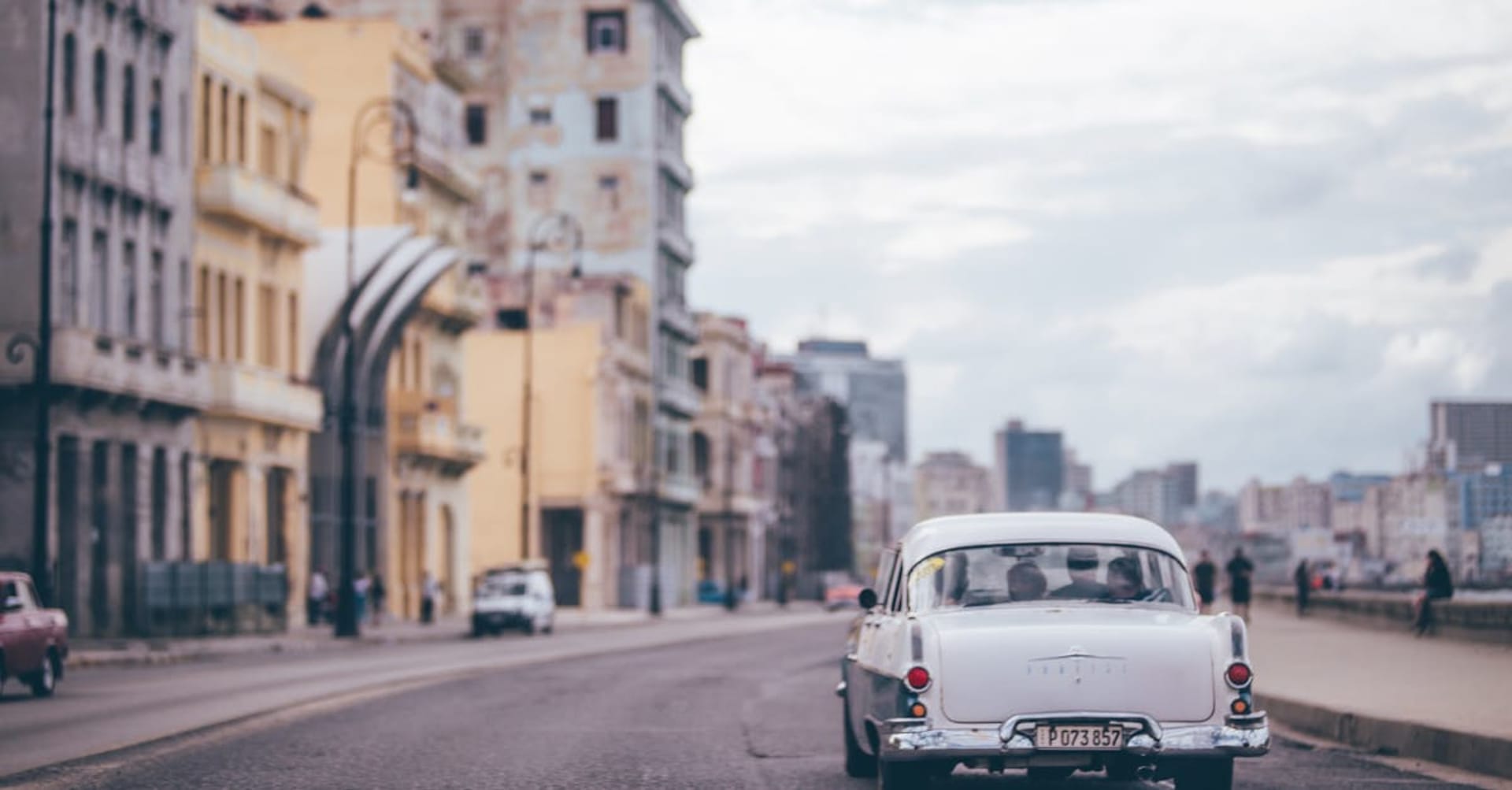
I spent three days in Vinales and could have stayed a week. The valley has a quality of light in the early morning — the mogotes emerging from mist, the red earth still damp, the palm trees catching the first sun — that belongs in a painting by someone who would be accused of romanticizing. But it is real. I watched it from the porch of my casa particular every morning with coffee so strong it could have powered the vintage car that brought me from Havana.
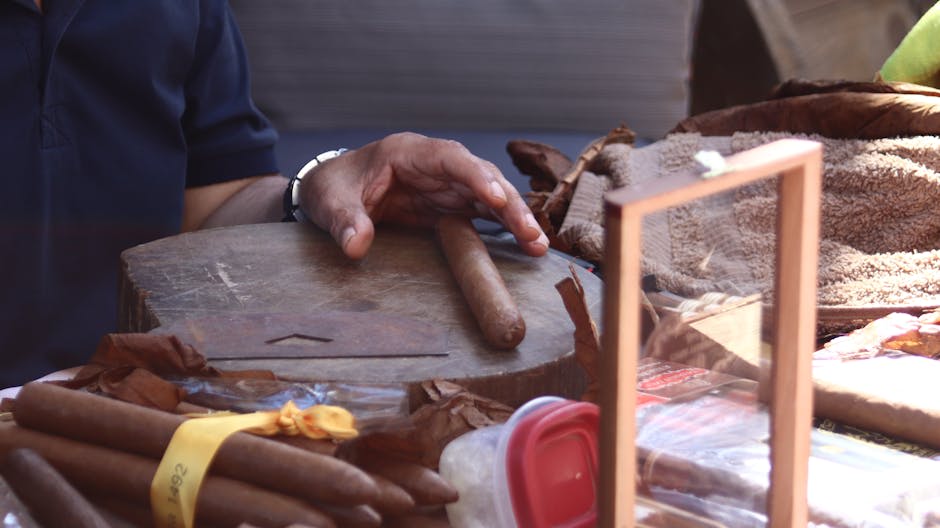
The tobacco farms are the reason most visitors come, and they are worth every minute. I visited Alejandro Robaina’s family finca — not the famous one that bears the name commercially, but a cousin’s smaller operation where the process is entirely manual. The farmer, wearing the quintessential Cuban guayabera and straw hat that would look like a costume on anyone else, walked me through the entire cycle: seedling to harvest, curing in the thatched vega barns, fermentation, rolling. He rolled a cigar for me on the spot, lit it, and we smoked together overlooking his fields while he explained why Vinales tobacco is different — the red soil, the microclimate, the morning dew.
The valley offers gentle adventure: horseback riding through the mogotes, cycling the valley road past oxen-plowed fields, and exploring the Cueva del Indio cave system by boat along an underground river. The horseback ride was my favorite — four hours through landscapes that shifted from tobacco field to forest to limestone cliff, with a stop at a farmhouse where the family served coffee and fresh-squeezed orange juice.
The town of Vinales itself is a single main street of brightly painted houses offering casas particulares (homestays), rocking-chair porches, and home-cooked meals that regularly surpass Havana’s restaurants. My host, a woman named Yoanis, cooked a dinner of ropa vieja, black beans, fried plantains, and a flan that would have earned a standing ovation in any French restaurant. The cost was the equivalent of five euros. The quality was incalculable.
The Mural de la Prehistoria, a massive painting on a mogote cliff face, is gloriously kitsch — commissioned by Fidel Castro in the 1960s, it depicts evolution on a scale that can only be described as Soviet-meets-Caribbean. It is terrible art and a wonderful experience. The bar at its base serves mojitos. The view of the valley from the parking lot is better than the mural itself.
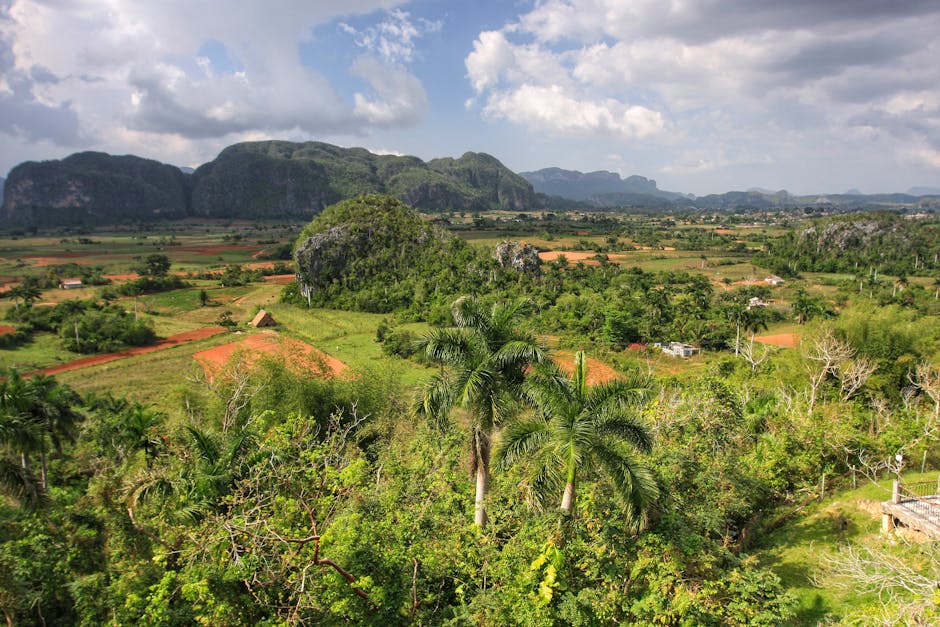
When to go: November to April for dry season and ideal temperatures. The tobacco harvest runs from January to March — the valley is most active and photogenic during this period.