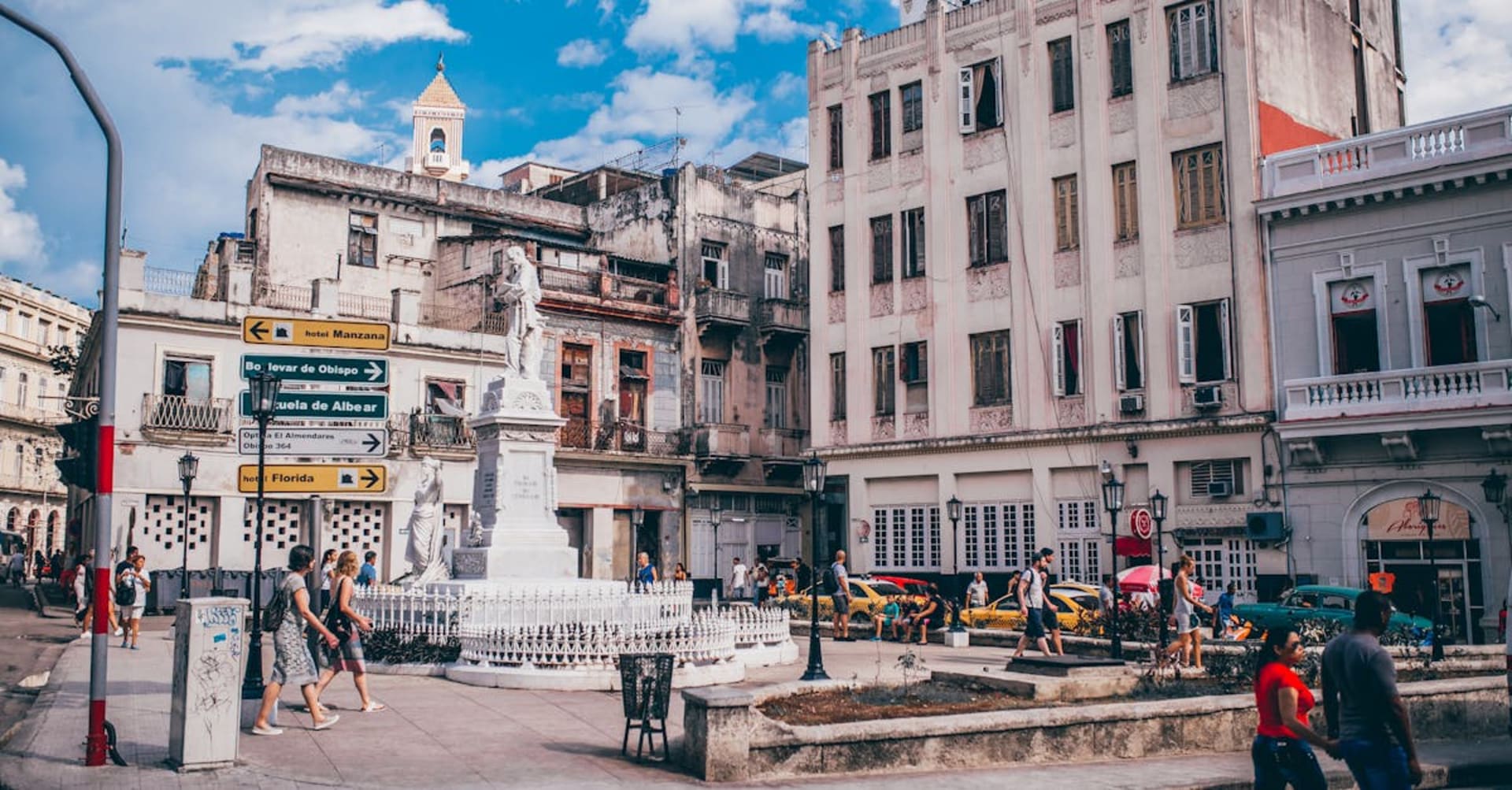
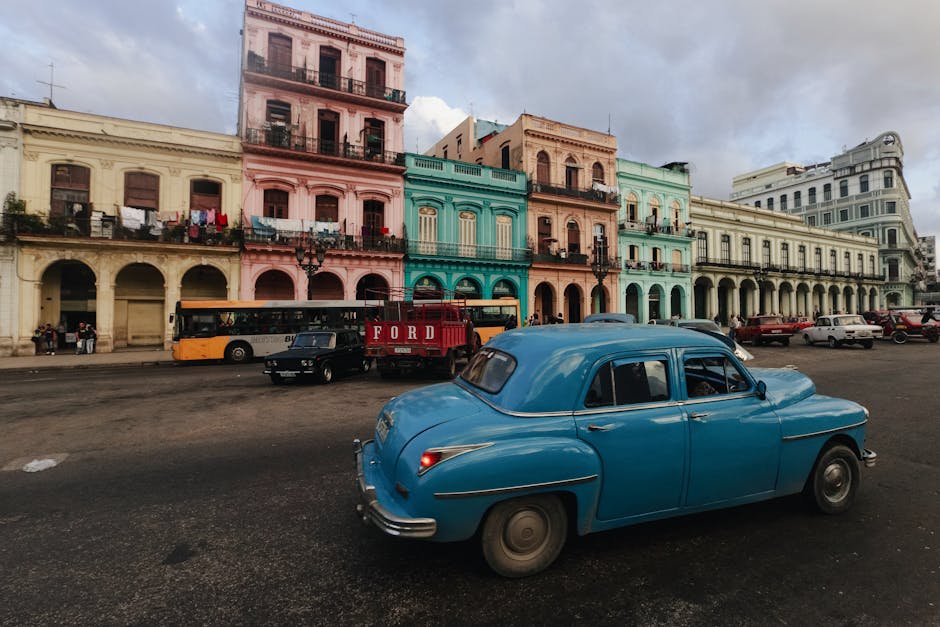
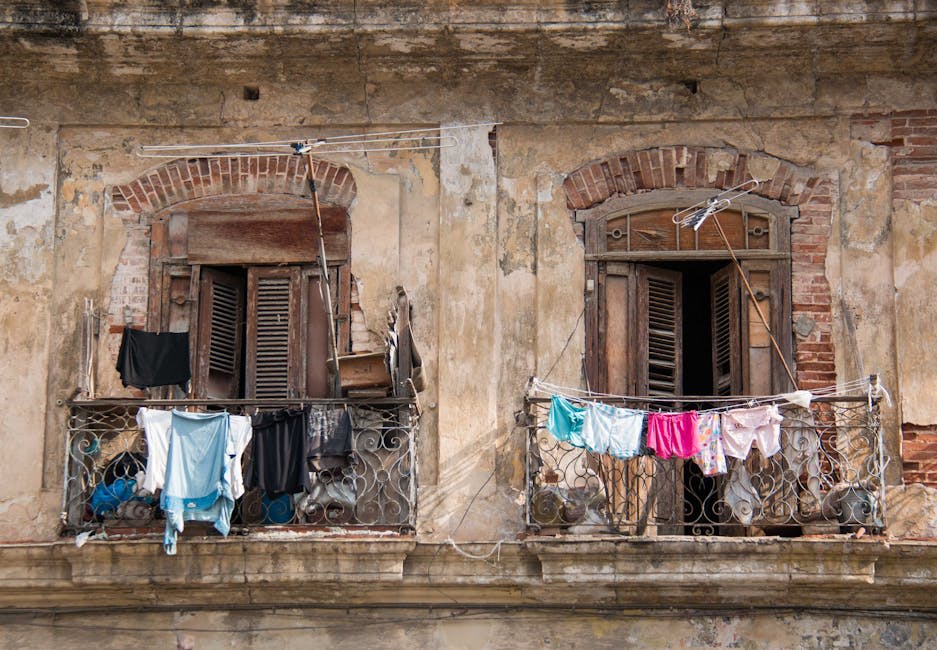
Havana is the city that refused to be renovated and became legendary for it. Habana Vieja is the colonial core — four centuries of Spanish architecture in various states of magnificent decay, its plazas anchored by the Cathedral, the Capitolio, and the fortress of La Cabana overlooking the harbor. Every corner produces a photograph: laundry hanging from wrought-iron balconies, vintage Chevrolets idling at intersections, street musicians turning a crumbling doorway into a concert hall.
I spent my first morning in Havana walking from the Prado to the Plaza de Armas without a map, because the city rewards that kind of surrender. A man selling coconut water from a cart pointed me toward a courtyard where a rumba circle was forming — three drummers, a singer, and by the time I left, thirty people dancing in a space designed for ten. That is the rhythm of this city. You plan nothing, and everything finds you.
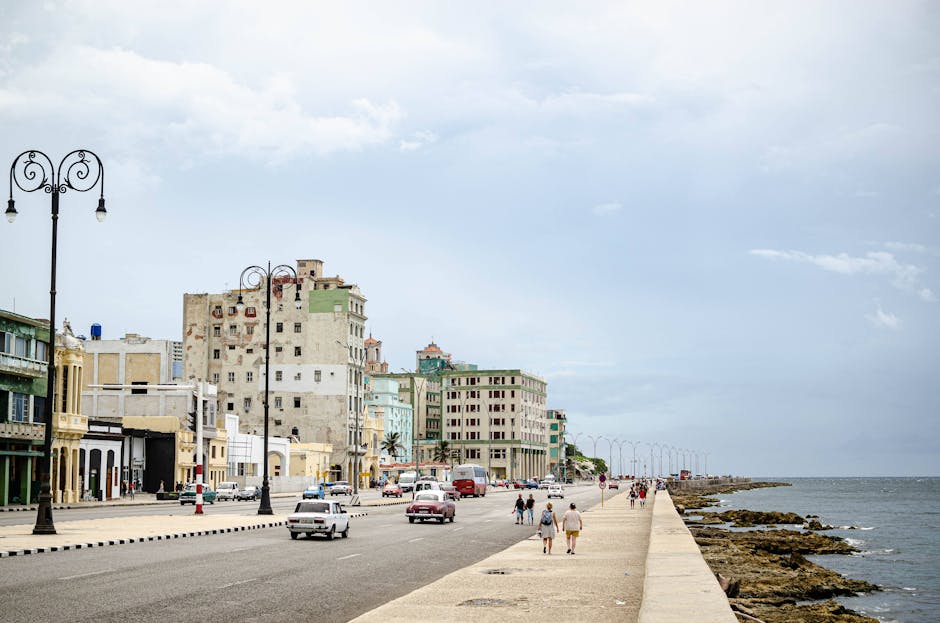
The Malecon seawall is Havana’s living room — five kilometers of oceanfront promenade where the entire city comes to flirt, fish, drink rum, and watch the sunset paint the colonial facades in gold and pink. I have walked it at every hour. At dawn, it belongs to fishermen and joggers. At dusk, it becomes the most democratic social space I have seen in any city — teenagers, musicians, couples, families, all sharing the same crumbling concrete with the same view of the Caribbean stretching north toward an America that feels very far away.
Behind the tourist trail, Centro Habana is the raw, real city — dense, loud, and pulsing with a creative energy that manifests in home restaurants (paladares), underground galleries, and the rumba circles that erupt spontaneously in courtyards across the neighborhood. The Callejon de Hamel on Sundays is where Afro-Cuban spirituality, street art, and live rumba converge in a narrow alley painted in every color imaginable.
The food scene has evolved dramatically. The paladares — private restaurants operating from family homes — have gone from survival strategy to genuine culinary ambition. La Guarida, in a crumbling Centro Habana mansion, serves contemporary Cuban cuisine in rooms that look like a film set (because they were — Fresa y Chocolate was shot here). But I preferred the smaller, unnamed spots where a family cooks what they have, and the lobster costs four dollars, and the mojito is made with whatever rum came in that week.
The music is non-negotiable. The Fabrica de Arte Cubano is a converted cooking-oil factory that operates as gallery, concert venue, dance floor, and bar — it is the best nightlife venue I have visited anywhere in the Caribbean. The Hotel Nacional terrace, overlooking the Malecon, is where you go for a daiquiri and the ghost of Hemingway, which is a cliche I am willing to endorse because the view earns it.
When to go: November to April for dry season and comfortable temperatures. December to February is peak season. Avoid September and October for hurricane risk.